
Executive Overview
The landscape of companion animal rescue in New York State has transformed dramatically over the last decade. Moving far beyond traditional, cold-concrete municipal shelters, the state’s modern pet rescue network comprises a sophisticated web of free-range sanctuaries, localized foster-based networks, and dedicated rehabilitation facilities. Stretching from the bustling avenues of Manhattan to the expansive acreage of Buffalo and Long Island, these organizations represent a beacon of hope for thousands of displaced, abandoned, and neglected dogs each year.
Choosing to adopt a rescue animal is far more than a personal lifestyle choice; it is a profound ethical commitment to community welfare and humane stewardship. According to industry advocates, adopting directly combats the overpopulation crisis fueled by commercial breeding and puppy mills. Furthermore, it creates a vital capacity chain: every time a family adopts a dog from a rescue organization, an empty space opens up in the shelter system, allowing frontline workers to pull another vulnerable animal off the street.
However, navigating the vast network of New York rescues requires preparation, patience, and self-reflection. Prospective pet parents must weigh various factors, ranging from spatial constraints and lifestyle compatibility to financial readiness and time commitments. This comprehensive guide provides an in-depth look at the state of dog rescue in New York, examines the critical prerequisites every potential adopter must consider, highlights the societal and ethical impacts of rescue adoption, and spotlights standout organizations—such as New York City’s renowned Muddy Paws—that are leading the charge in saving lives.
Detailed Chronology: The Evolution of the New York Rescue Movement
To fully understand the state of canine adoption in New York today, one must examine the historical shift in how animal welfare has been approached and institutionalized over the past century.
The Mid-20th Century: Institutional Sheltering
For decades, animal care in New York was dominated by municipal pounds and large, centralized humane societies. While these facilities served an undeniable purpose in public safety and stray containment, their physical architecture was rarely designed with canine psychological well-being in mind. Long rows of metal bars, concrete flooring, and high-stress environments often resulted in deteriorating behavioral health for long-term residents. Euthanasia rates were historically high due to overcrowding and limited community outreach resources.
The Shift Toward Foster-Centric Models (Late 1990s–2000s)
As animal behavior science advanced, animal advocates recognized that dogs thrive in home environments rather than institutional settings. This realization sparked the modern rescue revolution. Grassroots organizations began bypassing brick-and-mortar facilities altogether, relying instead on networks of volunteer foster parents. This model allowed rescues to evaluate a dog’s true personality, house manners, and compatibility with children or other pets in a real-world setting. Organizations like Muddy Paws, founded on these community-driven principles, began changing the metrics of success from mere containment to targeted, successful placement.
The Modern Era: Data-Driven Matching and Community Integration (2010s–Present)
Today, New York’s rescue ecosystem employs advanced data tracking, digital adoption platforms, and innovative "flex-adoption" or foster-to-adopt pipelines. Rescues no longer view themselves merely as holding facilities, but as educational institutions. Through block parties, corporate partnerships, and digital outreach campaigns, contemporary rescues actively engage the public in discussions surrounding spay-and-neuter laws, ethical breeding practices, and the lifelong responsibilities of pet ownership.
Supporting Context & Metrics: The Impact of Rescuing in New York
The decision to adopt a dog carries significant statistical weight. While exact annual intake numbers fluctuate across New York State’s hundreds of municipal and private rescue agencies, overarching trends reveal both significant progress and ongoing challenges.
The Math of Saving Lives
When a family chooses to adopt rather than shop, they disrupt the supply chain of commercial breeding operations. Millions of healthy, behaviorally sound dogs enter the rescue pipeline annually across the United States. In New York, regional networks coordinate transports to move dogs from high-kill or overcrowded shelters in the southern United States up to the Northeast, where demand for rescue dogs is high and local shelter populations are better managed.
- Capacity Creation: Adopting one dog directly saves that individual animal and frees up a foster home or shelter cage for an incoming dog in crisis.
- Economic Impact: Adoption fees typically cover spay/neuter surgeries, microchipping, age-appropriate vaccinations, and baseline veterinary care. This makes adoption a financially responsible choice compared to the upfront veterinary costs often associated with acquiring un-vetted puppies from unregulated sources.
- Behavioral Transparency: Unlike puppies acquired from anonymous online sellers, dogs in foster-based rescues come with behavioral notes from individuals who have lived with them for weeks or months. This dramatically reduces the rate of secondary surrenders caused by mismatched expectations.
Essential Pre-Adoption Checklist
Before embarking on the journey to bring a new dog home, experts recommend that prospective owners complete a rigorous self-assessment. Adopting on impulse is one of the leading causes of failed placements.
- Evaluate Your Readiness: Are you emotionally and logistically prepared for a 10-to-15-year commitment? Dogs require daily exercise, mental stimulation, regular veterinary care, and consistent training, regardless of your personal schedule or weather conditions.
- Verify Age and Stability Requirements: Most reputable New York rescues require primary adopters to be at least 21 years old and able to demonstrate financial stability. Landlord approval is non-negotiable for renters; lease agreements explicitly detailing pet policies must be provided during the vetting process.
- Ensure Total Household Consensus: Every human living under your roof must be fully on board. Introducing a dog into an environment where a family member is hesitant or allergic creates chronic stress for both the humans and the animal.
Spotlight on Excellence: Muddy Paws (New York, NY)
To understand how modern rescue organizations operate at peak efficiency, one need look no further than Muddy Paws, a cornerstone of the New York City rescue community.
Operations and Impact
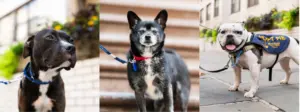
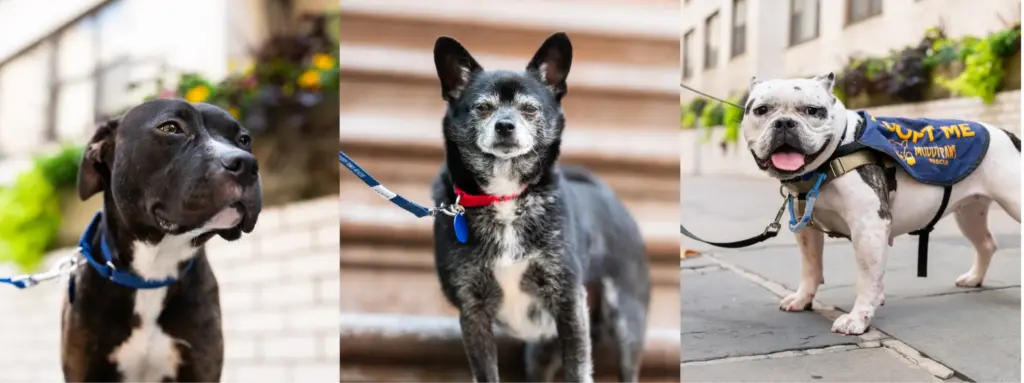
Operating out of the heart of Manhattan and extending its reach across the boroughs, Muddy Paws has achieved a monumental milestone: saving over 10,000 dogs and placing them into loving, permanent homes. Known widely to city residents through their vibrant adoption events—such as those hosted at the Petco in Union Square—Muddy Paws utilizes a robust foster-centric model.
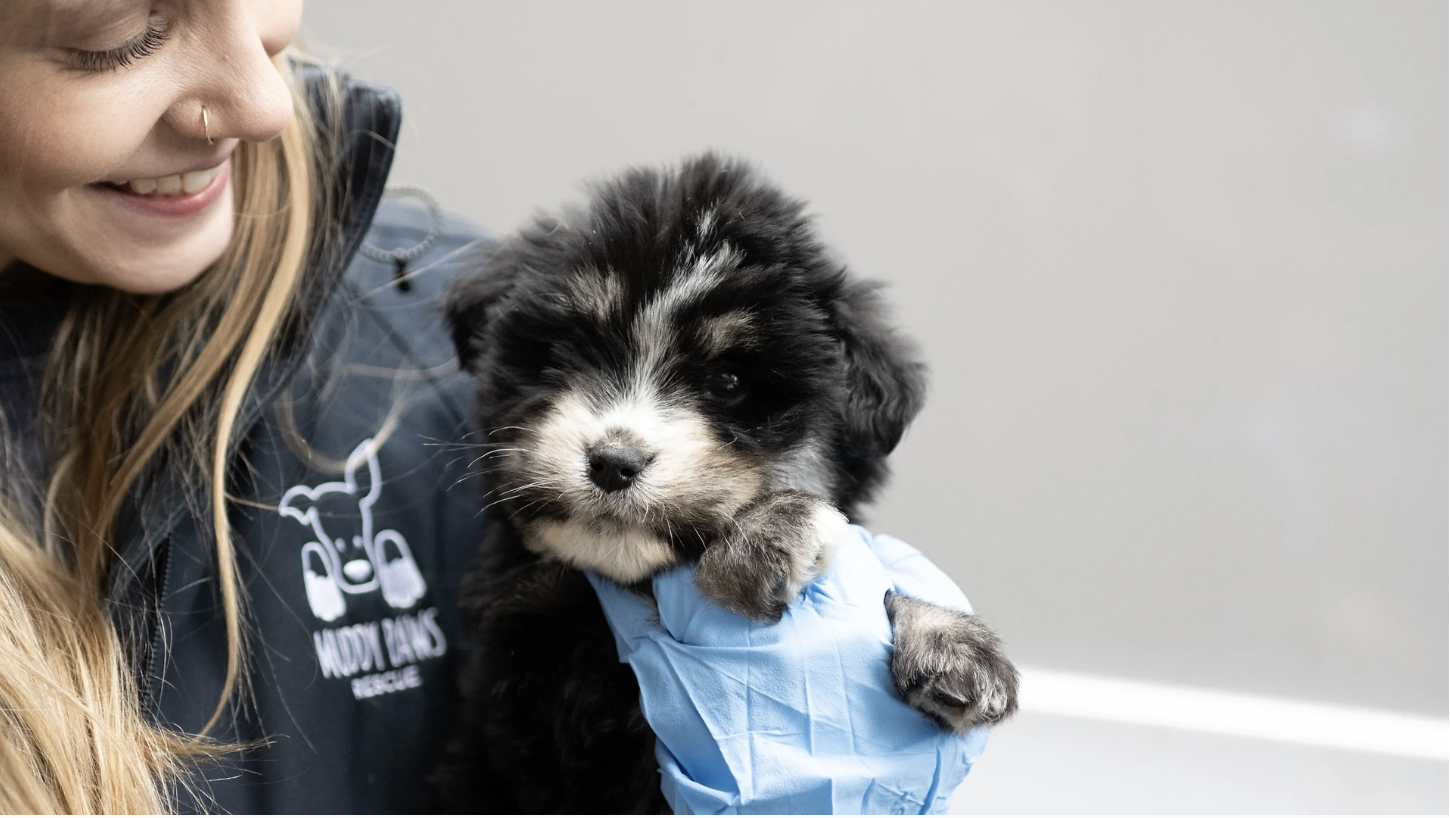
Instead of languishing in a kennel, incoming dogs are placed directly into the care of responsible, vetted foster caretakers. These volunteers provide essential socialization, basic obedience training, and continuous behavioral assessments. This system ensures that when an adopter steps forward, the rescue can provide an accurate, transparent portrait of the dog’s temperament, energy level, and daily habits.
Innovative Adoption Pipelines
Muddy Paws recognizes that finding the right match is not always an instantaneous decision. To ease the transition for both pets and humans, the organization offers specialized adoption pathways, including flex adoptions. These programs incorporate a structured "tryout" or trial phase, allowing families to ensure the dog integrates seamlessly into their daily routine before finalizing the legal adoption paperwork.
Beyond adoptions, Muddy Paws functions as a community hub. Through high-profile annual block parties, grassroots fundraising initiatives, and continuous public education campaigns, the organization fosters a culture of active animal advocacy across New York City.
- How to Adopt: Prospective adopters can visit the Muddy Paws official adoption portal to review available profiles, submit applications, and inquire about flex-adoption opportunities.
- What We Love: The staggering scale of their success—having transitioned over 10,000 dogs into secure homes—combined with their unwavering commitment to post-adoption support and community engagement.
Official Statements & Expert Perspectives
Animal welfare leaders across New York State emphasize that the success of the rescue community relies on a collaborative ecosystem of volunteers, donors, municipal leaders, and adopters.
"When a person chooses to rescue, they aren’t just acquiring a pet; they are casting a vote for humane treatment and community responsibility," notes a senior administrator within the New York animal rescue coalition. "The transformation we witness—from a terrified dog stepping out of a transport van to a confident, cherished family member sleeping at the foot of a bed—is why our volunteers dedicate countless hours to this work."
Behavioral experts also underscore the importance of preparation.
"The biggest pitfall we see is mismatched energy levels," explains a New York-based canine behaviorist. "An adopter falls in love with a dog’s photo, but fails to account for whether that dog needs five miles of running a day or prefers a gentle stroll around the block. Organizations like Muddy Paws bridge that gap by utilizing foster parents who know the dog’s inner clock, making success much more likely from day one."
Future Outlook: The Next Horizon for New York Rescues
Looking ahead, the future of dog rescue in New York State is bright, albeit faced with evolving logistical challenges. As urban and suburban demographics shift, rescue organizations are increasingly leveraging digital technology to streamline application processes, expand foster networks, and connect rural shelters with metropolitan adopters.
Key areas of growth and focus for the coming years include:
- Enhanced Post-Adoption Support: Providing accessible, low-cost training resources and behavioral helplines to prevent minor behavioral hurdles from escalating into surrender situations.
- Legislative Advocacy: Continuing to push for stricter oversight of commercial breeders and retail pet shops, aiming to dry up the supply chain of puppy mill dogs entering the state.
- Expanded Foster Recruitment: Recognizing that the bottleneck in rescue work is rarely a lack of willing adopters, but rather a shortage of temporary foster homes. Grassroots recruitment campaigns will remain vital to scaling rescue operations.
For animal lovers across New York—whether you reside in a high-rise apartment in Manhattan, a suburban home on Long Island, or a property in Buffalo—the options for adoption are richer, more transparent, and more professionally managed than ever before. By committing to the responsibilities of pet ownership and choosing the path of rescue, New Yorkers can continue to lead the nation in humane animal welfare, one paw at a time.