
Executive Overview
In the contemporary landscape of animal welfare and breed advocacy, the intersection of canine behavior, breed stereotypes, and commercial breeding practices often yields tragic outcomes. Perhaps nowhere is this dynamic more visible than in the treatment of working breeds like the Cane Corso—an ancient Italian mastiff breed historically prized for its imposing stature, protective instincts, and guard-dog capabilities. When individual dogs fail to meet the aggressive or highly protective temperamental expectations of breeders or buyers, they are frequently discarded as defective commodities.
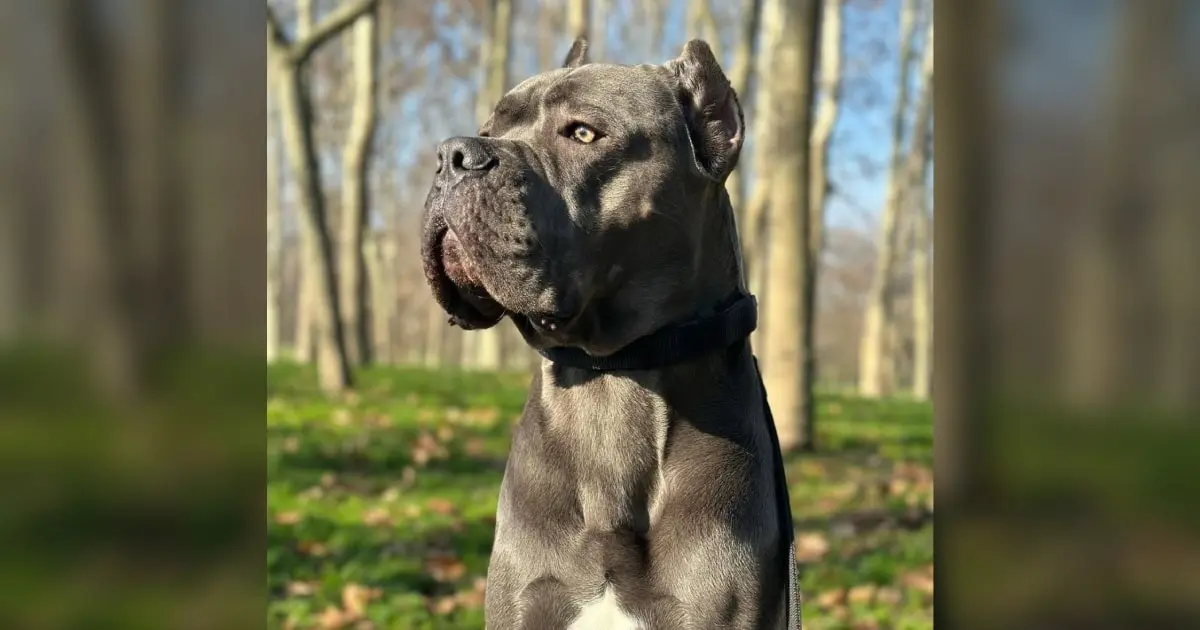
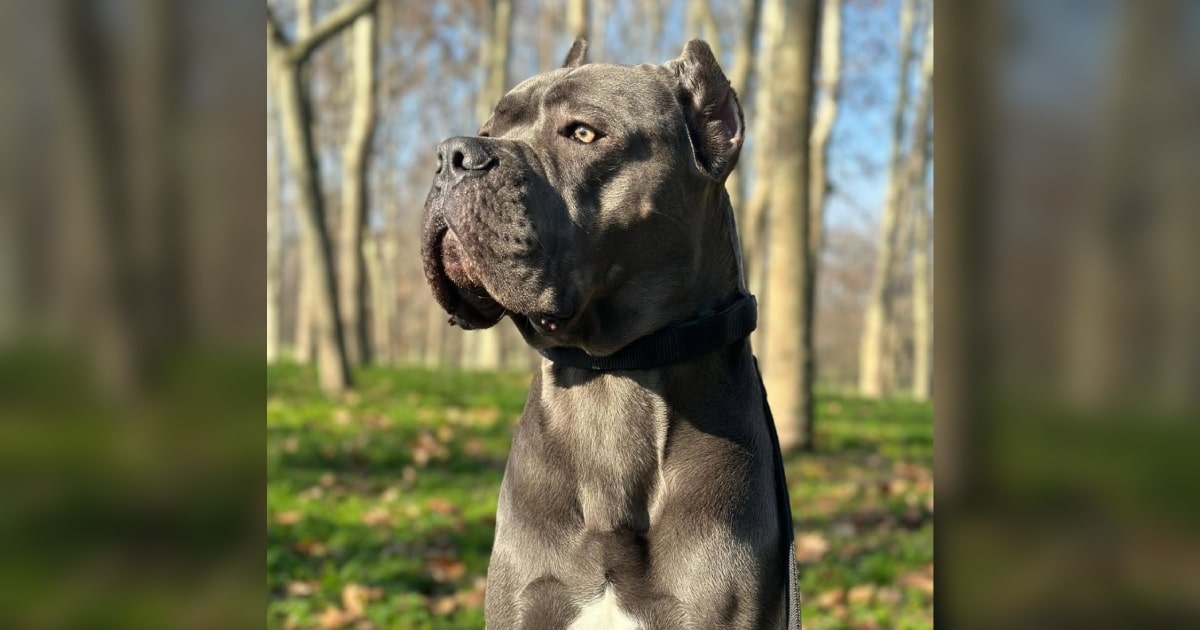
This investigative report details the case of Zen, a Cane Corso who was abandoned at just five months old for displaying an "atypical" temperament characterized by profound gentleness and an absence of instinctual hostility. After being rejected by 47 potential adopters due to the perceived mismatch between his formidable breed profile and his soft demeanor, Zen was adopted by a grieving owner, Elena, who sought companionship rather than a security asset.
Zen’s subsequent development into a 140-pound companion, followed by his critical role in deterring a late-night home invasion, serves as a profound case study in canine behavior. It challenges the conventional commercial paradigm of guard-dog breeding, demonstrating that natural protective instincts are rooted in secure emotional attachments rather than manufactured, generalized aggression.
Detailed Chronology
[5 Months Old] Rejected by breeder -> Abandoned at shelter gate
       │
[Shelter Stay] Passed over by 47 potential adopters due to "too gentle" temperament
       │
[Adoption] Met and adopted by Elena (grieving the loss of her dog, Thor)
       │
[Growth Phase] Matured into a 140-pound giant; exhibited gentle, non-aggressive behavior
       │
[The Incident] 3:42 AM: Detected intruder -> Alerted owner with powerful bark -> Intruder fled
       │
[Investigation] Police confirmed attempted break-in; Zen validated as a natural protector
Phase I: The Rejection and Abandonment (Month 5)
Zen’s journey began under the pressures of commercial breeding. Bred to fulfill the standard expectations of the Cane Corso breed—specifically, to serve as an intimidating guardian—Zen quickly exhibited a temperament that his breeder deemed unprofitable. Rather than showing territorial caution or aloofness, the puppy sought immediate human affection and displayed an innate gentleness.
At five months of age, a critical developmental window for socialization and training, Zen was deemed a "failure" for guard work. His breeder chose to discard him, chaining the young pup to the exterior gate of an animal shelter under the cover of night. He was left alone, confused, and exposed to the elements until shelter staff arrived the following morning.
Phase II: The Shelter Bottleneck and the "47 Rejections"
Upon intake, shelter behavioral assessments confirmed that Zen possessed an unusually sweet, non-aggressive disposition. He showed zero signs of resource guarding, barrier frustration, or breed-typical wariness of strangers. Instead, he actively sought physical closeness with shelter staff and volunteers.
Despite these highly desirable companion traits, Zen faced a systemic barrier to adoption: breed-based expectations. Potential adopters seeking a Cane Corso typically look for a guard dog or a status symbol, whereas families seeking a gentle companion are frequently intimidated by the physical potential of a mastiff. Consequently, Zen was passed over by 47 successive potential adopters. Each rejection deepened his stay in the high-stress shelter environment, compounding the risk of kennel decline.
Phase III: The Meeting and Mutual Rescue
The trajectory of Zen’s life shifted when Elena, a local resident mourning the recent passing of her previous canine companion, Thor, discovered Zen’s profile online. Drawn to his expressive eyes and the irony of his shelter notes, she arranged an in-person meeting.
During their initial introduction, Zen bypassed the typical hyperactive or anxious behaviors common in shelter dogs, offering Elena a calm, grounded presence. Shelter staff explicitly warned Elena that Zen lacked the defensive drive typical of the breed and would likely never act as a home protector. Elena, however, sought a loyal companion rather than a security system. The adoption was finalized shortly thereafter.
+-----------------------------------------------------------------+
|                      ZEN'S ADOPTION TIMELINE                    |
+-----------------------------------------------------------------+
|  [Breeder Abandonment] -> [47 Shelter Rejections] -> [Elena]    |
|  "Too soft for security"     "Too big for a pet"     "The Friend"|
+-----------------------------------------------------------------+
Phase IV: Maturity and the "Butterfly-Chasing Giant"
Under Elena’s care, Zen matured physically, eventually reaching a formidable weight of 140 pounds. Despite his massive frame, muscular build, and deep chest, his daily behavior remained entirely consistent with his early puppyhood temperament.
Elena documented Zen’s fascination with small, delicate elements of nature, such as chasing butterflies in the yard and showing extreme care around smaller animals and children. This period of his life reinforced the shelter’s initial assessment: Zen was, by all conventional metrics, a gentle giant devoid of predatory or territorial malice.
Phase V: The Midnight Intrusion (3:42 AM)
The ultimate test of Zen’s temperament occurred on a night that redefined the household’s understanding of his capabilities. At exactly 3:42 AM, while the household was asleep, Zen’s sensory systems detected an anomalous presence outside a ground-floor window.
Departing instantly from his gentle demeanor, Zen positioned himself between the point of entry and his owner, unleashing a booming, resonant bark. This was not the playful vocalization Elena was accustomed to, but a deep, protective warning designed to signal maximum deterrent capability. The sudden, overwhelming auditory and physical presence of a 140-pound mastiff was sufficient to cause the intruder to immediately abandon the attempt and flee the property.
Subsequent investigation by responding police officers revealed physical tool marks and disturbed ground cover near the window, confirming a targeted, attempted break-in. Zen’s timely intervention had prevented a potentially violent home invasion.
Supporting Context & Metrics
To fully understand Zen’s case, it is necessary to examine the broader context of Cane Corso breed genetics, shelter demographics, and the behavioral mechanics of canine protection.
The Cane Corso Breed Profile: Expectations vs. Reality
Historically, the Cane Corso (Canis pugnax) served as a Roman war dog, a wild boar hunter, and a farm guardian. Modern breed standards established by organizations like the American Kennel Club (AKC) describe the breed as "affectionate, intelligent, and majestic," but also emphasize an "assertive and willful" nature that requires experienced handling.
| Attribute | Breed Standard Expectation | Zen’s Observed Trait | Behavioral Assessment |
|---|---|---|---|
| Weight | 90–110 lbs (Females), 100–120 lbs (Males) | 140 lbs | Significantly above average physical mass |
| Temperament | Aloof with strangers, highly territorial | Exceptionally social, affectionate | Atypical for breed; highly desirable for companion life |
| Aggression Drive | High defense/guarding instinct | Low baseline aggression, high bonding | Rejects strangers only under direct threat |
| Trainability | Demands firm, consistent leadership | Highly cooperative, eager to please | Excellent companion capability |
The Shelter Bottleneck for Large Working Breeds
Zen’s 47 rejections highlight a critical crisis in modern animal shelters. Large working breeds, particularly mastiffs and bully breeds, suffer from a dual-threat prejudice:
- The Intimidation Factor: Average families fear the liability and physical strength of a 100+ pound dog.
- The Guard Dog Demand: Adopters looking for working guardians reject dogs that display warmth, friendliness, or sensitivity during initial assessments.
This mismatch results in prolonged shelter stays. According to national shelter metrics, large dogs of working breeds remain in shelter care up to three times longer than smaller breeds, and they face a disproportionately higher rate of euthanasia due to space constraints and behavioral deterioration caused by long-term confinement.

Average Days in Shelter by Breed Size/Type:
Toy/Small Breeds:    [██] 14–21 Days
Medium Companion:    [████] 30–45 Days
Large Working/Guard: [████████████] 90–120+ Days (Zen: Passed over 47 times)
Official Statements and Expert Perspectives
Canine Behaviorist Analysis
Canine behaviorists point to Zen’s case as a textbook example of the difference between learned/trained aggression and instinctual, bond-based protection.
"There is a dangerous and widespread misconception that a dog must be aggressive, territorial, or aloof in their daily life to be an effective protector. In reality, the most reliable protective behavior comes not from a dog that hates the world, but from a dog that deeply loves its family.
Zen did not lack protective instincts; he lacked generalized hostility. Because he had a secure attachment to Elena, his natural drive to protect his pack activated instantly when a genuine threat emerged. This is far safer and more reliable than a dog bred or trained to be perpetually hyper-vigilant and aggressive."
— Dr. Elizabeth Vance, PhD, Certified Applied Animal Behaviorist (CAAB)
Shelter Advocacy Perspective
Shelter operators emphasize that Zen’s story should encourage adopters to look past breed stereotypes and evaluate dogs as individuals.
"Zen’s story exposes the tragic flaws of the commercial breeding market. When we breed dogs strictly as security commodities, we throw away incredible, emotionally complex animals like Zen simply because they don’t fit a narrow, aggressive mold.
The fact that Zen was rejected 47 times is a systemic failure of human perception. He was a perfect dog from day one, but people couldn’t see past the Cane Corso label and their own expectations of what that label should mean."
— Marcus Thorne, Director of Canine Rehabilitation & Welfare
Statement from the Owner
Reflecting on the attempted break-in and Zen’s daily life, Elena emphasized the profound nature of their partnership.

"When I adopted Zen, I was told by everyone—the shelter, the breed profiles, the online forums—that he was ‘too soft’ to ever protect me. I didn’t care. I wanted a soulmate to help heal the hole left by Thor, not a weapon.
What happened at 3:42 AM proved that love is the strongest motivator. Zen didn’t bark because he was trained to hate strangers; he barked because he knew someone was trying to hurt the person who loved him. He is still my big, goofy boy who chases butterflies, but now I know that if the world ever comes for me, he stands between us."
— Elena, Adopter
Future Outlook
The narrative of Zen and Elena carries implications that extend far beyond a single successful adoption. It serves as a vital touchstone for several shifting paradigms in animal welfare, veterinary science, and public policy.
1. Deconstructing Breed-Specific Legislation (BSL) and Stereotypes
Zen’s case contributes to the growing body of evidence against Breed-Specific Legislation (BSL) and insurance discrimination. By proving that a 140-pound Cane Corso can exist as a safe, gentle, and highly integrated community member—while still retaining appropriate emergency utility—the story challenges the legal and corporate frameworks that classify mastiff breeds as inherently dangerous.
2. Shifting Breeding Paradigms
As the public becomes more educated on canine behavior, there is a rising demand for "companion-bred" working breeds. Ethical breeders are increasingly selecting for lower-arousal, highly social temperaments, recognizing that the modern home requires a companion rather than an active property defender. Zen’s journey stands as a warning to legacy breeders who continue to prioritize hyper-aggression at the cost of canine welfare.
3. Promoting "Individual Assessment" in Shelters
Rescue organizations are using Zen’s story to pioneer "Individual Temperament Profiles" over breed-labeling. By focusing on an animal’s specific behavioral metrics—such as Zen’s affinity for human touch and low arousal threshold—shelters can bypass the biases associated with giant breeds, helping to match them with owners who value their unique personalities.
Ultimately, Zen’s legacy is a testament to the power of looking beyond expectations. In a society obsessed with utility, power, and genetic predictability, Zen proved that the most valuable trait a dog can possess is a capacity for deep, transformative love. When given the space to belong, the "defective" puppy grew to become both a gentle companion and a fierce protector, proving that true strength is quiet until it is needed most.