
Executive Overview
In the United States, a quiet agricultural revolution has been taking place in suburban backyards and rural plots alike. Driven by a desire for sustainable living, organic food sourcing, and companionship, the population of backyard chickens has surged. Recent estimates place the national flock at an astounding 85 million birds—representing a striking 28 percent increase over a brief two-year span.
Yet, this surge in popularity has exposed a critical gap in veterinary infrastructure and owner preparedness. According to recent demographic surveys, the majority of backyard poultry enthusiasts have kept chickens for less than five years, making them uniquely vulnerable to the myriad health and management challenges that face modern flocks. Minimizing predation is currently cited as the single most significant hurdle for poultry keepers, closely followed by complex medical, reproductive, and infectious emergencies.
Compounding this challenge is the ambiguous legal and medical status of backyard chickens. While owners view their flock members as beloved household pets, federal and state regulators classify them strictly as food-producing livestock. This dichotomy places a heavy burden on veterinary practitioners, who must navigate strict drug prohibitions, monitor egg and meat withdrawal periods, and manage high-stakes medical crises under intense regulatory scrutiny.
Drawing from retrospective hospital data, clinical case reviews, and insights from veterinary specialists like Dr. Olivia A. Petritz, DVM, DACZM, this report explores the leading medical emergencies facing backyard hens—ranging from traumatic predator wounds and reproductive tract failures to debilitating lameness and respiratory pathogens—and outlines the evolving clinical strategies required to treat them.
Detailed Chronology: Understanding the Emergency Patient
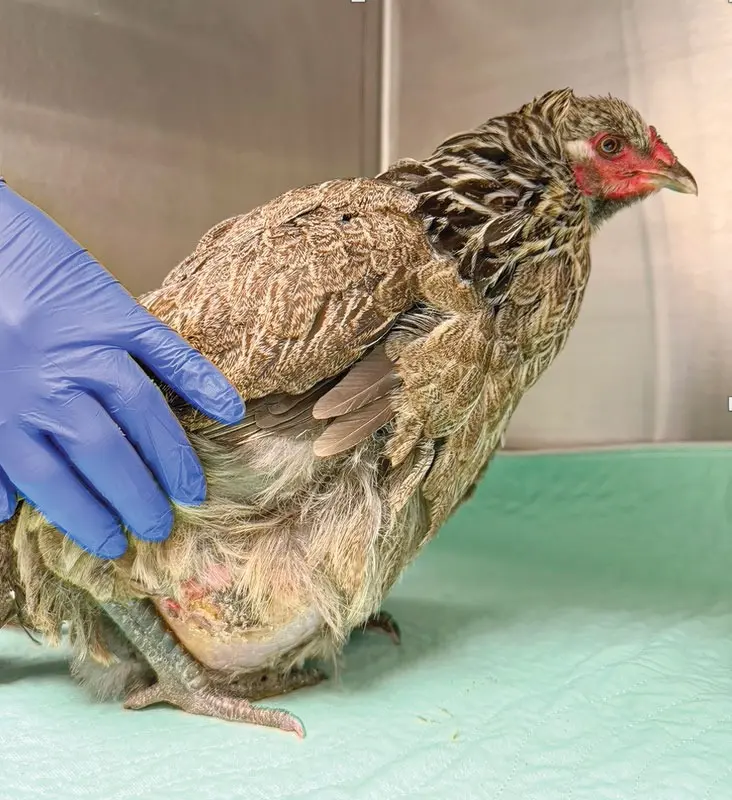
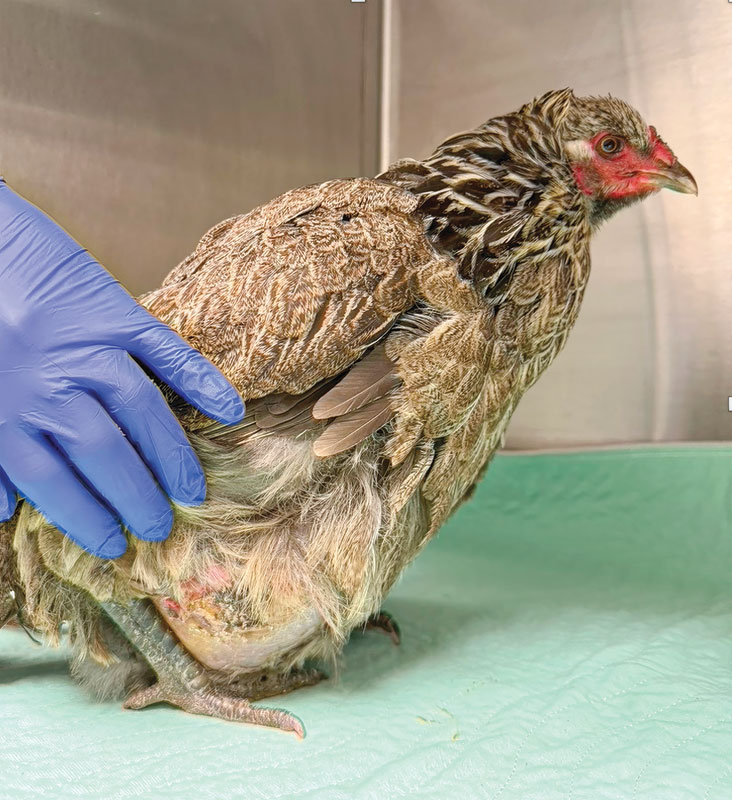
To understand the scope of modern avian medicine, veterinarians look to retrospective data gathered from emergency departments at major academic institutions. A comprehensive three-year review of avian emergency presentations revealed that the average backyard chicken patient is startlingly young—typically just one year of age.
When these birds are rushed to a veterinary hospital, the clinical picture is often acute, systemic, and multifaceted. The retrospective review identified two dominant categories driving emergency visits:
- Trauma from Predation: Accounting for 32 percent of all emergency presentations.
- Reproductive Tract Disease: Accounting for 13 percent of emergency cases.
Despite advancements in exotic animal medicine, the prognosis for these emergency patients remains guarded. Data shows that roughly 45 percent of all hens presented in emergency settings are successfully stabilized and discharged, while 53 percent succumb to their illnesses or injuries.
Phase One: The Trauma Patient
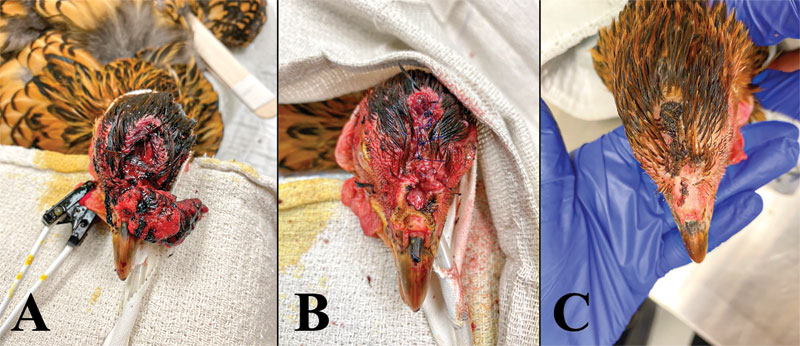
Predation trauma represents the most common, and often the most gruesome, emergency encountered in clinical practice. Backyard predators—ranging from domestic dogs and cats to raccoons, hawks, and foxes—frequently inflict deep, catastrophic wounds.
Clinicians examining these cases must thoroughly investigate every laceration for potential penetration into the coelomic cavity or the respiratory air sacs. Unlike mammals, avian respiratory systems incorporate a complex network of air sacs that extend throughout the body. Penetrating wounds to these structures carry a profoundly guarded prognosis. Furthermore, veterinarians must exercise extreme caution; standard diagnostic radiographs are notoriously insensitive for detecting free coelomic air versus air contained within the normal air sacs. Lavage and wound-cleansing liquids must be used sparingly if air sac involvement is suspected.
Phase Two: The Reproductive Breakdown
Following trauma, reproductive tract disorders are the most pervasive medical crises in mature hens. Because backyard chickens are often bred or managed in ways that maximize continuous egg production, their reproductive systems are subjected to immense physiological stress.
Hens suffering from reproductive pathologies frequently present with vague, chronic, and progressive clinical signs. Owners typically report lethargy, hyporexia (decreased appetite), diarrhea, and a sudden drop or cessation in egg production. This drop is frequently misdiagnosed by owners as "egg binding" (dystocia)—a condition that is actually exceedingly rare in chickens compared to psittacine birds (parrots).
As these reproductive diseases advance, fluid begins to accumulate in the coelomic cavity. Ovarian neoplasia, particularly adenocarcinoma, is exceptionally common in aging hens. It frequently progresses to carcinomatosis, triggering massive coelomic effusion. Unlike parrots, which quickly fall into respiratory distress (dyspnea) when coelomic fluid accumulates, chickens can tolerate astonishingly large volumes of fluid before showing respiratory compromise. In extreme cases, oviductal masses and fluid can account for up to 30 percent of a hen’s total body weight.
Supporting Context & Metrics: The Regulatory and Pharmacological Labyrinth
Treating backyard poultry is fundamentally different from treating cats, dogs, or even exotic pets. Because chickens are legally designated as food-producing animals alongside cattle, pigs, and turkeys, veterinarians must adhere strictly to federal regulations regarding drug administration.
The Pharmacokinetics Dilemma
The use of systemic antibiotics and analgesics in chickens is heavily restricted to prevent harmful chemical residues from entering the human food chain via meat or eggs. Certain critical classes of drugs are entirely prohibited in food-producing species, including:
- Nitroimidazoles (e.g., metronidazole)
- Chloramphenicol
- Fluoroquinolone-class antibiotics
When prescribing legal therapeutics, such as non-steroidal anti-inflammatory drugs (NSAIDs) like meloxicam, clinicians face yet another hurdle: breed-specific pharmacokinetics.
Groundbreaking pharmacological research has revealed stark differences in how various chicken breeds metabolize drugs. While a standard white leghorn hen processes meloxicam rapidly—requiring a dose of 1 mg/kg administered orally twice daily—popular backyard breeds like Wyandotte and bantam Cochin hens exhibit a significantly larger volume of distribution, slower metabolism, and delayed drug clearance. For these backyard breeds, veterinarians must reduce the recommended dose by half (1 mg/kg orally once daily) to prevent toxicity and dangerous tissue residue accumulation.
For up-to-date guidance on withdrawal periods and permitted substances, clinicians routinely rely on the Food Animal Residue Avoidance Databank (FARAD).
Official Statements & Clinical Insights
To better understand the multifaceted nature of poultry ailments, veterinary specialists break down the three other major pillars of backyard chicken disease: lameness, respiratory pathology, and biosecurity threats.
Navigating Avian Lameness
Lameness is a debilitating condition that severely impacts a bird’s quality of life. The three most prevalent causes in backyard flocks include physical trauma, pododermatitis (commonly known as "bumblefoot"), and Marek’s disease.
Pododermatitis is typically triggered by inadequate perching material, trauma, malnutrition, or asymmetrical weight-bearing. Because avian abscesses contain caseous (cheeselike) material rather than liquid pus, simple systemic antibiotics are rarely sufficient. Severe cases require aggressive surgical debridement. To maximize efficacy without overloading the animal with systemic drugs, clinicians increasingly utilize regional limb perfusion, delivering concentrated antibiotics directly to the affected limb.
Meanwhile, Marek’s disease—caused by Gallid alphaherpesvirus 2—remains an omnipresent threat. Present in virtually all backyard flocks regardless of vaccination status, this highly contagious virus attacks peripheral nerves, causing asymmetric paralysis of the legs and wings (neurolymphomatosis).
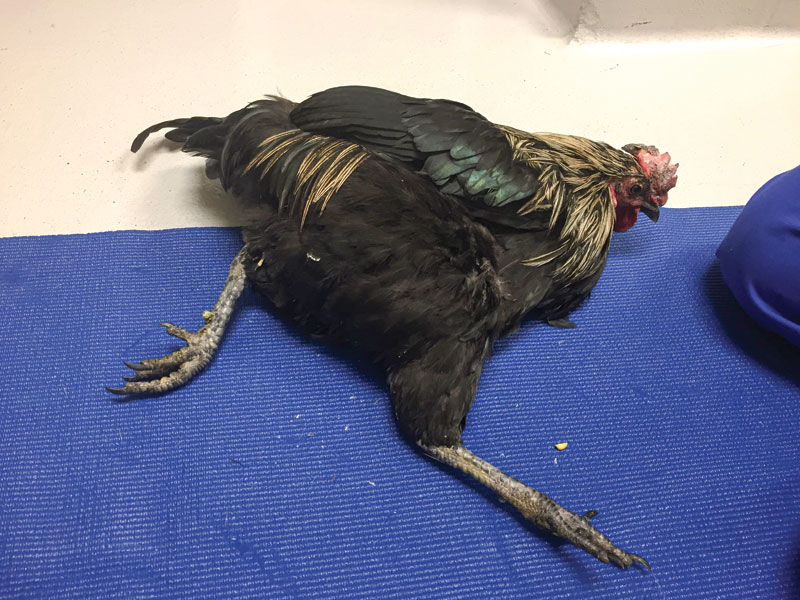
"Marek’s disease is a relentless reality for backyard flock owners," notes avian literature reviews. "Neoplasia and lymphoproliferative disorders account for up to 42 percent of backyard chicken mortality diagnoses, with Marek’s representing the vast majority. Because the virus survives for months in environmental dust and litter, and because antemortem PCR testing cannot reliably differentiate natural infection from vaccination, prevention through early in ovo vaccination is our only true defense."
Respiratory Pathogens and Biosecurity
While respiratory distress is rarely an acute emergency in chickens compared to pet parrots, chronic respiratory disease is exceptionally widespread.
Pathogens such as Mycoplasma gallisepticum plague backyard operations, leading to chronic upper respiratory signs, infraorbital sinusitis, and severe periorbital swelling. While tetracycline-class antibiotics help manage clinical flare-ups, they rarely eradicate the organism entirely.
On a broader regulatory scale, the shadow of Highly Pathogenic Avian Influenza (HPAI) looms large. Driven by ongoing H5N1 outbreaks across wild and domestic bird populations, HPAI is a nationally notifiable disease. Infected birds decline rapidly, displaying cyanotic combs, severe neurological abnormalities (such as torticollis and tremors), and mortality rates approaching 100 percent within 24 hours. Veterinary authorities stress that any suspicion of HPAI must be reported immediately to state veterinarians to prevent regional agricultural devastation.
Future Outlook
The trajectory of backyard poultry ownership points toward continued growth, cementing chickens as a permanent fixture in modern suburban and rural communities. However, this cultural shift demands a parallel evolution in veterinary medicine, owner education, and regulatory frameworks.
Future advancements must focus on expanding pharmacokinetic research across a wider array of heritage and backyard chicken breeds, ensuring that treatments can be tailored safely without risking human food safety. Furthermore, bridging the educational gap for new poultry owners—particularly regarding biosecurity, predator-proofing, and the realities of avian disease management—will be essential to lowering mortality rates.
Ultimately, as the boundary between livestock and household pet continues to blur in the American backyard, the veterinary community stands on the front lines, tasked with safeguarding the health of millions of birds while protecting the integrity of the nation’s food supply.