

Executive Overview
The landscape of companion animal medicine has experienced a profound metamorphosis over the past two decades. Driven by breakthrough diagnostic modalities, advanced surgical techniques, and specialized critical care, today’s veterinary teams possess an unprecedented capacity to extend and enhance the lives of patients. However, this golden age of veterinary science carries an inescapable corollary: significantly heightened costs and operational complexities.
While clinical capabilities have soared, client preparation has frequently lagged behind. Millions of pet owners remain unshielded by financial safety nets, encountering the true cost of modern veterinary interventions only during acute emergencies or following complex, life-altering diagnoses. This dynamic frequently sets up an agonizing dichotomy where the medicine is clear, but the financial decision is profoundly agonizing.
Authored by Dr. Chelsea McGivney, DVM, MBA—Executive Director of Operations at Caring Pathways—a critical conversation is emerging across the industry. Veterinary professionals must pivot away from reactive, crisis-driven financial disclosures and toward proactive, preventative financial planning. By reframing how practices discuss pet insurance, third-party financing, and phased medical treatments during routine wellness visits, clinics can dismantle barriers to care, fortify the veterinarian-client-patient relationship (VCPR), and mitigate the emotional and moral distress that plagues modern clinical practice.
Detailed Chronology: The Evolution of the Veterinary Financial Crisis
To fully grasp the current friction points in veterinary waiting rooms, one must trace the evolutionary timeline of how clinical care and client economics have intersected over the years.
Phase I: The Era of Simple Interventions (Late 20th Century)
Historically, veterinary medicine was largely generalist-focused. Diagnostic tools were often limited to basic radiography, standard blood panels, and rudimentary fecal or urinalysis tests. Surgical procedures were predominantly routine—spays, neuters, and simple wound repairs.
During this era, the financial footprint of pet ownership was relatively predictable. Out-of-pocket expenses were manageable for the average household, and comprehensive medical crises were either resolved with lower-tier interventions or, tragically, resulted in palliative surrender or euthanasia due to a lack of advanced options. Financial conversations between veterinarians and clients were brief, usually occurring at the checkout counter when settling a modest invoice.
Phase II: The Rise of Specialty Medicine and Advanced Technology (Early 2000s)
As human medical technologies migrated into the veterinary space, the clinical baseline shifted permanently. The advent of accessible ultrasound, magnetic resonance imaging (MRI), computed tomography (CT), and board-certified veterinary specialties (such as oncology, cardiology, and neurology) transformed veterinary practices into miniature human hospitals.
Simultaneously, pet humanization accelerated. Companion animals transitioned from backyard guardians to core family members, leading owners to demand human-grade medical options. However, this clinical evolution created a widening chasm. While the menu of available treatments expanded exponentially, systemic preparation for the economic realities of these interventions remained underdeveloped. The shock of high-cost estimates began to regularly disrupt the clinical encounter.
Phase III: The Pandemic Boom and Economic Pressures (2020–Present)
The COVID-19 pandemic catalyzed an unprecedented surge in pet acquisition, alongside an intensified focus on animal welfare. Yet, the subsequent macroeconomic realities—characterized by inflationary pressures, rising operational overhead for veterinary clinics, and increased costs for pharmaceuticals and equipment—pushed veterinary pricing higher.

Today, pet insurance has expanded significantly, with the North American Pet Health Insurance Association (NAPHIA) reporting that over seven million pets across North America were insured by the end of 2024, reflecting sustained double-digit growth. Despite this momentum, the vast majority of companion animals remain entirely uninsured. Consequently, veterinary teams find themselves routinely navigating high-stakes financial discussions during moments of acute trauma, creating a breeding ground for client alienation, delayed care, and severe clinician burnout.
Supporting Context & Metrics: The Mechanics of Care and Cost
Modern veterinary practice is a delicate balancing act between optimal clinical outcomes and pragmatic economic limitations. Understanding the data and systemic factors at play helps illuminate why traditional communication models are failing.
The Anatomy of a Modern Veterinary Shock
Consider the case study outlined by Dr. McGivney: a healthy, two-year-old Labrador retriever presents for a routine annual wellness examination. The dog receives a clean bill of health, preventative medications, and a bright prognosis. Six months later, the same animal is rushed to an emergency trauma center after ingesting a foreign body (such as a sock), necessitating immediate, high-cost abdominal surgery.
- The Clinical Reality: The surgical procedure is straightforward, and the post-operative prognosis is exceptional.
- The Economic Reality: The estimate runs into several thousand dollars, transforming a joyous recovery into an immediate financial crisis.
When discussions regarding payment options, insurance coverage, or financial safety nets are postponed until this exact moment of crisis, the client is forced to process complex, emotionally charged surgical risks while simultaneously evaluating devastating financial trade-offs.
The Dual Role of Pet Insurance as an Access-to-Care Tool
Pet insurance is frequently mischaracterized as a purely financial product or a sales pitch. Clinically, however, it functions primarily as an access-to-care tool.
[Traditional Model]
Wellness Exam -> No Financial Discussion -> Emergency/Crisis -> Sticker Shock -> Compromised Care / Moral Distress

[Proactive Model]
Wellness Exam -> Integrate Financial Planning (Insurance/Savings) -> Emergency/Crisis -> Preparedness -> Maximized Access to Care
When policies are secured before an illness or injury occurs, they fundamentally alter the decision-making matrix. Rather than declining advanced imaging, delaying exploratory surgery, or opting for premature euthanasia based on immediate liquidity constraints, insured clients are empowered to base their medical decisions primarily on what is medically indicated.
However, insurance is not a universal panacea. Most plans exclude pre-existing conditions, require waiting periods, and feature varying deductibles, co-pays, and reimbursement ceilings. This underscores the necessity for veterinary teams to educate clients on early enrollment and thorough plan comparison long before a crisis manifests.
Broadening the Financial Toolkit
Insurance is only one pillar of financial preparedness. Clinics that successfully navigate the modern economic landscape maintain a robust array of financial options tailored to diverse client demographics:
- Third-Party Financing: Programs that allow clients to amortize unexpected veterinary expenses over manageable monthly payments. While beneficial for immediate cash-flow relief, practices must ensure these tools are presented transparently, highlighting promotional interest periods and repayment terms.
- Staged Diagnostics and Phased Treatment Plans: When comprehensive, gold-standard care is financially out of reach, experienced clinicians utilize creative, ethical diagnostic layering. This approach addresses immediate life-threatening stabilization first, while staging subsequent diagnostics to respect the client’s financial boundaries without compromising patient welfare.
- Dedicated Pet Savings Accounts: Encouraging clients to establish high-yield health savings accounts specifically designated for veterinary care provides a viable alternative for families who prefer self-insurance.
Official Perspectives & Expert Insights
Navigating the intersection of high-level medicine and client economics requires a paradigm shift in how veterinary teams communicate. Industry leaders emphasize that these challenges are fundamentally rooted in communication gaps rather than simple unwillingness to pay.
Empathy, Transparency, and Partnership
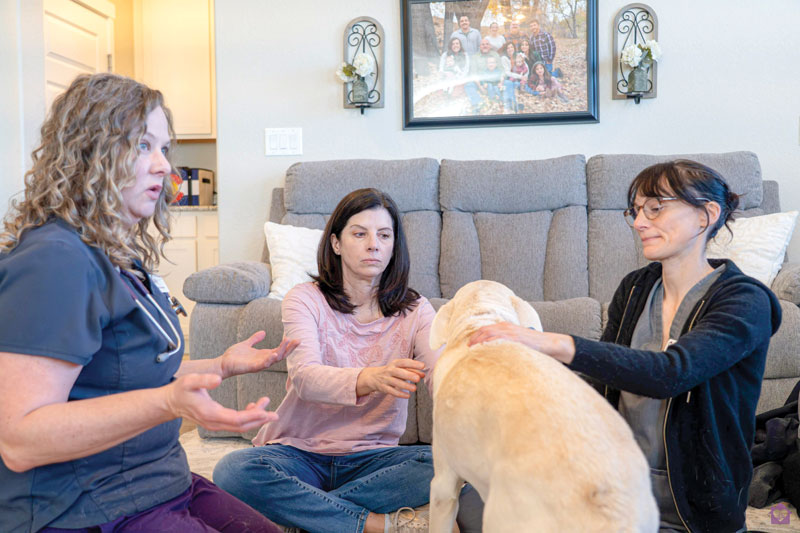
Research in veterinary communication consistently demonstrates that clients value empathy, clarity, and active listening just as much as they value clinical competence. When a veterinarian introduces costs early and frames them within the context of preventative planning, it communicates respect for the client’s partnership in the animal’s care.
"The goal is not to persuade clients to spend more money," notes Dr. McGivney. "The goal is to help them make informed decisions by ensuring they understand both the medical recommendations and the financial options available to them."
Redefining the Veterinary Narrative
To remove the stigma and discomfort traditionally associated with money talks, veterinary professionals are adopting standardized, neutral scripts during wellness exams. Instead of making awkward or presumptive statements, clinicians are normalizing the conversation for every client:
- Ineffective Approach (Reactive): "The surgery costs $4,000. Do you want to proceed or should we look at other options?"
- Effective Approach (Proactive): "One of the things we discuss with all pet owners is how they plan for unexpected veterinary expenses. Some families choose pet insurance, some build dedicated savings accounts, and others utilize financing. There isn’t one right answer, but discussing this now makes it much easier if an unexpected emergency ever arises."
By universalizing the inquiry, clinics remove any implication that a specific family is being singled out or judged based on perceived socioeconomic status.
Future Outlook: Building a Practice-Wide Culture of Financial Transparency
As veterinary medicine continues its rapid evolution—incorporating artificial intelligence in diagnostics, hyper-targeted oncology therapeutics, and advanced regenerative medicine—the economic pressures on pet owners will only intensify. Addressing this future requires structural, practice-wide integration.
A Unified Team Approach
Financial transparency cannot rest solely on the shoulders of the attending veterinarian during high-stress consultations. A resilient practice culture distributes the conversation across the entire client-facing team:
- Client Service Representatives (CSRs): Trained to introduce basic financial preparedness and inquire about insurance status during new-client onboarding.
- Veterinary Technicians: Positioned to reinforce financial wellness concepts and educational handouts during routine vaccine visits, technician appointments, and wellness check-ins.
- Practice Managers: Responsible for compiling transparent educational collateral, vetting third-party financing partners, and ensuring digital resources are accessible via the clinic’s website.
- Veterinarians: Focal points for synthesizing the intersection of medical necessity and financial strategy during physical examinations.
Preserving the Joy of Veterinary Practice
Ultimately, refining the financial communication framework within veterinary medicine is an investment in clinician well-being just as much as patient health. Moral distress—the psychological toll experienced by practitioners when financial barriers prevent them from delivering optimal care—is a primary driver of burnout and attrition in the veterinary field.
While no administrative protocol can completely eradicate the financial hardships inherent in private medical practice, proactive, empathetic communication can dramatically reduce their frequency. By helping families prepare for the unexpected long before the storm arrives, veterinary professionals can preserve the sanctity of the human-animal bond, protect their teams from preventable moral injury, and secure genuine access to care for the patients entrusted to their healing hands.