
Executive Overview
Across the United States, municipal animal shelters face an escalating operational crisis driven not by pet owner neglect, but by systemic socio-economic pressures. Unprecedented housing cost inflation, restrictive landlord policies, sudden medical emergencies, and domestic disruptions are forcing loving families to make heart-wrenching decisions regarding their pets. Historically, animal welfare infrastructure operated reactively—intaking surrendered animals, housing them at public expense, and attempting adoption or resorting to euthanasia. However, an emerging journalistic investigation into shelter statistics reveals a pivotal strategy: shelter diversion and human-animal bond preservation.
At the forefront of this methodology is The Arizona Pet Project, a 501(c)(3) nonprofit operating in Maricopa County, Arizona. By shifting the paradigm from transactional rescue to holistic human-services support, the organization intercepts families at the point of surrender. By providing targeted financial interventions, emergency boarding, and critical supplies, the project addresses the root causes of pet relinquishment. This report examines the mechanics of this model, details representative case studies, analyzes historical metrics, and outlines strategic frameworks for scaling shelter prevention nationally.
Detailed Case Studies: The Human Cost of Pet Surrender
To understand the systemic forces driving animals into municipal shelters, one must analyze the lived experiences of pet owners navigating sudden personal and financial crises. The following case studies illustrate how minor financial deficits or logistical hurdles can dissolve the human-animal bond—and how targeted interventions restore stability.
+-----------------------------------------------------------------------+
|                 SYSTEMIC DRIVERS OF PET RELINQUISHMENT                |
+-----------------------------------------------------------------------+
|  Housing Instability  |  Sudden Medical Care  | Criminal Justice /    |
|  & Pet Deposits       |  & Rehabilitation     | Legal Intersections   |
|                       |                       |                       |
|  Domestic Violence    |  Socioeconomic        | Behavioral Stress     |
|  & Emergency Shelter  |  Resource Deficits    | in Crisis Contexts    |
+-----------------------------------------------------------------------+
Housing Insecurity and the Financial Wall: Carolina’s Story
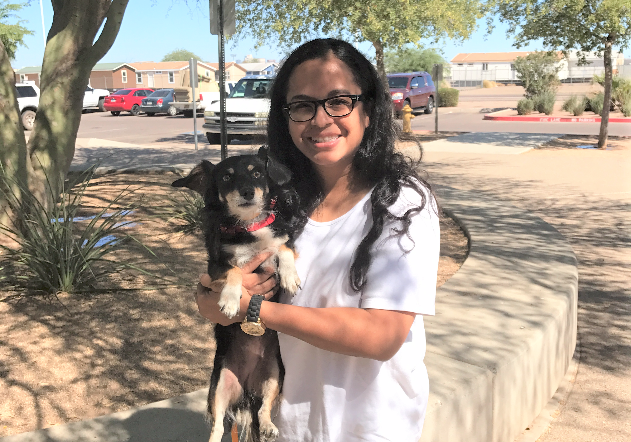
For 13 years, Carolina and her family maintained a stable residence in Phoenix, Arizona. This stability collapsed when they received a mandatory 30-day notice to vacate. Navigating one of the most competitive housing markets in recent state history, Carolina successfully secured a new rental home that accepted companion animals—a significant hurdle in a market dominated by strict no-pet clauses.

However, the cumulative upfront financial burden proved insurmountable. After exhausting her savings to cover first and last month’s rent along with standard moving fees, Carolina was unable to produce the additional non-refundable pet deposit required by her landlord for her family’s five-year-old dog, Maggie.
Facing the immediate prospect of family homelessness if she forfeited the lease, Carolina drove to the local municipal shelter—the very facility where she had joyfully adopted Maggie half a decade earlier—to surrender her. Standing in the lobby, Carolina’s teenage son held the fuzzy black-and-tan dog to his chest, whispering comforting words as they wept.
An embedded counselor from The Arizona Pet Project identified the family’s acute distress in the shelter waiting area. Upon learning that the sole trigger for surrender was a one-time pet deposit, the organization authorized immediate funding to cover the landlord’s deposit. By converting a potential long-term shelter intake into a low-cost financial intervention, Maggie remained with her family, preventing trauma and preserving municipal shelter capacity.
[Housing Crisis / 30-Day Notice]
               │
               ▼
  [Upfront Rental Costs Excluded Pet Deposit]
               │
               ▼
  [Imminent Surrender at Phoenix Shelter] ──► [Intervention: Arizona Pet Project]
                                                           │
                                                           ▼
                                            [Pet Deposit Paid / Family Preserved]
Health Crises and Temporary Incapacity: Laurie’s Story
Medical emergencies frequently precipitate animal surrenders when pet owners face sudden hospitalization or extended physical rehabilitation without a support network.

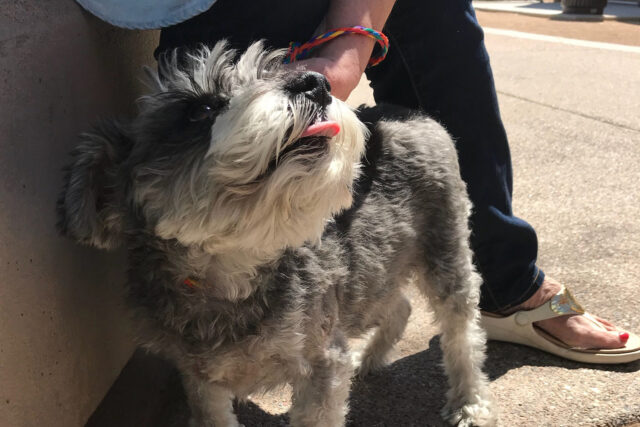
Laurie, a devoted owner to an eight-year-old senior Schnauzer named Pippa, suffered from severe, debilitating back pain that ultimately required urgent surgical intervention. Confronted with a recovery timeline spanning several months of restricted mobility and intensive rehabilitation, Laurie recognized she would be physically unable to provide daily care, walks, and maintenance for Pippa.
Lacking immediate family assistance, Laurie made the distressing decision to surrender Pippa to a Phoenix-area shelter. As she exited the facility in tears, Daniel, a counselor with The Arizona Pet Project, intervened. Recognizing that Laurie’s surrender was driven by temporary physical incapacity rather than a lack of commitment, the organization arranged temporary care, foster coverage, and support services for Pippa throughout Laurie’s surgical recovery, guaranteeing their eventual reunion.
Criminalization of Homelessness and Legal Intersections: Taydra’s Story
Individuals experiencing unsheltered homelessness live in precarious conditions where minor legal infractions—such as criminal trespass or urban camping citations—can lead to short-term incarceration. For pet owners living on the street, arrest often results in the immediate loss or municipal impoundment of their companion animals.
When Taydra, an unhoused resident, faced a six-month court-ordered jail sentence for minor survival-related offenses, she faced the permanent loss of her dog, Whinny. Standard shelter policies cannot accommodate long-term holds for incarcerated individuals, typically putting such animals up for adoption or euthanasia.
The Arizona Pet Project leveraged its network of nonprofit partners and boarding facilities to secure temporary placement for Whinny. Over the course of Taydra’s six-month sentence, Whinny was safely housed and cared for, ensuring that upon her release, Taydra retained her primary emotional anchor and companion as she transitioned back into society.
+-------------------------------------------------------------------------+
|                  SUMMARY OF DIVERSION CASE STUDIES                      |
+-------------------------------------------------------------------------+
| Primary Subject | Triggering Crisis        | Intervention Provided      |
+-----------------+--------------------------+----------------------------+
| Carolina        | Housing relocation &     | Direct payment of landlord |
|                 | pet deposit barrier      | pet deposit fee            |
+-----------------+--------------------------+----------------------------+
| Laurie          | Urgent surgery & long-   | Temporary foster/care      |
|                 | term recovery immobility | during medical rehab       |
+-----------------+--------------------------+----------------------------+
| Taydra          | Incarceration due to     | 6-month specialized        |
|                 | survival-related offense | protective boarding        |
+-----------------+--------------------------+----------------------------+
| Sarah           | Domestic violence        | Temporary off-site dog     |
|                 | shelter conflict         | boarding during transition |
+-----------------+--------------------------+----------------------------+
| Wanda           | Resource deficit for     | Essential puppy supplies,  |
|                 | shelter pup adoption     | crate, and nutrition       |
+-----------------+--------------------------+----------------------------+
Domestic Violence and Emergency Shelter Limitations: Sarah’s Story
The intersection between domestic violence and animal welfare is well-documented: victims frequently delay leaving abusive environments due to fears for their pets’ safety. While specialized facilities like Phoenix’s Sojourner Center offer co-sheltering options for victims and pets, high-stress domestic violence environments can trigger behavioral issues in animals.
Sarah fled an abusive relationship and successfully secured emergency housing at the Sojourner Center with her dog. However, amid the chaotic environment of the shelter, Sarah’s dog was involved in a biting incident with another resident’s animal. Distressed and facing immediate eviction or the surrender of her dog, Sarah contacted The Arizona Pet Project.
The organization stepped in to fund temporary off-site commercial boarding for the dog, removing the immediate safety risk at the shelter while keeping Sarah’s legal rights to her dog intact. This allowed Sarah to complete her domestic violence crisis stabilization and secure permanent, pet-friendly housing without sacrificing her companion.
Proactive Supply Allocation: Wanda’s Story
Shelter diversion strategies also apply to lower-income community members seeking to adopt animals but facing initial capital deficits for basic care infrastructure.
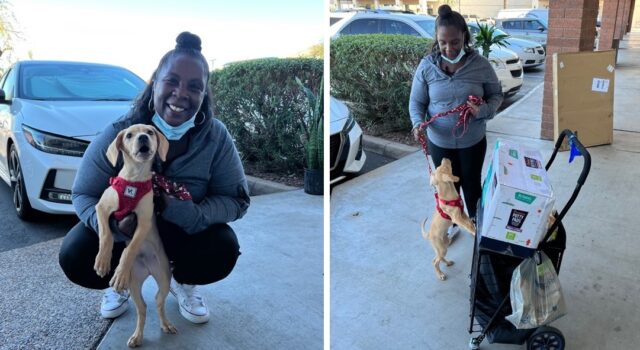
When Wanda adopted a high-energy puppy named Baby from a local shelter, she possessed the home environment and personal dedication required for pet ownership but lacked the disposable capital to purchase baseline setup equipment. Recognizing that early resource deficits lead to behavioral issues and subsequent re-surrender, The Arizona Pet Project provided Wanda with essential supplies, including an appropriately sized crate, house-training pads, and high-nutrition puppy food, stabilizing the adoption from day one.
Supporting Context and Data Metrics: A Historical Paradigm Shift
The operational model executed by The Arizona Pet Project represents a deliberate, data-driven evolution from historic municipal practices in Maricopa County.
The 2001 Baseline vs. Modern Outcomes
At the turn of the century, Maricopa County suffered from one of the highest shelter euthanasia rates in the United States. In 2001, regional shelter intake metrics reflected a critical systemic failure:

- Annual Shelter Intakes (2001): ~105,000 animals (cats and dogs)
- Annual Euthanasia Volume (2001): ~70,000 animals
- Primary Cause: Unchecked animal reproduction and a purely reactive shelter model focused on impoundment.
Formed initially in 2001 as Friends of Animal Care & Control Maricopa County, the organization initially focused on controlling overpopulation at the source. By launching aggressive, free spay and neuter clinics targeted at high-intake zip codes, the agency helped dramatically alter regional animal intake statistics.
HISTORICAL ANNUAL SHELTER INTAKE & EUTHANASIA (MARICOPA COUNTY)

120,000 ┌─────────────────────────────────────────────────────────┐
        │ ■ Annual Intake   ░ Annual Euthanasia                   │
100,000 │ ▒▒▒▒▒▒▒▒▒▒▒▒                                            │
        │ ▒▒▒▒▒▒▒▒▒▒▒▒                                            │
 80,000 │ ▒▒▒▒▒▒▒▒▒▒▒▒                                            │
        │ ▒▒▒▒▒▒▒▒▒▒▒▒ ░░░░░░░░░░░░                               │
 60,000 │ ▒▒▒▒▒▒▒▒▒▒▒▒ ░░░░░░░░░░░░                               │
        │ ▒▒▒▒▒▒▒▒▒▒▒▒ ░░░░░░░░░░░░                               │
 40,000 │ ▒▒▒▒▒▒▒▒▒▒▒▒ ░░░░░░░░░░░░  ▒▒▒▒▒▒▒▒▒▒▒▒                 │
        │ ▒▒▒▒▒▒▒▒▒▒▒▒ ░░░░░░░░░░░░  ▒▒▒▒▒▒▒▒▒▒▒▒                 │
 20,000 │ ▒▒▒▒▒▒▒▒▒▒▒▒ ░░░░░░░░░░░░  ▒▒▒▒▒▒▒▒▒▒▒▒ ░░░░░░░░░░░░    │
        │ ▒▒▒▒▒▒▒▒▒▒▒▒ ░░░░░░░░░░░░  ▒▒▒▒▒▒▒▒▒▒▒▒ ░░░░░░░░░░░░    │
      0 └─────────────────────────────────────────────────────────┘
                    Year 2001                  Modern Baseline
                 (Pre-Prevention)            (Post-Intervention)
As population-level control stabilized, total annual shelter intakes dropped below 50,000, while annual euthanasia figures fell under 9,000.
The Evolution to Human-Centric Intervention
With overpopulation mitigated through clinical measures, analysis indicated that modern intake volumes were driven primarily by structural human crises rather than unwanted litters. The organization rebranded as The Arizona Pet Project, shifting its operational paradigm toward shelter diversion and family preservation.
The financial rationale for shelter prevention is compelling:

- Cost of Municipal Shelter Intake: Housing, feeding, vaccinating, and processing an animal through a municipal shelter system costs taxpayers hundreds of dollars per animal, with costs compounding if the animal requires medical or behavioral care or extended stays.
- Cost of Targeted Intervention: Micro-grants for pet deposits, emergency temporary boarding, or basic medical assistance often cost significantly less per animal while freeing up shelter beds for truly stray, neglected, or abused animals.
Official Statements and Program Impact Mechanisms
The success of shelter prevention programs relies on embedded social services, strategic cross-sector partnerships, and targeted financial deployment.
Structural Mechanics of the Model
The Arizona Pet Project positions trained crisis counselors directly within high-volume municipal intake lobbies. This strategic placement allows counselors to intercept pet owners before legal surrender documents are executed.
+--------------------------------------------------------------------------+
|                  ARIZONA PET PROJECT OPERATIONAL MODEL                   |
+--------------------------------------------------------------------------+
|  1. INTAKE INTERCEPTION   | Stationed counselors engage distressed       |
|                           | owners in shelter waiting rooms.             |
+---------------------------+----------------------------------------------+
|  2. ROOT-CAUSE ASSESSMENT | Identify underlying drivers (e.g., housing,  |
|                           | medical, legal, financial deficits).         |
+---------------------------+----------------------------------------------+
|  3. RESOURCE DEPLOYMENT   | Direct financial grants (rent/deposits),     |
|                           | temporary boarding, or veterinary care.      |
+---------------------------+----------------------------------------------+
|  4. CROSS-AGENCY LINKAGE  | Connect owners with human social services,   |
|                           | domestic shelters, and healthcare networks.  |
+---------------------------+----------------------------------------------+
Strategic Partnerships
To maintain a comprehensive intervention safety net, the organization collaborates with human-service organizations throughout Arizona:
- Housing & Homelessness Advocacy Groups: Coordinating with landlords and housing specialists to ensure pet compliance and clear deposit barriers.
- Domestic Violence Facilities: Partnering with agencies such as the Sojourner Center to provide rapid-response boarding when crisis shelters hit capacity or encounter animal behavioral friction.
- Legal and Corrective Systems: Working alongside social workers to provide temporary care for pets of individuals undergoing short-term diversion or court-mandated custody.
- Veterinary Medical Networks: Securing subsidized rate agreements with emergency veterinary clinics to handle acute care emergencies that would otherwise result in economic euthanasia.
Funding for these programs relies on a blend of competitive private grants, community foundations, corporate sponsorships, and individual donations, operating entirely within its 501(c)(3) non-profit structure.
Future Outlook and Strategic Recommendations
The model refined by The Arizona Pet Project offers a scalable template for national animal welfare reform. As housing affordability crises and cost-of-living adjustments continue to strain working-class families across the United States, municipal shelters can no longer rely on traditional adoption pipelines to manage high intake rates.
Policy Recommendations for Municipalities
- Legislative Reform on Rental Pet Fees: Municipalities and state legislatures should consider capping non-refundable pet deposits and eliminating monthly "pet rent" surcharges, which disproportionately push low-income families toward shelter surrender.
- Integration of Animal Welfare in Human Social Services: Cities should fund embedded pet counselors within municipal housing authorities, domestic violence crisis centers, and public health agencies to address pet care needs early in a human crisis.
- Expansion of Pet-Inclusive Emergency Shelters: Federal and state housing grants should prioritize funding for domestic violence and homeless shelters that build dedicated co-sheltering infrastructure or partner with commercial boarding services.
National Resources for Pet Owners in Crisis
For pet owners residing outside the operational jurisdiction of The Arizona Pet Project who are facing housing instability, medical emergencies, or financial strain, national support frameworks offer regional assistance directories:
- Humane Society of the United States (HSUS): Maintains a nationwide, state-by-state index of financial assistance programs, pet food pantries, and low-cost veterinary providers.
- The Petco Love Foundation & RedRover: Provide emergency micro-grants for veterinary crises and domestic violence relocation assistance.
- RedRover Relief: Offers financial assistance and resources for pet owners escaping domestic abuse or experiencing urgent veterinary emergencies.
By shifting society’s view of animal welfare from managing unwanted pets to supporting the families who love them, communities can protect the human-animal bond, conserve public resources, and build more resilient safety nets for humans and pets alike.