
Executive Overview
For decades, the domestic cat (Felis catus) has been widely misunderstood as a solitary, aloof, and largely autonomous creature that requires very little active engagement from its human companions. However, modern feline behavioral science and veterinary ethology paint a vastly different picture. Far from being indifferent roommates, cats are deeply sensitive animals whose emotional well-being is intricately tied to their environment, daily routines, and the micro-interactions they share with their human caretakers.
A cat does not require an elaborate gift, a high-tech gadget, or constant overstimulation to thrive. Instead, true feline happiness is forged in the surprisingly ordinary moments of daily life: a familiar morning greeting, a preferred window ledge, a predictable feeding schedule, and a human companion who understands when to offer affection and when to gracefully step back. Because a cat’s world is shaped fundamentally by territory, scent, routine, safety, and the ability to express natural predatory behaviors, small, intentional choices made throughout the day can profoundly impact their sense of security and control.
This comprehensive report examines the nuanced ways cat owners can optimize their pets’ domestic environments. By bridging the gap between wild ancestral instincts and modern indoor living, we explore the essential pillars of feline enrichment—ranging from bodily autonomy and vertical territory to scent communication and psychological puzzle-solving—ultimately demonstrating how minor adjustments to human behavior can dramatically enhance a cat’s quality of life.
Detailed Chronology: Understanding the Evolution of the Human-Feline Bond
To truly appreciate what makes a cat feel content in a modern home, one must understand the unique historical trajectory of feline domestication. Unlike dogs, which were domesticated tens of thousands of years ago as pack animals and working partners, cats essentially domesticated themselves.
The Self-Domestication Era
Roughly 10,000 to 12,000 years ago, during the advent of agriculture in the Fertile Crescent, wild African cats (Felis lybica) began gravitating toward human settlements. These human-made agricultural hubs attracted vast populations of rodents, providing an abundant, easy food source for the agile predators. Humans quickly realized the immense value of these rodent-hunters, and a mutualistic relationship was formed.
However, unlike dogs, cats retained nearly all of their solitary hunting instincts, physical independence, and territorial wiring. They entered human spaces on their own terms. This evolutionary history explains why modern domestic cats still view their environments through a lens of resource control, territory management, and predator-prey dynamics.
The Shift to Indoor Living
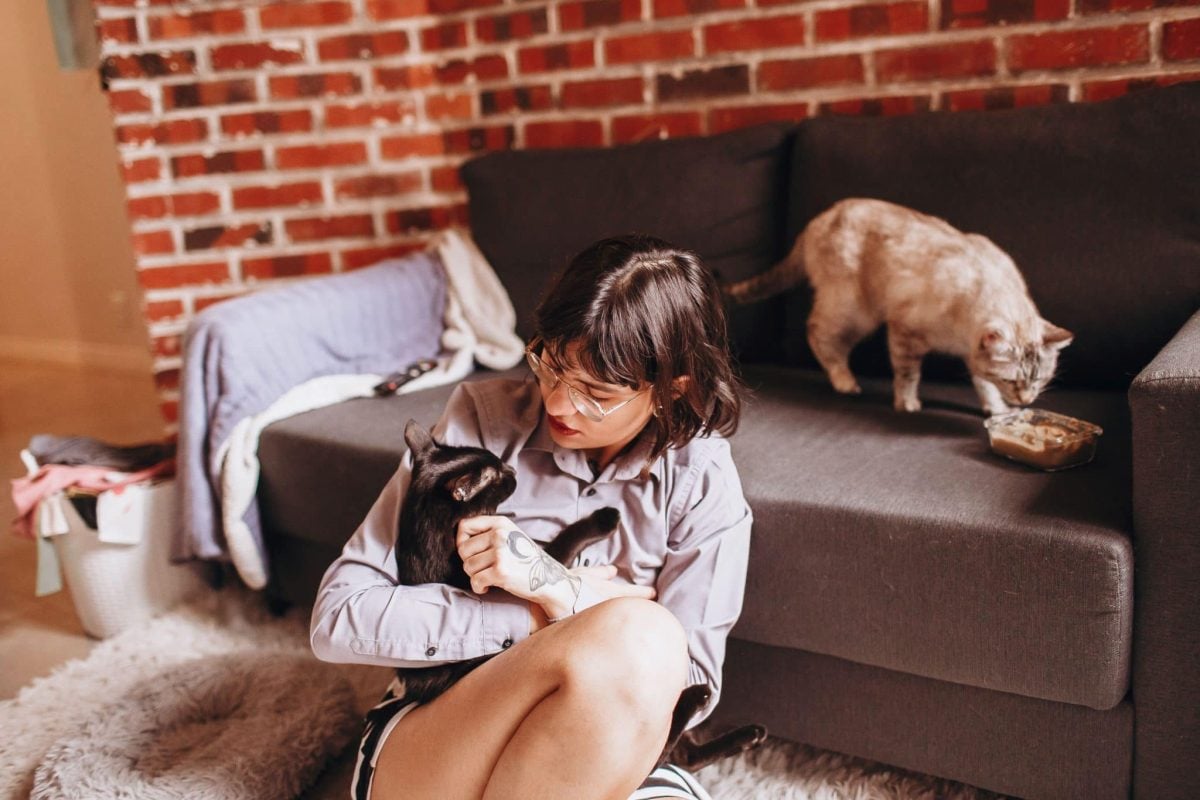
In the latter half of the 20th century, a significant cultural shift occurred. For the safety of the animals—protecting them from vehicular traffic, infectious diseases, predators, and toxins—veterinary medicine and animal welfare organizations strongly advocated for keeping cats strictly indoors. While this dramatically increased feline lifespans, it also introduced a new set of psychological challenges.
Confining a high-drive predator to the four walls of a human home meant that cats were suddenly stripped of their natural outlets for hunting, territorial expansion, and environmental control. Consequently, behavioral scientists, feline behaviorists, and observant pet owners began developing sophisticated enrichment strategies. Over the past few decades, our understanding has evolved from merely providing food, water, and shelter to recognizing the profound importance of mental stimulation, behavioral expression, and emotional autonomy. Today, providing a happy home life for a cat is recognized as a delicate science requiring deep respect for feline ethology.
Supporting Context & Metrics: The Pillars of Feline Well-Being
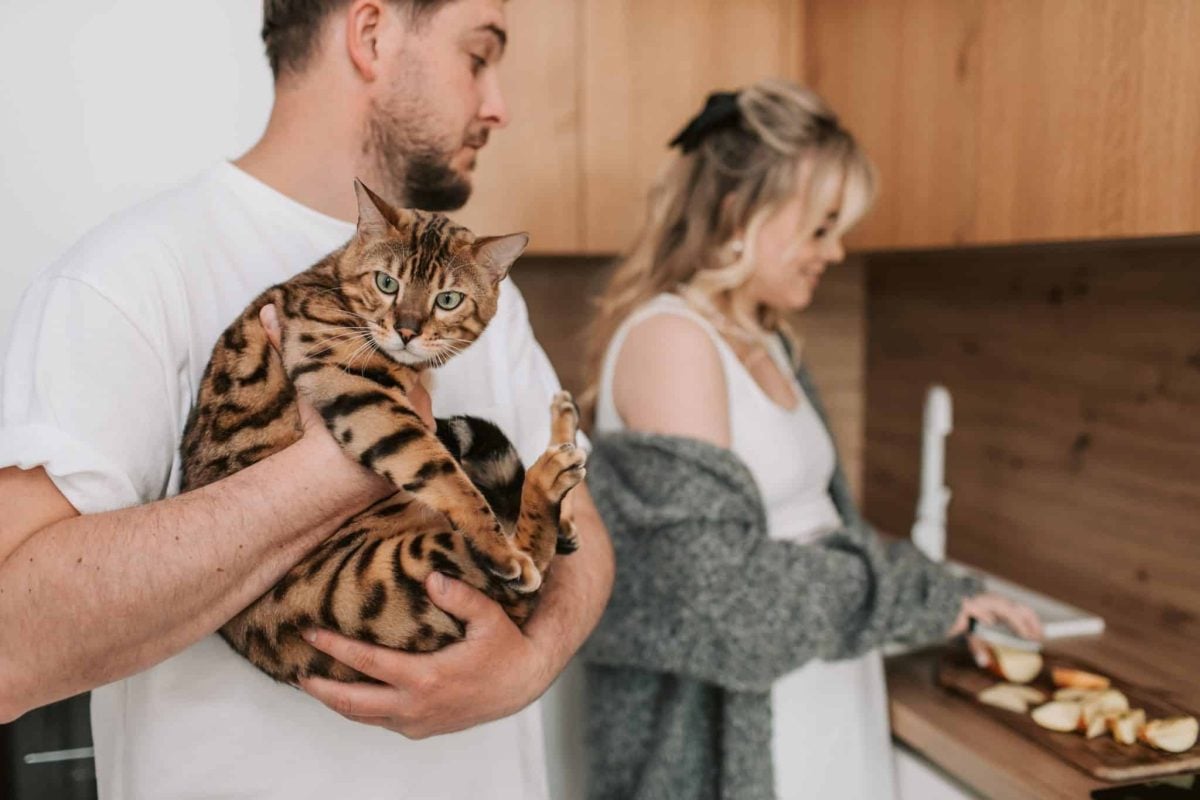
Creating a sanctuary for an indoor cat requires a granular understanding of their sensory world. Cats perceive their surroundings differently than humans do, relying heavily on acute hearing, extraordinary scent-tracking capabilities, and a visual field optimized for motion detection. Below are the core pillars that support feline contentment in the domestic sphere.
1. Granting Bodily Autonomy and Respecting Boundaries
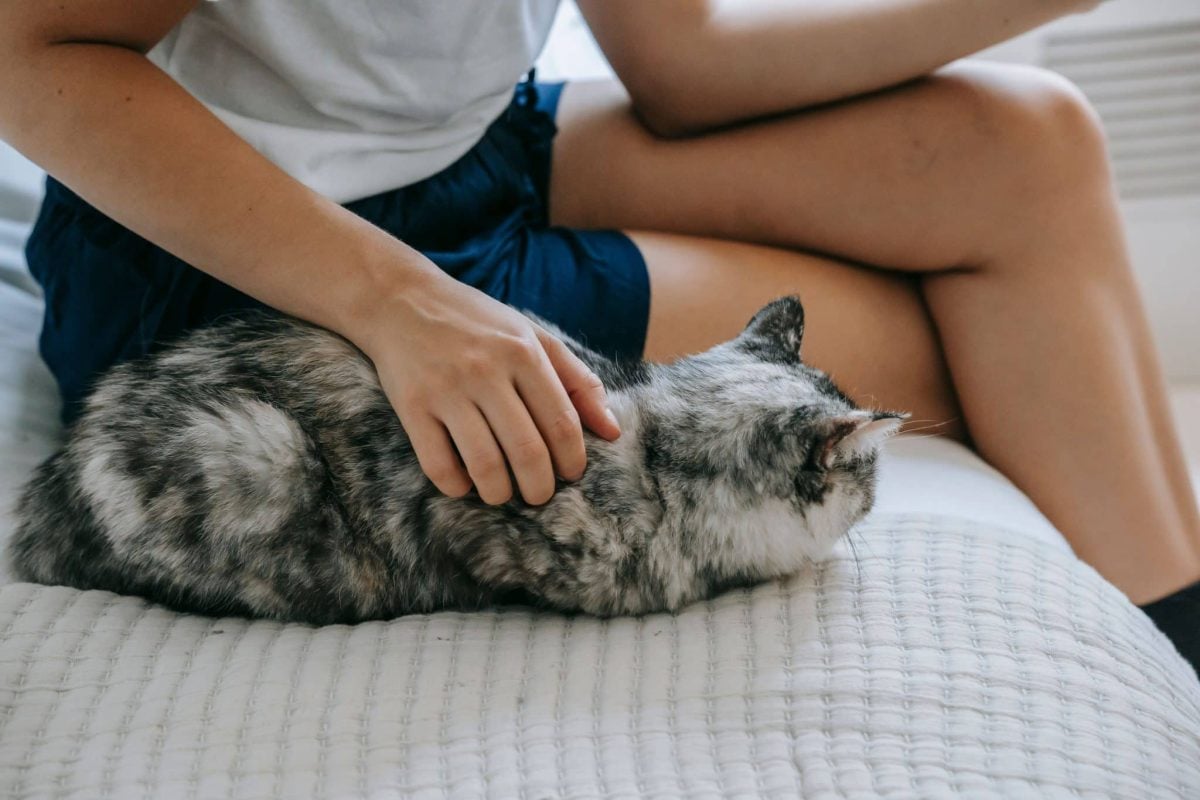
One of the most transformative shifts in modern cat care is the emphasis on consent. Giving a cat absolute control over physical contact makes affection significantly more enjoyable for both parties.
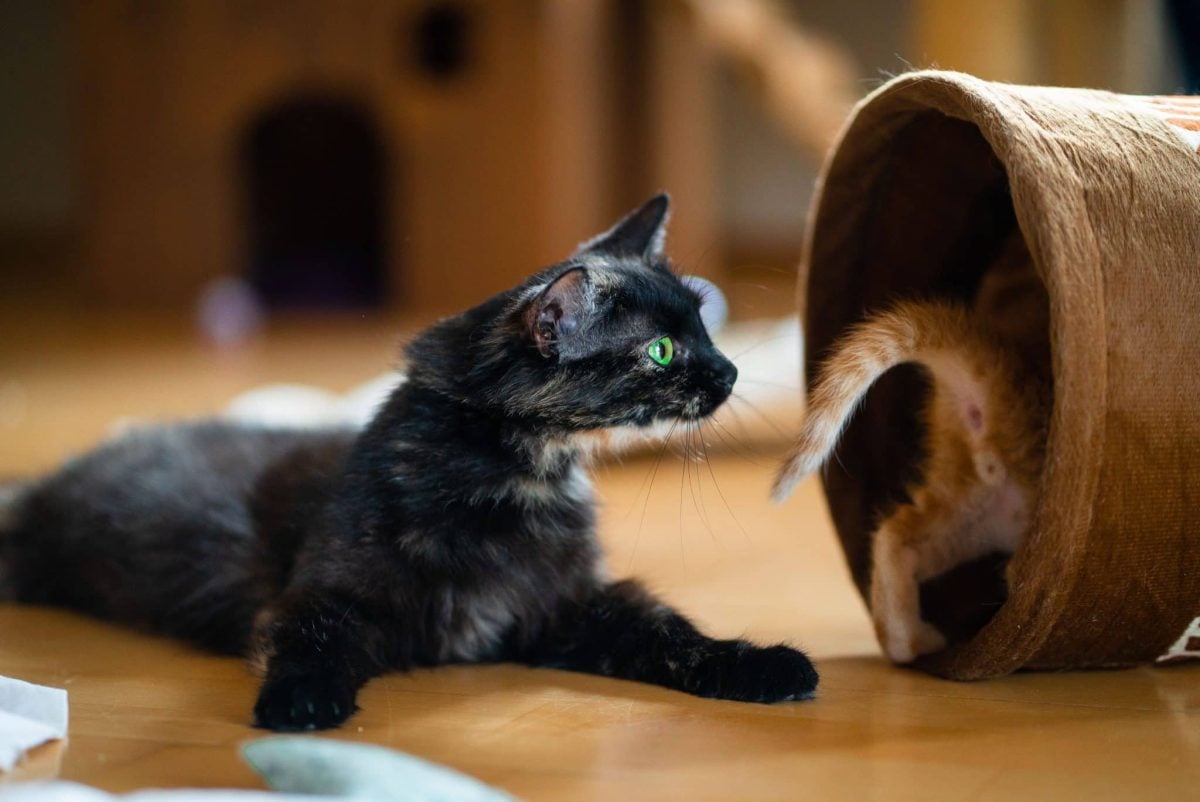
- The Problem with Forced Cuddling: Picking up a cat whenever they look cute or holding them long past their comfort threshold often triggers stress responses. Many cats prefer brief, highly predictable interactions.
- Reading Feline Body Language: A relaxed posture, soft eyes, forward or neutral ears, and gentle purring indicate that physical contact is welcome. Conversely, a twitching tail, flattened ears, a tense body, or a sudden attempt to escape signal that playtime or petting must cease immediately.
- Building Trust: When a cat learns that approaching a human does not result in a loss of bodily control, their confidence and willingness to seek out affection naturally increase.
2. The Power of Routine and Predictability
Cats are creatures of habit. Because their wild ancestors relied on predictable territories and hunting grounds to survive, modern house cats find immense comfort in consistency.
- Resource Stability: Keeping major daily events—such as mealtimes, bedtime routines, and interactive play periods—reasonably consistent helps a cat anticipate their environment.
- Mitigating Environmental Stress: Sudden disruptions in a household can trigger anxiety-based behaviors, inappropriate elimination, or over-grooming. A dependable daily rhythm provides a stable anchor in an otherwise unpredictable human world.
3. Transforming Playtime into True Predatory Sequences
Indoor cats often suffer from under-stimulation because their food is served effortlessly in a bowl. To combat this, play must replicate the natural hunting cycle: Stalk $rightarrow$ Chase $rightarrow$ Pounce $rightarrow$ Catch $rightarrow$ Kill $rightarrow$ Eat.
- Prey-Like Movement: Waving a wand toy mindlessly yields little interest. Instead, moving the toy around corners, pausing behind furniture, and darting across the floor mimics real prey.
- The Importance of the "Catch": Endless unsuccessful chases cause psychological frustration. Allowing the cat to successfully capture the toy at the end of a session brings psychological closure to the hunting sequence.
4. Maximizing Vertical Territory
Floor space is only half of a cat’s domain; vertical space is equally critical.
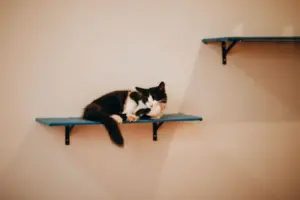
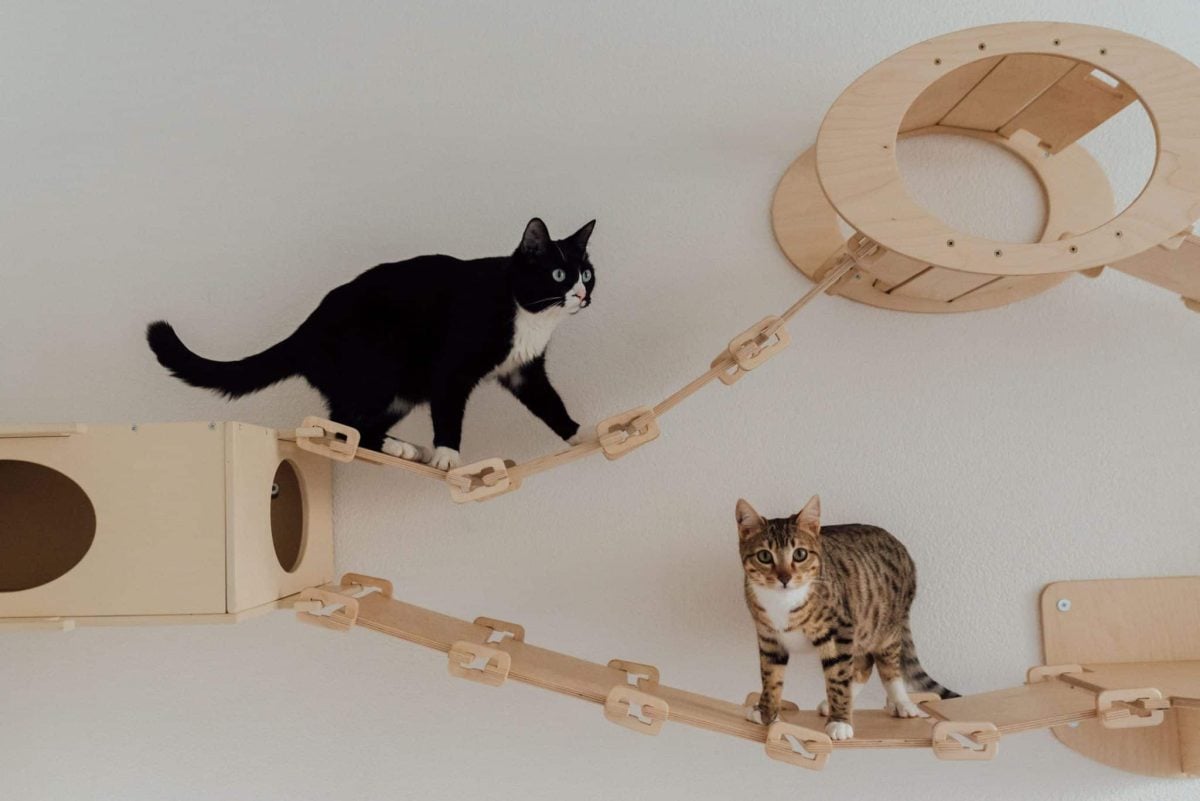
- The Psychology of Height: Elevated perches, cat trees, secure shelving, and top-of-fridge vantage points allow cats to observe household activities from a safe, secure distance without feeling pressured to participate.
- Multi-Pet Dynamics: In homes with multiple pets or bustling human activity, vertical real estate offers crucial refuge, allowing a stressed cat to rise above perceived threats and regain a sense of territorial control.
5. Leveraging Scent and Environmental Familiarity
While humans navigate the world primarily through sight, cats navigate largely through scent.
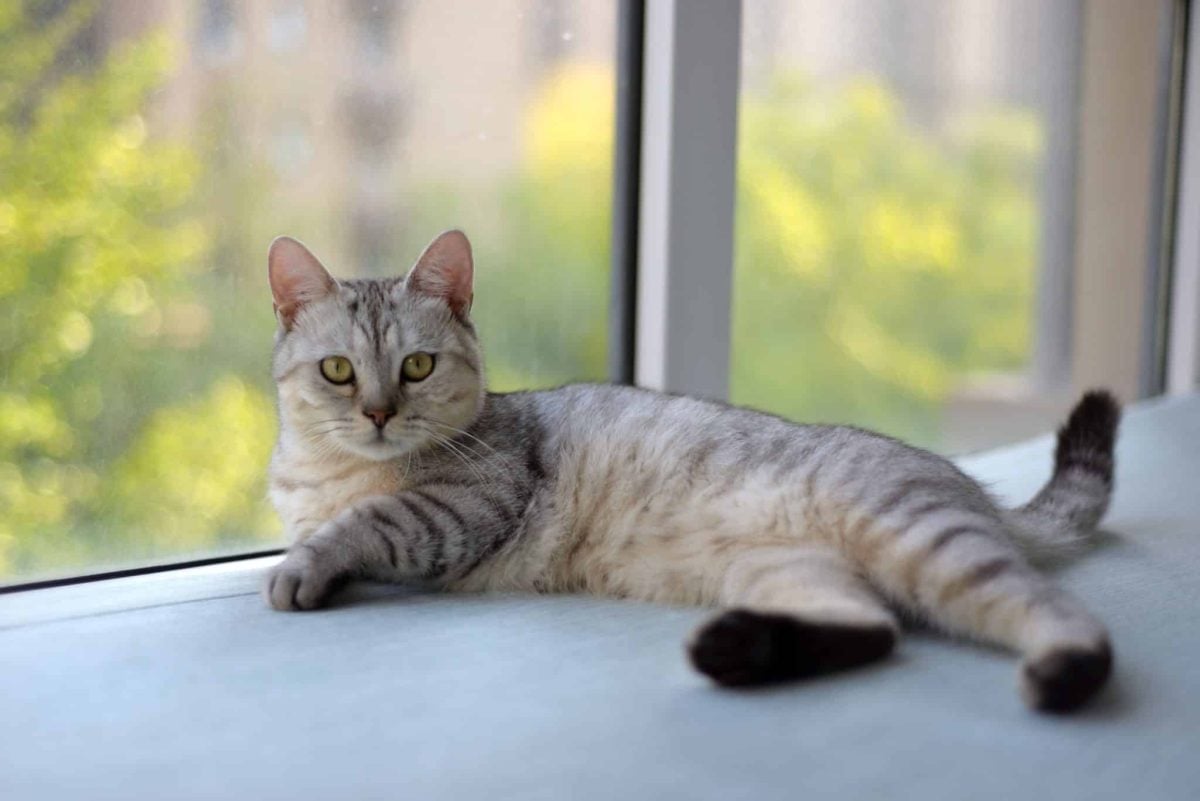
- Pheromonal Security: Cats possess scent glands on their cheeks, paws, and flanks. When they rub against furniture or scratch designated posts, they deposit chemical signals that mark an area as safe and familiar.
- The Danger of Over-Cleaning: Washing all bedding, blankets, and scratching surfaces simultaneously strips away these vital comforting cues. Preserving familiar-smelling items helps cats navigate household changes with greater confidence.
6. Vocal Communication and Safe Hideaways
- Familiar Voices: While cats do not decode human vocabulary the same way humans do, they master familiar tones, verbal patterns, and associations. Using a calm, gentle voice helps reinforce a sense of safety.
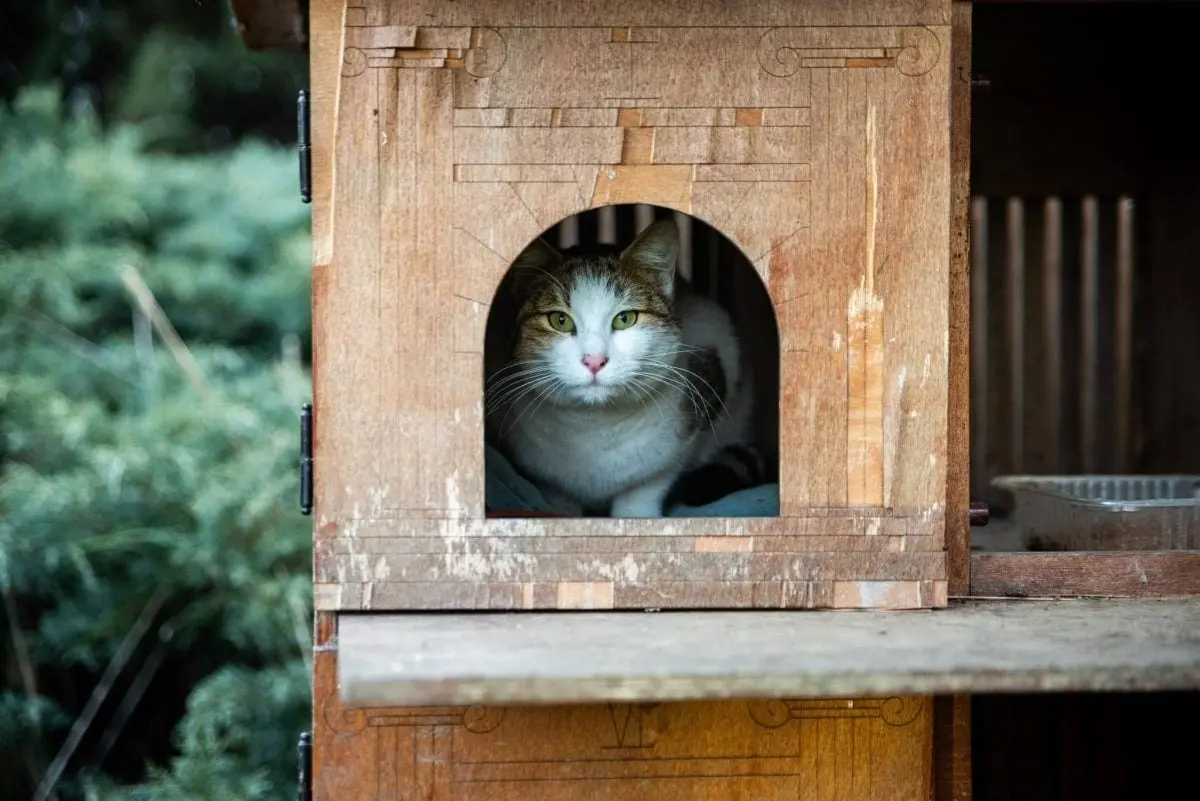
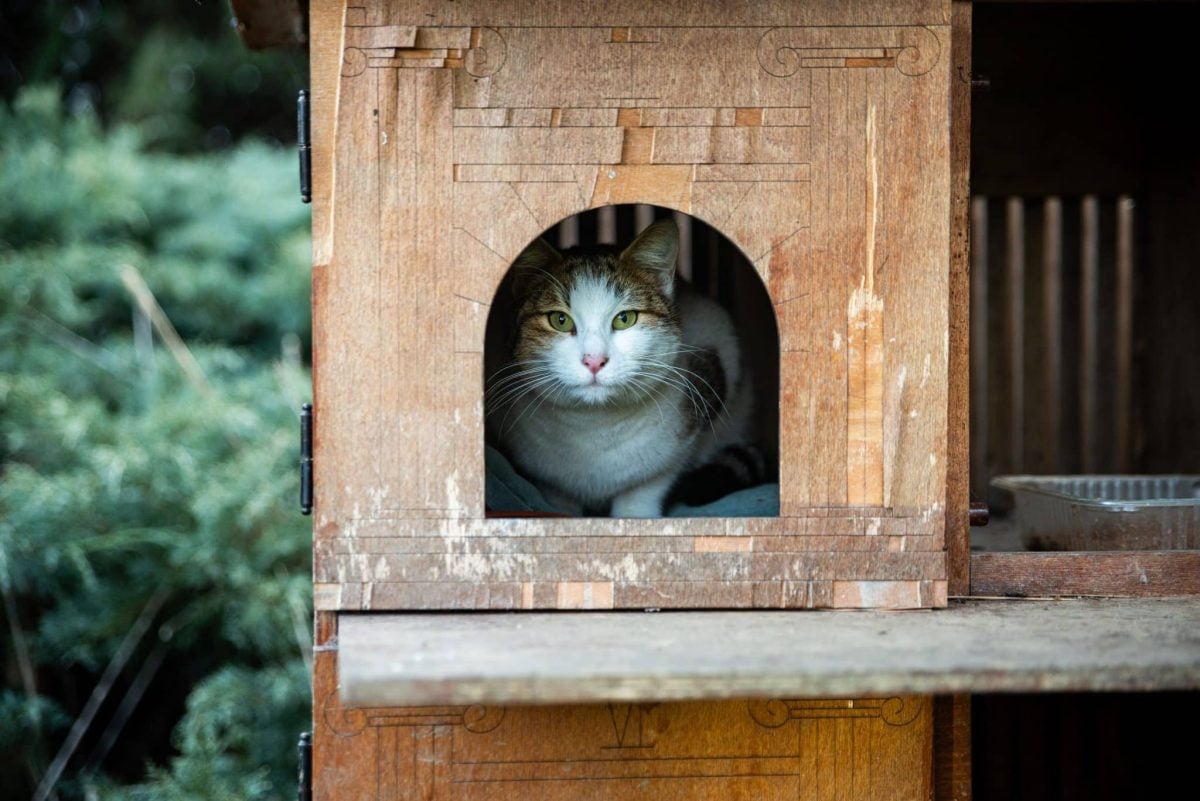
- The Necessity of Hiding Spots: A covered bed, a simple cardboard box, or a quiet corner provides an essential escape hatch when a cat feels overwhelmed by guests, loud noises, or family activity. Respecting these retreats ensures the cat always retains a sense of agency.
7. Foraging and Mental Stimulation via Puzzle Feeders
- Work-to-Eat Philosophy: Puzzle feeders, treat balls, and snuffle mats challenge a cat’s problem-solving capabilities, turning mealtime into a mental workout that satisfies innate foraging instincts.
Official Statements & Expert Perspectives
Leading feline veterinarians, behaviorists, and animal welfare organizations universally emphasize that environmental enrichment is no longer an optional luxury—it is a medical and psychological necessity for domestic cats.
Dr. Karen Overall, a prominent veterinary behaviorist, notes:
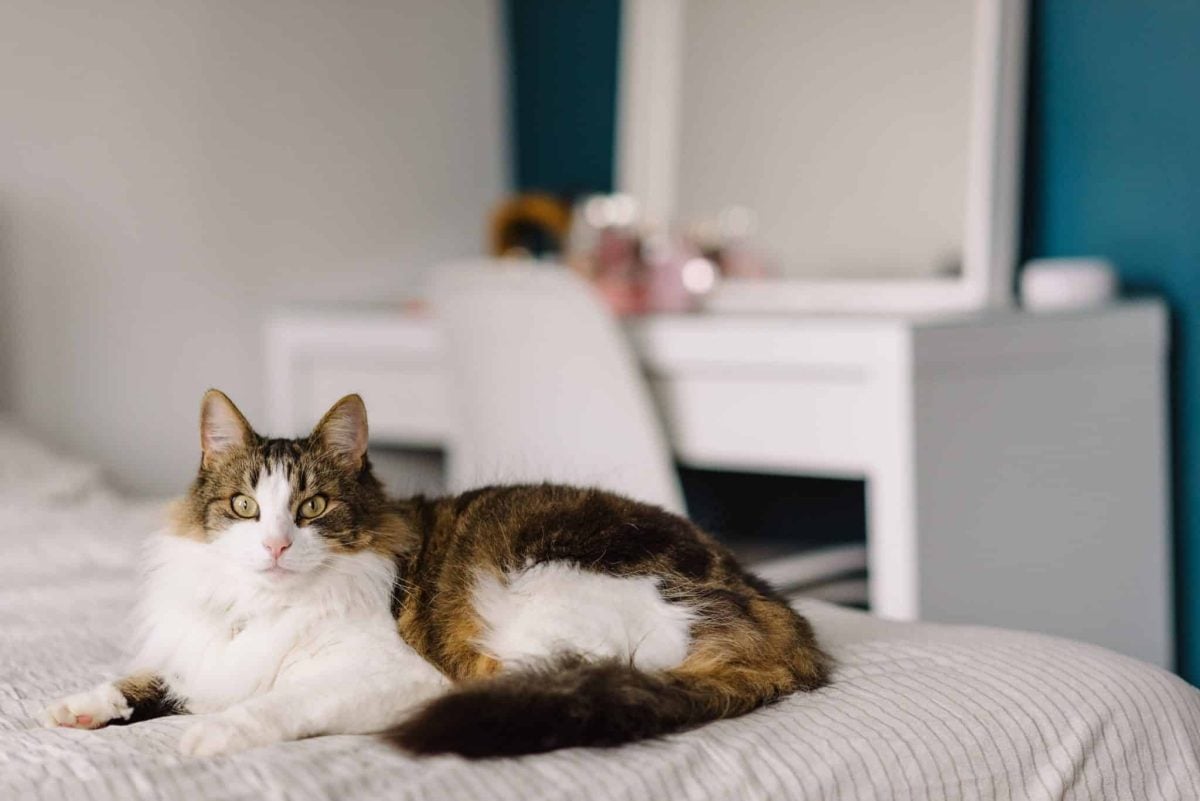
"Animals experience chronic psychological stress when their fundamental behavioral needs are chronically thwarted. For cats, these needs include active foraging, territorial control, and predictability. When we design indoor spaces that honor these biological drives, we see a dramatic reduction in stress-related medical conditions, such as feline idiopathic cystitis and behavioral aggression."
The American Association of Feline Practitioners (AAFP) outlines environmental needs through its comprehensive Feline Environmental Needs Guidelines, stressing that providing predictable routines, vertical territory, scent-marking opportunities, and human interaction based on consent are foundational pillars of veterinary preventative medicine.
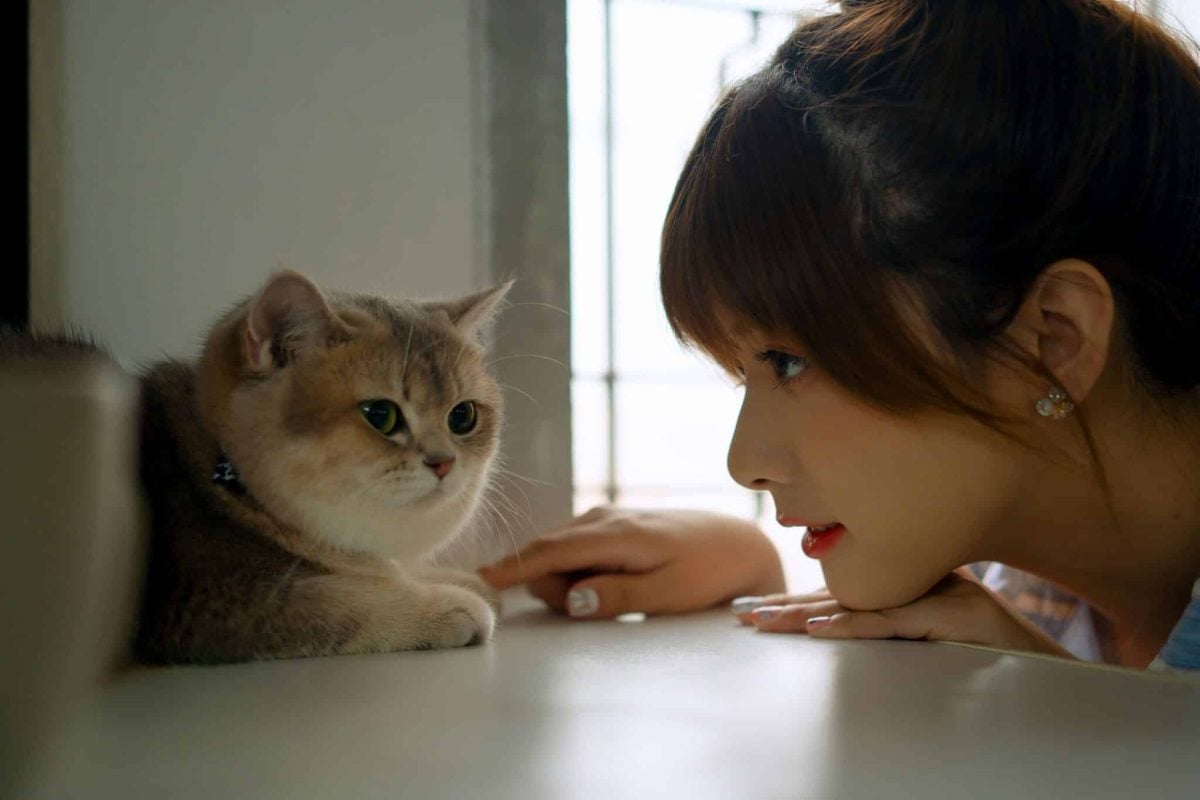
Furthermore, ethologists emphasize that the modern indoor cat thrives best when given "environmental agency"—the ability to make choices within their home environment. Whether choosing to hide in a box, watch birds from a sunlit window perch, or walk away from an unwanted cuddle session, giving cats the power of choice is the ultimate key to unlocking a content, well-adjusted feline companion.
Future Outlook: The Next Horizon in Feline Enrichment
As our understanding of animal cognition and welfare continues to advance, the landscape of feline care is undergoing a rapid transformation. Looking ahead, several emerging trends and research directions are poised to redefine how we keep our feline companions happy and healthy:
- Advanced Smart Enrichment: The pet tech industry is beginning to engineer sophisticated, app-controlled puzzle feeders and automated prey-simulation toys that adapt to a cat’s specific play style, ensuring optimal cognitive challenge without human intervention.
- Architecture Tailored to Felines: Modern interior design is increasingly incorporating "catification"—the seamless integration of architectural feline highways, hidden litter enclosures, and integrated vertical perches into mainstream home architecture, proving that human aesthetic appeal and feline needs can coexist harmoniously.
- Personalized Behavioral Medicine: Veterinary medicine is moving toward individualized enrichment programs. By analyzing a cat’s genetic background, temperament, and historical stressors, veterinary behaviorists can prescribe customized environmental enrichment protocols tailored to prevent anxiety and promote longevity.
- Greater Public Awareness: Educational initiatives spearheaded by rescue organizations, veterinary clinics, and digital media platforms are systematically dismantling outdated myths about cats being low-maintenance or emotionally detached pets. As pet owners become more educated, the standard of care for indoor cats continues to rise globally.
Ultimately, the secret to a happy cat does not lie in extravagant purchases or complex training regimens. It resides in the quiet, everyday empathy of the human caregiver—the choice to respect a boundary, preserve a scent, maintain a steady routine, and view the world through the sensitive, perceptive eyes of a feline friend. By honoring these small details, we transform our houses into true homes for the animals who share our lives.