
In an era defined by unprecedented restrictions on global mobility and the widespread suspension of recreational transit, specialty travel communities are being forced to adapt. For years, the prevailing narrative of the pet travel sector focused on logistical expansion, cross-country relocation, and the meticulous optimization of in-cabin animal transit policies. However, the onset of the global pandemic abruptly halted these migratory trends, stranding travelers and their companion animals in place.
This report examines the operational return of Dog Jaunt, a prominent digital resource and community hub for pet-inclusive travel, spearheaded by its founder and her well-traveled canine companion, Chloe. Following an extended hiatus driven by rigorous family relocations from various parts of the United States to the Pacific Northwest, the platform is officially reactivating its channels. While current public health imperatives preclude immediate travel, the platform’s revival underscores a broader psychological and communal necessity: maintaining connectivity, preserving institutional knowledge regarding pet travel logistics, and fostering resilience among animal owners during a period of enforced domesticity.
Through a comprehensive examination of updated airline policy matrices, archival cross-country transit retrospectives, and community engagement initiatives, this piece analyzes how niche travel advocacy groups are pivoting from active transit facilitation to community-driven endurance and resource curation.
Detailed Chronology: From Family Relocations to Pandemic-Era Pauses
To understand the current state of Dog Jaunt and its community—affectionately dubbed "Dog Jaunt Nation"—one must examine the multi-year logistical undertaking that preceded the platform’s temporary dormancy.
The Relocation Era (2017–2019)
For the better part of three years, the platform’s operations took a backseat to a massive, multi-stage family relocation project. The objective was clear yet operationally complex: relocate aging family members from their respective, long-term residences across the country to the Seattle, Washington metropolitan area.
This endeavor required navigating the intricate logistics of long-distance transit, coordinated housing transitions, and the physical oversight of multiple cross-country road journeys. During this period, digital output from the blog slowed significantly as the founder focused entirely on ensuring the comfort, safety, and seamless integration of both her in-laws and her own parents into the Pacific Northwest.
The Road Less Traveled: Route 66 and Beyond
Amidst the grueling moving schedule, extensive vehicular travel became a familiar routine. Utilizing nearly all major east-west highway corridors across the United States, the transit legs served as both functional relocations and unexpected opportunities for geographic exploration alongside Chloe.
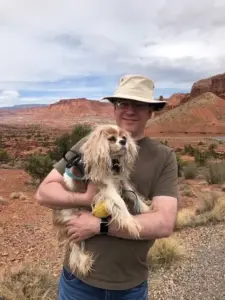
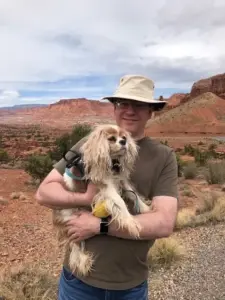
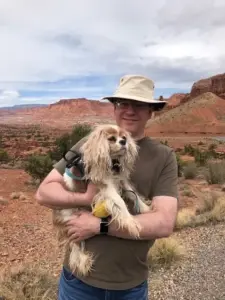
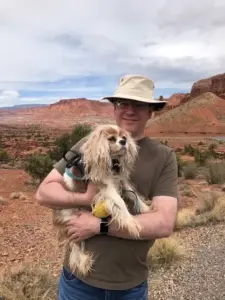
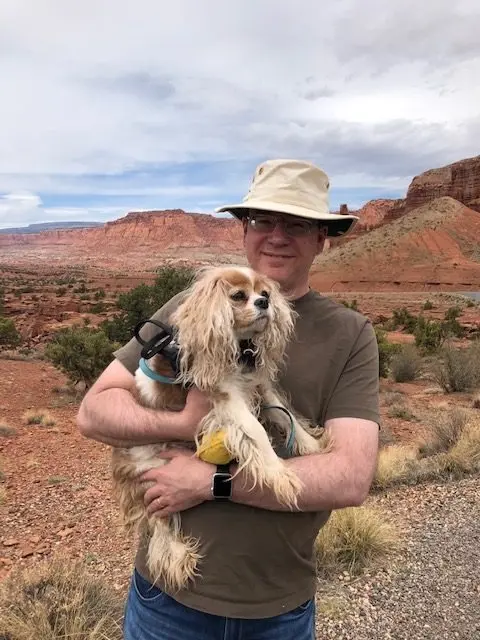
On one of the final major cross-country transits, the travel strategy shifted away from traditional itineraries. Rather than adhering strictly to historic Route 66 through Gallup, New Mexico, the route diverted north toward Moab, Utah, offering a masterclass in American scenic diversity. Stops included Capitol Reef National Park, where the surrounding desert landscape left a distinct physical impression: Chloe’s fur, naturally light in color, acquired a permanent, striking reddish hue from the iron-oxide-rich soils of the region—a picturesque testament to the realities of adventure travel with pets.
The Pandemic Halt (2020)
Just as the final family members settled securely into their new Seattle homes—clearing the operational runway for a return to regular publishing and travel updates—the landscape of global movement shifted dramatically. The emergence of a novel coronavirus introduced sweeping travel restrictions, grounding commercial aviation, closing state and national parks, and confining populations to their residences.
Rather than abandoning the platform entirely, the current moment serves as a pivot point. The focus has transitioned from active on-the-road reporting to digital stewardship, archival updates, and community fortification.
Supporting Context & Metrics: Navigating Pet Travel Policies in Suspended Animation
Even as commercial and recreational travel remains largely paralyzed, the infrastructure governing pet transportation continues to evolve. A core utility of Dog Jaunt has always been its meticulously maintained comparative charts detailing airline regulations for animal companions. During the recent administrative restart, these resources underwent rigorous, up-to-the-minute revisions.
U.S. Airline Pet Policy Matrix
Navigating domestic air travel with an animal companion requires absolute adherence to carrier-specific guidelines, which vary wildly across the commercial aviation sector. Key variables tracked within the updated Dog Jaunt U.S. airline policy database include:
- In-Cabin vs. Cargo Hold Allocations: Strict limitations on the number of animals permitted per flight, sizing constraints for soft- and hard-sided carriers, and the mandatory positioning of carriers beneath the forward seat.
- Breed Restrictions: Ongoing adjustments by major domestic carriers regarding brachycephalic (short-nosed) breeds and specific behavioral stipulations.
- Documentation Requirements: Evolving standards for health certificates, vaccination records, and emerging requirements regarding emotional support versus trained service animals, as well as general pet transport fees.
International In-Cabin Transit Frameworks
For international travel—an arena characterized by even greater regulatory friction—the international airline pet policy chart has similarly been brought current. Key data points monitored within this framework include:
- Destination Country Compliance: Alignment between airline policies and stringent rabies-free status or quarantine mandates enforced by destination nations (e.g., the European Union’s Pet Travel Scheme and the United Kingdom’s specific entry protocols).
- Aircraft-Specific Limitations: Variations in allowable carrier dimensions dictated by the specific aircraft models operated by international flag carriers.
- Transit and Layover Restrictions: Protocols governing animals during international layovers, including whether designated animal relief areas are accessible without re-entering international customs checkpoints.
While these resources are currently being perused "from living room couches" rather than utilized for immediate departures, maintaining their accuracy ensures that community members are fully prepared for the eventual resumption of global mobility.
Official Statements & Community Perspectives
The resurgence of the platform is built fundamentally upon the concept of shared resilience. Recognizing the isolation imposed by lockdown protocols, the founder has issued a call to action for the readership, transforming the blog into an interactive repository of past memories and future aspirations.
The Value of Introverted Community Building
In reflecting on the intangible assets of running a specialized digital publication over the years, the founder noted a striking paradox:
"The thing I valued most about Dog Jaunt — and this is odd, coming from a textbook introvert — was the community we created together. Especially in this anxious time, it’ll be a great source of comfort to be back in touch with Dog Jaunt Nation."
This sentiment underscores a broader sociological trend observed during periods of societal stress: specialized hobbyist and niche communities often serve as vital psychological buffers, offering structured, low-pressure environments for social engagement and mutual support.
Channels of Engagement
To facilitate this reconnection, multiple communication pathways have been re-established:
- Blog Comment Sections: Highlighted as the foundational archive of community dialogue. Unlike transient social media feeds, blog comments create a permanent, searchable historical record of shared travel triumphs, logistical hurdles, and canine anecdotes.
- Direct Electronic Mail: Dedicated channels (
[email protected]) have been opened for readers to submit personal travel logs, photographs, and quarantine updates featuring their own four-legged companions. - Social Media Integration: The Dog Jaunt Facebook page is being reactivated to broadcast updates, though editorial preference remains anchored to the core blog site for long-form narrative preservation.
Future Outlook: Preparing for the Post-Pandemic Journey
As public health projections slowly point toward a future where recreational travel can safely resume, the strategic roadmap for platforms like Dog Jaunt centers on readiness, education, and inspiration.
Anticipated Trends in Pet Travel
Industry analysts suggest that the post-pandemic travel landscape will experience distinct shifts in consumer behavior:
- Rise in Domestic Road Trips: Driven by lingering caution regarding mass transit and commercial aviation, vehicular road travel—exemplified by cross-country journeys through national parks like Capitol Reef and Moab—is expected to surge. Pet owners are increasingly prioritizing road-based vacations where their animals can accompany them without the stress of cargo holds or strict cabin size maximums.
- Increased Regulatory Scrutiny: Airlines and international customs agencies are anticipated to maintain, if not tighten, health and documentation verifications for animal transport. Platforms that aggregate and simplify these complex regulatory changes will hold heightened value for consumers.
- The Psychological Necessity of Pet Companionship: The pandemic has deepened the bond between humans and their pets, with record rates of pet adoption and fostering observed globally. As travel reopens, owners will exhibit lower tolerance for separation from their animals, increasing demand for pet-friendly hotels, dining, and transit options.
Conclusion
The reactivation of Dog Jaunt serves as a case study in digital persistence. By pivoting from active transit documentation to community curation during a global crisis, the platform has preserved its institutional authority while offering its readership a welcome psychological anchor. Whether gazing wistfully at updated airline charts from a living room couch or planning the next cross-country expedition past the red rocks of Utah, Dog Jaunt Nation remains poised for the road ahead—proving that even when the world stands still, the urge to explore alongside our most loyal companions never truly fades.