
Executive Overview
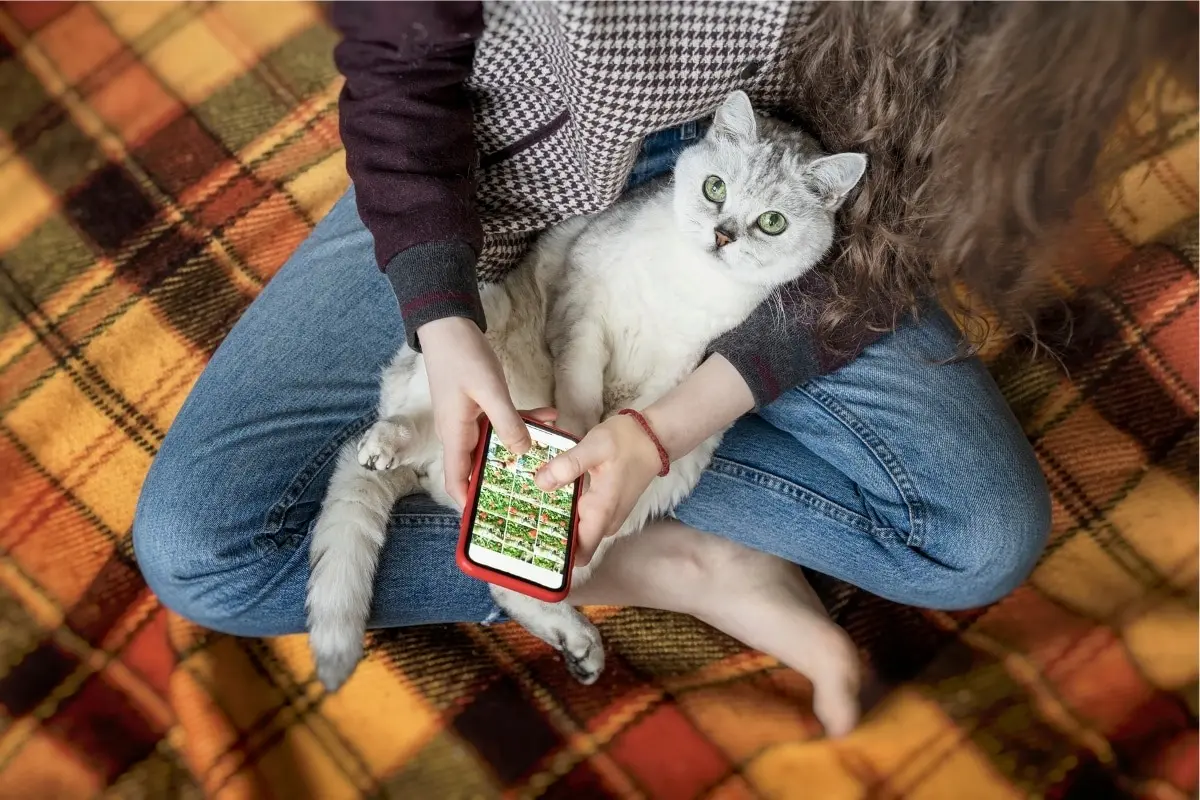
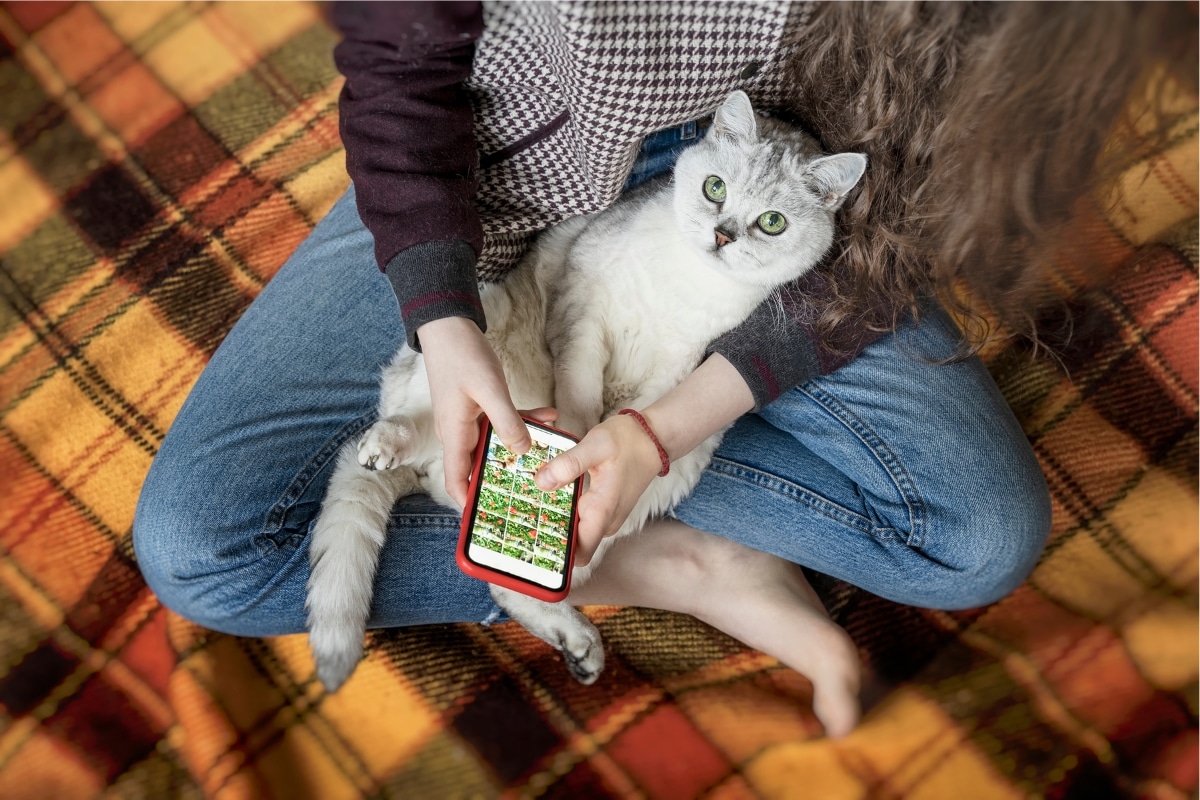
In the modern digital landscape, the glow of the smartphone screen is a constant companion. Yet, for millions of cat owners worldwide, unlocking a device is practically an invitation for a feline intervention. Whether it is a sudden paw swipe that sends a handset clattering to the floor, a strategic sprawl directly across an illuminated keyboard, or an intense round of melodic meowing, domestic cats possess an uncanny knack for interrupting our screen time.
Far from being random mischief, this behavior represents a fascinating convergence of feline social cognition, sensory attraction, and the deep-seated attachment bonds cats form with their human companions. Far beyond human concepts of jealousy, cats interpret the intense stillness and lack of eye contact inherent in phone usage as social disengagement. In response, they deploy a suite of sophisticated attention-seeking tactics.
This investigative report explores the behavioral science, veterinary insights, and psychological underpinnings of why our feline friends wage war against our smartphones—and what these quirky interruptions reveal about our relationships with our pets.
Detailed Chronology of the Digital Interruption Phenomenon
While human technology has evolved at a dizzying pace over the past few decades, domestic cat behavior is deeply rooted in evolutionary biology. To understand why felines target smartphones, we must trace how their responses to human behavior have adapted alongside our increasing reliance on digital devices.
The Evolution from Newspapers to Screens
Decades ago, before smartphones and laptops dominated human attention, animal behaviorists frequently documented cats sitting on newspapers, open books, and crossword puzzles. The motivation was identical: humans were stationary, holding or looking at an object rather than interacting directly with their pets.
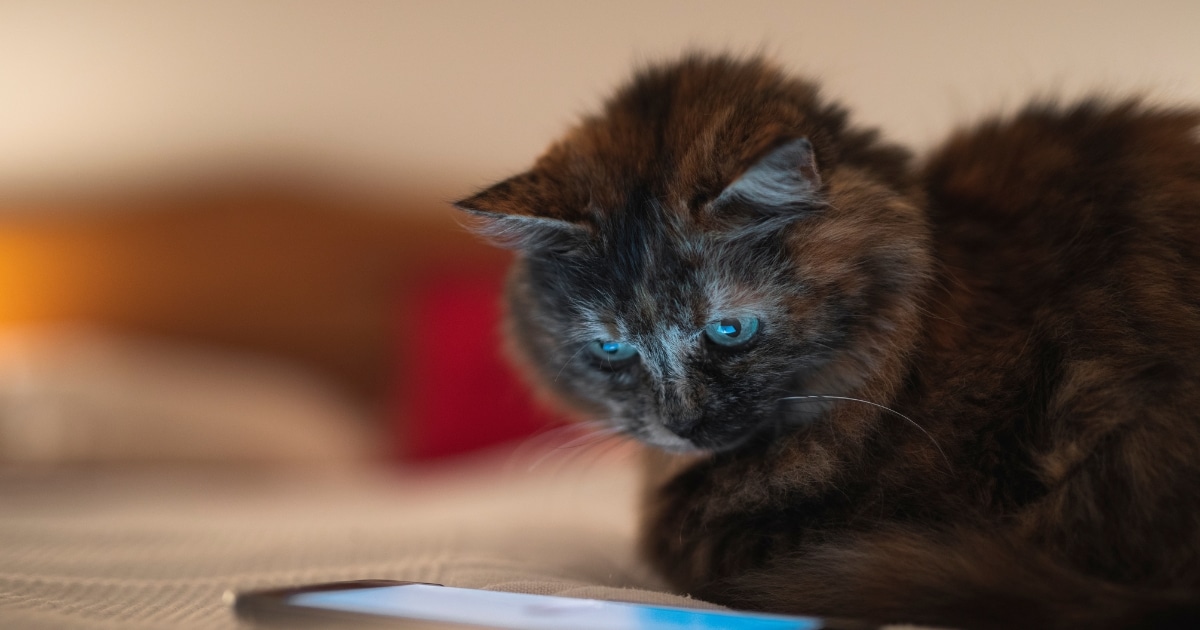
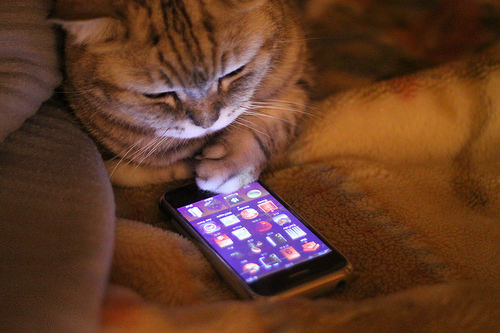
As society transitioned into the digital age, the object of human obsession changed, but the cat’s response remained remarkably consistent. Laptops and smartphones simply became the new "newspapers"—surfaces that demanded human focus while simultaneously offering sensory benefits like warmth and familiar scents.
Recognizing the Shift in Feline Social Dynamics
Recent breakthroughs in feline behavioral research have challenged outdated stereotypes that cats are aloof, solitary animals. Landmark studies, such as research published in Current Biology (Vitale, Behnke, & Udell, 2019), demonstrate that cats form secure and insecure social attachments with their human caregivers much like dogs and human infants do.
When a human glues their eyes to a smartphone, the external physical cues change drastically:
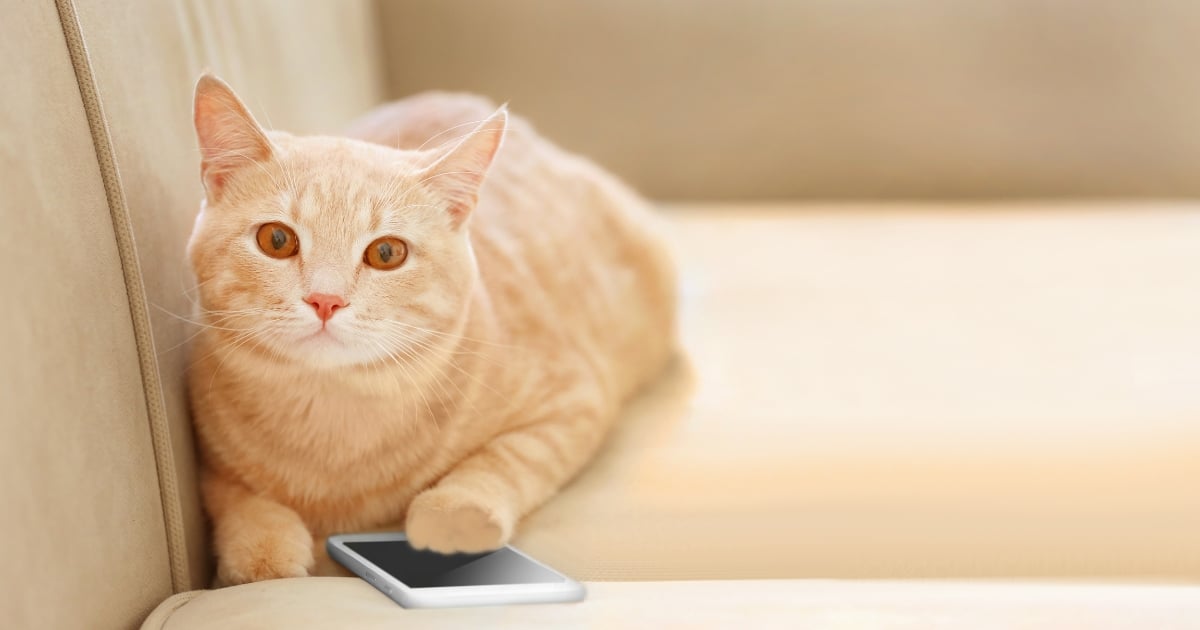
- Postural Stillness: The human body becomes rigid and motionless.
- Loss of Mutual Gaze: Direct, comforting eye contact is broken as the human gazes downward at a 45-degree angle.
- Vocal Silence: Conversation drops off as the user absorbs written or visual media.
To a cat, these synchronized cues signal sudden social withdrawal. Felines, which rely heavily on subtle environmental reading and micro-gestures to navigate social groups, interpret this disengagement as a threat to their bond. Consequently, the cat’s internal motivation shifts immediately from passive rest to active intervention.
Supporting Context & Metrics: The Science of Feline Attention-Seeking
Understanding the mechanics behind smartphone interference requires examining the intersection of feline sensory perception, territorial marking, and psychological conditioning.
1. Sensory Magnetism: Warmth, Scent, and Size
Smartphones are, by their very design, irresistible to cats:
- Thermal Output: Modern smartphones generate considerable internal heat, particularly during browsing, gaming, or charging. Cats have a higher baseline body temperature than humans (averaging around 101.5°F to 102.5°F) and are perpetually on the hunt for warm micro-environments.
- Olfactory Signatures: Phones are handheld objects saturated with human skin oils, sweat, and unique scent profiles. For a cat, sleeping on or near a phone is akin to resting in a nest infused with their favorite person’s aroma.
- Ergonomics: A smartphone matches the paw-and-body dimensions that make it easy to manipulate, bat, or comfortably anchor a chin upon.
2. Object-Interference Tactics
According to guidelines from organizations like International Cat Care, "object-interference" is a classic feline behavioral adaptation designed to redirect human focus. When a cat realizes that interacting directly with a human’s face fails because the screen blocks the line of sight, the cat redirects its strategy toward the object itself.
Common physical tactics include:
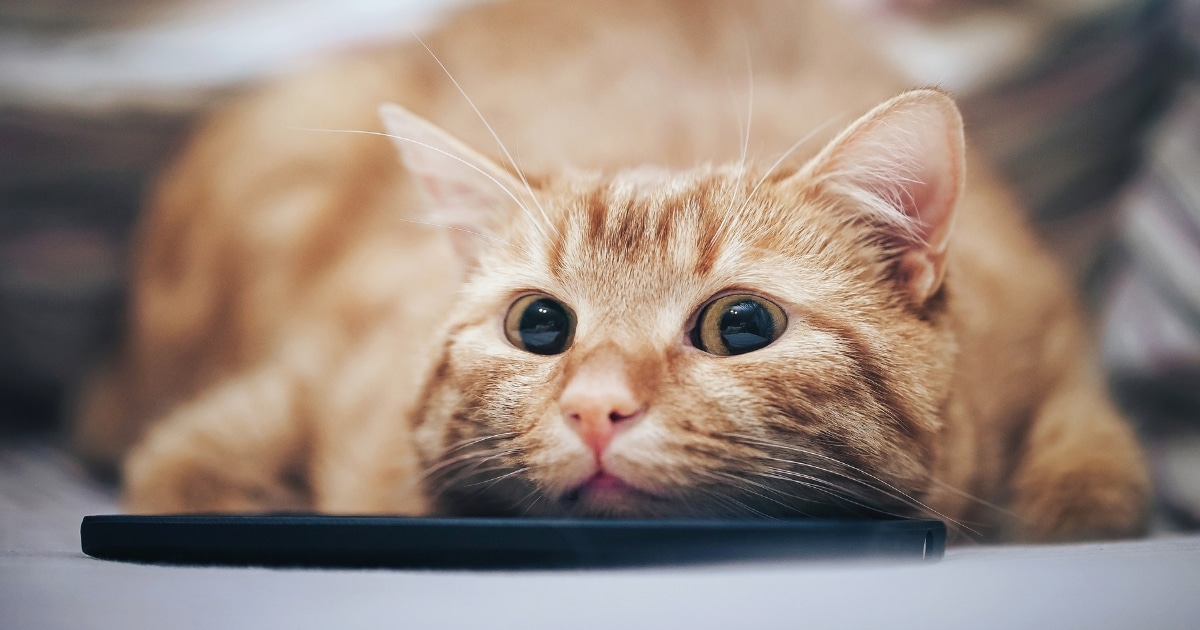
- The Tactical Sit: Sitting directly on top of the phone, effectively cutting off the user’s view and rendering the touchscreen useless.
- The Calculated Swipe: Pawing or knocking the device off a lap or table. Because cats quickly learn that a flying phone guarantees an immediate, dramatic human reaction (jumping, gasping, or scolding), the behavior is heavily reinforced.
- The Visual Block: Standing tall on the chest or desk, directly obscuring the line of sight between the user’s eyes and the screen.
3. Vocalization and Emotional Aftershocks
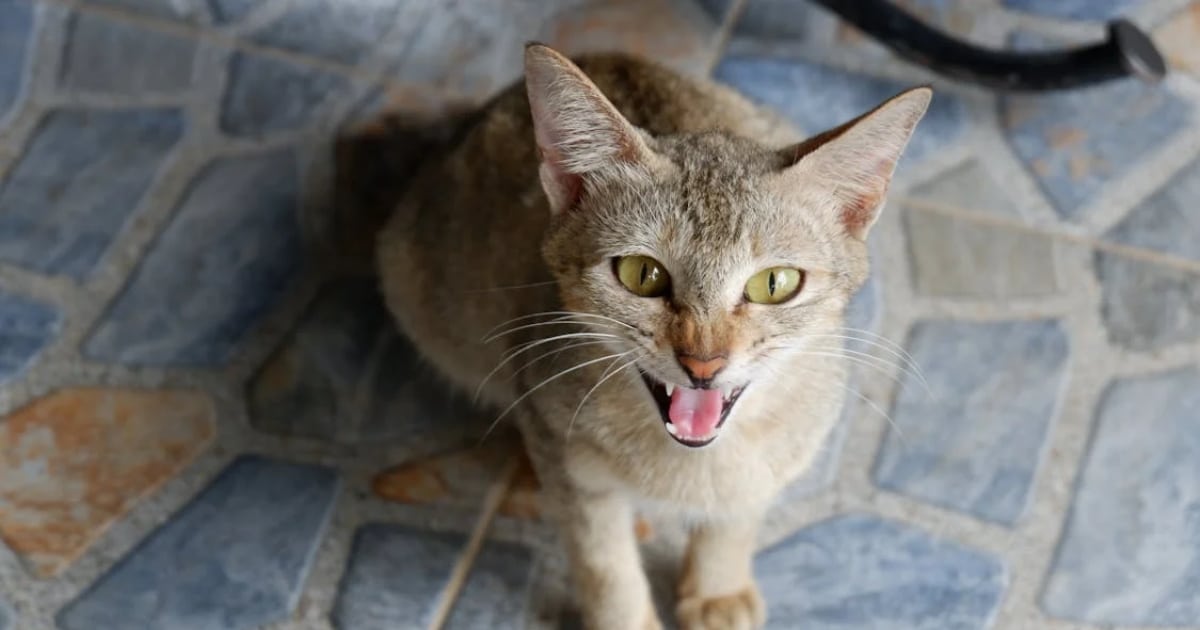
Feline vocalization is primarily a tool evolved to communicate with humans rather than other adult cats. When ignored, cats escalate their auditory pleas, deploying high-frequency meows that mimic human infant distress calls—a frequency humans are biologically hardwired to notice.
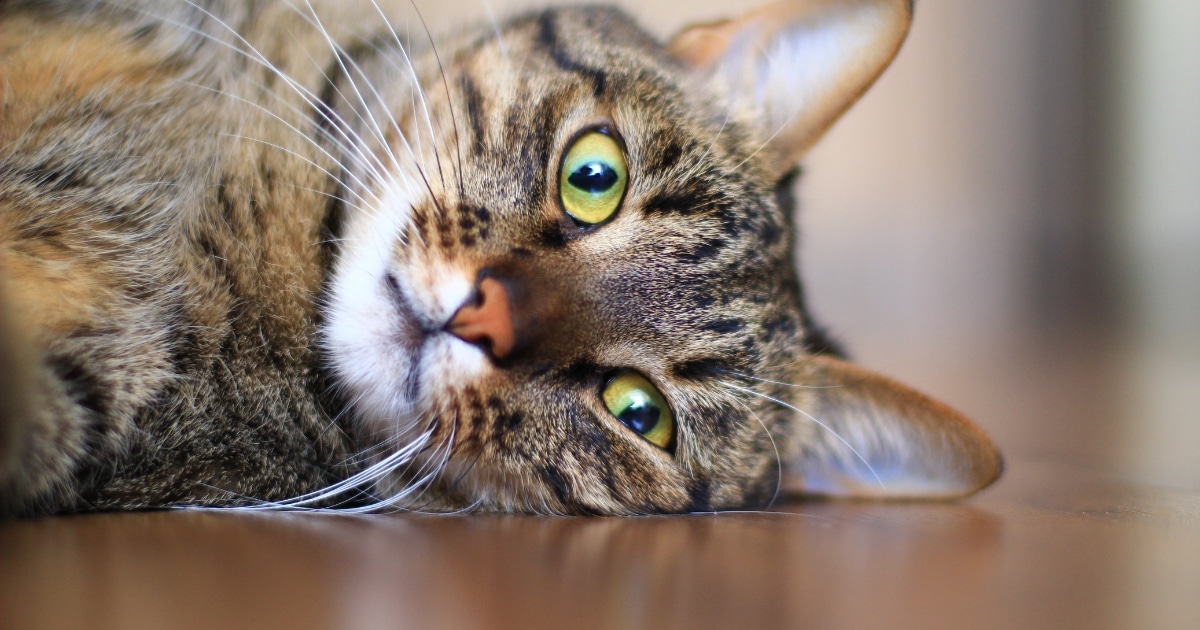
Interestingly, the psychological impact lingers even after the phone is put away. Behavioral observations show that post-phone use, cats frequently exhibit one of two extremes:
- Clinginess: Following the human from room to room to "make up for lost time."
- Aloof Retaliation: Turning their backs, walking away, or refusing to engage—a feline version of giving the "cold shoulder" to signal displeasure over being sidelined.
Expert Insights and Veterinary Perspectives
Leading animal behaviorists and veterinary institutions emphasize that while these behaviors can occasionally test our patience, they are fundamentally expressions of affection and social reliance.
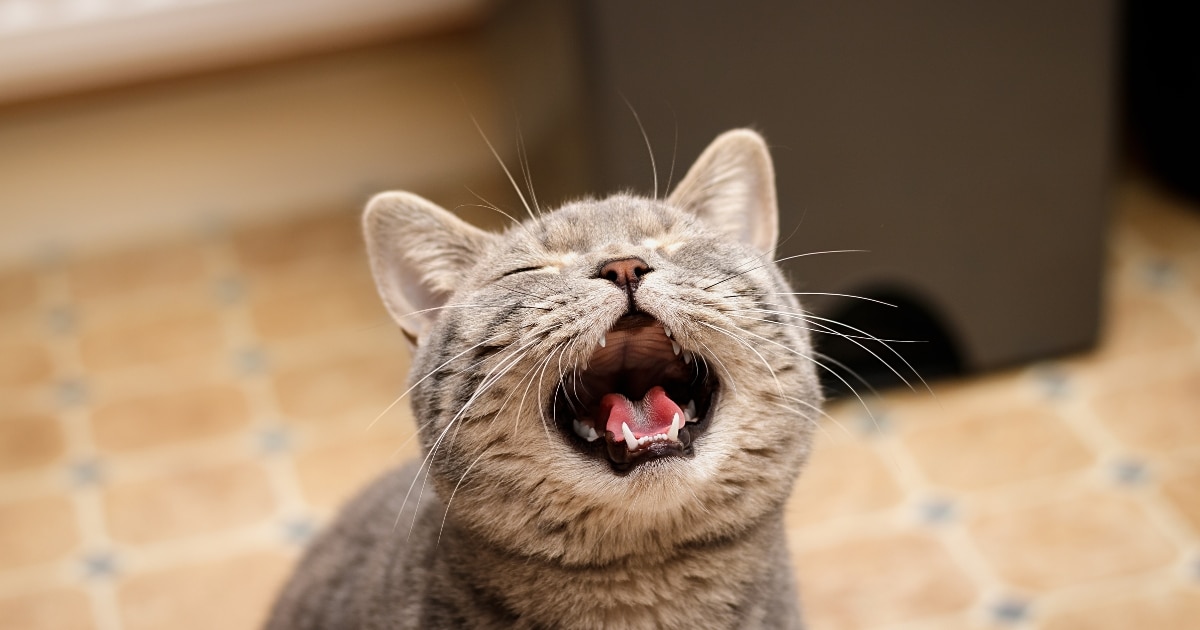
"Cats don’t experience jealousy in the complex, cognitive way adult humans do. They do not reason that a smartphone is a romantic or professional rival. However, they are highly sensitive competitors for your attention. When a device cuts off interaction, the cat experiences a disruption in its routine and social security, prompting entirely rational strategies to restore the status quo."
— Feline Behavior Specialist Commentary
The Cornell Feline Health Center notes that cats view their living spaces as secure territories shared with chosen companions. When an external element consistently monopolizes the caregiver’s energy, the cat instinctively attempts to integrate or neutralize that element to re-establish environmental equilibrium. Veterinary experts routinely advise owners to recognize these actions not as "bad behavior" or spite, but as a direct indicator that the cat’s emotional and social cup is running empty.
Future Outlook: Balancing Digital Life and Feline Well-Being
As remote work and digital connectivity continue to dominate modern lifestyles, the friction between screen time and pet care will only intensify. Understanding the psychological roots of why cats target our devices encourages a healthier balance between digital consumption and quality animal interaction.
Actionable Strategies for Cat Owners
- Scheduled "Purr Time": Allocate dedicated, device-free blocks of time each day for interactive play using feather wands, laser pointers, or puzzle feeders. Tiring out a cat prior to heavy screen sessions can dramatically reduce opportunistic interruptions.
- Strategic Substitution: Provide a warm, heated cat bed or a designated decoy object (like a decoy keyboard or a soft blanket) right next to your workspace or seating area. Often, a cat simply wants to be close to your hands and warmth.
- Positive Reinforcement: Avoid scolding or yelling when your cat knocks your phone away; negative attention is still attention, which can inadvertently reinforce the bad habit. Instead, quietly redirect them to an appropriate toy or reward calm, patient behavior near your workspace.
Ultimately, the smartphone is a permanent fixture of contemporary life, but the lifespan of our feline companions is all too brief. When a paw reaches out to bat away a glowing screen, it serves as a gentle, furry reminder to look up, disconnect from the digital void, and reconnect with the living, purring world right in our laps.