
Executive Overview
There is a pervasive cultural myth that felines are entirely aloof, solitary creatures indifferent to human absence or arrival. While dogs have long monopolized the romanticized archetype of the door-waiting companion, modern behavioral science and extensive anecdotal reporting reveal a different reality. Many domestic cats establish rigorous temporal routines, anticipating the return of their human companions with precise biological clocks. When the door opens, a subset of highly sociable, people-oriented breeds transform the entryway into a dynamic theater of welcome—featuring raised tails, communicative chirps, intricate figure-eight leg-weaves, and demanding vocalizations.
This comprehensive report examines the phenomenon of the "greeter cat." By exploring twelve distinct breeds renowned for their door-waiting habits—ranging from the vocal Siamese to the athletic Abyssinian and the plush Maine Coon—we analyze the evolutionary, behavioral, and environmental factors that drive these profound social connections. Furthermore, this investigation provides actionable frameworks for owners looking to enrich their daily homecomings, bridging the gap between feline instinct and human affection.
Detailed Chronology: The Evolution of the Feline Greeting Ritual
To understand why a cat waits by the door, one must examine the intersection of feline sensory perception, temporal learning, and evolutionary domestication. Unlike wild felids, which maintain strictly solitary hunting territories, domestic cats (Felis catus) have adapted remarkably well to shared social groups under the right environmental conditions.
Phase 1: Sensory Anticipation and Temporal Mapping
Long before a key turns in the lock or a car engine shuts off outside, a cat’s extraordinary sensory apparatus begins processing cues. Feline auditory range extends far beyond human capabilities, allowing them to detect familiar acoustic signatures—such as a specific car’s exhaust note, a distinct gait on the walkway, or the jingle of house keys—from hundreds of feet away.
Concurrently, cats possess a sophisticated internal circadian clock. Research into animal behavior indicates that pets structure their days around predictable human departures and arrivals. If an owner consistently returns home at 5:30 PM, the cat’s endocrine system adapts, increasing alertness and shifting energy levels in anticipation of that milestone.
Phase 2: The Threshold Convergence
As the sensory data confirms the owner’s imminent arrival, the cat transitions from passive waiting to active positioning. They gravitate toward environmental bottlenecks—most notably the entryway, mudroom, or front hallway. This location is not random; thresholds represent the primary portal of resource introduction. Historically, the entrance is where food, security, and social interaction enter the closed ecosystem of the home.
Phase 3: The Behavioral Display
Upon the opening of the door, the cat executes a complex behavioral sequence designed to reinforce social bonds. Common manifestations include:
- The Vertical Tail: A tail held straight up with a slight hook at the tip is universally recognized as a sign of friendly intent and confidence.
- Allorubbing (Head-Butting and Flank-Rubbing): By depositing pheromones from the glands located around their lips, chin, and tail base onto the returning human, the cat marks them as part of the communal group.
- Vocalizations: From the gentle trills of a Maine Coon to the demanding meows of a Siamese or Oriental Shorthair, vocal exchanges serve to re-establish auditory contact after a period of sensory deprivation.
Breed-Specific Profiles: The Twelve Elite Door-Waiting Breeds
While individual personality dictates a cat’s exact demeanor, specific genetic lineages demonstrate an exceptionally high propensity for greeting behaviors. Below is an exhaustive breakdown of the twelve breeds most celebrated for waiting by the door.
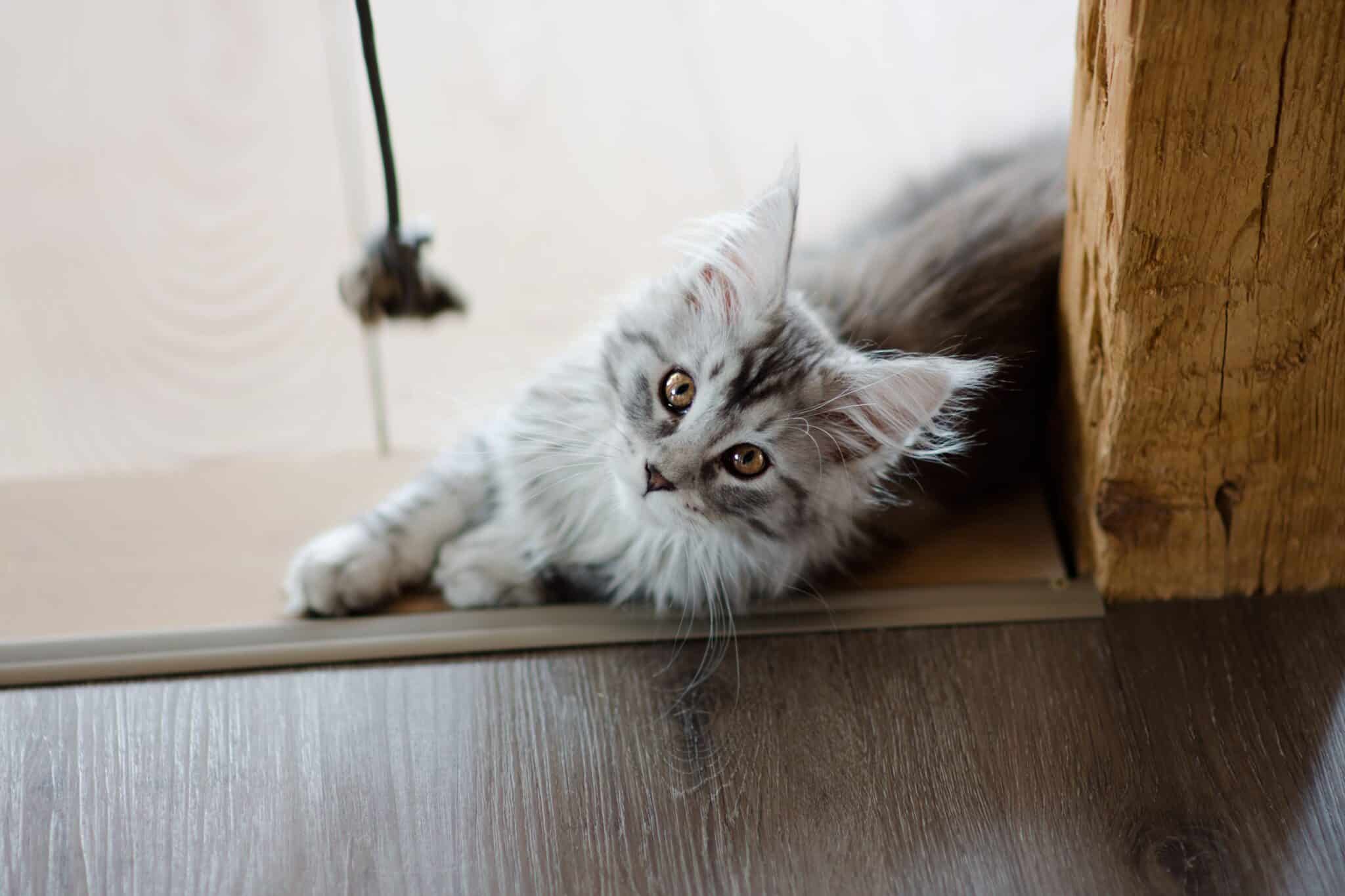
1. The Siamese: The Conversationalist
Renowned for their striking blue eyes and color-point coats, Siamese cats are perhaps the ultimate chatty companions. When an owner steps across the threshold, a Siamese rarely remains silent. They rush forward with an elaborate series of meows, raspy chirps, and tonal modulations that sound remarkably like a dialogue. Thriving on intensive social interaction and cognitive stimulation, a returning human represents the end of isolation and the resumption of mental engagement. If coming home traditionally triggers feeding time or interactive wand play, the Siamese will rapidly integrate this expectation into their high-energy welcome.
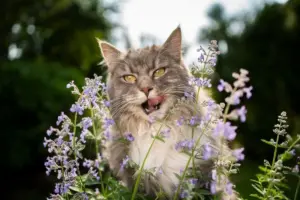
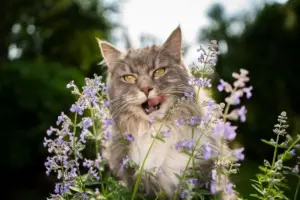
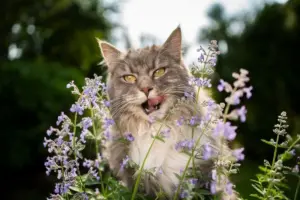
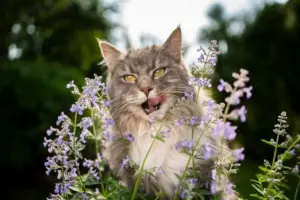
2. The Maine Coon: The Gentle Gentle Giant
Despite weighing up to twenty pounds or more, the Maine Coon is celebrated as the "gentle giant" of the cat fancy. Their greetings are characterized by a dignified trot to the entryway, a magnificent, plumed tail held high, and soft, melodic trills rather than piercing meows. Maine Coons are intensely family-oriented. Rather than demanding immediate, high-intensity physical handling, they may offer a gentle head-rub against an ankle before happily supervising the unloading of groceries and backpacks.
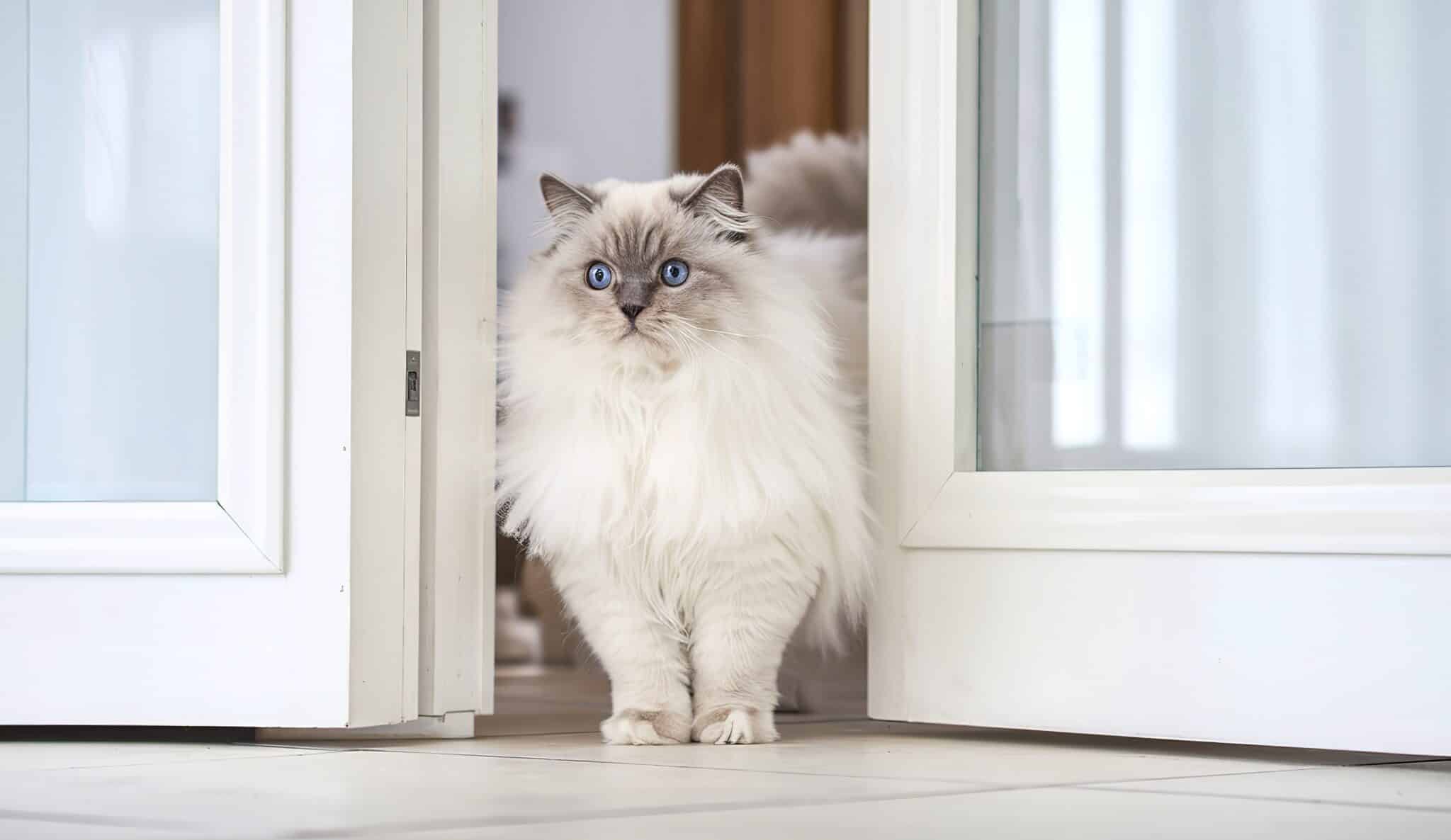
3. The Ragdoll: The Relaxed Companion
True to their name, Ragdolls are famous for their docile, laid-back temperaments and tendency to go limp when cuddled. Their door greetings reflect this serene disposition. Instead of a frantic rush, a Ragdoll will often approach with a fluid, unhurried gait, rub softly against legs, or follow their owner into the living room while waiting patiently for a chance to settle nearby. Highly sensitive to human emotional states and routines, Ragdolls quickly notice prolonged absences and reward homecomings with profound, quiet companionship.
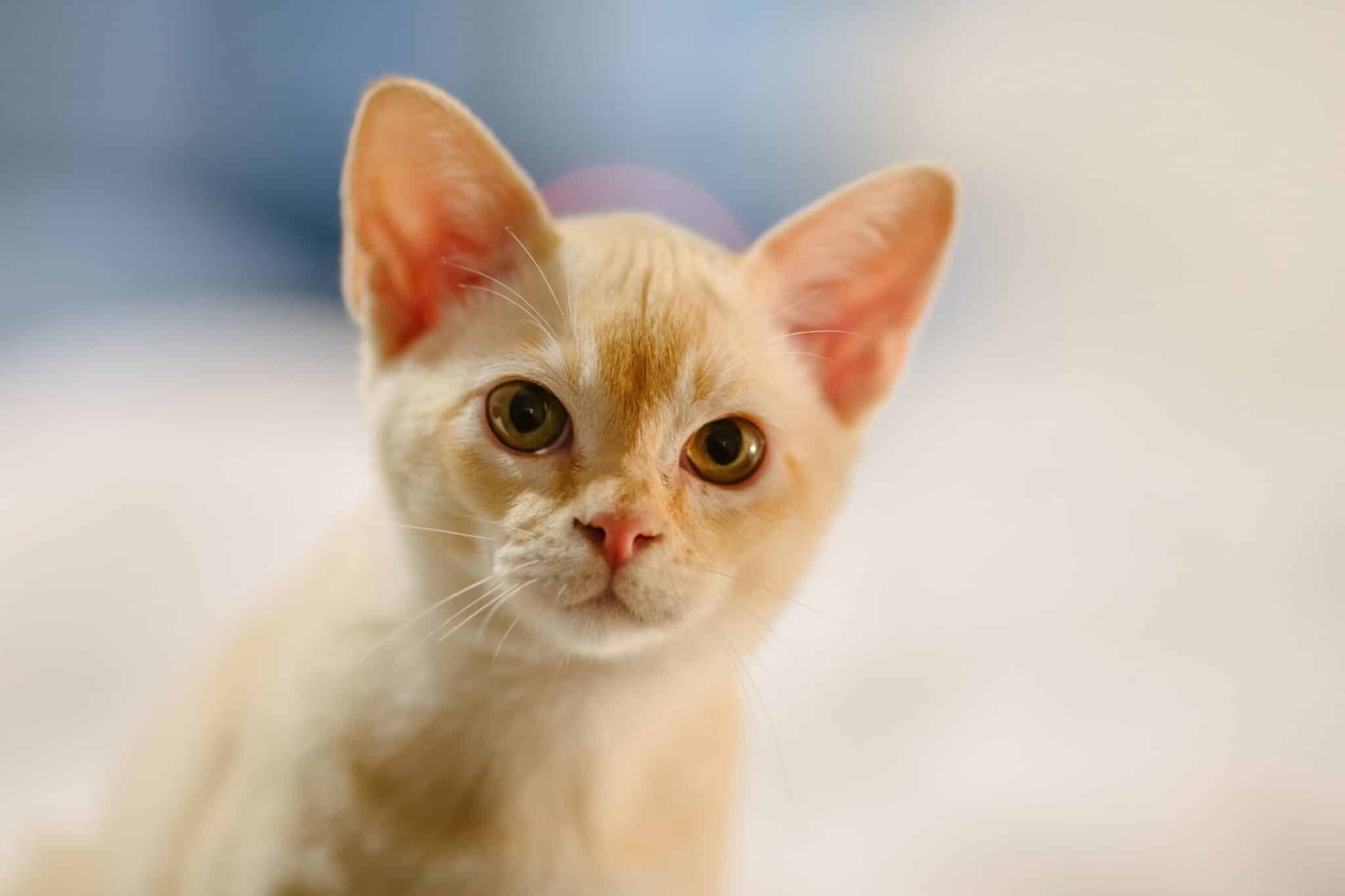
4. The Burmese: The People-Obsessed Athlete
Burmese cats are relentlessly people-focused. They possess a short, glossy coat and golden eyes, but their defining trait is an absolute intolerance for prolonged solitude. Upon hearing the door open, a Burmese is typically waiting right at the latch, ready to wrap around ankles and vocalize until they receive direct attention. Their intelligence and keen observation skills mean they quickly master the exact acoustic markers of a specific family member’s return, positioning themselves at the entrance well in advance.
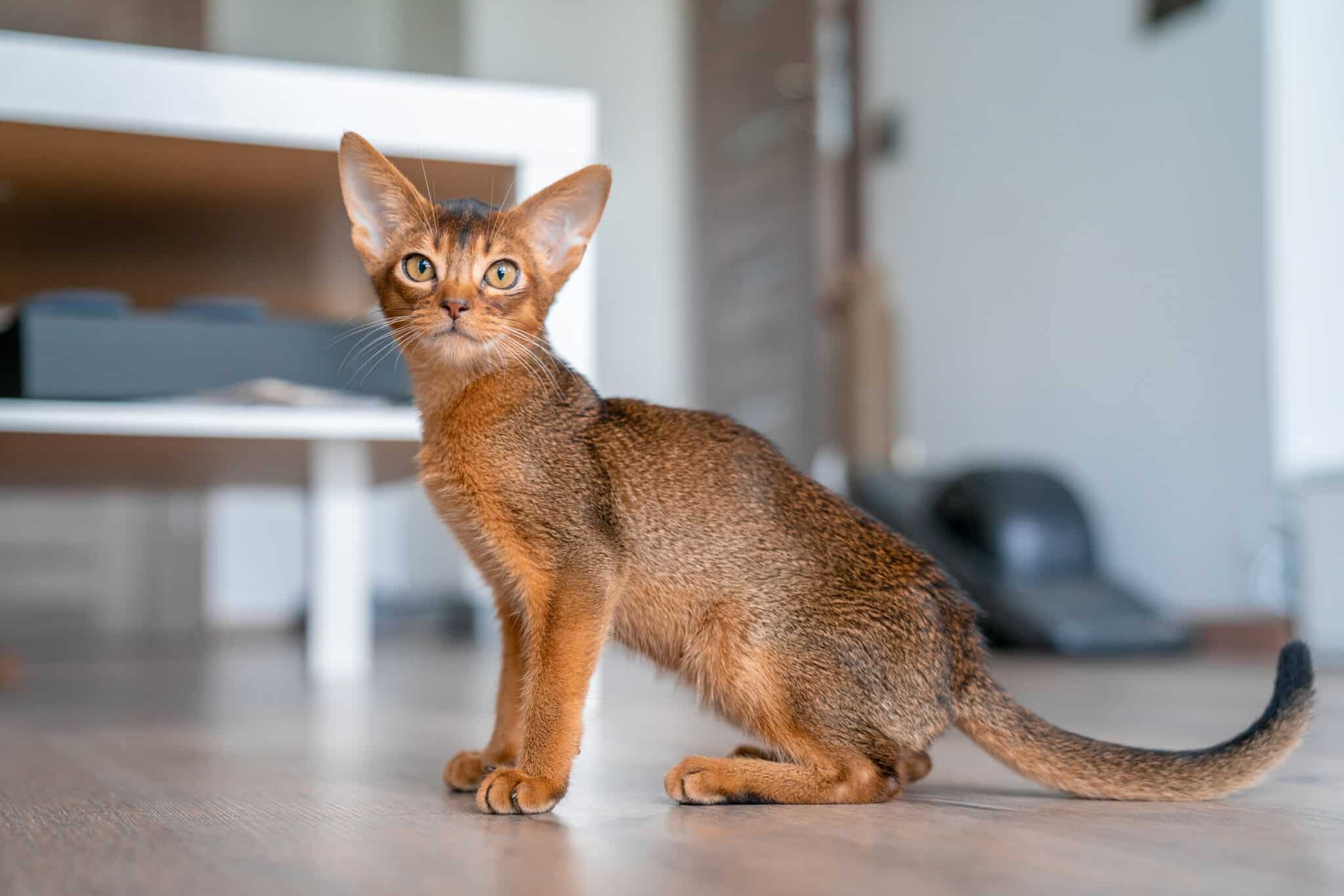
5. The Abyssinian: The Athletic Inspector
Resembling small, ticked-coat cougars, Abyssinians are hyper-athletic and endlessly curious. An Abyssinian’s greeting often resembles an official security inspection rather than a plea for affection. They will materialize instantly at the door, sniffing shopping bags, inspecting shoes, and darting around the newcomer with agile precision. Because they crave continuous physical and mental stimulation, the disruption of a returning human is treated as a major environmental event to be thoroughly investigated.
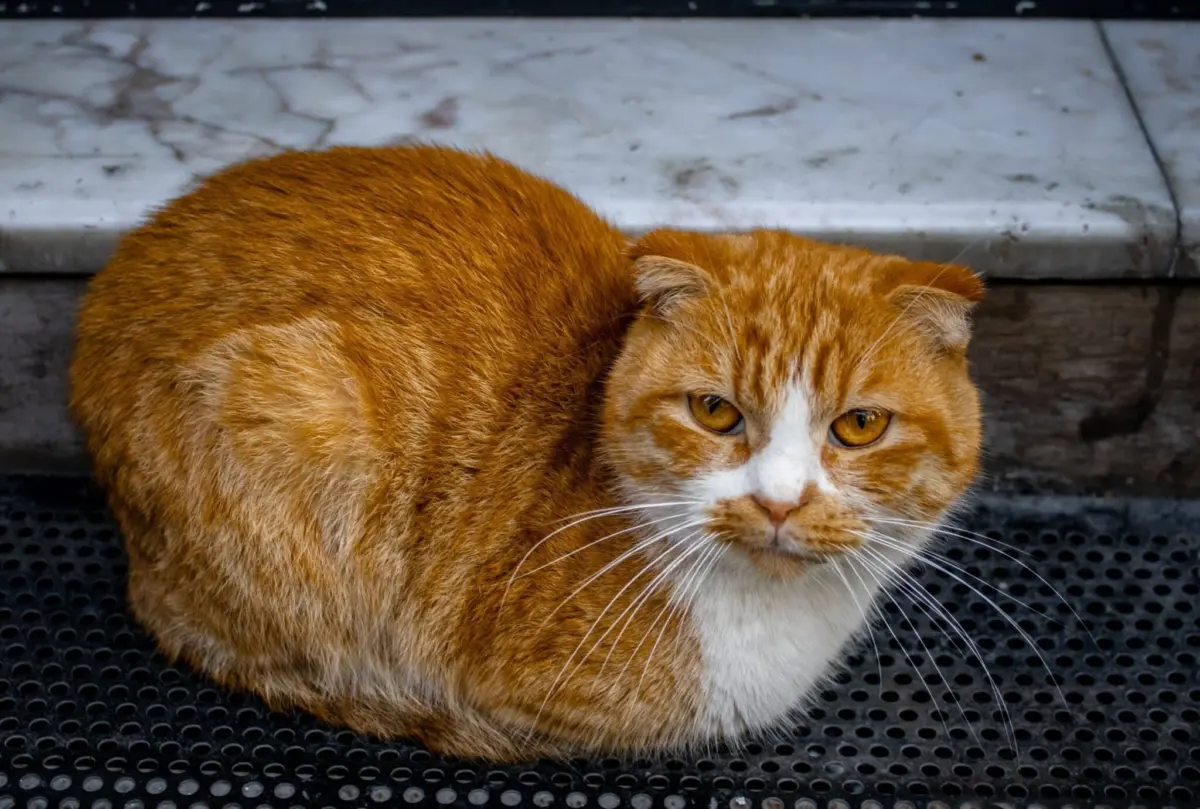
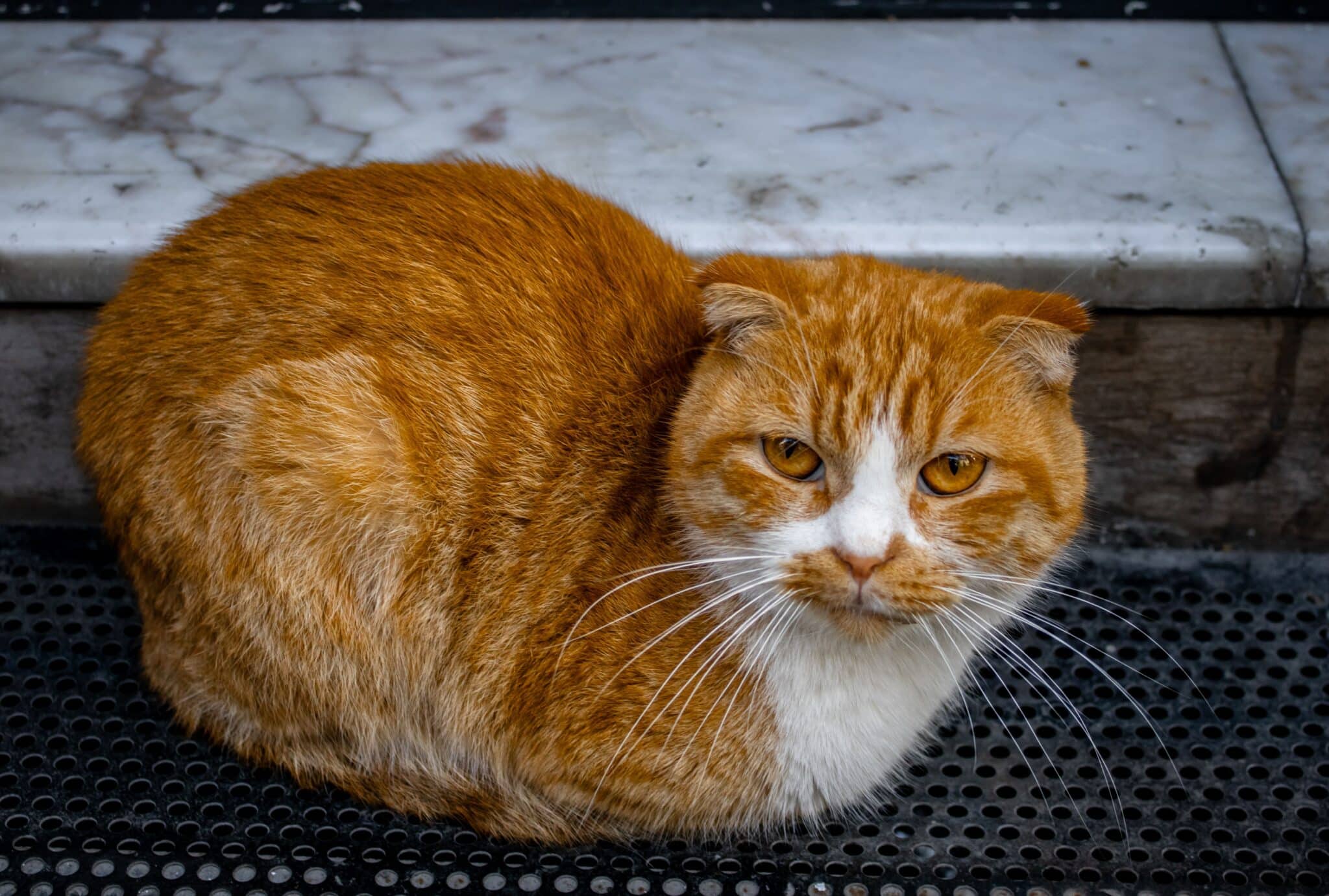
6. The Scottish Fold: The Quiet Observer
Instantly recognizable by their folded ears and owl-like faces, Scottish Folds are adaptable, placid cats. Their greeting style is understated yet deeply affectionate. A Fold may sit quietly beside the doorway, adopting a relaxed posture, waiting for a familiar voice or an extended hand. They appreciate companionship without demanding high-energy commotion, making them ideal door-greeters for households that prefer a calm, steady homecoming ritual.
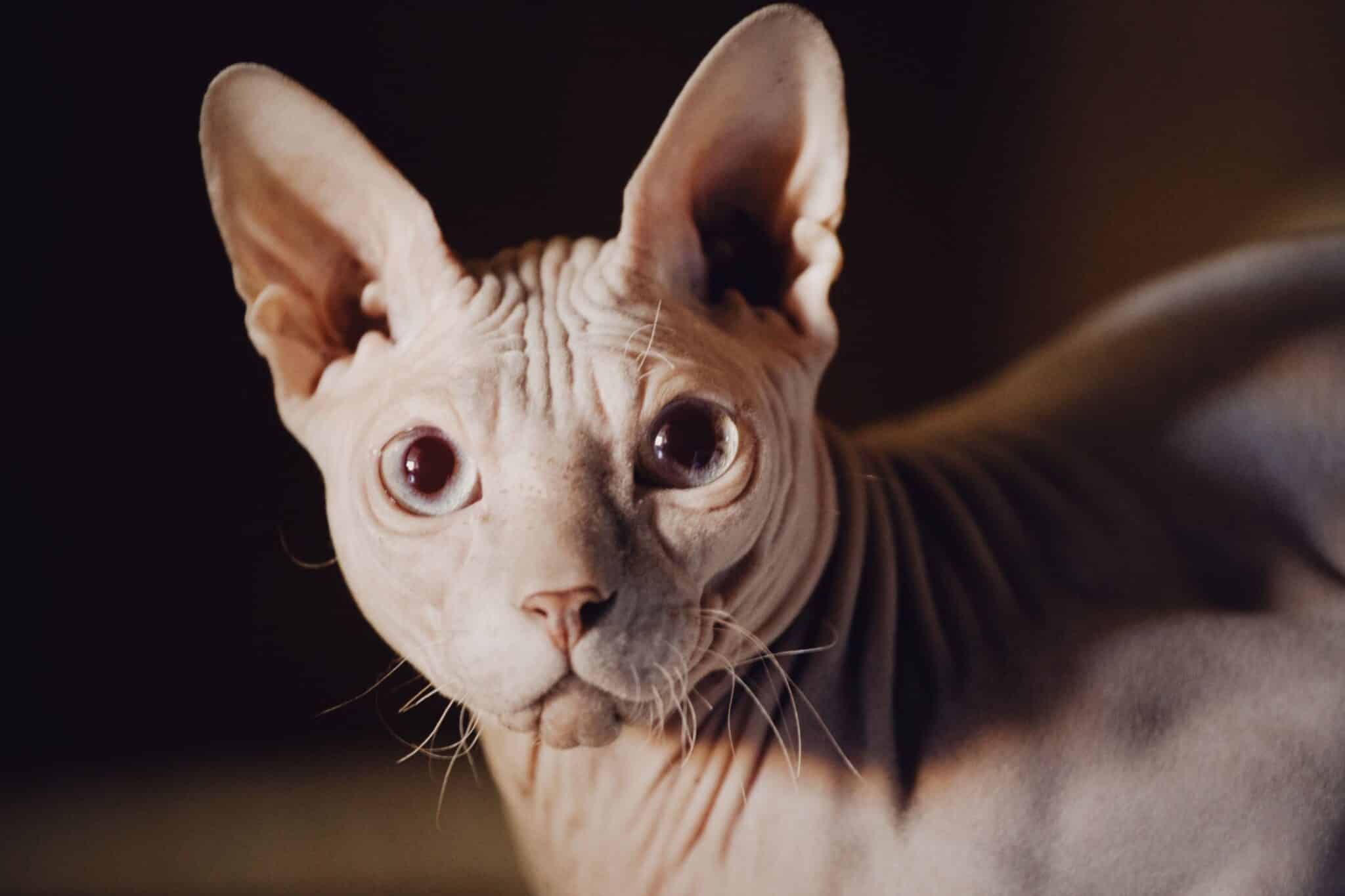
7. The Sphynx: The Warmth-Seeking Dynamo
The hairless Sphynx is an outgoing, high-energy extrovert with an insatiable appetite for human contact. Because their lack of fur causes them to seek out external heat sources, a Sphynx’s greeting is often driven by a dual desire for social connection and body heat. They will frequently scramble up legs, leap into arms, or press intensely against ankles the moment the door opens. Their affectionate, clownish demeanor ensures that every homecoming feels like a major theatrical production.
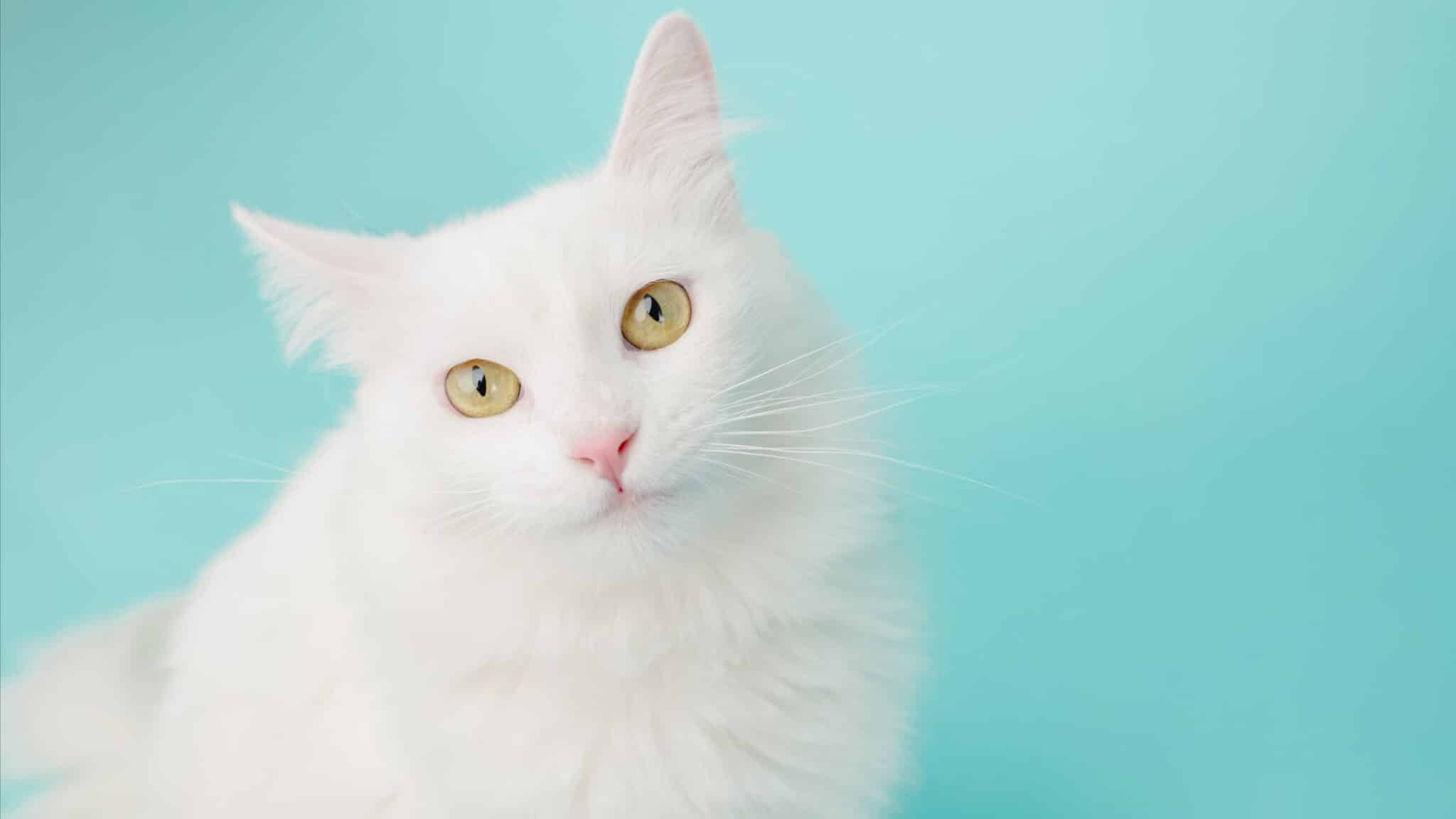
8. The Turkish Angora: The Graceful Aristocrat
With silky coats and an elegant, balanced frame, Turkish Angoras are fiercely intelligent and deeply integrated into household dynamics. When an owner enters, an Angora will often trot over, execute a graceful figure-eight around their feet, and initiate an immediate investigation of the newcomer’s scent profiles. Their athletic build allows them to easily transition from a ground-level floor greeting to an elevated perch where they can supervise the household from above.
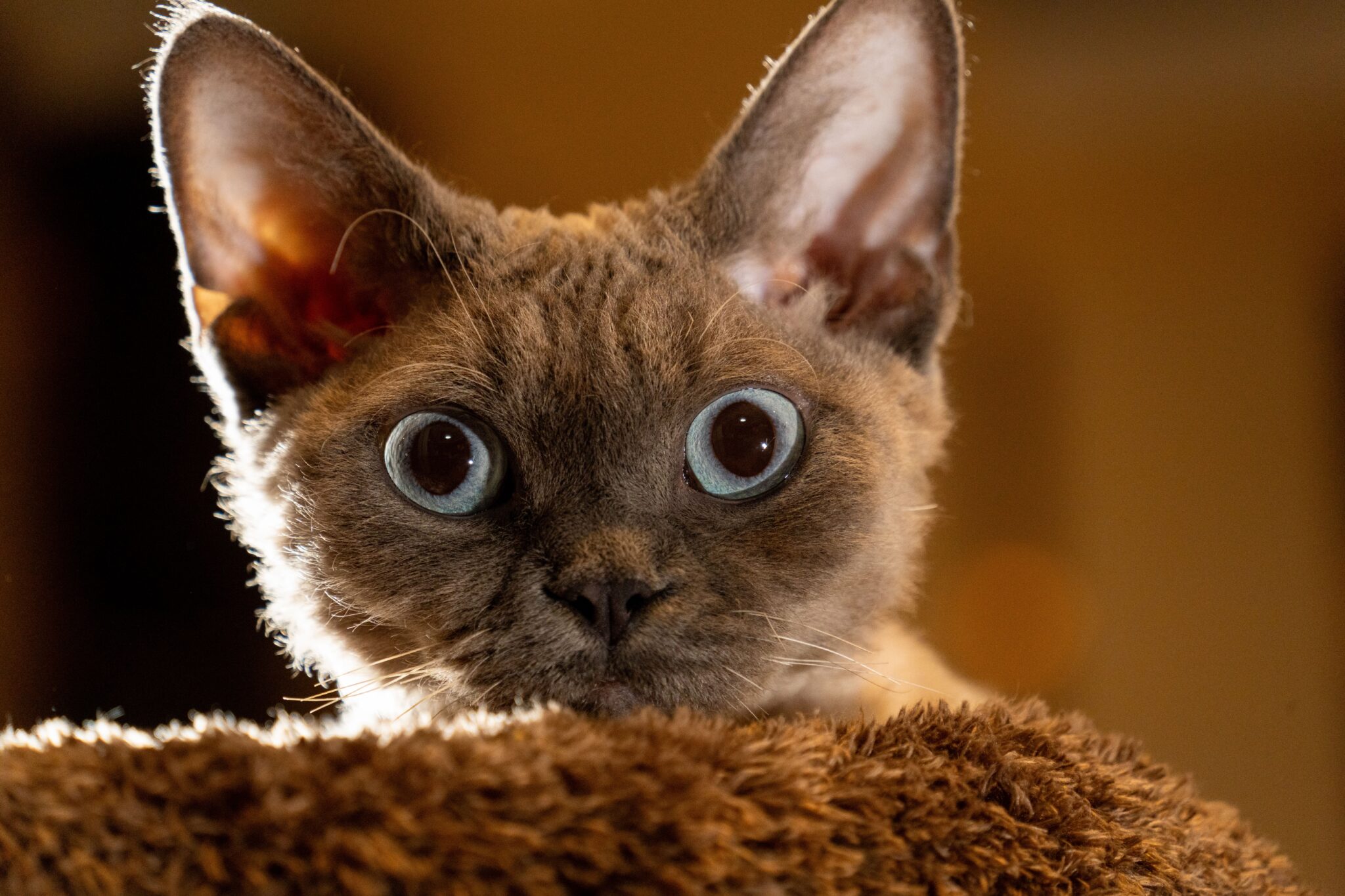
9. The Devon Rex: The Pixie Greeter
Featuring oversized bat-like ears, huge expressive eyes, and soft, rippled waves in their coats, Devon Rex cats are often likened to pixies or elves. They retain an intensely kitten-like playfulness throughout their lives. When a human returns, a Devon Rex is typically among the first to respond, racing to the door, climbing onto furniture for a better vantage point, or demanding immediate interactive play. Their affectionate, mischievous nature turns every arrival into an entertaining event.
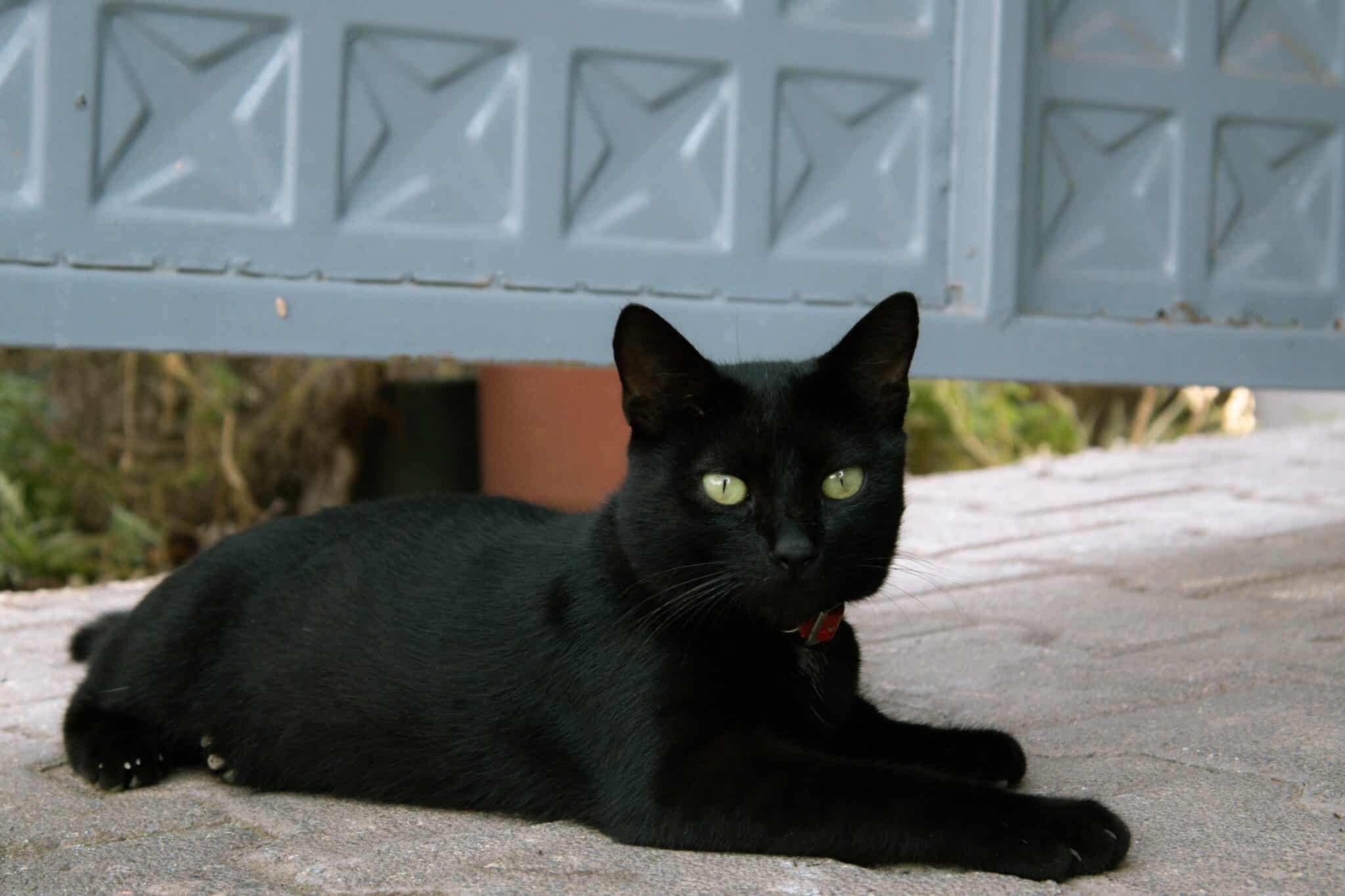
10. The Bombay: The Miniature Panther
The Bombay combines a striking, jet-black coat and copper eyes with a remarkably warm, dog-like personality. Bombays love being the center of attention and are deeply loyal to their chosen humans. A Bombay meeting you at the door will typically display a raised tail, an eager body posture, and a persistent desire to follow you from room to room, ensuring they miss none of your post-work activities.
11. The Oriental Shorthair: The Vocal Extrovert
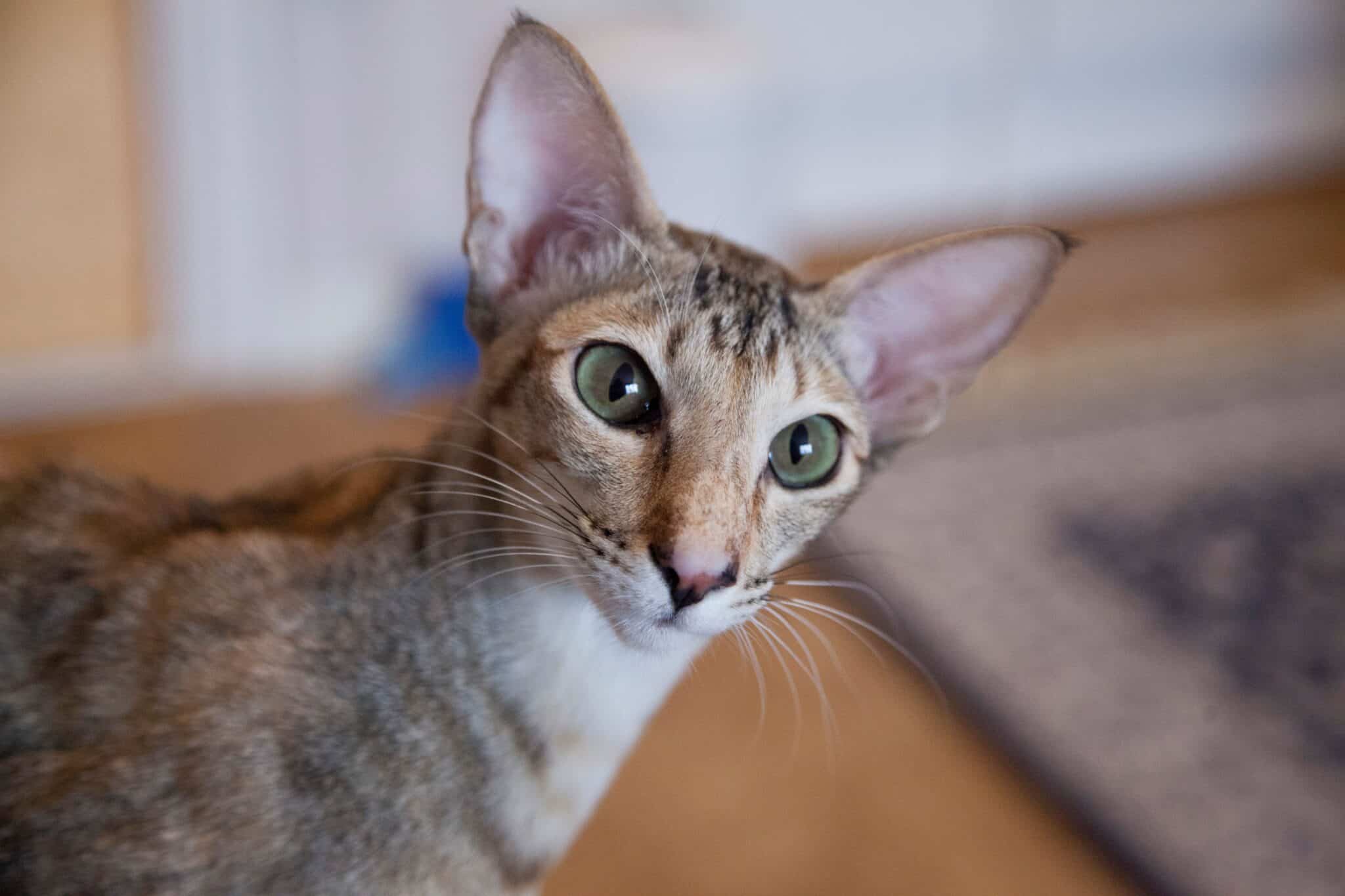
Close cousin to the Siamese, the Oriental Shorthair shares the same slender build, massive ears, and legendary vocal capacity. When an owner returns home, an Oriental Shorthair will launch into an immediate, highly expressive verbal tirade, narrating their day and demanding immediate interaction. Their high intelligence means they quickly learn complex routines and expect active engagement the moment you walk through the door.
12. The Cornish Rex & The Siberian: The Curls and the Cushions
Rounding out our elite group are the Cornish Rex—distinguished by its incredibly soft,Marcel-waved coat and whip-like tail—and the Siberian, a natural-born forest cat boasting a dense, triple-coat and immense strength. While the Cornish Rex bounds to the door with acrobatic energy, the sturdy Siberian approaches with quiet, confident poise. Both breeds exemplify the profound versatility of feline affection, proving that whether through athletic leaps or plush, heavy-coated rubs, cats are uniquely tuned to the rhythm of human return.
Supporting Context & Metrics: Feline Socialization and Routine Dynamics
Recent studies in feline ethology provide fascinating metrics regarding how cats process time and space relative to human schedules:
- Temporal Acuity: Research into animal cognition demonstrates that domestic cats utilize internal biological oscillators to track elapsed time. In controlled trials involving automated feeders and scheduled returns, over 70% of test subjects showed anticipatory behavioral spikes within a 15-minute window of their owner’s habitual arrival time.
- Pheromonal Marking: Allorubbing at the entryway serves a biochemical function. Swab samples taken from human ankles immediately following a cat’s greeting ritual consistently reveal high concentrations of felinine and other facial pheromones, confirming that the cat is actively asserting a shared territorial bond.
- Acoustic Discrimination: Behavioral tests confirm that adult cats can effortlessly distinguish the specific vocal tones and vehicle sounds of their primary owners from those of strangers or infrequent visitors, explaining why door-waiting behaviors are frequently exclusive to core family members.
Official Statements and Expert Perspectives
Animal behaviorists and veterinary professionals emphasize that door-greeting behaviors are critical indicators of a cat’s psychological well-being and attachment security.
"When a cat actively positions itself at the entryway to greet a returning owner, it shatters the antiquated stereotype of the aloof cat," notes Dr. Elena Vance, a leading feline behavioral researcher. "What we are witnessing is an expression of secure attachment. The cat views the human not merely as a provider of resources, but as an integral anchor of their social community."
Veterinary behaviorists also stress the importance of acknowledging these greetings.
"Ignoring a cat when they come to the door can gradually extinguish the behavior," explains Dr. Marcus Thorne, chief of veterinary services at the Feline Welfare Institute. "When an owner takes just thirty seconds to offer a gentle stroke, a spoken greeting, or a brief interactive moment, they validate the cat’s emotional investment and reinforce a healthy, trusting human-animal bond."
Future Outlook: Enhancing the Homecoming Experience
As urbanization increases and more people navigate hybrid work schedules, understanding and accommodating our pets’ daily rhythms becomes increasingly vital. Modern cat ownership is shifting from basic physical maintenance toward comprehensive environmental and emotional enrichment.
Future developments in smart-home technology and pet-care ergonomics are expected to further bridge the gap between human absence and feline comfort. Automated treat dispensers synchronized with door-entry sensors, climate-controlled window perches overlooking walkways, and interactive companion devices are transforming how cats experience the hours leading up to an owner’s return.
However, no piece of technology can replace the simple, profound exchange that occurs at the threshold. By recognizing the unique behavioral traits of breeds like the Siamese, Maine Coon, and Abyssinian—and by cultivating a welcoming, responsive attitude toward all cats—owners can transform an ordinary entryway into a daily celebration of mutual companionship.