
Executive Overview
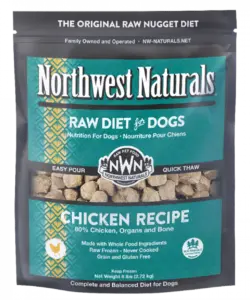
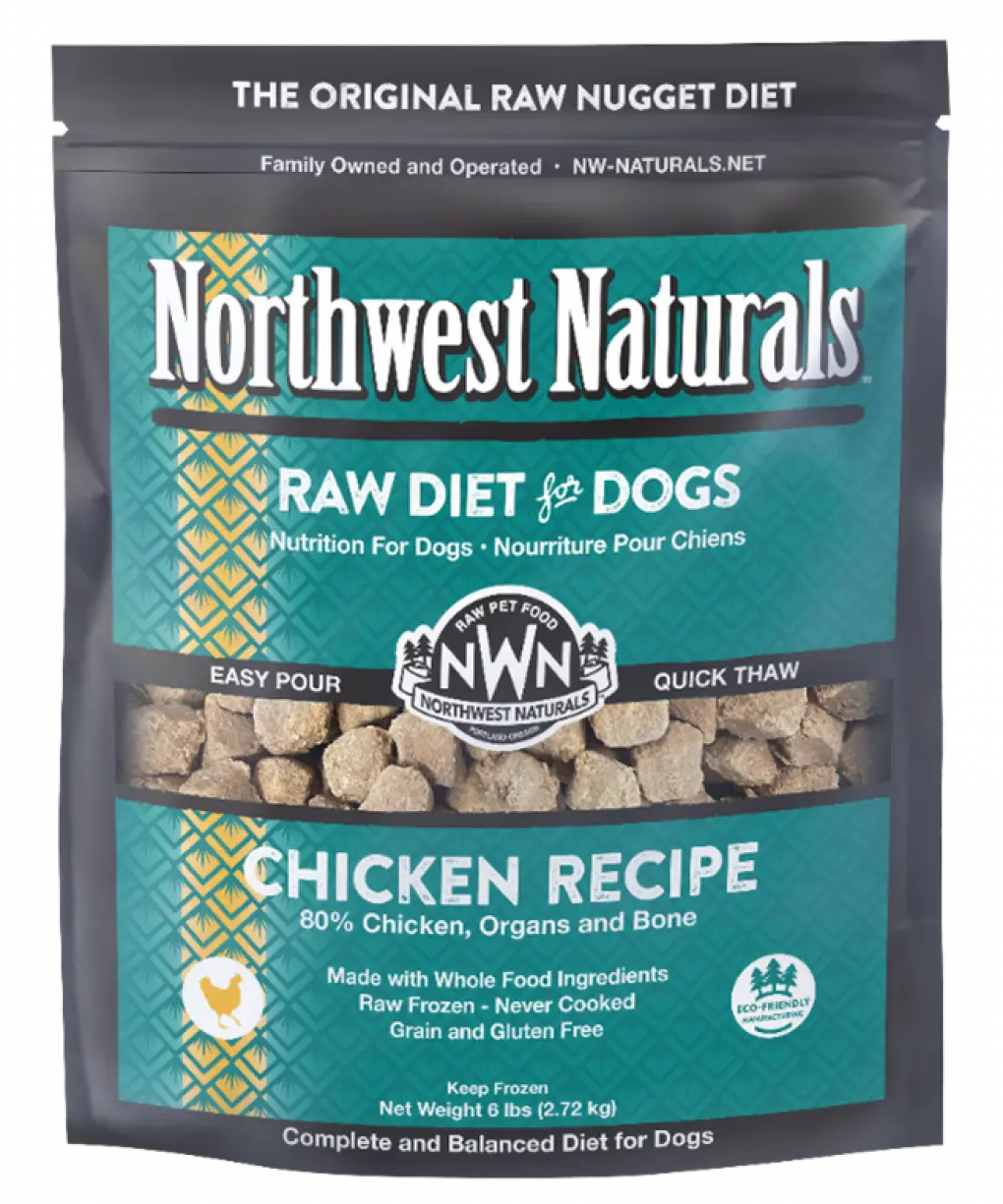
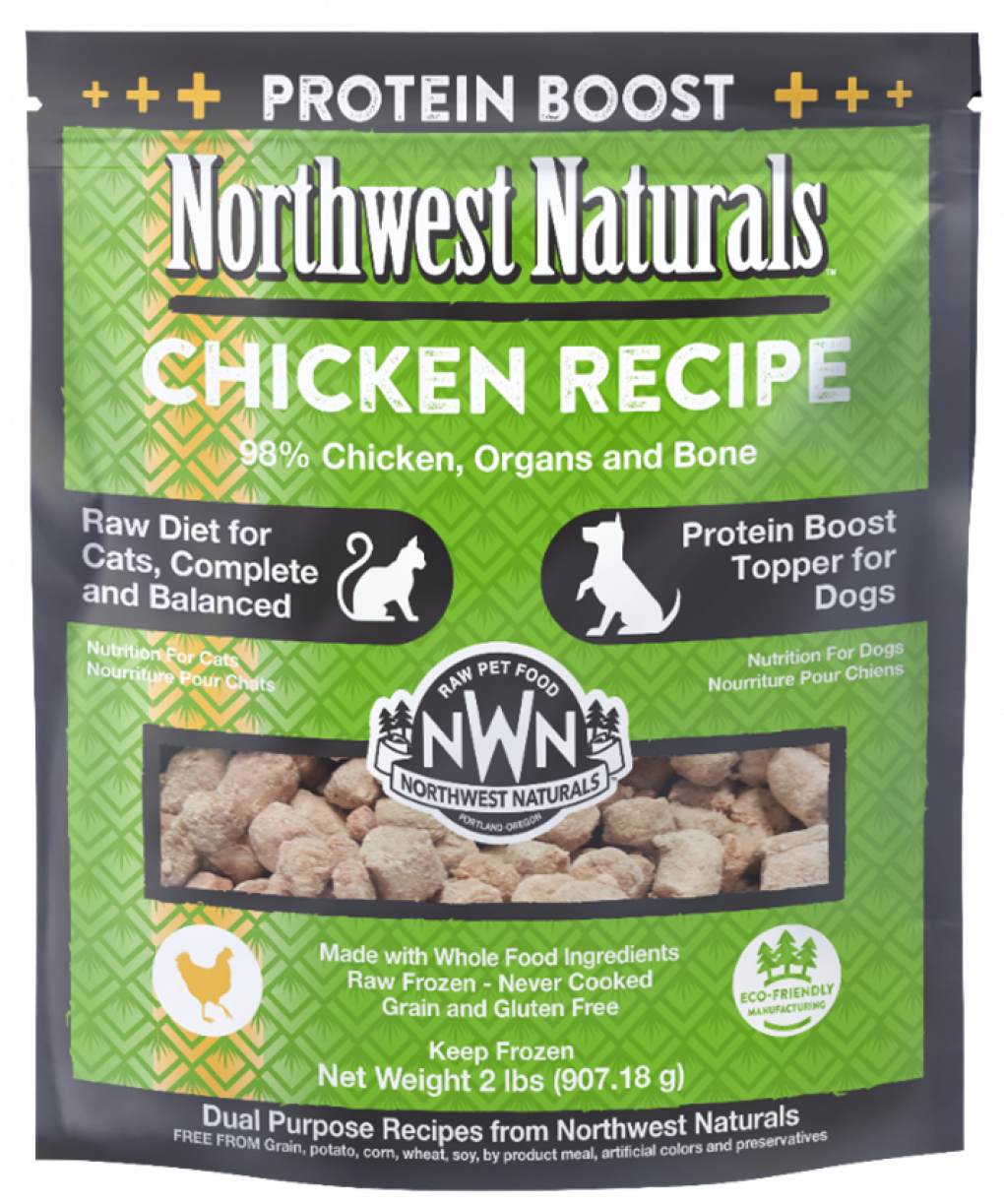
In a significant safety intervention impacting pet owners across the United States, Portland, Oregon-based manufacturer Northwest Naturals has initiated a voluntary recall of specific lots of its frozen raw pet food products. The recall involves two distinct product lines: 53 cases (1,272 lbs.) of Northwest Naturals Frozen Chicken Recipe for Cats and 19 cases (684 lbs.) of Northwest Naturals Frozen Raw Diet for Dogs Chicken Recipe. The action was triggered after routine sampling and microbiological testing by the U.S. Food and Drug Administration (FDA) detected dangerous bacterial pathogens, specifically Salmonella and Listeria monocytogenes.
The detection of these foodborne pathogens presents a dual-risk matrix, posing potential health hazards not only to domestic animals consuming the raw diets but also to human handlers who manage the frozen products, feed their pets, or maintain household surfaces exposed to contaminated meals. Although no human or animal illnesses have been confirmed to date, federal regulators and company officials are urging immediate consumer compliance to prevent potential outbreaks of salmonellosis or listeriosis.
This recall underscores the ongoing challenges within the rapidly expanding raw meat-based diet (RMBD) sector of the pet food industry. As demand for raw, minimally processed animal feeds grows among pet owners seeking ancestral or alternative nutrition, regulatory bodies like the FDA have heightened surveillance to enforce strict microbiological standards across manufacturing facilities nationwide.
Detailed Scope and Chronology of the Contamination Event
The sequence of events leading to the national recall began during routine, state-and-federal regulatory monitoring conducted by FDA inspectors. Product samples from active distribution channels were collected and submitted to laboratories for microbiological analysis. Results from these tests confirmed the presence of bacterial contamination, prompting immediate escalation to the manufacturer.
Specific Product Profiles and Distribution Matrix
The affected items were distributed to retail pet supply establishments nationwide, exposing a wide domestic consumer base to the affected lots. The voluntary withdrawal is restricted to two specific raw chicken formulations packaged in distinct bag sizes:
| Product Name | Target Animal | Packaging Size | Volume Recalled | Contaminant Identified |
|---|---|---|---|---|
| Northwest Naturals Frozen Chicken Recipe | Feline | 2 lbs. Bag | 53 cases (1,272 lbs.) | Salmonella |
| Northwest Naturals Frozen Raw Diet for Dogs Chicken Recipe | Canine | 6 lbs. Bag | 19 cases (684 lbs.) | Listeria monocytogenes & Salmonella |
In total, 72 cases comprising 1,956 pounds of frozen raw pet food were swept into the recall action. FDA laboratory findings showed that the cat food formulation tested positive exclusively for Salmonella, while the dog food formulation exhibited dual contamination, testing positive for both Listeria monocytogenes and Salmonella.
Upon confirmation of the pathogen screening results, Northwest Naturals moved to isolate the production batches and notify retail partners across its nationwide supply chain to pull the affected inventory from store shelves immediately.
Microbiological Threat Analysis: Salmonella and Listeria monocytogenes
The presence of Salmonella and Listeria monocytogenes in commercial pet food is treated as a major public health concern by veterinary and human health agencies alike. Both pathogens possess zoonotic capabilities, meaning they can readily jump from animals to humans through direct contact, cross-contaminated kitchen utensils, or unwashed hands.

       +-------------------------------------------------------+
       |             FDA ROUTINE TESTING & DETECTION            |
       +---------------------------+---------------------------+
                                   |
            +----------------------+----------------------+
            |                                             |
            v                                             v
+-----------------------+                     +-----------------------+
|  Feline Formulation   |                     |  Canine Formulation   |
|   (2 lbs. Cat Bag)    |                     |   (6 lbs. Dog Bag)    |
+-----------+-----------+                     +-----------+-----------+
            |                                             |
            v                                             v
   [ Salmonella Positive ]                        [ Dual Contamination ]
                                                  * Salmonella
                                                  * Listeria monocytogenes
Understanding the Salmonella Mechanism in Pets and Humans
Salmonella is a genus of rod-shaped, Gram-negative enterobacteria capable of inducing severe gastrointestinal distress.
- Impact on Pet Health: Dogs and cats infected with Salmonella may display symptoms including lethargy, high fever, persistent vomiting, severe abdominal pain, and diarrhea (which can present as bloody). However, a critical aspect of feline and canine salmonellosis is the "subclinical carrier state." Otherwise healthy pets can shed Salmonella bacteria in their feces and saliva without showing outward signs of illness. These asymptomatic animals act as silent vectors, contaminating living environments, pet bedding, and human living spaces.
- Impact on Human Health: Humans handling contaminated raw pet food without proper hygienic measures can ingest microscopic amounts of the bacteria. Symptoms of salmonellosis in humans typically include nausea, fever, abdominal cramps, and acute diarrhea. While healthy adults often recover without medical intervention, severe cases can require hospitalization due to severe dehydration. In vulnerable populations—such as young children, the elderly, or immunocompromised individuals—the bacteria can enter the bloodstream (bacteremia), leading to systemic complications including arterial infections, endocarditis, septic arthritis, and urinary tract infections.
The Invasive Danger of Listeria monocytogenes
Unlike many common foodborne pathogens, Listeria monocytogenes is a resilient, psychrotrophic bacterium capable of surviving and multiplying even under refrigerated conditions.
- Impact on Vulnerable Populations: Listeriosis is a serious infection that disproportionately impacts high-risk groups, including pregnant women, newborns, adults aged 65 and older, and individuals with weakened immune systems. In pregnant women, infection can cause mild flu-like symptoms in the mother but lead to devastating outcomes for the fetus, including spontaneous abortion, stillbirth, premature delivery, or life-threatening neonatal sepsis.
- Neurological Manifestations: In non-pregnant adults and susceptible animals, invasive Listeria can cross the blood-brain barrier, triggering severe neurological issues such as encephalitis, meningitis, loss of physical balance, neck stiffness, and convulsions, alongside systemic symptoms like high fever, muscle aches, and extreme lethargy.
Sector Mechanics: The Broader Context of Raw Pet Food Safety
The recall of Northwest Naturals products highlights an ongoing regulatory and operational tension within the pet food industry. Over the past decade, consumer preference has shifted significantly toward raw, ancestral, and fresh pet food formulations. Advocates argue that raw meat diets offer enhanced digestibility, healthier skin coats, and superior energy levels compared to traditional high-heat extruded kibble.
Regulatory Oversight and the FDA’s Zero-Tolerance Threshold
Unlike human food standards, which may permit low levels of certain bacteria in raw poultry provided it is intended for thoroughly cooked preparation, the FDA maintains a strict zero-tolerance policy for pathogenic bacteria like Salmonella and Listeria monocytogenes in commercial raw pet foods.
This stringent framework is predicated on how pet food is handled within the domestic environment:
- Direct Handling: Pet owners routinely handle raw pet diets with bare hands, scoop them into pet bowls, and wash those bowls in residential sinks.
- Behavioral Transfer: Pets naturally lick human faces, hands, and household furniture after eating, transferring live bacteria directly into human living quarters.
- Absence of a Kill Step: Unlike raw chicken sold for human consumption—which is expected to undergo thermal cooking to destroy vegetative pathogens—raw pet food is served directly to animals unheated, leaving no safety margin if pathogens are present at the point of distribution.
Comparative Enforcement Metrics
Routine testing by state departments of agriculture and the FDA has historically yielded higher positivity rates for bacterial pathogens in raw pet foods than in conventional cooked kibble or canned products. Consequently, raw manufacturers face intense regulatory scrutiny, requiring rigorous biosecurity measures, supply chain verification, and post-processing pathogen reduction technologies such as High-Pressure Processing (HPP).
Corporate Guidance, Refund Procedures, and Veterinary Action Plans
In light of the FDA’s findings, Northwest Naturals has activated a comprehensive consumer recall protocol. The company, operating out of Portland, Oregon, has advised all pet owners, distributors, and independent retailers to take immediate defensive measures.
       [ RECALL ACTION PROTOCOL FOR CONSUMERS ]
                          |
      +-------------------+-------------------+
      |                                       |
      v                                       v
[ PET OWNERS ]                          [ PETS EXPOSED ]
  • Discontinue feeding immediately       • Monitor for lethargy, fever,
  • Do not discard in open trash            vomiting, or bloody diarrhea
  • Return product to place of purchase   • Contact veterinarian if
    for a FULL REFUND                       symptoms appear
  • Sanitize bowls, storage, and counters • Note potential asymptomatic
  • Wash hands thoroughly with soap/water   carrier status
Consumer Refund and Disposal Process
Consumers who have purchased either product line are instructed to discontinue feeding them to their pets immediately. To process a full refund, buyers should return the unused portions of the affected packages to the original point of purchase.
- Direct Customer Inquiries: Northwest Naturals has established a dedicated customer service support line. Consumers with specific inquiries regarding lot numbers, product identification, or refund procedures can contact the company directly at 1-866-637-1872, available Monday through Thursday, from 8:00 a.m. to 4:00 p.m. Pacific Time.
Safe Handling and Hygiene Directives
To prevent secondary contamination within the home, public health officials strongly urge pet owners to enforce strict safe-handling hygiene protocols whenever dealing with raw pet foods:
- Thorough Sanitization: Wash hands thoroughly with warm water and antibacterial soap for at least 20 seconds immediately after handling raw pet diets, treats, or utensils.
- Surface Disinfection: Sanitize all food preparation counter surfaces, feeding mats, measuring scoops, and pet food bowls using bleach solutions or food-safe sanitizing sprays after every feeding session.
- Cross-Contamination Avoidance: Store raw pet foods completely separate from human food products within refrigerators and freezers. Defrost raw products in leak-proof containers to prevent juices from dripping onto adjacent foodstuffs.
- Pet Hygiene: Wash hands after coming into contact with a pet’s mouth, saliva, or waste, particularly if the animal consumes raw diets.
Veterinary Guidance
Pet owners whose pets have ingested the recalled Northwest Naturals chicken recipes should closely monitor their animals for clinical symptoms over a multi-week period. If a pet presents with lethargy, fever, decreased appetite, abdominal cramping, or watery/bloody diarrhea, owners should schedule an immediate veterinary consultation. Pet owners must inform the veterinary clinic of the animal’s potential exposure to raw food contaminated with Salmonella or Listeria prior to arrival so staff can implement appropriate isolation safeguards.
Industry Outlook: Quality Control Innovations in the Raw Diet Era
The Northwest Naturals voluntary recall reflects a critical juncture for manufacturers operating within the fresh and raw pet food domain. As regulatory bodies continue to leverage advanced molecular screening tools—such as Whole Genome Sequencing (WGS) and rapid Polymerase Chain Reaction (PCR) assays—the probability of detecting microscopic contamination events during routine sweeps has increased substantially.
To survive in an increasingly regulated marketplace, raw pet food brands are investing heavily in processing safety mechanisms. Technologies such as High-Pressure Processing (HPP)—a cold pasteurization technique that exposes pre-packaged foods to extreme hydrostatic pressure to deactivate vegetative pathogens like Salmonella and Listeria without destroying heat-sensitive nutrients—are becoming industry standards.
Moving forward, the industry must strike a delicate balance between fulfilling consumer demand for raw, minimally processed animal feeds and establishing uncompromising food safety protocols. For companies like Northwest Naturals, resolving this recall will involve not only executing effective retail retrievals and consumer restitution, but also conducting thorough root-cause investigations within their Portland production facility to prevent future microbial breaches.
As regulatory surveillance intensifies, raw pet food producers must recognize that strict pathogen control is not merely a legal mandate, but an essential foundation for safeguarding domestic pets and public health across the nation.