
In the wake of unprecedented global mobility restrictions brought on by the COVID-19 pandemic, specialized travel communities are re-evaluating their core missions and pivoting to address a new reality. Among them is Dog Jaunt, a prominent digital resource and community hub dedicated to pet-inclusive travel, which has officially announced its return from an extended hiatus. The platform, known for meticulous tracking of airline pet policies and cross-country navigational guides, had gone radio silent as its founder orchestrated a massive, multi-year logistical undertaking: relocating both sets of aging parents across the United States to settle in Seattle, Washington.
Just as this arduous domestic transition reached completion, the public health crisis paralyzed international and domestic transit networks alike, grounding travelers and rendering traditional mobility advice temporarily obsolete. Nevertheless, Dog Jaunt’s leadership is signaling a robust digital re-engagement. Far from abandoning the platform, the community—affectionately dubbed "Dog Jaunt Nation"—is rallying around shared resilience, nostalgic recounting of cross-country odysseys, and updated logistical databases.
This report provides a comprehensive examination of Dog Jaunt’s operational return, analyzing the intersection of pet travel logistics during a pandemic, the psychological importance of niche travel communities, and the systemic updates made to foundational resources such as U.S. and international airline pet policy charts. Through an authoritative journalistic lens, we trace the chronology of the founder’s recent cross-country expeditions, the health and status of the community’s unofficial mascot, Chloe the dog, and the broader implications for pet owners navigating an uncertain future of transit.
Detailed Chronology
Phase I: The Multi-Year Family Relocation Initiative
To understand Dog Jaunt’s recent absence from the digital landscape, one must examine the monumental logistical demands placed upon its founder over the preceding several years. The primary objective during this period was not leisure travel or the scouting of pet-friendly destinations, but rather a complex, multi-stage family relocation project.
The initiative required moving the founder’s in-laws and, subsequently, her own parents from their long-established residences to the Pacific Northwest, specifically establishing their new homes in the Seattle metropolitan area. This endeavor necessitated exhaustive planning, long-term vehicular travel, and continuous coordination to ensure the safety, comfort, and minimal stress of elderly family members—while managing the constant travel companion of the household: a spirited canine named Chloe.
Phase II: The Cross-Country Epilogue and Scenic Odysseys
With the parental relocations successfully concluded, the final phases of these cross-country transitions offered an unexpected opportunity for geographic exploration. Over the years, the founder managed to systematically traverse the United States utilizing virtually all of the major east-west highway corridors.
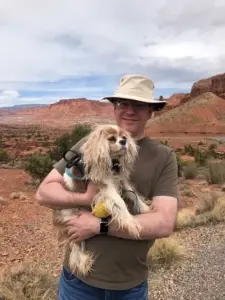
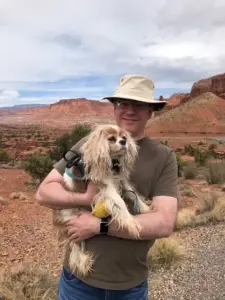
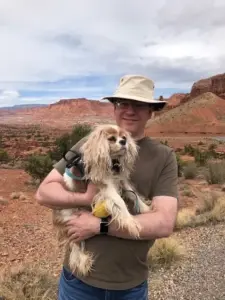
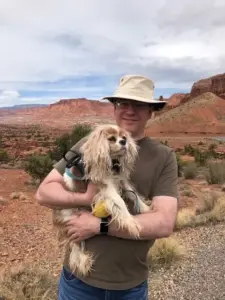
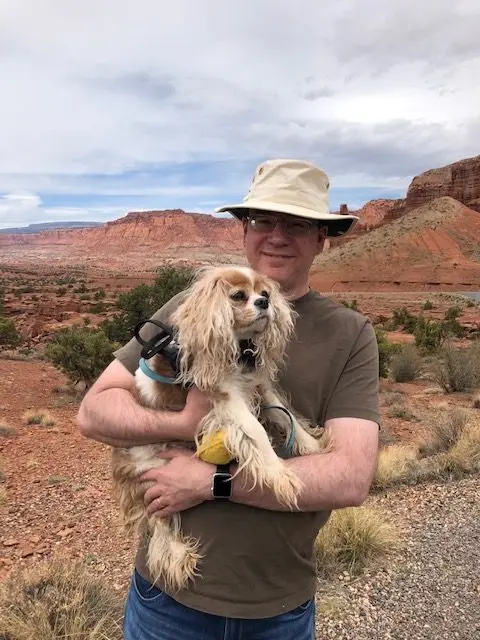
On the final leg of these transcontinental journeys, a strategic deviation from the well-trodden paths was executed. Opting to diverge from historic Route 66 well before reaching Gallup, New Mexico, the travel party routed toward the striking landscapes of Moab, Utah. This detour yielded encounters with some of the American West’s most arresting geological formations, most notably Capitol Reef National Park in Utah. During these excursions, travel companion Chloe became intimately acquainted with the local terrain—so much so that her light-colored fur temporarily acquired a distinct, rust-toned hue matching the iconic "Capitol Reef Red" sandstone of the region.
Phase III: The Pandemic Disruption and Platform Re-Entry
As the final boxes were unpacked in Seattle and the family infrastructure stabilized in early 2020, a new, macro-level disruption materialized: the global outbreak of COVID-19. Almost overnight, commercial aviation ground to a near-halt, state and national borders closed, and leisure travel vanished from public life.
Rather than allowing the platform to remain dormant indefinitely, leadership recognized that the psychological toll of isolation required an active, empathetic counter-measure. The decision was made to officially reactivate Dog Jaunt. Rather than focusing on immediate, actionable itineraries—which were rendered impractical by public health mandates—the platform chose to focus on foundational maintenance, historical retrospectives, and community-building exercises designed to sustain morale during a period of enforced stillness.
Supporting Context & Metrics
The Evolution of Pet Travel Regulations
A cornerstone of Dog Jaunt’s enduring utility has been its commitment to aggregating, verifying, and publishing complex regulatory frameworks governing animal transport. In-cabin pet policies vary wildly between commercial carriers, international jurisdictions, and regional jurisdictions, creating a labyrinthine compliance challenge for pet owners.
During the platform’s recent re-entry phase, administrative focus was immediately directed toward auditing and updating two critical assets:
- The U.S. Airline Pet Policies Chart: A comprehensive, continuously updated matrix detailing carrier-specific requirements regarding carrier dimensions, in-cabin weight limits, health certificate mandates, and seasonal embargoes across domestic carriers.
- The International Airline Pet Policies Chart: A specialized compendium focusing on foreign carriers, cross-border documentation, quarantine warnings, and in-cabin allowances for international routes.
While these tools are currently being viewed "wistfully, from living room couches," industry analysts emphasize that maintaining accurate baseline data is critical. When global transit eventually resumes, pet owners will face an altered landscape of carrier fees, modified aircraft configurations, and updated health protocols. Having an up-to-date informational repository minimizes systemic friction for travelers attempting to re-engage with the skies.
Community Metrics and Digital Infrastructure
The resilience of Dog Jaunt highlights an under-discussed metric in modern digital publishing: the retention value of niche, high-trust communities over broad-spectrum aggregators. While mainstream travel blogs experienced precipitous drops in engagement during the pandemic due to the cessation of tourism, community-driven micro-blogs relying on deeply invested user bases exhibited remarkable stickiness.
- Communication Channels: The platform has re-established pathways for user-generated content, leveraging direct email correspondence ([email protected]), dedicated blog comment sections, and auxiliary social media nodes such as the Dog Jaunt Facebook page.
- Archival Value vs. Ephemeral Feeds: Platform leadership has explicitly highlighted the structural difference between blog comments—which remain permanently indexed as a historical record of community discourse—and social media streams, which are inherently ephemeral, scrolling rapidly out of view. This distinction underscores a commitment to building a permanent, searchable archive of pet travel wisdom.
Official Statements & Community Perspectives
The reactivation of the platform was accompanied by candid reflections from leadership regarding the psychological transition from intense, high-stress caregiving logistics to a state of pandemic lockdown.
"Isn’t it ironic? For the past few years, I’ve been entirely focused on moving my in-laws, and then my own parents, out to Seattle… Now the parents are settled—and this dreadful virus is upon us, and no one is traveling. But Dog Jaunt Nation is resilient, and hopeful, and we can share tips and stories and look forward to better days."
Addressing the overwhelming public concern regarding the platform’s mascot, leadership confirmed that Chloe remains in exceptional health:
"Chloe is absolutely fine. She’s — well, let’s call it blonder — than she was, but she’s full of pep and bounce. Thank you to all of you who worried about her during this downtime, and forgive me for not writing back with reassurance."
Furthermore, leadership touched upon the psychological paradox of community management, particularly for individuals who identify personally with introversion yet find profound purpose in digital collectivism:
"The thing I valued most about Dog Jaunt — and this is odd, coming from a textbook introvert — was the community we created together. Especially in this anxious time, it’ll be a great source of comfort to be back in touch with Dog Jaunt Nation."
Future Outlook
As the world looks toward an eventual post-pandemic recovery, the trajectory of pet-inclusive travel is projected to undergo significant shifts. Industry observers note several key trends that will shape the sector moving forward:
- Surge in Domestic Road Transport: Given the lingering hesitations surrounding commercial aviation and shared indoor transit spaces, vehicular road trips—such as the transcontinental journeys documented by Dog Jaunt—are expected to remain the preferred method of holiday and relocation travel for pet owners in the near-to-medium term.
- Stricter Regulatory Scrutiny: Airlines and international customs agencies are anticipating a rise in pet travel as individuals seek out companionship following prolonged isolation periods. Consequently, carriers are expected to enforce existing policy dimensions and documentation requirements with heightened rigor, making comprehensive resources like Dog Jaunt’s policy charts indispensable.
- The Digital Community as a Psychological Safety Net: Beyond mere logistics, platforms that foster peer-to-peer connection among pet owners provide vital emotional support. Sharing troubleshooting tips, quarantine anecdotes, and archival road trip memories serves a therapeutic function during periods of systemic anxiety.
Dog Jaunt’s structured return demonstrates that specialized travel resources can successfully pivot during crises. By trading immediate itinerary planning for historical reflection, foundational database maintenance, and community solidarity, the platform has reinforced its position as an authoritative guide for those who refuse to travel without their four-legged companions.