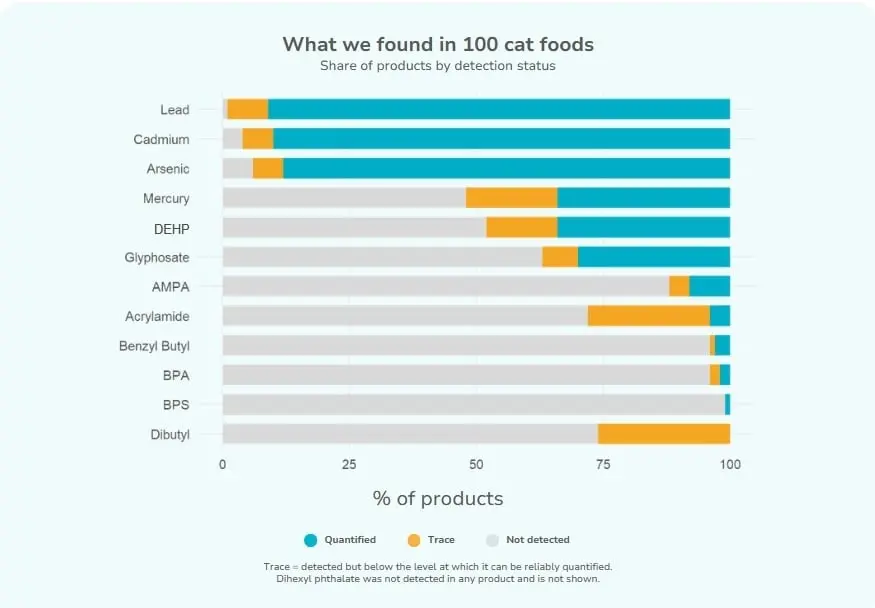
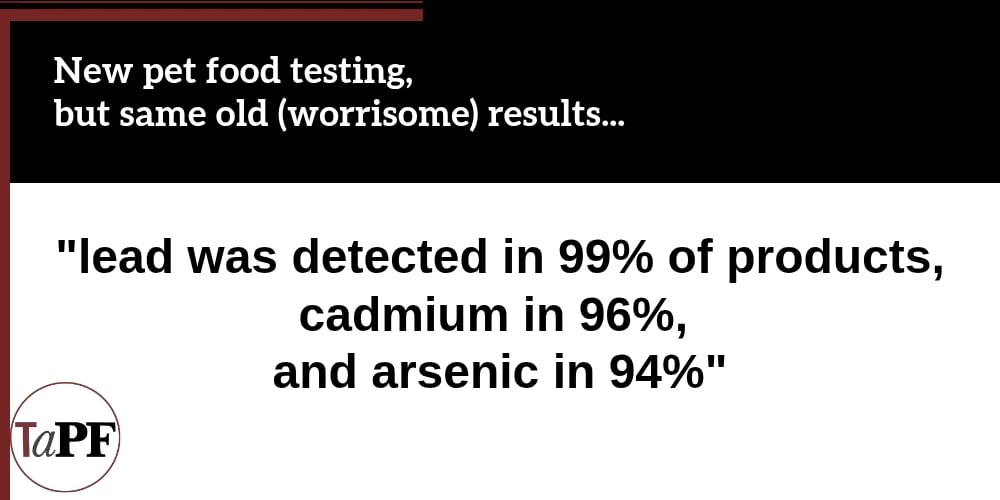
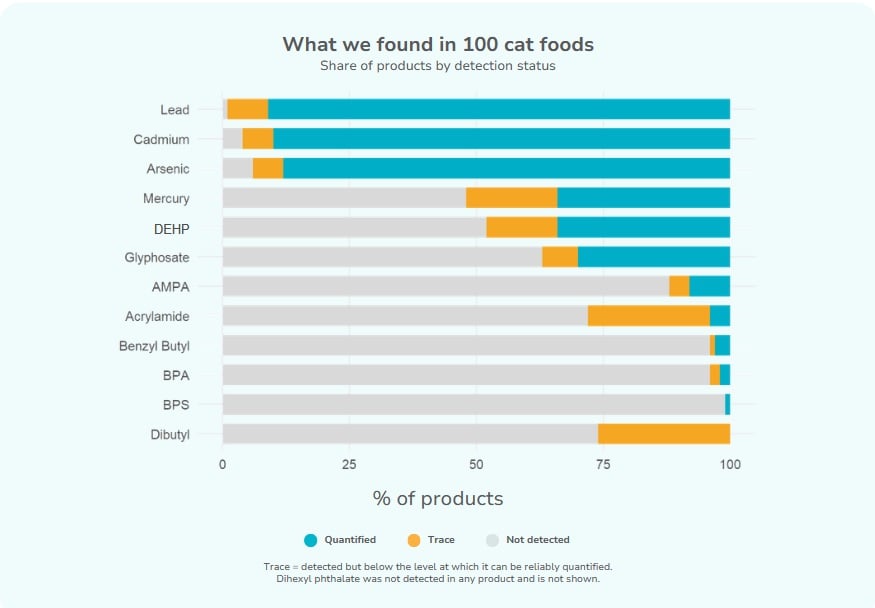
A growing body of independent scientific research has exposed a persistent safety hazard within the commercial pet food industry: widespread contamination by toxic heavy metals, accompanied by systemic regulatory oversight gaps. Recent data published by the Clean Label Project—a national non-profit dedicated to consumer product transparency—revealed that up to 99% of cat food products tested across 62 leading commercial brands contained detectable levels of heavy metals, including lead, mercury, arsenic, and cadmium.
This startling finding follows a related investigation into canine nutrition, which uncovered elevated concentrations of the same toxic elements in dry dog food formulations. These findings align with more than fifteen years of analytical testing conducted by academic institutions and independent laboratories, including SPEX CertiPrep and the University of Nevada, Reno.
Despite mounting evidence demonstrating that companion animals are subject to chronic, long-term exposure to bioaccumulative toxins, the regulatory apparatus governing pet food in the United States remains largely passive. The U.S. Food and Drug Administration (FDA) Center for Veterinary Medicine (CVM) currently enforces no formal legal tolerances or specific action levels for heavy metals in animal food. Instead, federal oversight relies on generic, case-by-case evaluations anchored to safety thresholds established for agricultural livestock—animals raised for short life cycles rather than domestic pets living alongside humans for decades.
This investigative report examines the timeline of scientific findings surrounding heavy metal contamination, analyzes the toxicity risks associated with long-term exposure, critiques the regulatory framework governing the pet food supply chain, and highlights calls from consumer advocates for immediate systemic reform.
Detailed Chronology of Scientific Findings
The issue of heavy metal contamination in commercial pet food is not a recent anomaly, but rather a long-standing structural vulnerability that has been documented by analytical chemists and researchers for nearly two decades.
+-----------------------------------------------------------------------------------+
|                            PET FOOD TOXICITY TIMELINE                             |
+-----------------------------------------------------------------------------------+
| 2009       | SPEX CertiPrep conducts baseline heavy metal testing on commercial  |
|            | pet foods, uncovering widespread trace element contamination.      |
+------------+----------------------------------------------------------------------+
| 2019       | SPEX CertiPrep repeats testing a decade later, demonstrating that   |
|            | heavy metal contamination levels remained largely unmitigated.       |
+------------+----------------------------------------------------------------------+
| 2021       | University of Nevada, Reno publishes peer-reviewed data showing      |
|            | toxic mercury levels and widespread DNA mislabeling of ingredients.  |
+------------+----------------------------------------------------------------------+
| Feb 2026   | Clean Label Project releases Dog Food White Paper, showing high metal |
|            | levels in kibble vs. significantly lower levels in fresh/frozen food.|
+------------+----------------------------------------------------------------------+
| Late 2026  | Clean Label Project Cat Food Study reveals up to 99% of tested products |
|            | across 62 major brands contain lead, mercury, arsenic, or cadmium.   |
+-----------------------------------------------------------------------------------+
2009–2019: SPEX CertiPrep Baseline Studies
In 2009, analytical testing authority SPEX CertiPrep conducted a landmark study evaluating heavy metal concentrations in off-the-shelf pet foods. Utilizing Inductively Coupled Plasma Mass Spectrometry (ICP-MS), researchers screened samples for toxic elements, establishing a baseline of contamination across common dry and canned pet food formulations.
A decade later, in 2019, SPEX CertiPrep conducted a follow-up study to assess whether industry manufacturing practices or regulatory pressure had reduced these toxic burdens. The comparative results revealed that heavy metal levels had remained virtually unchanged over the ten-year period, indicating an ongoing reliance on raw ingredients susceptible to environmental contamination and industrial processing pollution.
2021: University of Nevada, Reno Investigation
In 2021, researchers at the University of Nevada, Reno published a comprehensive assessment examining heavy metal concentrations and ingredient authenticity in pet foods. The study yielded two major conclusions:
Mercury Bioaccumulation: The laboratory identified concentrations of mercury in commercial products that were deemed dangerously high for chronic daily consumption.
DNA Mislabeling and Economic Adulteration: Utilizing genomic DNA analysis, researchers tested pet food samples against their declared ingredient lists. The team uncovered widespread misrepresentation. Products advertised as containing high-value protein sources (such as specific ocean fish or novelty meats) consistently contained unlisted, low-value ingredients—primarily commodity poultry. Crucially, every single sample analyzed exhibited some degree of ingredient inaccuracy.
February 2026: Clean Label Project Dog Food Study
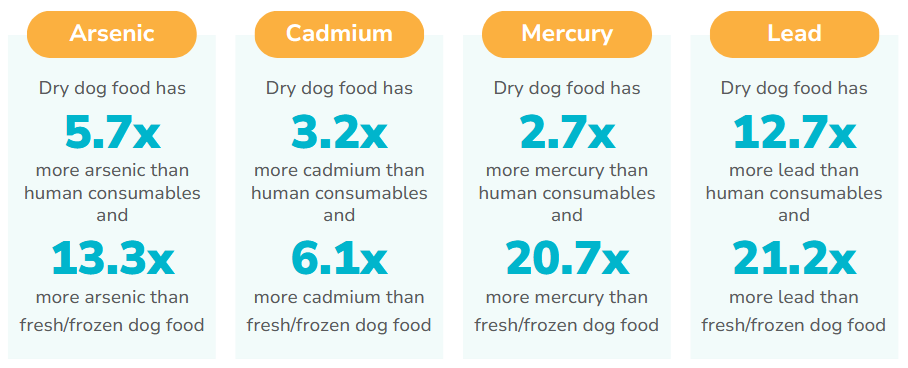
In early 2026, the Clean Label Project published a white paper titled "Extremely High Levels of Lead, Mercury, Arsenic, and Cadmium Found in Dry Dog Food." This investigation evaluated hundreds of canine diet samples and benchmarked the contaminant levels against human food safety standards.
The report highlighted a significant structural divergence in manufacturing quality: conventional dry dog food (kibble) exhibited dramatically higher toxic metal concentrations compared to fresh, human-grade, and frozen dog food products. The high-heat, high-pressure extrusion process and heavy reliance on low-grade rendered meat meals in dry kibble production were identified as key contributing factors.
Late 2026: Clean Label Project Cat Food Study
Building upon its canine research, the Clean Label Project expanded its testing program to feline nutrition, culminating in the study "Heavy Metals Found in Up to 99% of Cat Food Products Tested Across 62 Brands." Screening across dozens of market-leading brands revealed near-universal exposure to at least one toxic heavy metal. Because cats are obligate carnivores that often rely on a single manufactured diet for their entire lives, these findings raised immediate concern among veterinary toxicologists and animal health advocates.
Supporting Context, Metrics, and Toxicological Risks
The "Big Four" Heavy Metal Contaminants
Heavy metals represent a category of elemental pollutants that possess high atomic weights and densities. Unlike organic compounds, they cannot be broken down or metabolized; instead, they accumulate in organ tissue over time.
+---------------------------------------------------------------------------------------+
|                       SUMMARY OF HEAVY METAL PATHOLOGIES IN PETS                      |
+-------------------+-------------------------------------------------------------------+
| Heavy Metal       | Primary Biological Targets & Clinical Consequences                |
+-------------------+-------------------------------------------------------------------+
| Lead (Pb)         | Central Nervous System, Bone Marrow, Kidneys                      |
|                   | Toxicities: Encephalopathy, anemia, chronic renal disease         |
+-------------------+-------------------------------------------------------------------+
| Mercury (Hg)      | Brain, Renal System                                               |
|                   | Toxicities: Neurotoxicity, acute/chronic renal failure            |
+-------------------+-------------------------------------------------------------------+
| Arsenic (As)      | Gastrointestinal Tract, Vascular System, Skin                     |
|                   | Toxicities: Severe GI mucosal damage, carcinogenicity             |
+-------------------+-------------------------------------------------------------------+
| Cadmium (Cd)      | Renal Cortex, Skeletal Structure                                  |
|                   | Toxicities: Tubular dysfunction, osteomalacia, organ failure      |
+---------------------------------------------------------------------------------------+
Lead (Pb): A potent neurotoxin that sequesters in bone tissue and soft organs. Chronic low-dose ingestion in dogs and cats leads to subtle, progressive central nervous system impairment, gastrointestinal distress, and irreversible renal damage.
Mercury (Hg): Primarily introduced through bioaccumulative marine proteins (such as tuna, salmon, and fish by-products). Mercury targets the central nervous system and kidneys. In cats, chronic exposure can induce ataxia, tremors, and end-stage renal failure.
Arsenic (As): Frequently introduced via agricultural inputs, contaminated groundwater, or poor-quality mineral supplements. Arsenic is a known carcinogen that causes vascular degradation, tissue necrosis, and multi-organ disruption.
Cadmium (Cd): Often concentrated in plant-based ingredients grown in phosphate-fertilized soils, as well as organ meats from old livestock. Cadmium targets the renal tubules and disrupts calcium metabolism, weakening bone integrity.
Processing Formats and Contamination Vectors
The physical format of pet food strongly correlates with its toxic heavy metal burden. Comparative metrics across recent studies demonstrate a distinct hierarchy of risk:
Dry Extruded Kibble: Exhibits the highest average concentrations of heavy metals. Kibble relies heavily on rendered animal protein meals (where heavy metals accumulate in bone and connective tissue), agricultural crop fractions (such as rice and legumes, which absorb soil contaminants), and synthetic vitamin/mineral premixes sourced from industrial supply chains.
Wet/Canned Foods: Demonstrates variable results. Formulations rich in apex ocean predators (e.g., tuna-based wet cat foods) display elevated mercury levels, whereas non-seafood canned diets generally carry lower toxic metal burdens than dry kibbles.
Fresh, Frozen, and Gently Cooked Diets: Consistently yield the lowest contaminant scores. These formulations typically utilize human-grade whole food ingredients, avoiding low-grade rendered meals and excessive synthetic mineral concentrates.
In response to public and academic inquiries regarding heavy metals in animal feed, the FDA Center for Veterinary Medicine (CVM) issued an official statement outlining its regulatory approach:
"While the FDA CVM has not promulgated guidance, action levels, or tolerances for heavy metal levels in animal food, the FDA has—and uses—the authority to take action on a case-by-case basis where a particular animal food is found through routine or targeted testing to be adulterated. This is accomplished by taking into consideration information provided in the National Research Council of the National Academies Mineral Tolerance of Animals book (NRC) as well as information provided in the Association of American Feed Control Officials Official Publication (AAFCO OP)."
Deconstructing the Regulatory Gap
Translating the FDA’s position into plain language reveals a significant regulatory vacuum:
Absence of Enforceable Limits: Unlike human food—which is subject to explicit action levels for contaminants like lead and arsenic, particularly in products intended for vulnerable populations like infants—pet food has no codified federal ceilings for heavy metals.
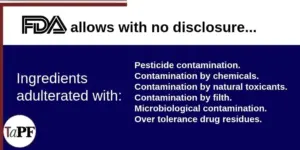
Reactive Case-by-Case Enforcement: The FDA does not proactively enforce heavy metal limits before products reach retail shelves. Action is taken only after a product is flagged as "adulterated" through post-market testing or acute toxicity outbreaks.
Inappropriate Regulatory Benchmarks: The reference materials cited by the FDA—the NRC’s Mineral Tolerance of Animals and the AAFCO Official Publication—were developed primarily for agricultural livestock (swine, cattle, poultry).
Critique from Consumer Advocates
Pet food safety advocates argue that applying livestock standards to companion animals represents a fundamental policy failure. The Clean Label Project summarized this structural flaw in its cat food report:
"While human foods can often be compared to third-party regulatory thresholds, few (if any) regulations exist surrounding these contaminants in cat food. The few reference values that do exist for animal feed—maximum tolerable levels published by the National Research Council and the Association of American Feed Control Officials (AAFCO)—were derived to prevent acute poisoning in livestock, not to protect a housecat eating the same food every day for fifteen years. These regulations, heavily influenced by trade, provide false security and a ready-made excuse to reassure consumers about the products’ purported safety."
"How many studies evidencing US pet food is frequently contaminated/adulterated is it going to take for FDA to establish maximum allowed levels for heavy metals, pesticides, plastics in pet foods?"
Future Outlook and Necessary Industry Reforms
The convergence of multi-year academic research, independent laboratory testing, and aggressive consumer advocacy has pushed pet food safety to a critical juncture. Addressing the chronic contamination of companion animal diets requires systemic structural changes across regulatory and commercial domains.
Proposed Regulatory Reform Agenda
Establishment of Mandatory Maximum Residue Limits (MRLs): The FDA CVM must establish legally binding, federal maximum action levels for lead, mercury, cadmium, and arsenic specifically calibrated for cats and dogs, accounting for chronic daily exposure over a 15-to-20-year lifespan.
Modernization of Ingredient Sourcing Rules: Feed-grade rendered materials—which often concentrate toxins through the processing of diseased animal tissues, bones, and fallen stock—must be subject to strict heavy metal screening before entry into the manufacturing supply chain.
Mandatory Third-Party Auditing and Transparency: Pet food manufacturers should be required to publish Certificates of Analysis (CoAs) for heavy metals, mycotoxins, and chemical residues for every production lot, making this data accessible to veterinarians and consumers.
Elimination of Economic Adulteration: Regulatory bodies must deploy regular genomic DNA testing to penalize manufacturers that substitute premium protein claims with low-value, high-risk commodity fillers.
Path Forward for Consumers
While structural regulatory change remains pending, consumer awareness is shifting purchasing trends. Pet owners seeking to minimize heavy metal risks are increasingly moving away from mass-market dry kibbles toward transparently sourced, fresh, frozen, or third-party verified diets.
As advocacy groups continue to pressure federal agencies at AAFCO and FDA proceedings, the demand for mandatory heavy metal standards remains one of the most pressing safety issues in modern veterinary public health.