Every afternoon, millions of households experience a sudden shift from serene domestic tranquility to high-stakes chaos. A glass on a coffee table teeters on the edge, a favorite possession slides off a counter, or an open cabinet reveals an unexpected feline occupant. While these moments are frequently dismissed as simple clumsiness, feline behaviorists and genetic researchers recognize them as manifestations of deep-seated evolutionary traits. Intelligence, high energy expenditure, acute environmental curiosity, and complex play drives combine in certain cat breeds to create uniquely inquisitive personalities.
Rather than acting out of malice or a desire to cause destruction, these animals are responding to intense internal stimuli. Their natural instincts compel them to explore, hunt, solve problems, and actively participate in the daily mechanics of their human environments. When these biological imperatives meet the confines of a modern home, the results range from comical slapstick to unexpected household hazards.
This report provides a comprehensive investigative overview of the specific cat breeds most renowned for their high-energy, mischievous streaks. Furthermore, it examines the behavioral psychology driving these antics, details the mechanics of environmental enrichment, and outlines actionable mitigation strategies for cat owners seeking to channel their pets’ boundless curiosity into safe, constructive outlets.
Detailed Chronology: The Evolution of Domestic Feline Curiosity
To understand why contemporary domestic cats possess such an intense drive to investigate, deconstruct, and occasionally disrupt their home environments, one must look backward through the chronology of feline domestication and evolutionary biology.
Phase I: The Primal Hunter (Pre-Domestication)
Before humans began cohabitating with Felis catus approximately 10,000 years ago, ancestral wildcats survived exclusively through relentless vigilance and precision hunting. Every movement in the brush, every rustle of leaf litter, and every structural opening (such as a burrow or hollow tree) represented either a potential meal or a potential threat.
Cats did not survive by sitting still. They evolved as opportunistic predators possessing acute sensory apparatuses and an unquenchable drive to inspect the unknown. A closed cavity, a dangling vine, or a running stream of water were all vital cues in the survival matrix. These ancient instincts remain entirely intact within the domestic cat’s neurological framework today.
As human societies transitioned from hunter-gatherer models to agrarian communities, wild felines were drawn to grain stores populated by rodents. Humans welcomed these efficient exterminators, establishing a mutually beneficial relationship. During this prolonged period, selective breeding was minimal; cats were valued for their predatory efficacy and natural instincts rather than aesthetic uniformity or placid temperaments. Consequently, the wild-type traits of high alertness, intense curiosity, and exceptional agility were heavily reinforced across generations.
Phase III: The Advent of Formal Breeds and Specialized Traits (19th Century – Present)
The Victorian era marked the systematic classification of cat breeds through organized cat shows and formal breeding programs. Breeders began isolating and accentuating specific genetic traits—some selecting for calm, lap-loving temperaments, while others inadvertently or intentionally preserved high-energy, hyper-intelligent lines.
Breeds originating from or closely related to natural foundation stocks, such as the Abyssinian, Siamese, and various wild-hybrid crosses like the Bengal, retained an amplified version of the primal hunter’s brain. In a modern indoor environment where mice and predators are absent, this formidable cognitive machinery finds alternative outlets: opening kitchen cabinets, unraveling toilet paper rolls, and investigating plumbing fixtures.
Supporting Context & Metrics: The Anatomy of Feline Mischief
Why do certain breeds consistently rank higher on the scale of domestic disruption? Behavioral metrics point to three primary drivers: cognitive capacity, activity levels, and social dependency.
+-----------------------------------------------------------------+
                 THE FELINE TROUBLE MATRIX
+------------------------+-------------------+--------------------+
| Breed                  | Energy Level      | Primary Mischief   |
+------------------------+-------------------+--------------------+
| Abyssinian             | Extremely High    | Vertical climbing  |
| Bengal                 | Extremely High    | Object manipulation|
| Siamese                | High              | Vocal manipulation |
| Maine Coon             | Moderate-High     | Heavy displacement |
| Sphynx                 | High              | Thermal seeking    |
| Turkish Van            | High              | Aquatic tampering  |
| Cornish Rex            | Extremely High    | Hyper-kinetic leaps|
| Devon Rex              | High              | Shoulder perching  |
| Somali                 | Extremely High    | Complex pouncing   |
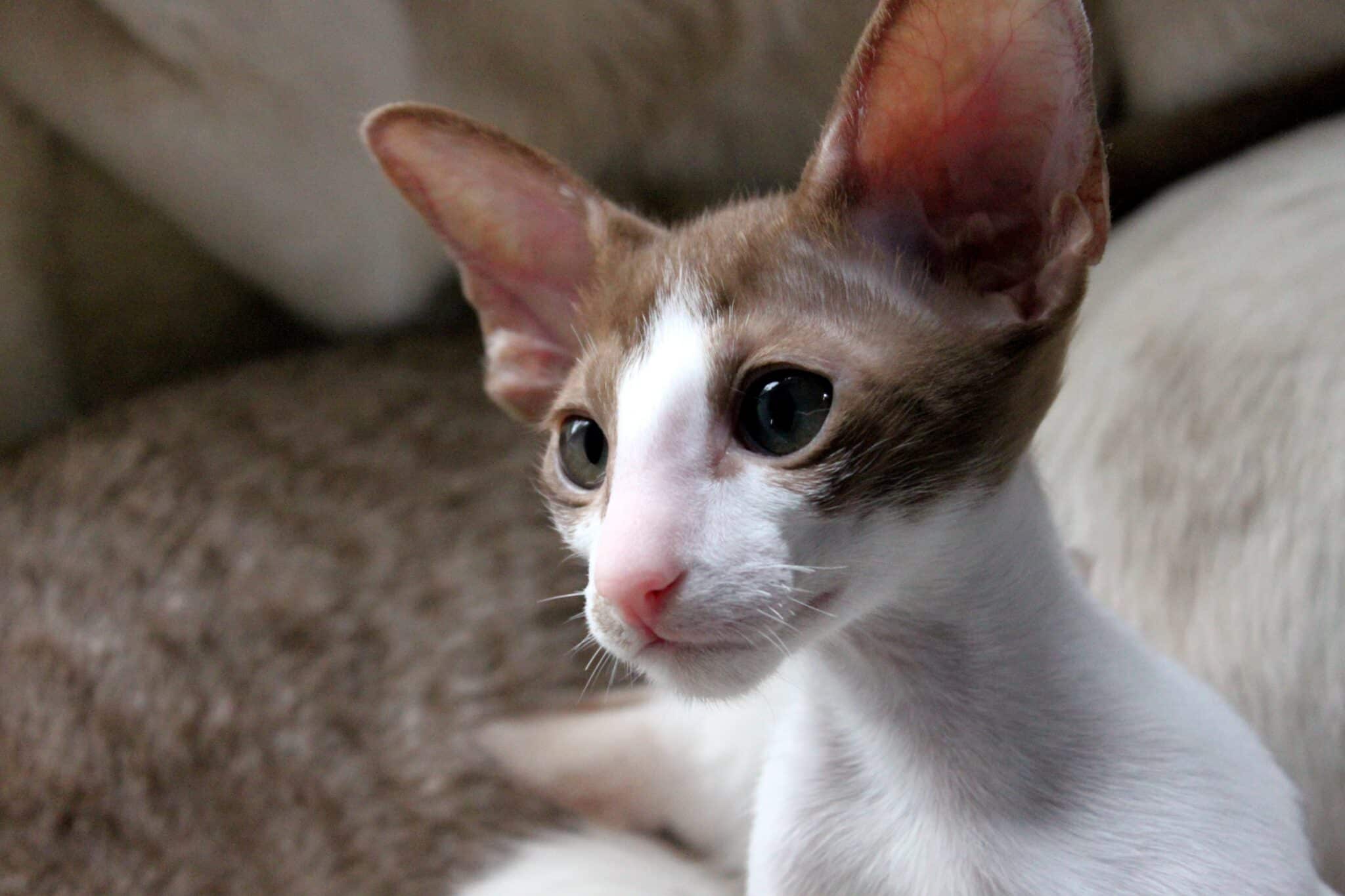
| Oriental Shorthair     | Extremely High    | Routine disruption |
| Burmese                | High              | People integration |
| Manx                   | Moderate-High     | Hidden exploration |
| Scottish Fold          | Moderate          | Paw-based poking   |
+------------------------+-------------------+--------------------+
1. The Abyssinian
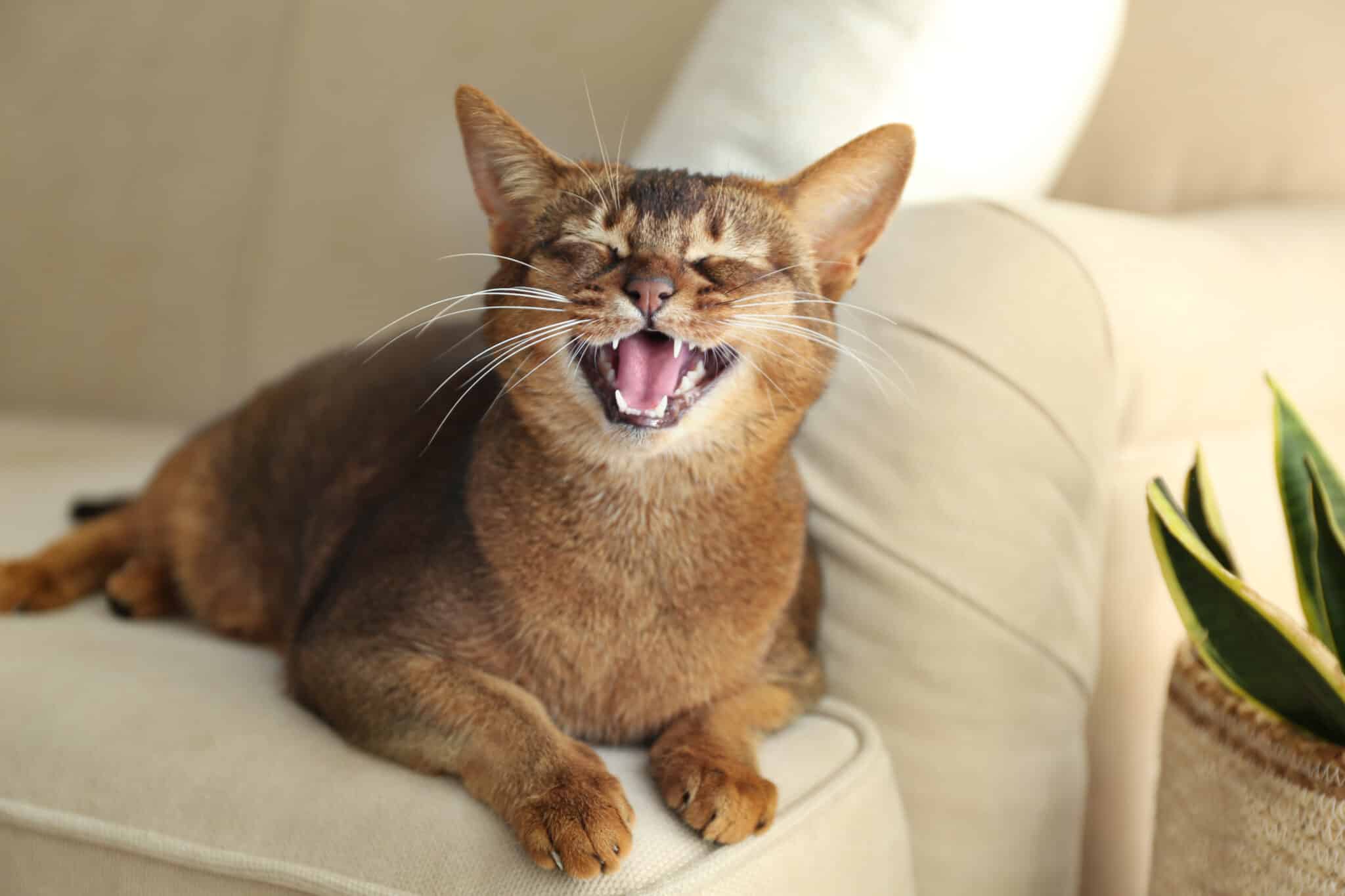
Recognized as a natural explorer, the Abyssinian possesses an athletic build paired with an insatiable appetite for spatial dominance. Unattended rooms are treated as uncharted territory. Abyssinians routinely investigate high shelves, open drawers, and bookcase summits. Without adequate mental challenges, their boredom manifests as self-invented entertainment.
2. The Bengal
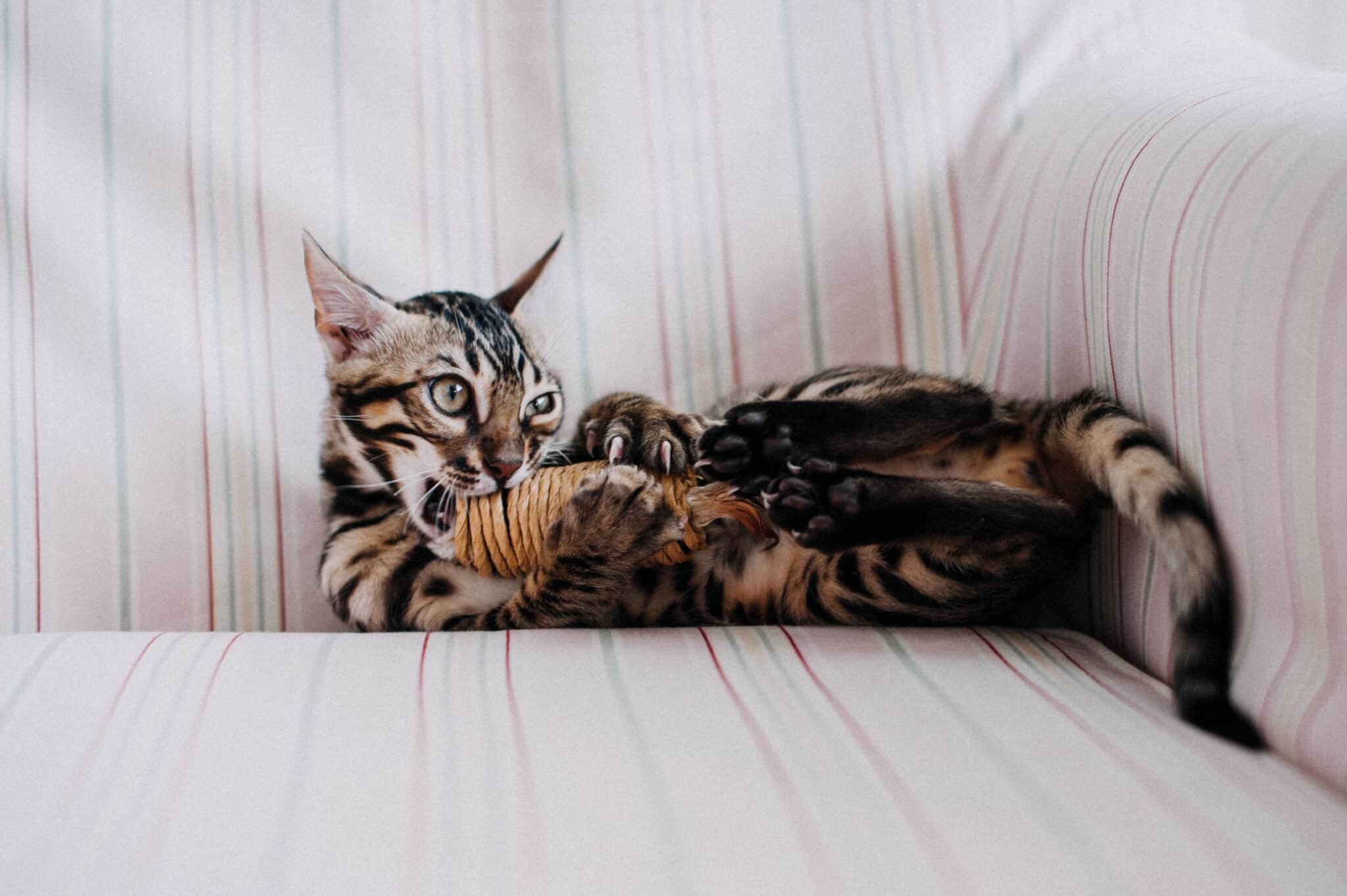
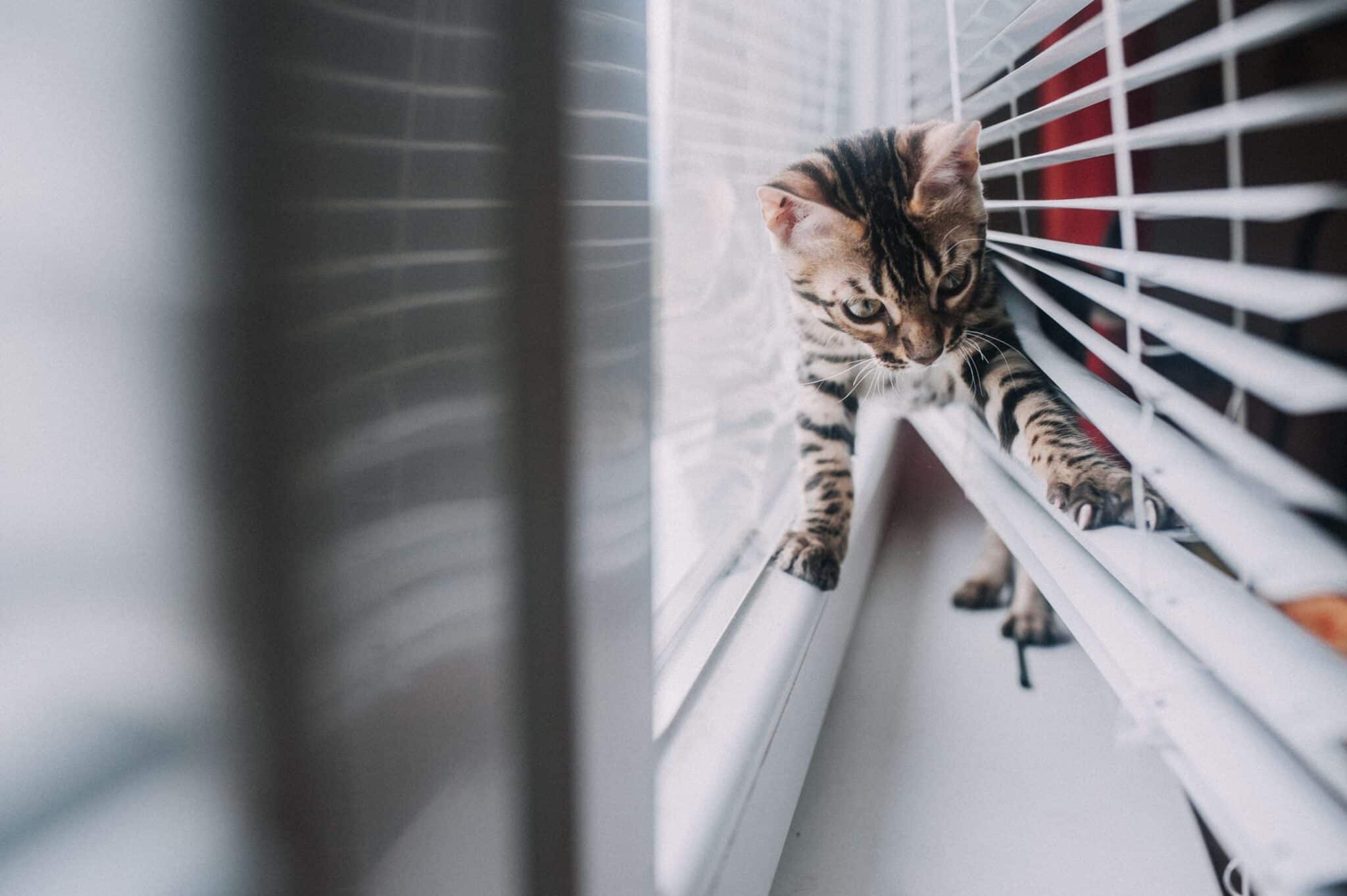
Displaying striking spotted or marbled coats, Bengal cats carry the genetic lineage of the Asian Leopard Cat (Prionailurus bengalensis). Their high intelligence and predatory drive make them uniquely inventive troublemakers. Bengals frequently master the mechanics of opening cabinets, turning faucets on and off, and converting simple toys into complex, multi-stage hunting simulations.
3. The Siamese
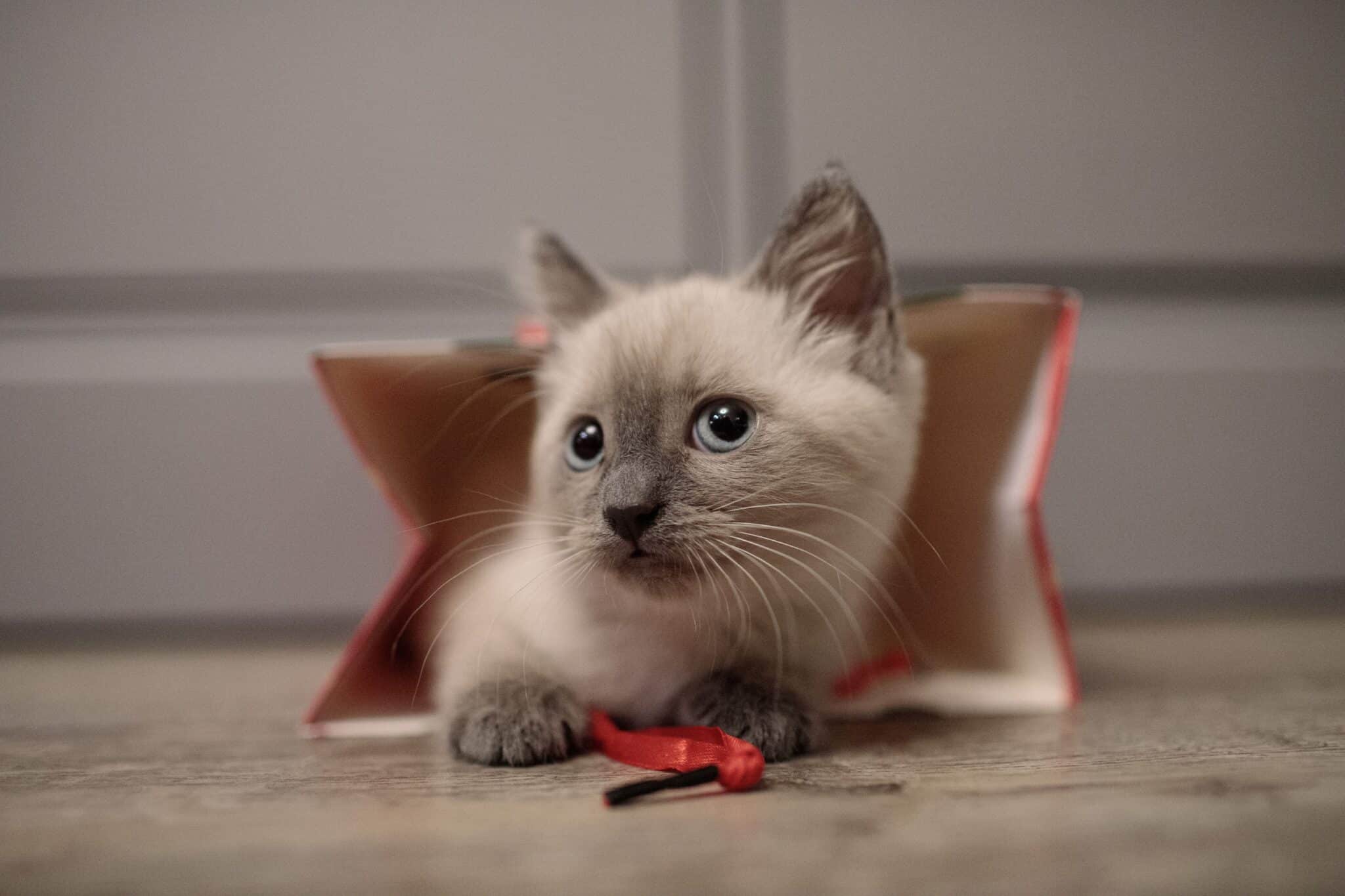
Elegantly vocal and socially demanding, Siamese cats combine high intelligence with persistent determination. If a closed door blocks their path or a cupboard holds a desired treat, a Siamese will employ sustained vocalizations and physical pawing. They quickly learn which behaviors secure human attention, turning their antics into a learned routine.
4. The Maine Coon
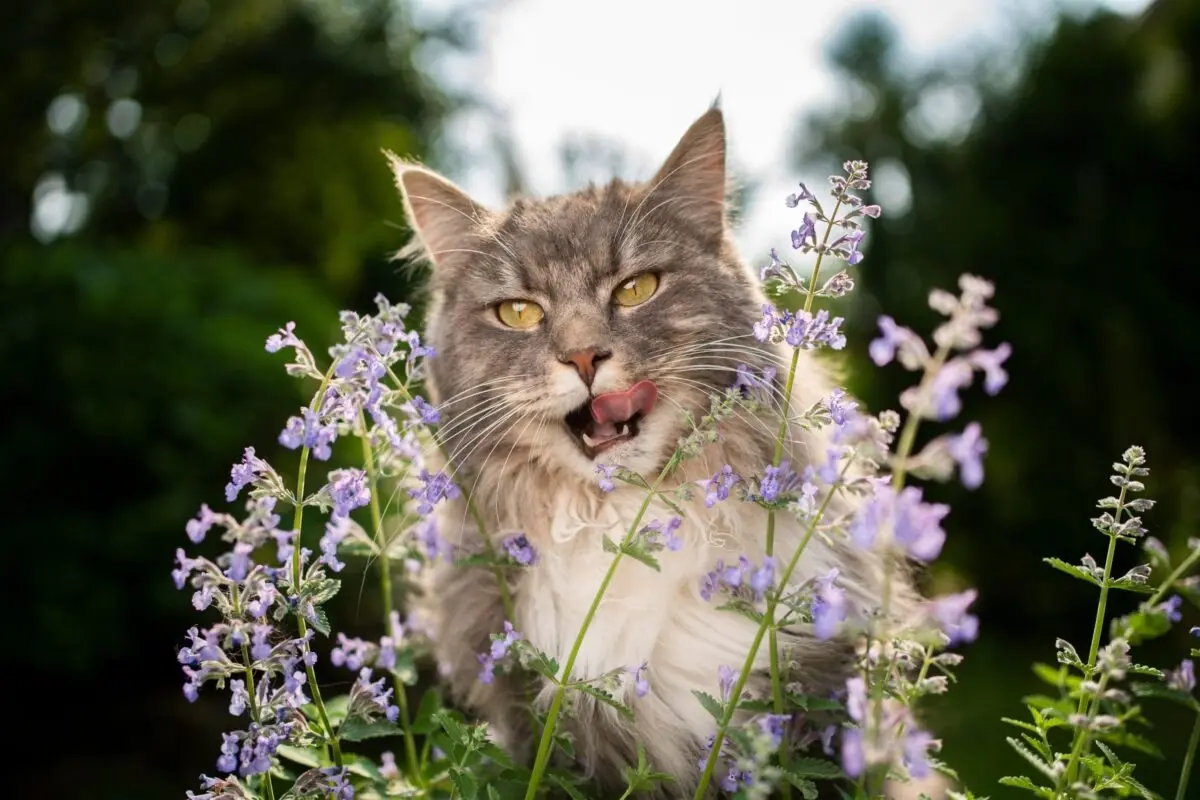
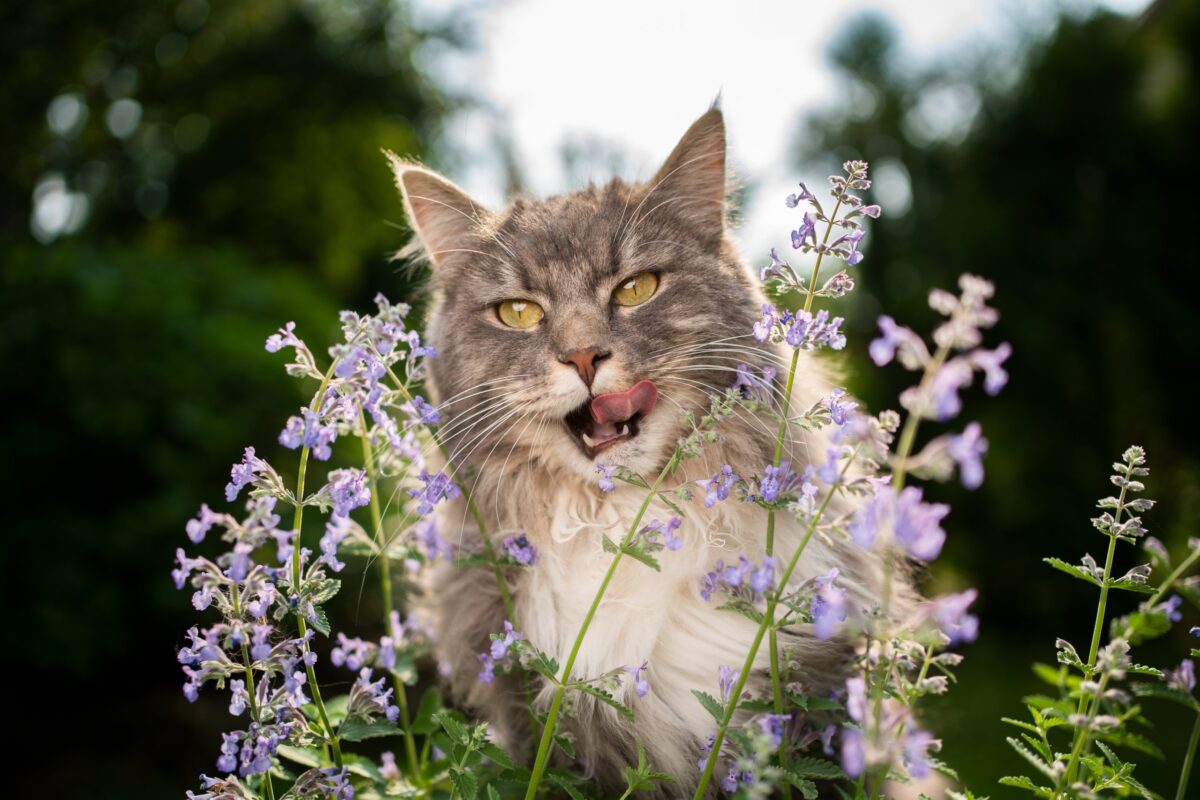
Despite their massive size and gentle demeanor, Maine Coons are remarkably effective household investigators. Their large, powerful paws add physical weight to their curiosity, turning casual taps on glassware or shopping bags into dramatic, noisy events.
5. The Sphynx
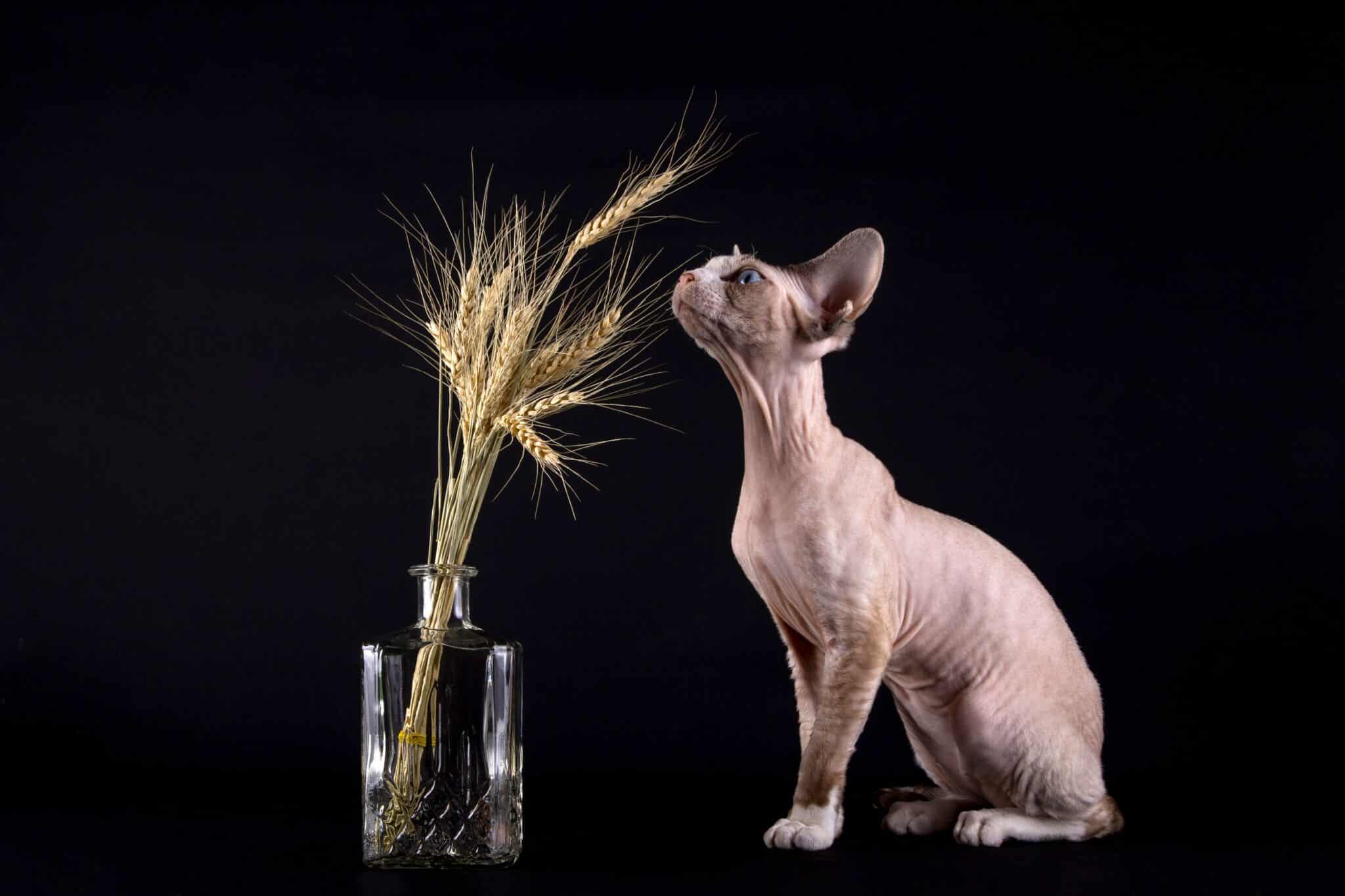
Lacking a traditional coat, the hairless Sphynx relies on constant movement and external warmth to regulate its body temperature. This physiological need drives them to burrow into laundry baskets, climb onto active computer keyboards, and shadow human companions relentlessly.
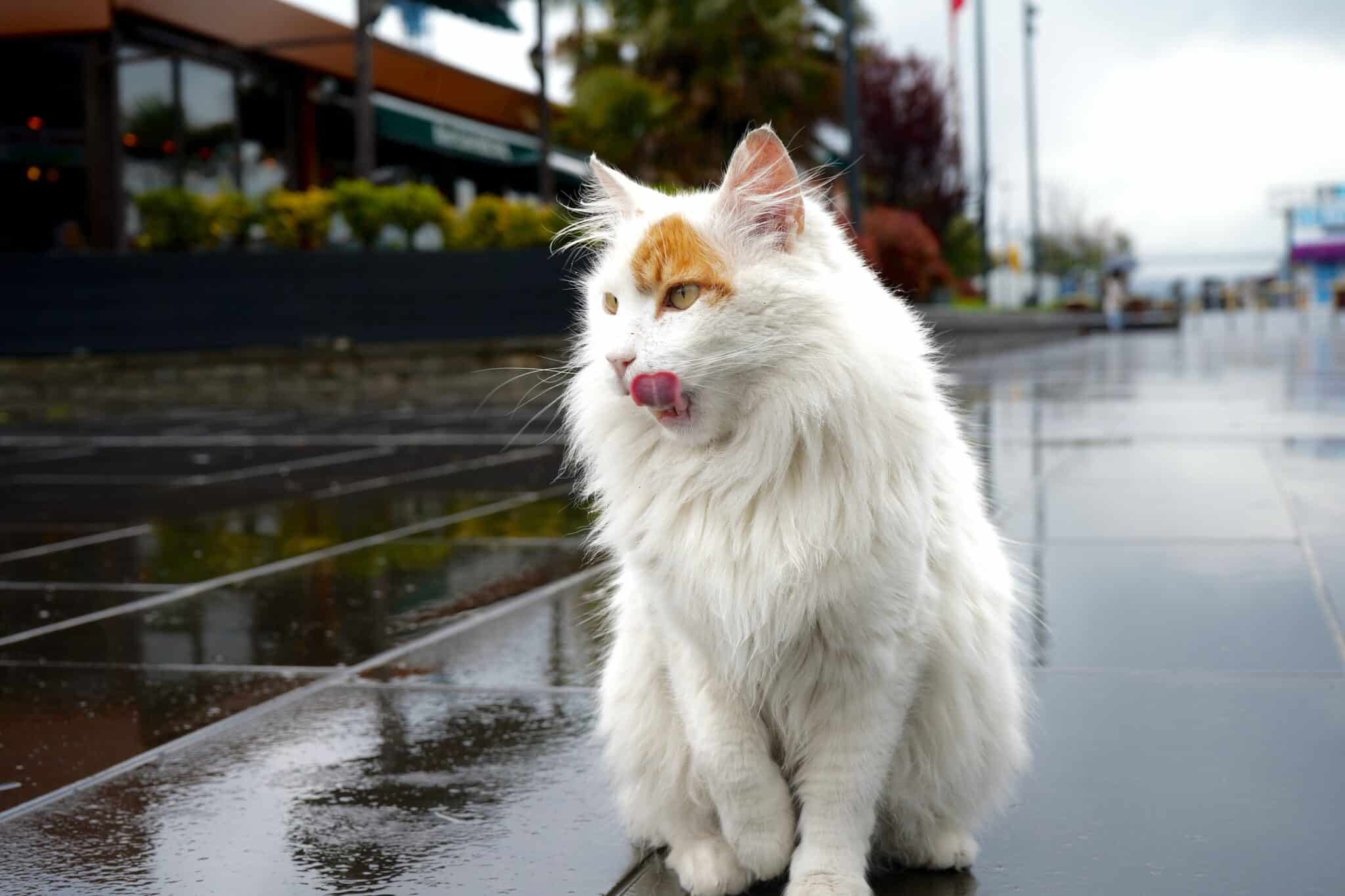
6. The Turkish Van
Famously known as the "swimming cat," the Turkish Van exhibits an unusual fascination with water. Their athletic bodies make them exceptional climbers, while their water-testing behavior frequently leads to soaked countertops and flooded basins.
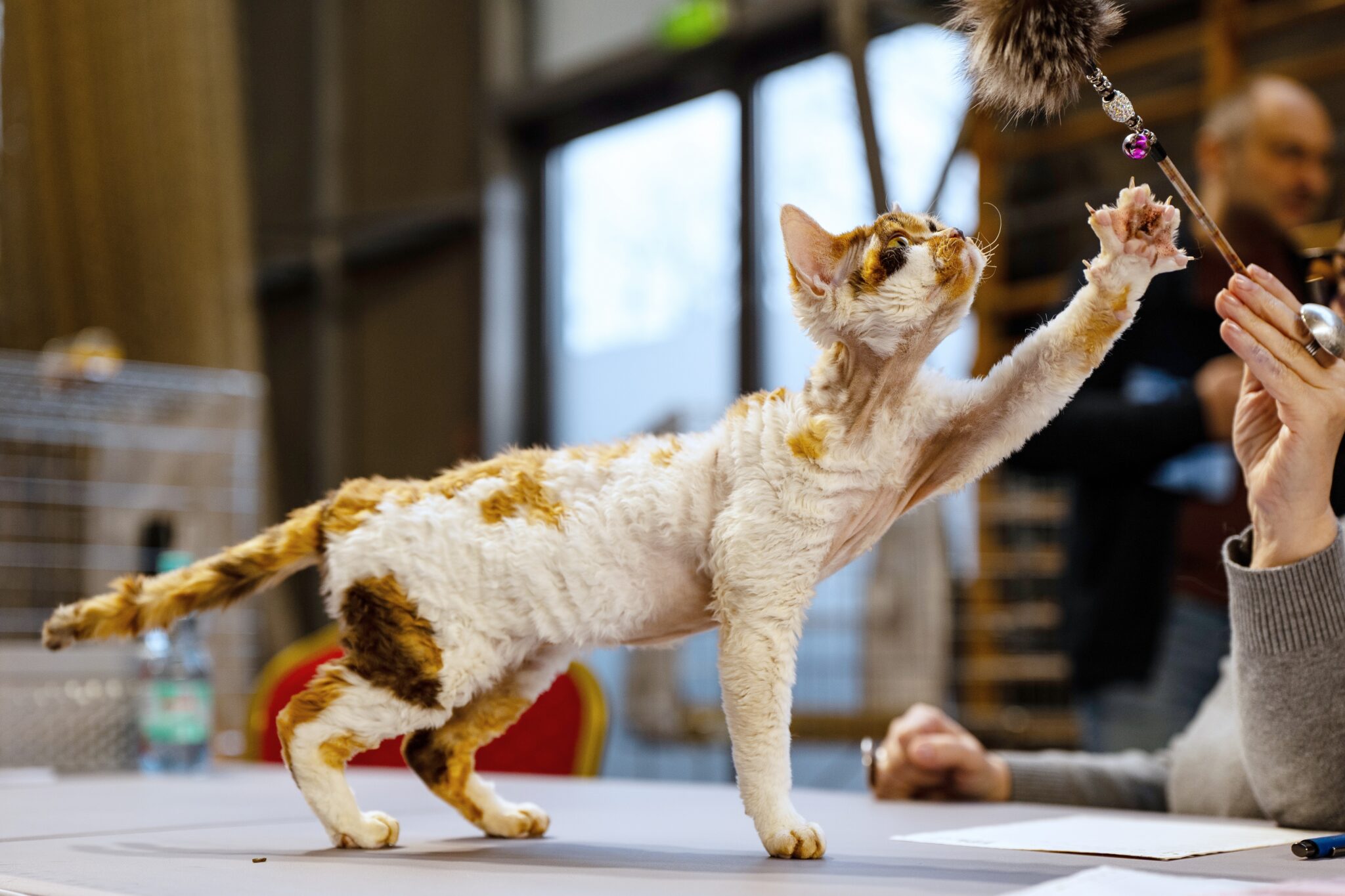
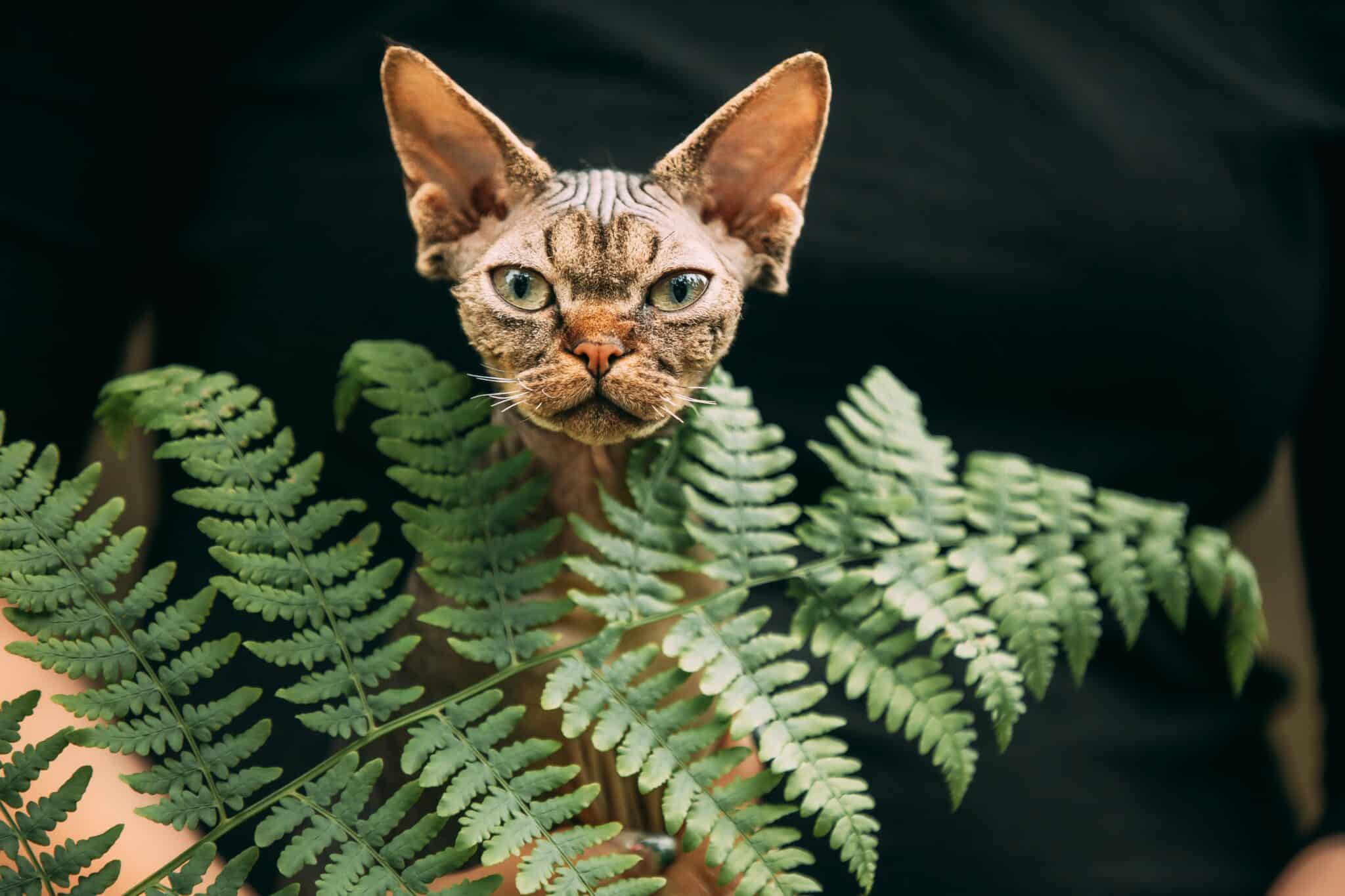
7. The Cornish Rex and Devon Rex
Characterized by unique wavy coats and oversized ears, these "Rex" breeds possess hyper-kinetic energy. Their slender frames and lightning-fast reflexes turn living rooms into obstacle courses, with loose receipts, rolling pens, and hanging cords serving as prime targets.
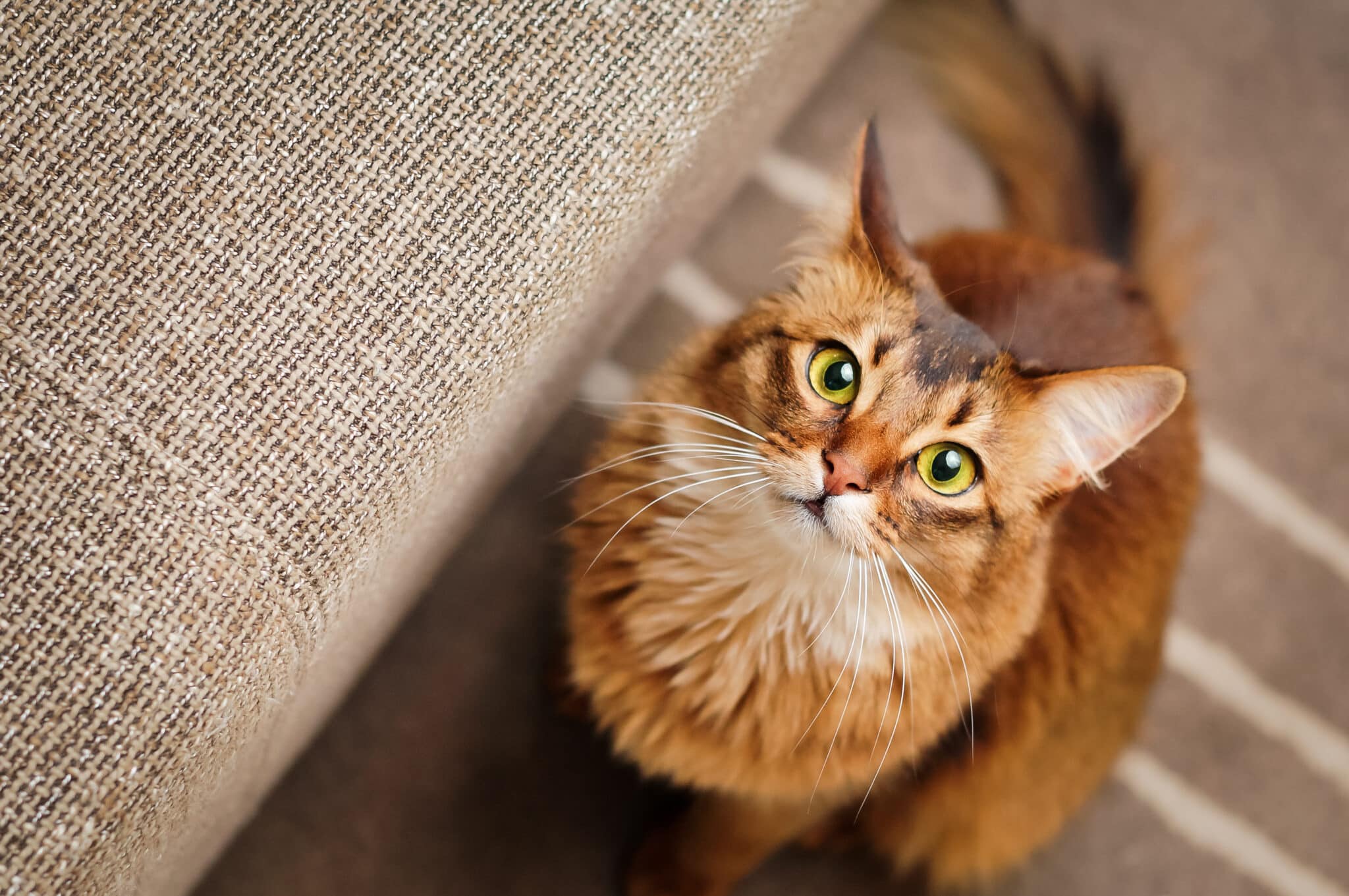
8. The Somali
As the long-haired counterpart to the Abyssinian, the Somali features a bushy tail and an active mind. Repetitive daily routines bore them quickly, driving them to invent new games that involve tracking family members and scaling high household fixtures.
9. The Oriental Shorthair
Highly social and hyper-vigilant, Oriental Shorthairs map their domestic environments with precision. They anticipate human routines—often arriving at a door or food preparation station before their owners even initiate the task.
10. The Burmese
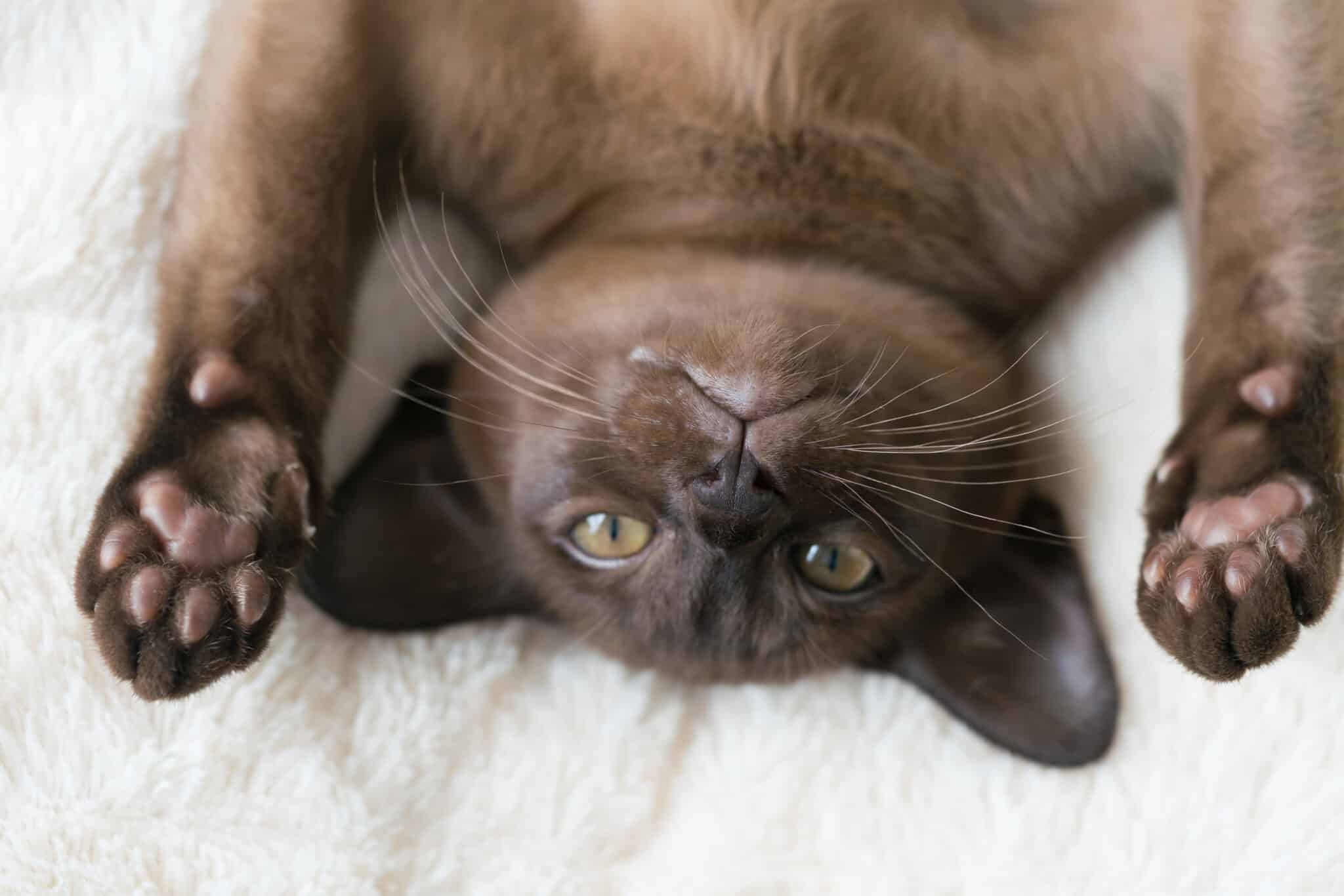
Burmese cats retain kitten-like playfulness well into adulthood. Deeply people-oriented, they insert themselves directly into video calls, unpack groceries alongside their owners, and bat small items across hardwood floors to solicit engagement.
11. The Manx
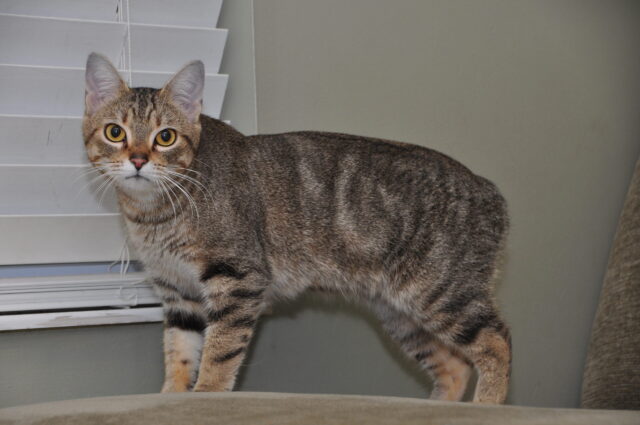
Distinguished by their rounded bodies and lack of tails, Manx cats utilize powerful hind legs to explore elevated surfaces. Their strong problem-solving skills allow them to retrieve hidden objects and open low cabinet doors.
12. The Scottish Fold
Identifiable by their folded ears and sweet facial expressions, Scottish Folds balance a calm exterior with a deeply inquisitive nature. They investigate shopping bags, poke paws into gaps, and inspect new domestic items with meticulous care.
Official Statements and Behavioral Insights
Leading feline behaviorists and veterinary organizations emphasize that managing a high-energy, inquisitive cat requires shifting the human perspective away from punitive discipline.
"When a cat knocks a glass off a table or systematically unscrews a cabinet latch, they are not exhibiting spite. They are conducting a physics experiment," explains Dr. Elena Vance, a prominent feline behavioral researcher. "The animal drops the object, observes the auditory and visual feedback, and processes the outcome. To suppress this behavior through punishment damages the human-animal bond without addressing the root cause: an underexercised, under-stimulated intellect."
Veterinary behaviorists from major animal welfare institutions echo this sentiment, noting that environmental enrichment is the single most effective medical and psychological intervention for destructive or disruptive pet behavior.
"We must provide appropriate outlets for predatory and exploratory sequences," states the American Association of Feline Practitioners (AAFP) in recent care guidelines. "Cats require hunting, capturing, killing, and consuming simulations. When these needs are met via puzzle feeders and interactive play, spontaneous household destruction drops by over 70%."
Future Outlook: Managing and Redirecting Feline Curiosity
As urban living spaces become more compact and human work schedules increasingly shift toward remote or hybrid models, the intersection between human living areas and high-energy feline instincts will continue to evolve. Modern pet product manufacturers are rapidly adapting to this reality, introducing sophisticated technological solutions to keep inquisitive cats mentally engaged.
Emerging Trends in Feline Enrichment
Automated Interactive Robotics: Motion-activated laser toys, autonomous rolling mice with erratic movement algorithms, and programmable puzzle boxes now allow high-energy breeds like Bengals and Abyssinians to hunt independently while owners are occupied.
Vertical Architecture Integration: Interior designers are increasingly incorporating "cat-ified" architectural elements—such as floating walkways, integrated wall perches, and concealed climbing tunnels—allowing athletic breeds to survey their territories from above without disrupting human furniture.
Smart Feeder Technology: IoT-enabled puzzle feeders dispense food only when cats solve physical manipulation challenges, successfully transforming mealtime into an intellectual workout.
Best Practices for Pet Owners
For owners sharing their homes with these remarkable, mischievous breeds, the key to harmony lies in proactive management:
Redirect, Don’t Punish: Never yell or physically reprimand an inquisitive cat. Instead, immediately redirect their attention to an authorized toy or scratching post.
Secure Hazards: Safely store toxic plants, fragile glassware, and loose medications. Inquisitive paws will find them.
Establish Routine Play Sessions: Dedicate at least 15 to 30 minutes twice daily to high-intensity interactive play (such as wand toys that mimic bird or rodent flight) to exhaust physical energy reserves.
By understanding the evolutionary imperatives driving these cats and investing in thoughtful environmental enrichment, owners can transform chaotic domestic disruptions into a celebration of feline intelligence, agility, and charm.