
Executive Overview
There is a distinct, scientifically documented tranquility that washes over a human when a warm, purring cat curls across their lap. Beyond the simple joy of companionship, interaction with feline companions has been clinically shown to lower blood pressure, reduce cortisol levels, and mitigate the physiological markers of stress. However, while popular culture often depicts all felines as independent creatures perched on distant windowsills, a distinct subset of domestic cats thrives on tactile intimacy, sociability, and uninterrupted hours of close physical contact.
Understanding which feline companions excel at lap-sitting requires looking beyond superficial aesthetics and examining breed histories, genetic predispositions, and behavioral psychology. This exhaustive report investigates the top cat breeds renowned for their affectionate temperaments, explores the physiological and environmental drivers of lap-seeking behavior, and provides authoritative guidance on fostering harmonious, consent-based relationships between cats and their human caregivers.
Detailed Chronology: The Evolution of Feline Domestication and Affection
To comprehend why certain modern cat breeds actively seek out human laps, one must examine the evolutionary timeline of Felis catus and its transition from solitary desert hunter to domestic hearth-dweller.
Phase I: The Primal Partnership (c. 7500 BCE – 1500 BCE)
- The Agricultural Shift: Archaeological findings in the Fertile Crescent indicate that wild African cats (Felis lybica) began gravitating toward early human agrarian settlements to prey on rodents attracted to grain stores.
- Self-Selection: Unlike dogs, which underwent rigorous human-directed artificial selection for specific working tasks (herding, guarding, tracking), early cats largely domesticated themselves. Those individuals tolerant of human proximity gained a survival advantage. Tolerance, rather than intensive physical affection, was the primary evolutionary currency of this era.
Phase II: Cultural Reverence and Selective Preservation (1500 BCE – 19th Century)
- Ancient Integration: In ancient Egypt and parts of Asia, cats transitioned from functional pest-control agents to revered household members, occasionally associated with divinity. This era marked the earliest recorded instances of selective breeding for calm temperaments and aesthetic traits.
- The European Reintroduction: Following periods of superstition, European societies systematically re-evaluated cats during the Victorian era. The late 19th century birthed the formal cat fancy, wherein enthusiasts began isolating specific bloodlines—such as early Persian and long-haired foundation stock—specifically for indoor living, docile temperaments, and enhanced human bonding.
Phase III: The Modern Companion Breed Era (20th Century – Present)
- Intentional Breed Development: Breeds like the Ragdoll (developed in the 1960s) and the Birman were intentionally bred not just for distinct physical appearances (colorpoints, semi-long coats, striking blue eyes), but specifically for placid, dog-like, and profoundly affectionate behavioral traits.
- Behavioral Science Integration: Contemporary feline behaviorists emphasize that modern breeding programs increasingly value emotional resilience and sociability, ensuring that lap-dwelling is an innate, comfortable trait rather than a forced accommodation.
The Elite Lap Cat Breeds: A Comprehensive Breakdown
While individual personalities vary based on early socialization, environment, and individual temperament, the following ten breeds—alongside the quintessential Domestic Shorthair—exhibit strong, genetically influenced tendencies toward lap-sitting and close companionship.
+--------------------+-------------------------+------------------------+
| Breed              | Coat Maintenance Level  | Primary Temperament    |
+--------------------+-------------------------+------------------------+
| Ragdoll            | Moderate to High        | Docile, Placid         |
| Burmese            | Low                     | Demanding of Attention |
| Birman             | Moderate                | Gentle, Balanced       |
| Scottish Fold      | Moderate                | Easygoing, Quiet       |
| Sphynx             | High (Skin Care)        | Warm-Seeking, Social   |
| Maine Coon         | High                    | Gentle Giant, Friendly |
| Tonkinese          | Low                     | Vocal, Interactive     |
| Persian            | Very High               | Quiet, Dignified       |
| Devon Rex          | Low (Gentle Care)       | Playful, Mischievous   |
| Chartreux          | Moderate                | Quiet, Reserved        |
+--------------------+-------------------------+------------------------+
1. Ragdoll
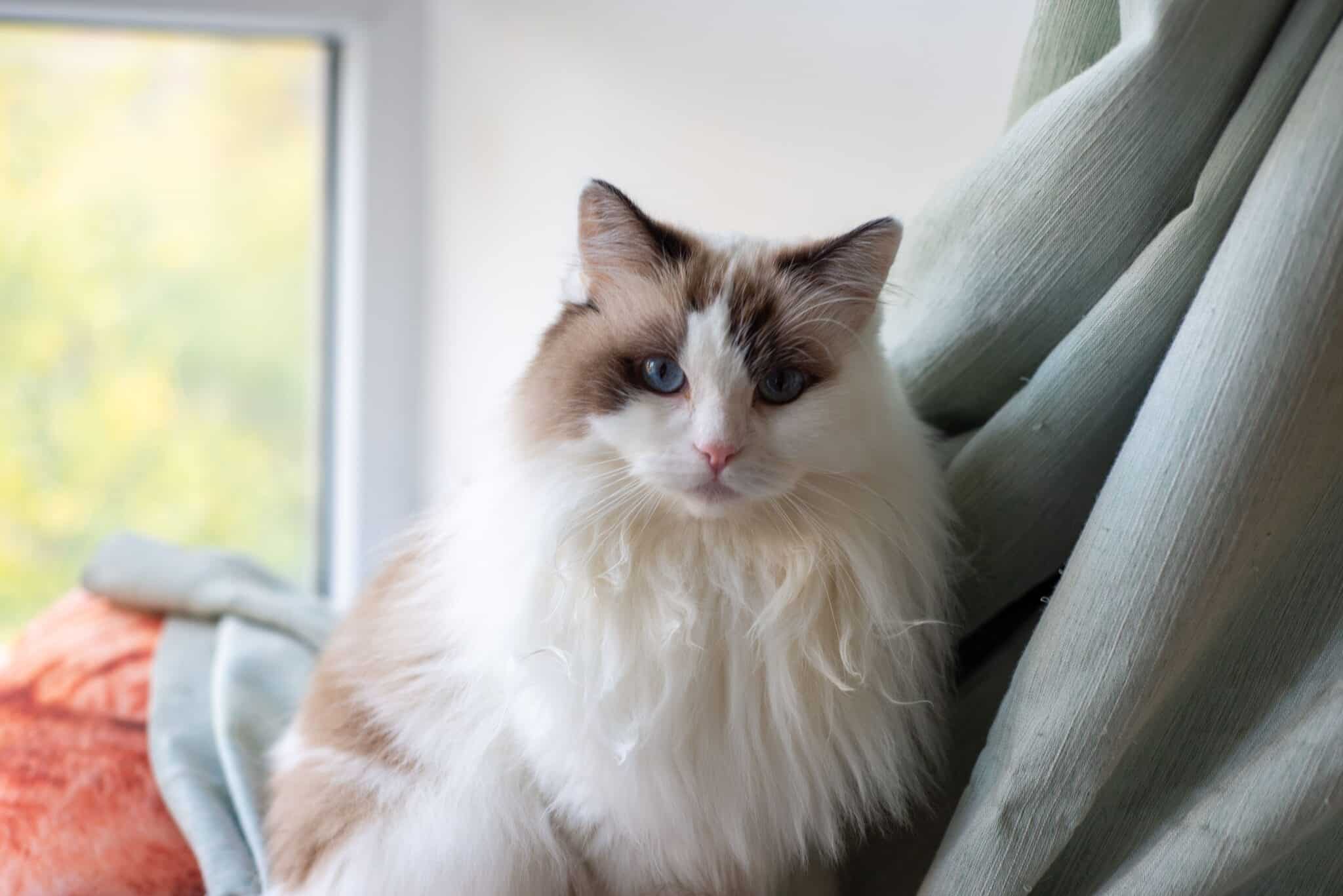
Named for their endearing tendency to go limp like a rag doll when cradled, these large, semi-longhaired cats are the quintessential lap companions. Possessing striking blue eyes and silky coats, Ragdolls thrive on human contact. They frequently shadow their favorite humans from room to room, preferring active participation in household activities over solitude. While they happily spend an afternoon snoozing nearby or draped across a pair of knees, their coats require regular brushing—particularly around the ruff and hindquarters—to prevent matting.
2. Burmese
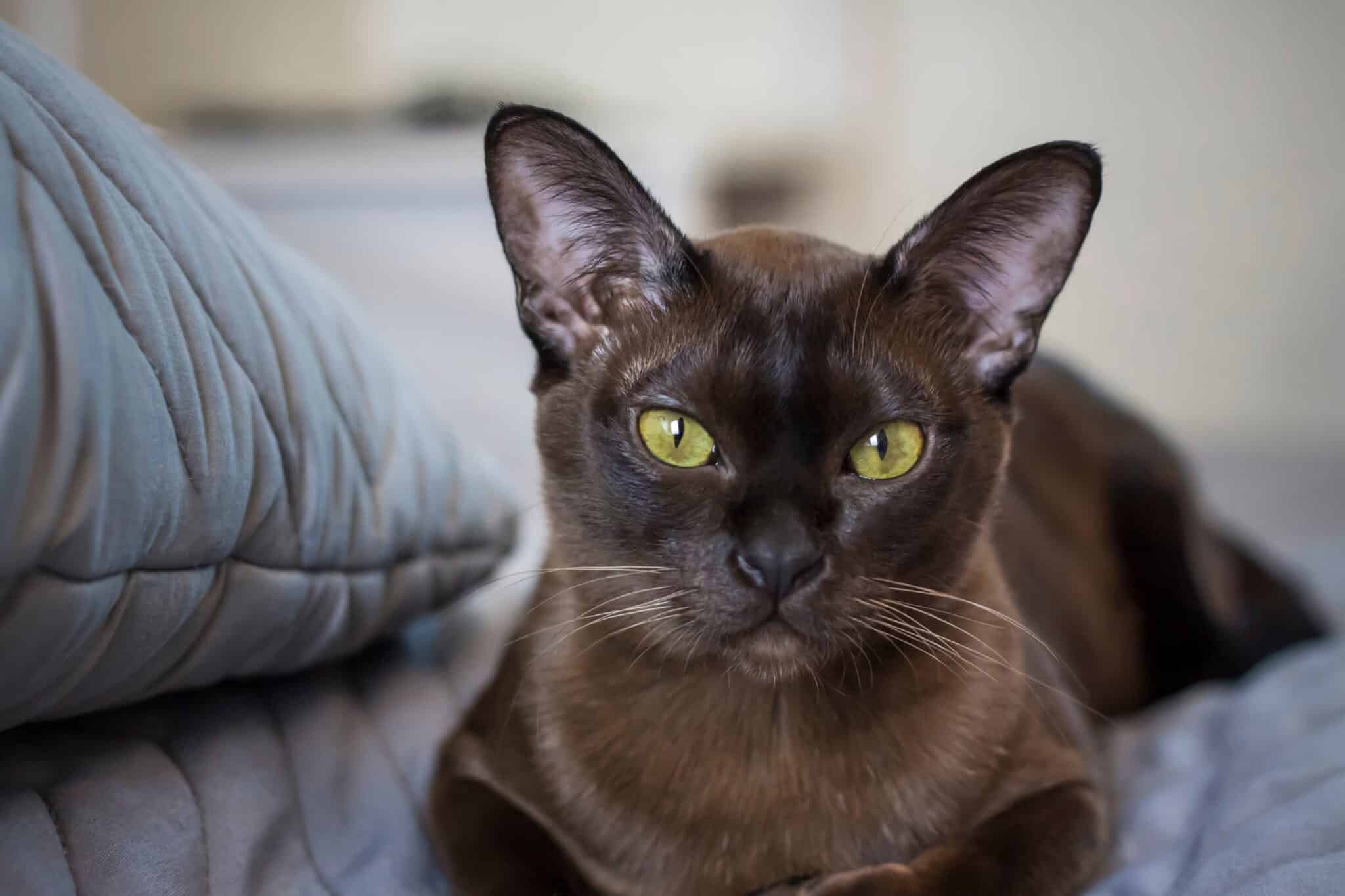
Muscular, sleek, and deeply people-focused, the Burmese cat bridges the gap between active exploration and intense cuddling. Originating from Southeast Asian temple cats, modern Burmese are enthusiastic lap dwellers that crave physical warmth and close interaction. Because of their short, glossy coats, grooming is minimal, but their high intelligence and curiosity mean they require environmental enrichment alongside their cuddle sessions to prevent boredom.
3. Birman
Often celebrated as the "Sacred Cat of Burma," the Birman is defined by its silky, colorpoint coat, pure white "gloves" on its paws, and deep blue eyes. Birmans possess a remarkably balanced temperament, blending quiet playfulness with a profound desire for human nearness. Many Birmans will gracefully settle directly on a lap, while others prefer resting on a nearby cushion just inches away, maintaining constant visual and physical connection.
4. Scottish Fold
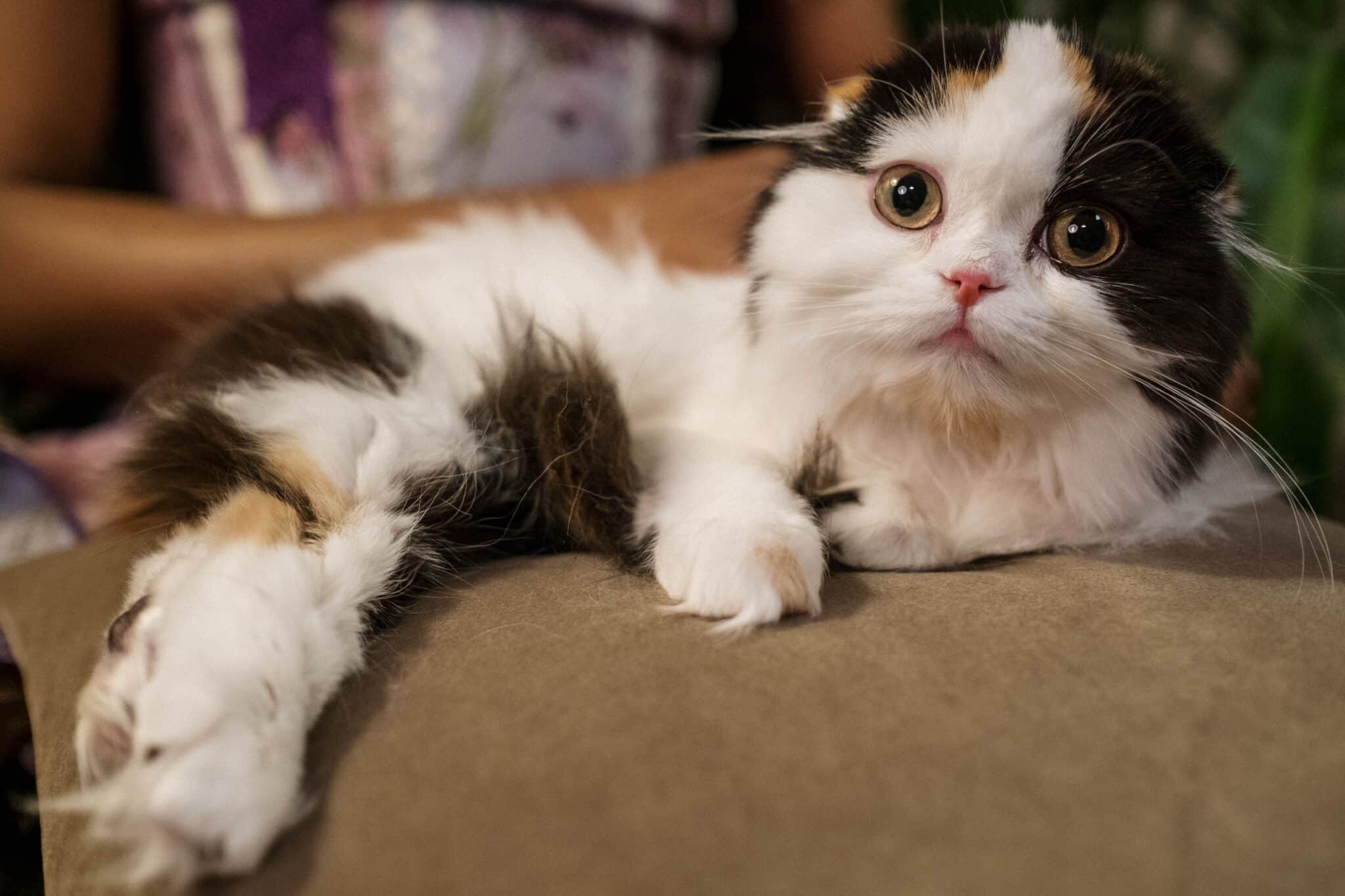
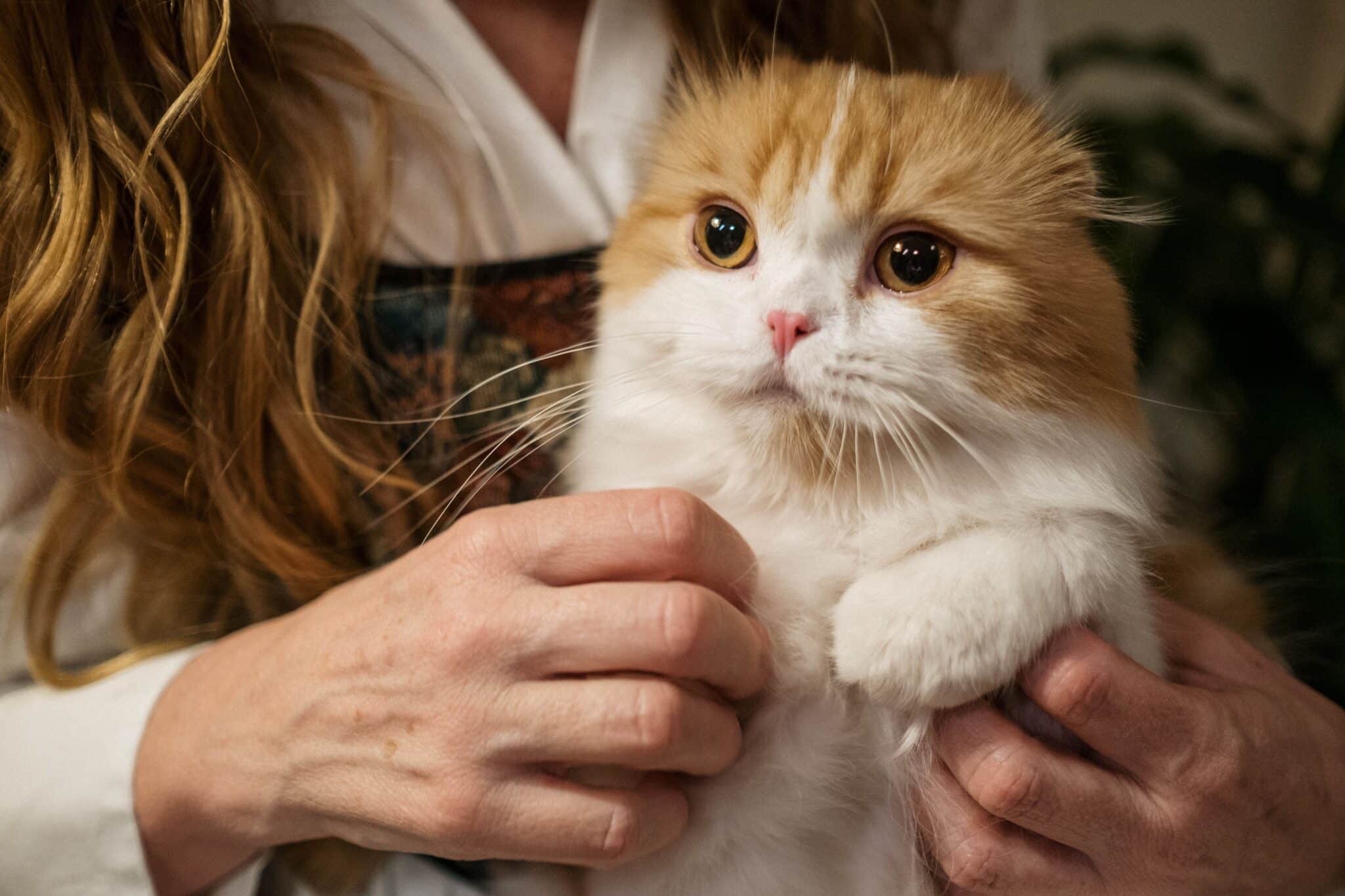
Instantly recognizable by their folded ears and owl-like, rounded faces, Scottish Folds are famous for their easygoing and adaptable personalities. They frequently seek out laps during quiet evenings, demonstrating their affection through calm, steady proximity. However, responsible ownership of this breed requires acute awareness of their genetic predisposition to osteochondrodysplasia—a cartilage and bone condition. Ensuring optimal joint health and consulting ethical breeders and veterinarians is paramount to securing their comfort.
5. Sphynx
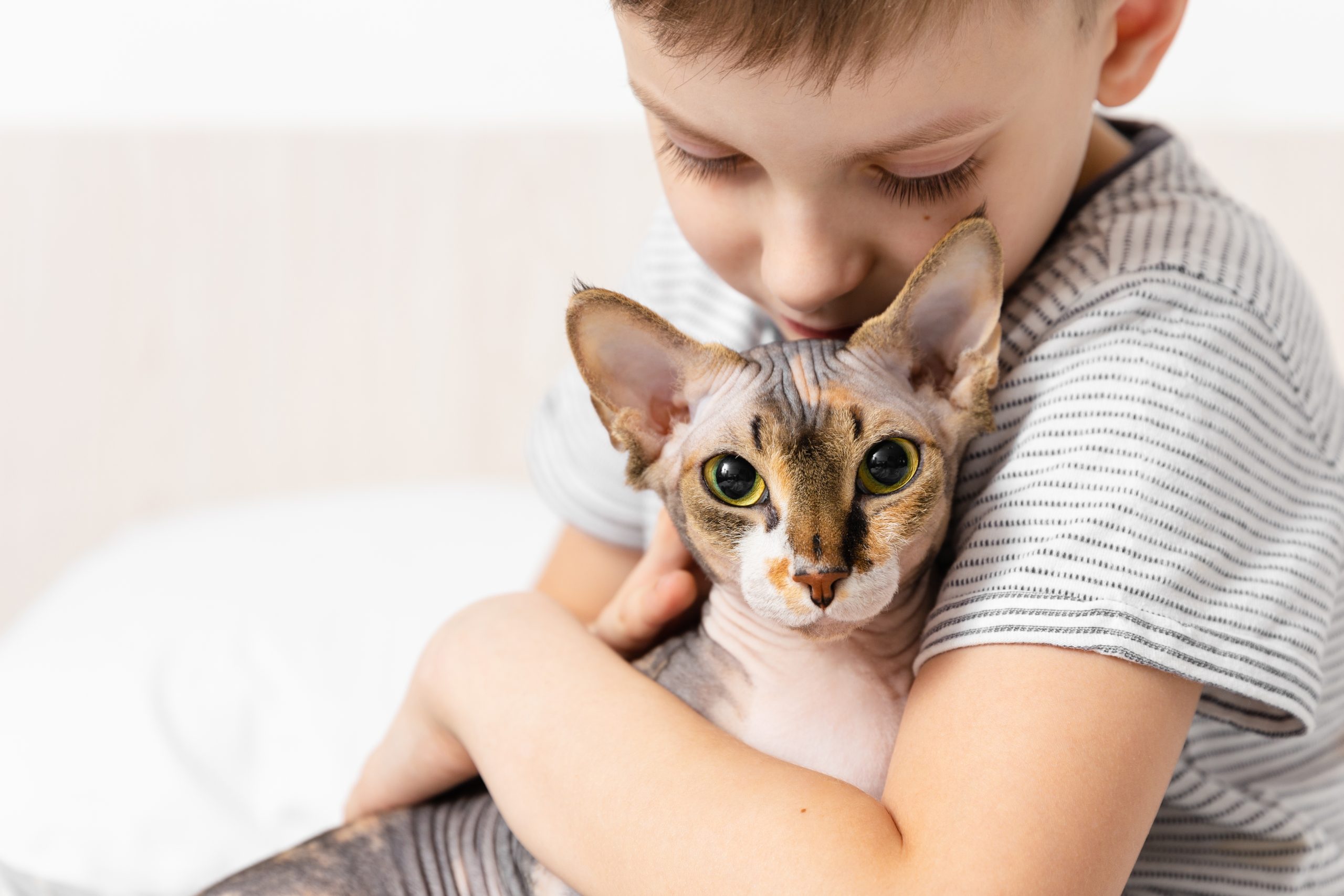
The hairless Sphynx is a masterclass in thermal dynamics and social bonding. Lacking a thick fur coat to trap body heat, these cats naturally seek out the warmest surfaces available—most notably human skin and fleece blankets. Beyond their physical need for warmth, Sphynxs are notoriously gregarious, high-energy extroverts that combine intense cuddle sessions with mischievous acrobatics and playful exploration of household environments.
6. Maine Coon
As one of the largest domesticated cat breeds, the Maine Coon balances a formidable, shaggy exterior with a famously gentle, "gentle giant" personality. While some Maine Coons happily drape their substantial frames across a human lap, others prefer sprawling alongside their owners on a spacious sofa due to their sheer physical dimensions. They communicate affection through gentle chirps, door-gretting rituals, and constant supervision of everyday domestic tasks.
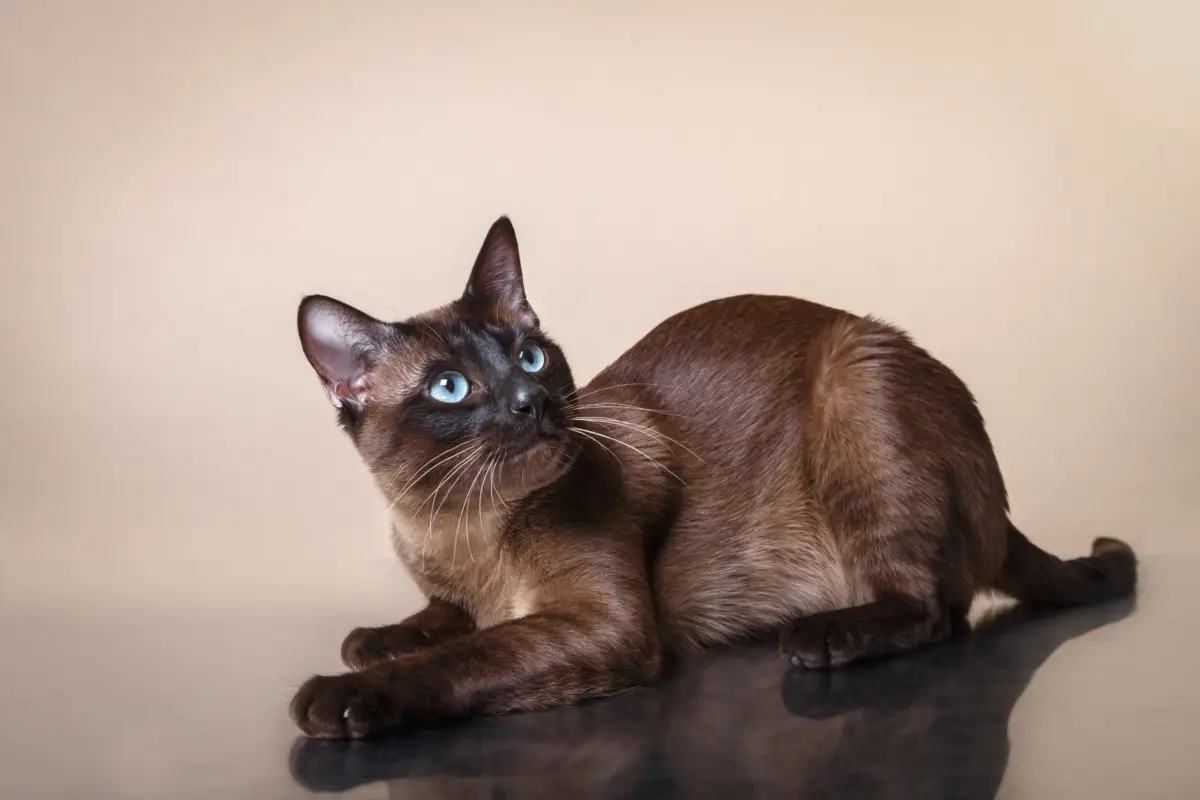
7. Tonkinese
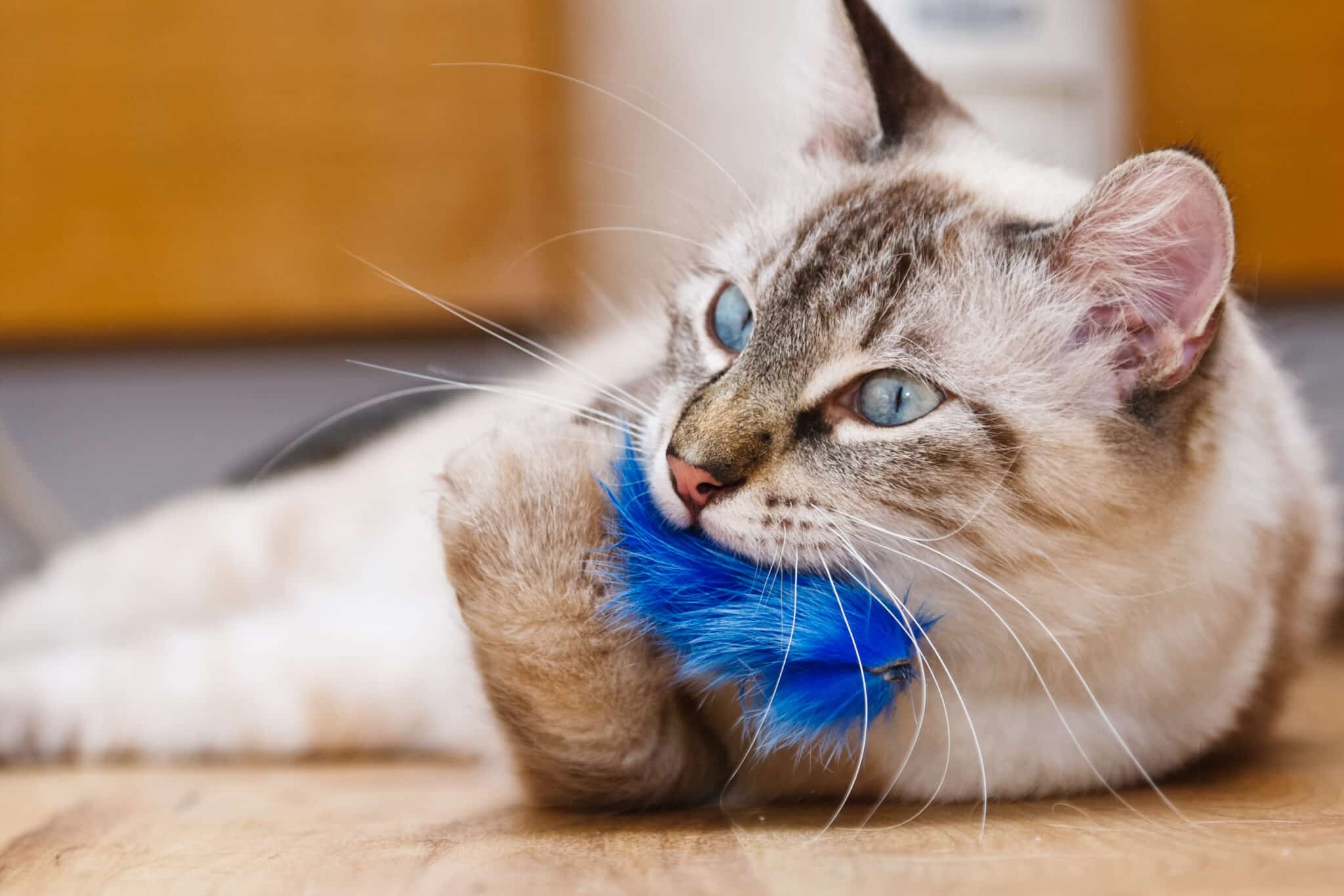
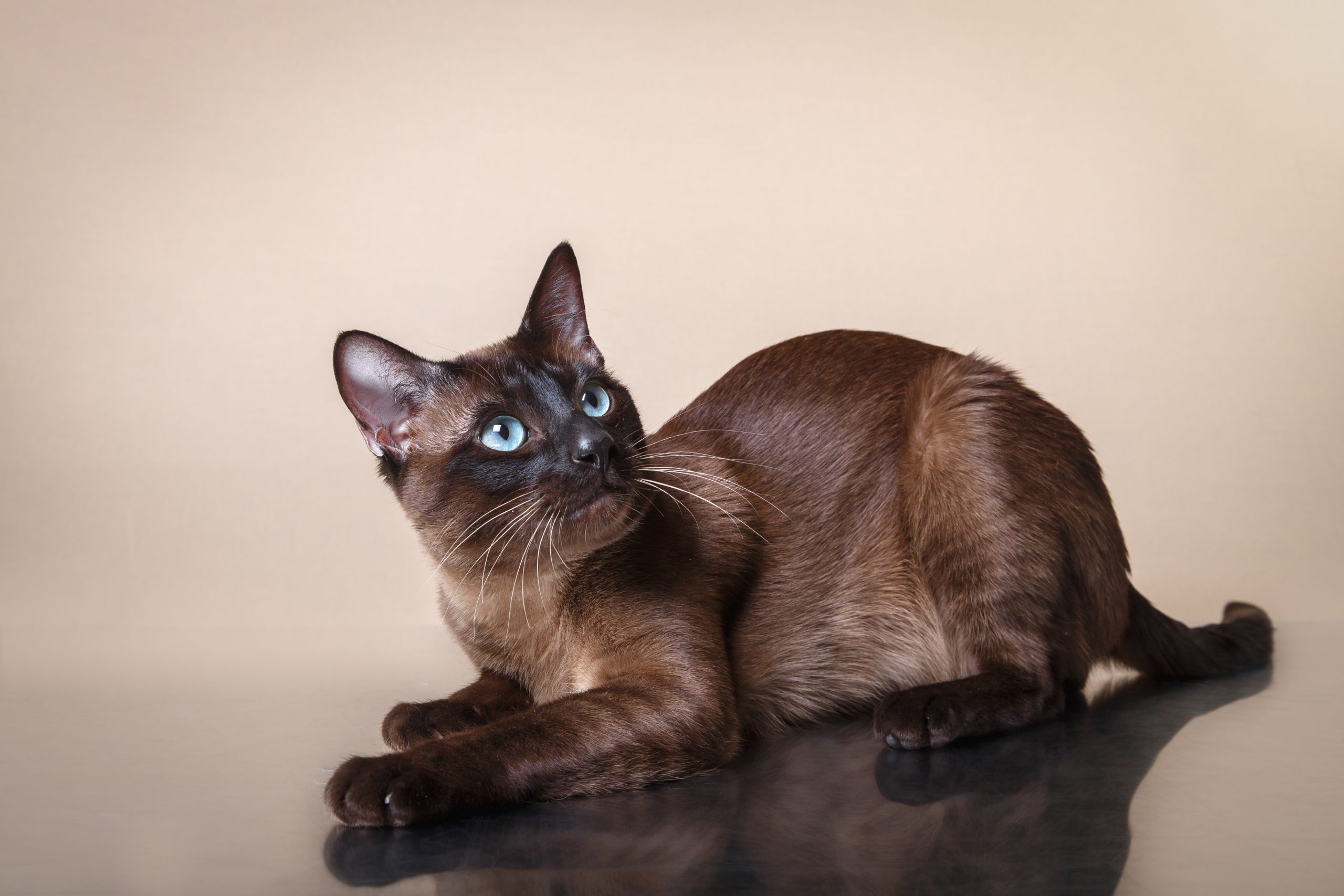
A harmonious blend of Burmese and Siamese ancestry, the Tonkinese inherits the best traits of both foundational breeds: striking aqua eyes, short and soft coats, and an outgoing, vocal personality. Tonkinese cats actively demand interaction, effortlessly transitioning from energetic play with interactive toys to deeply affectionate, glued-to-the-lap snuggling during resting hours.
8. Persian
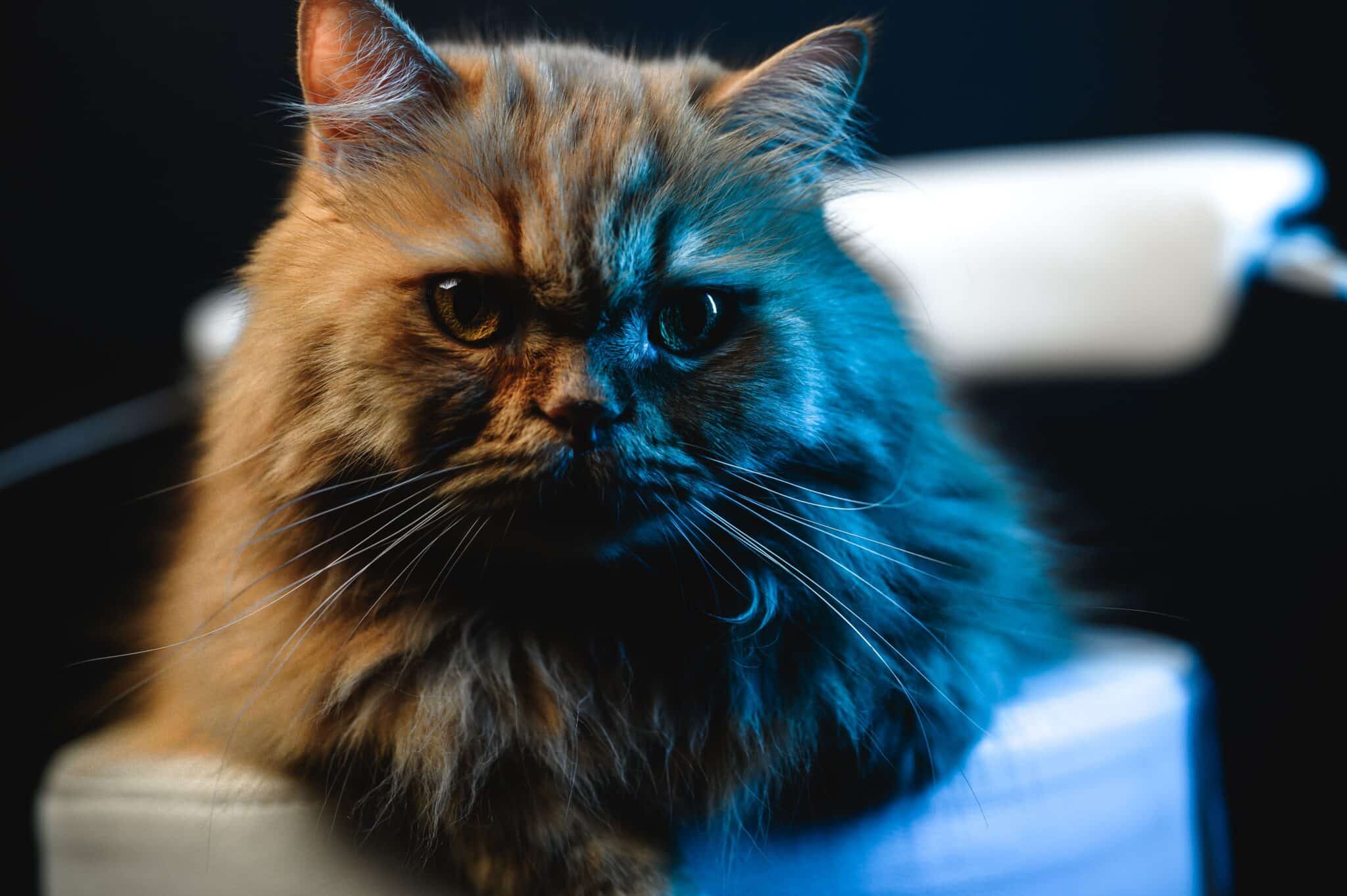
The epitome of feline luxury, the Persian is globally recognized for its voluminous long coat, flat face, and serene disposition. Persians favor tranquil environments where they can engage in long, restorative rest sessions beside a trusted human. While some Persians happily accept lap time, others prefer a designated cushioned resting spot within arm’s reach. Their long coats require daily maintenance, and their brachycephalic facial structure demands careful veterinary oversight to ensure unhindered respiration.
9. Devon Rex
Characterized by their oversized "bat" ears, elfin faces, and soft, rippling wavy coats, Devon Rex cats are intensely people-oriented. Often referred to as "poodle cats" or "monkey cats," they excel at perching on shoulders or curling tightly into laps. Their sparse coats make them sensitive to temperature drops, driving their desire for cozy physical contact, though their playful curiosity means lap time may be frequently interrupted by an impulse to investigate a sudden sound.
10. Chartreux
Distinguished by its plush, water-resistant blue-gray coat and a facial structure that often mimics a perpetual, gentle smile, the Chartreux is a quietly devoted companion. Rather than demanding constant, high-energy engagement, the Chartreux offers understated, steadfast affection. They happily occupy a spot beside an owner reading a book or gently rest on a knee when the household settles into a peaceful rhythm.
11. The Domestic Shorthair
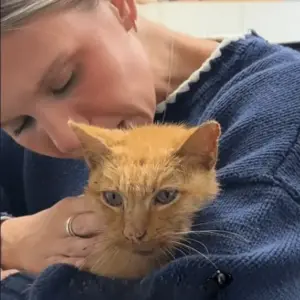
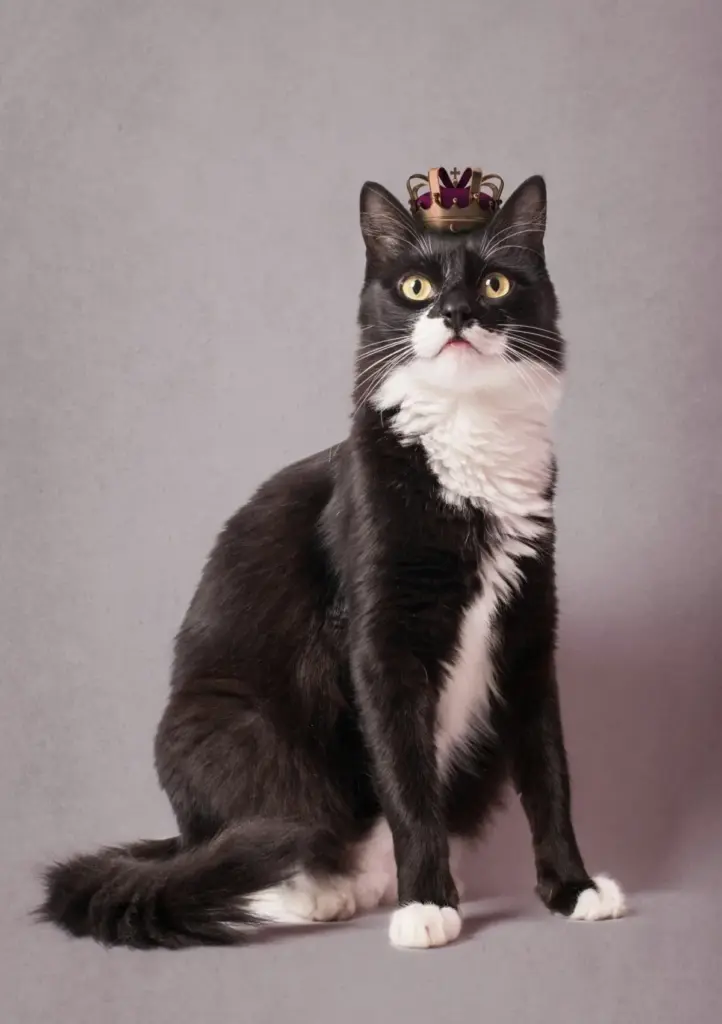
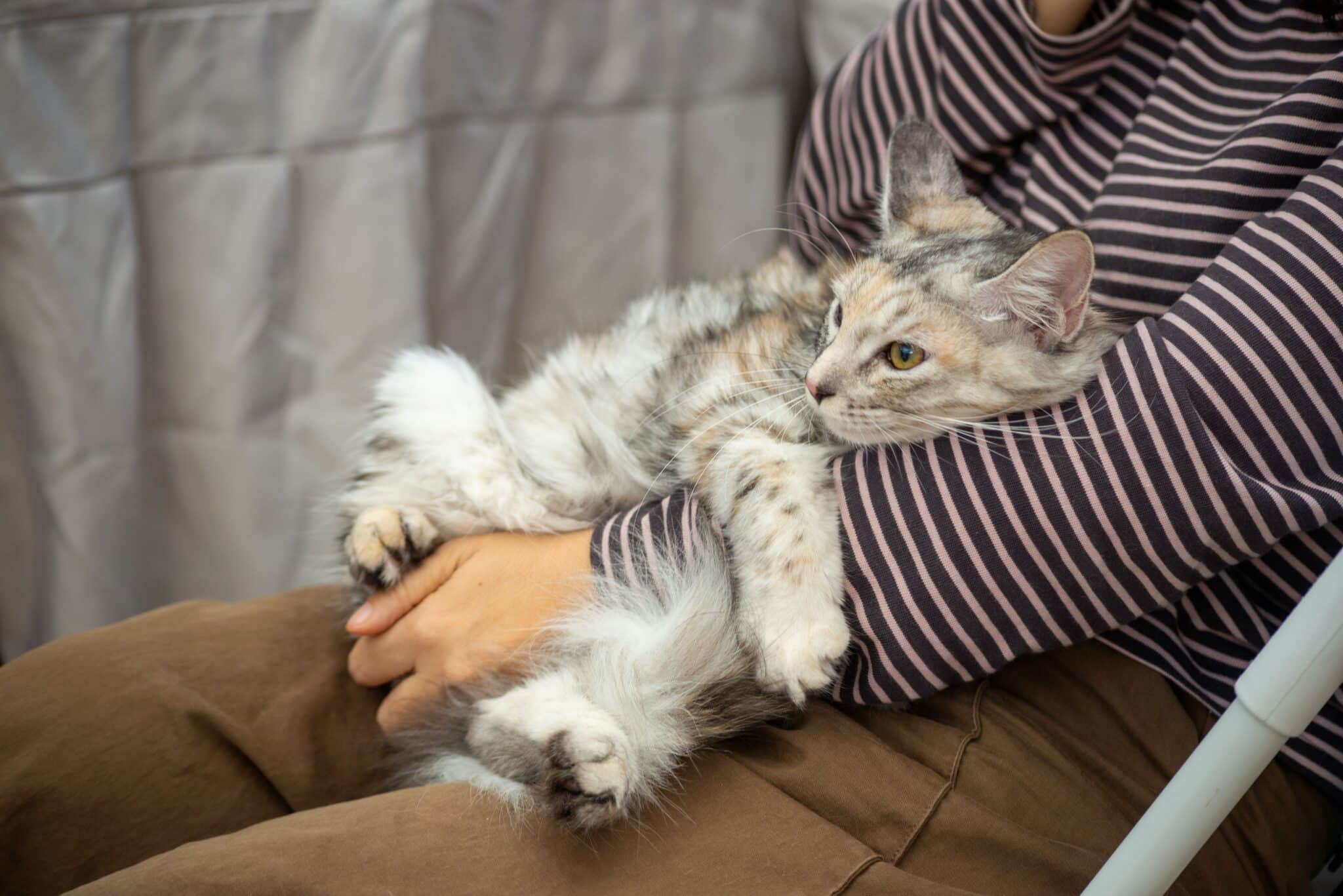
It is vital to acknowledge that profound affection is not exclusive to pedigreed or purebred cats. The Domestic Shorthair—encompassing the vast population of mixed-breed cats—frequently makes the most devoted lap companion. Because their genetic backgrounds are diverse, their individual personalities are shaped primarily by early socialization, positive human interaction, and life experiences. Adopting an adult shelter cat allows prospective owners to directly observe established lap-seeking behaviors prior to adoption.
Supporting Context & Metrics: The Behavioral Science of Feline Affection
Why do cats choose specific humans, and what factors dictate whether a feline will embrace lap-sitting? Modern ethological research highlights several key variables:
- Early Socialization Windows: Kittens handled gently and frequently by humans between the ages of 2 and 7 weeks develop significantly higher thresholds for tactile interaction and trust, translating directly into adult lap-seeking behavior.
- Olfactory Familiarity: Cats map their safe spaces and trusted social partners using scent. A human lap laden with familiar pheromones provides an optimal sensory sanctuary.
- Thermoregulation: A cat’s normal resting body temperature ranges between 100.5°F and 102.5°F (38°C to 39.2°C). Consequently, they possess a higher thermal comfort zone than humans, making human laps an ideal, natural heat source.
- Consent and Autonomy: Behavioral studies emphasize that forced handling triggers defensive responses, whereas cats permitted to approach, explore, and depart a lap voluntarily demonstrate lower stress biomarkers (such as urinary cortisol) and display higher frequencies of sustained purring.
Future Outlook: Ethical Breeding and Feline Welfare
As the demand for companion animals with specific aesthetic and behavioral traits continues to rise, the future of ethical cat ownership and breeding must center on animal welfare over hyper-specialized physical traits.
Veterinary organizations and feline welfare groups increasingly advocate for transparent breeding practices, particularly concerning brachycephalic breeds (like Persians) and structurally modified breeds (like Scottish Folds). Prospective cat owners are encouraged to prioritize health, genetic diversity, and behavioral compatibility when selecting a companion.
Ultimately, the most rewarding lap-sitting experiences are built not on rigid breed expectations, but on mutual respect, patience, and a deep understanding of feline communication. Whether a cat is a pedigreed Ragdoll or a rescued Domestic Shorthair, honoring their boundaries ensures that every cozy, purring afternoon on the couch remains a celebration of voluntary, unconditional trust.