For millions of cat owners worldwide, the boundary between a tranquil domestic afternoon and a chaotic, high-stakes adventure is razor-thin. One moment, a household is bathed in serene, undisturbed quiet; the next, a curious paw dips purposefully into a water glass, an open cabinet reveals a disassembled puzzle of belongings, or a prized decorative object slides smoothly off a tabletop. Far from being driven by malice or an innate desire to destroy, these disruptive episodes are the direct manifestation of sophisticated intelligence, boundless physical energy, and an unyielding predatory drive.
Recent behavioral research and veterinary observations underscore a fundamental truth of modern pet ownership: certain cat breeds are genetically and psychologically predisposed to active exploration. When these high-drive animals are confined within static indoor environments lacking adequate mental and physical stimulation, their natural instincts inevitably convert household routines into improvised obstacle courses.
This investigative feature explores the behavioral profiles of the world’s most inquisitive and mischievous cat breeds. By examining the physiological and psychological triggers behind their antics, this report provides a comprehensive guide to understanding, managing, and constructively redirecting feline curiosity. From the agile Abyssinian to the water-loving Turkish Van, we unpack the science of feline mischief and outline authoritative strategies for harmonious coexistence.
Detailed Chronology: The Evolution of Indoor Feline Behavior
To understand why contemporary domestic cats turn everyday homes into experimental laboratories, one must examine the evolutionary chronology of feline domestication and behavioral adaptation.
Phase I: The Primal Predatory Blueprint
Millennia ago, wild feline ancestors survived through an unrelenting cycle of hunting, territorial patrol, and spatial mapping. Every waking hour was consumed by tracking prey, scaling uneven terrain, calculating trajectory vectors for pounces, and manipulating environmental obstacles. Modern domestic cats (Felis catus) retain this exact neurochemical wiring. Despite generations of selective breeding for companionship, their brains are hardwired for hyper-vigilance and active environmental control.
Phase II: The Transition to the Indoor Ecosystem
As urbanization accelerated over the past century, a cultural shift mandated keeping cats strictly indoors to protect them from vehicular traffic, predators, and disease. While this successfully extended feline lifespans, it inadvertently created a profound environmental paradox. High-energy, highly intelligent breeds were suddenly thrust into stagnant, predictable indoor spaces.
Phase III: The Genesis of Domestic Mischief
Deprived of natural hunting grounds and infinite geographical boundaries, clever breeds began treating the domestic sphere as their personal Serengeti. Cabinets replaced hollow logs; dripping faucets substituted for streams; and dangling electrical cords mimicked agile prey. When a cat learns that opening a pantry door or knocking over a pen elicits a dramatic human response, a behavioral feedback loop is established. What owners perceive as "naughtiness" is, chronologically speaking, an adaptive response to under-stimulation—a calculated effort by a brilliant animal to manufacture its own survival challenges.
Supporting Context & Metrics: The Anatomy of High-Inquiry Breeds
Behavioral veterinarians classify feline mischief into distinct categories: exploratory climbing, tactile manipulation, vocal demanding, and environmental redesign. Below is an exhaustive breakdown of the specific breeds most frequently identified with high-impact curiosity, along with their primary behavioral metrics.
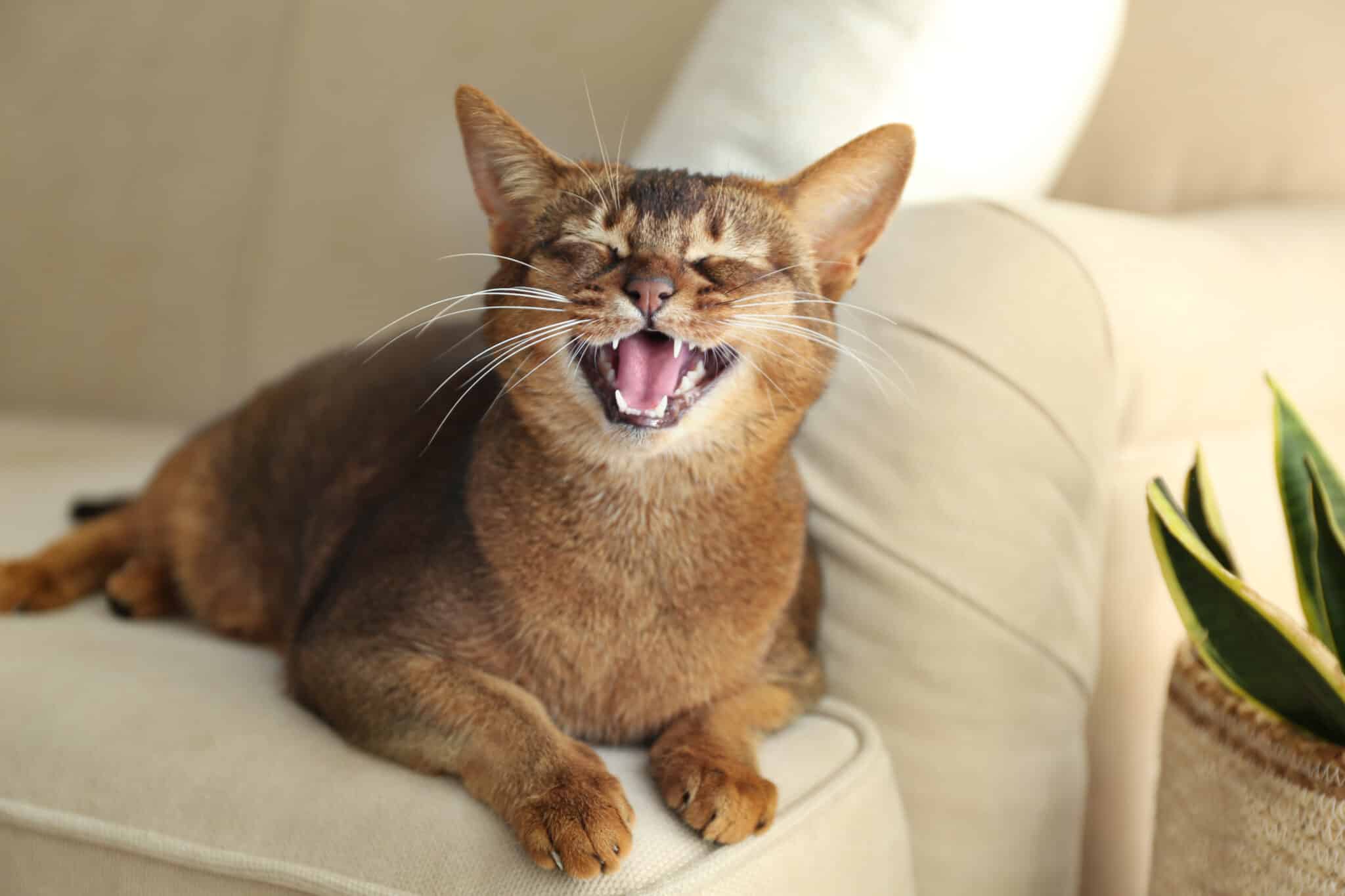
Behavioral Profile: Often hailed as the quintessential feline explorer, the Abyssinian possesses an athletic physique that defies standard domestic limitations. Unattended rooms are invitations for vertical ascent; bookcases, ceiling-adjacent shelving, and open drawers are thoroughly cataloged. Without structured mental challenges, Abyssinians invent high-risk games, necessitating specialized vertical real estate like multi-tiered cat trees.
2. The Bengal
Key Traits: High intellectual capacity, strong hunting drive, water affinity.
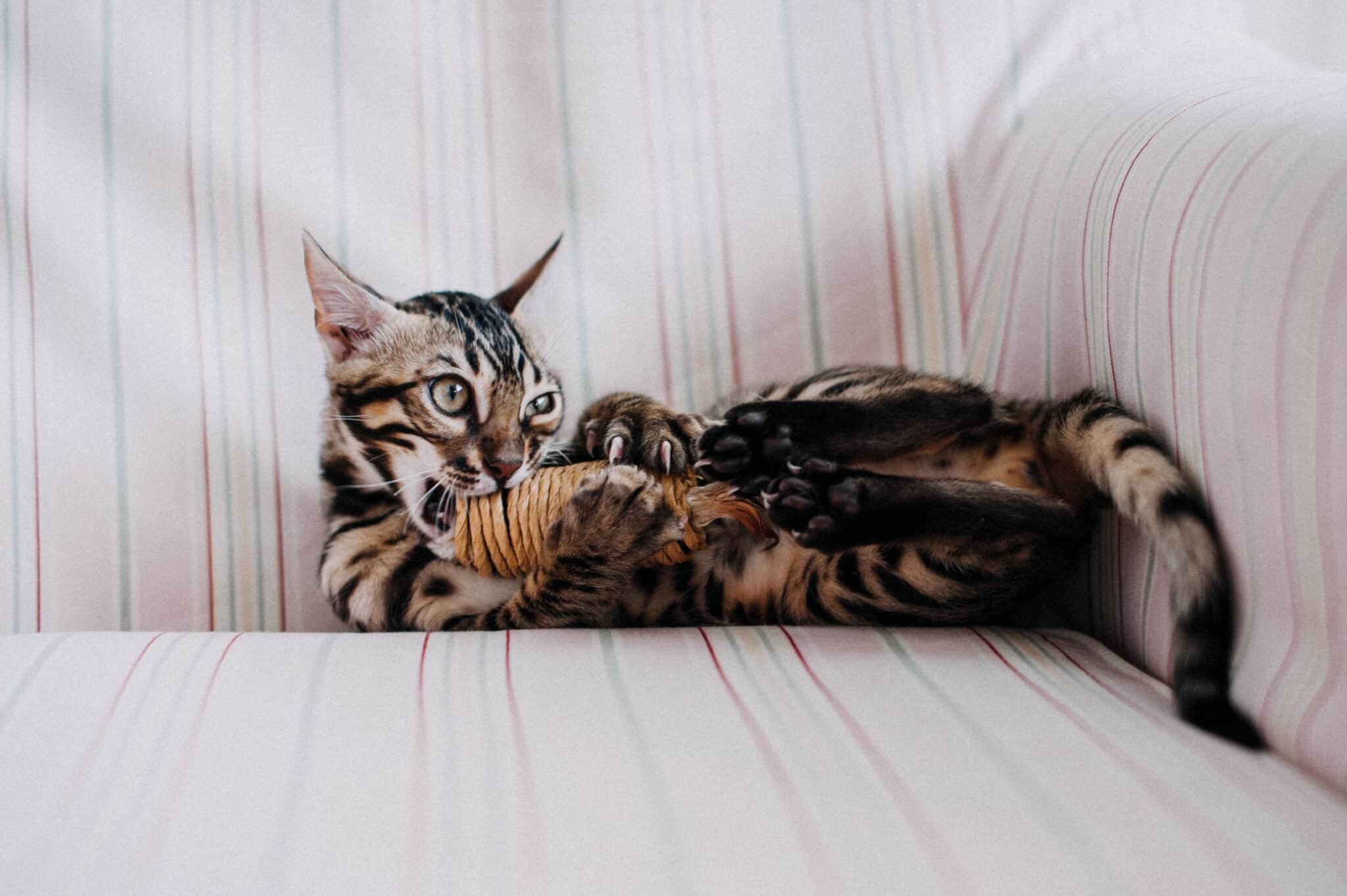
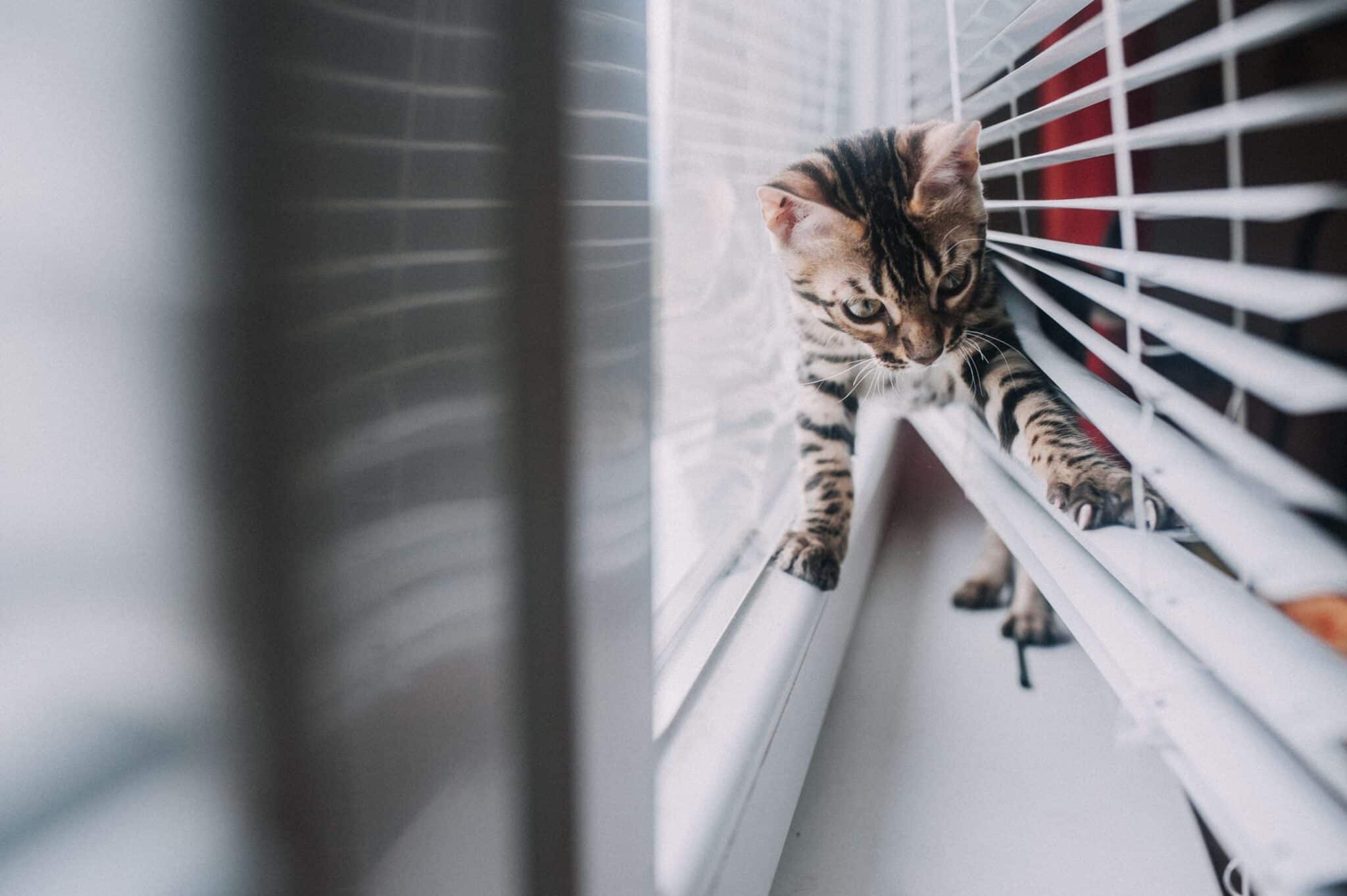
Behavioral Profile: Sporting striking coats reminiscent of wild forest cats, Bengals exhibit energy levels that routinely overwhelm standard households. Their problem-solving intelligence enables them to manipulate door handles, unscrew container lids, and transform faucets into endless water-play stations. Without rigorous daily engagement, a Bengal will systematically deconstruct its environment.
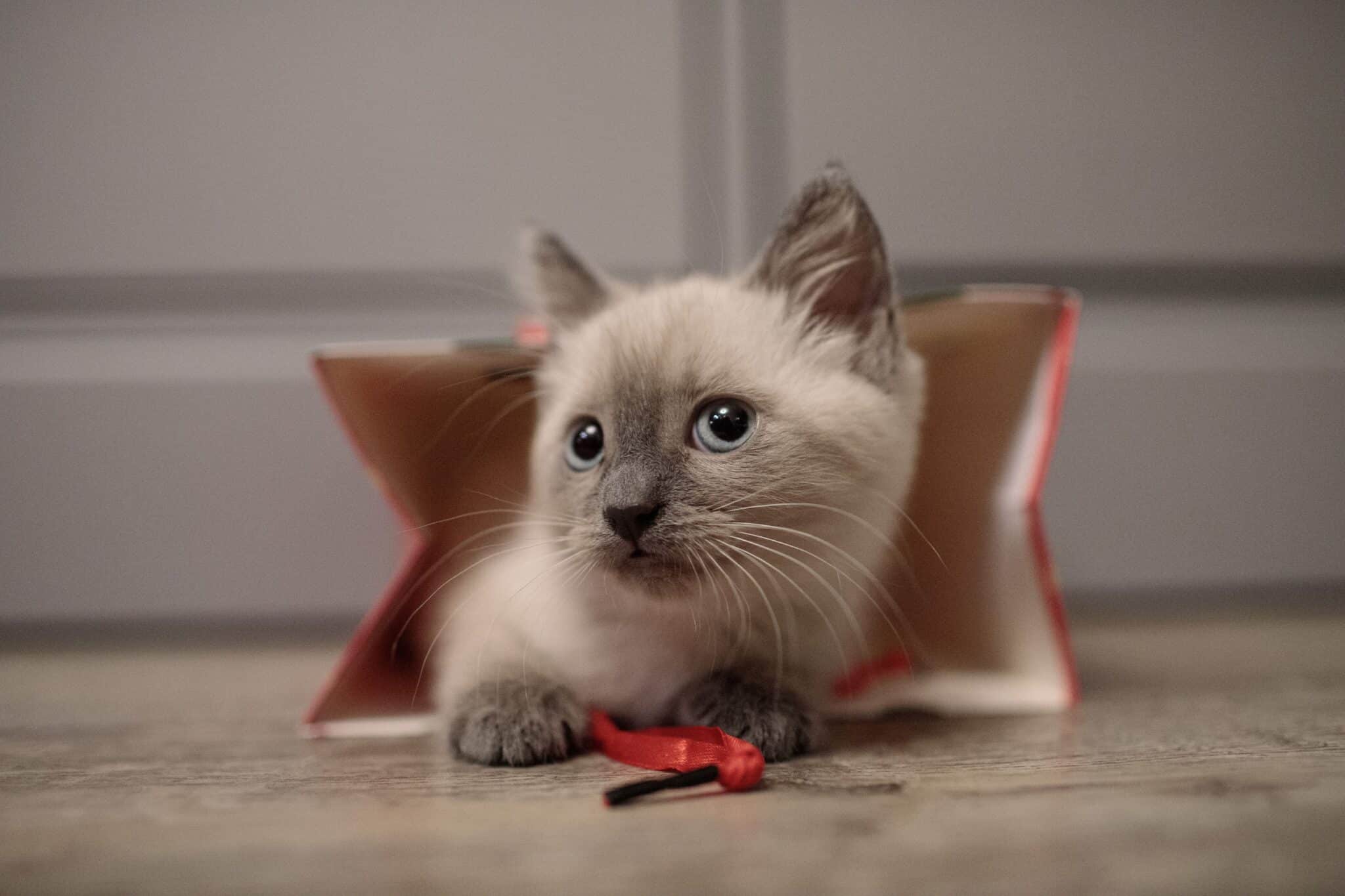
Behavioral Profile: Siamese cats do not merely observe their environment; they actively negotiate with it. Famed for their vocalizations, they communicate their desires with startling clarity. If a cupboard contains treats or a door remains closed, a Siamese will deploy persistent pawing and verbal reminders until the barrier is removed, quickly learning which human reactions reinforce their antics.
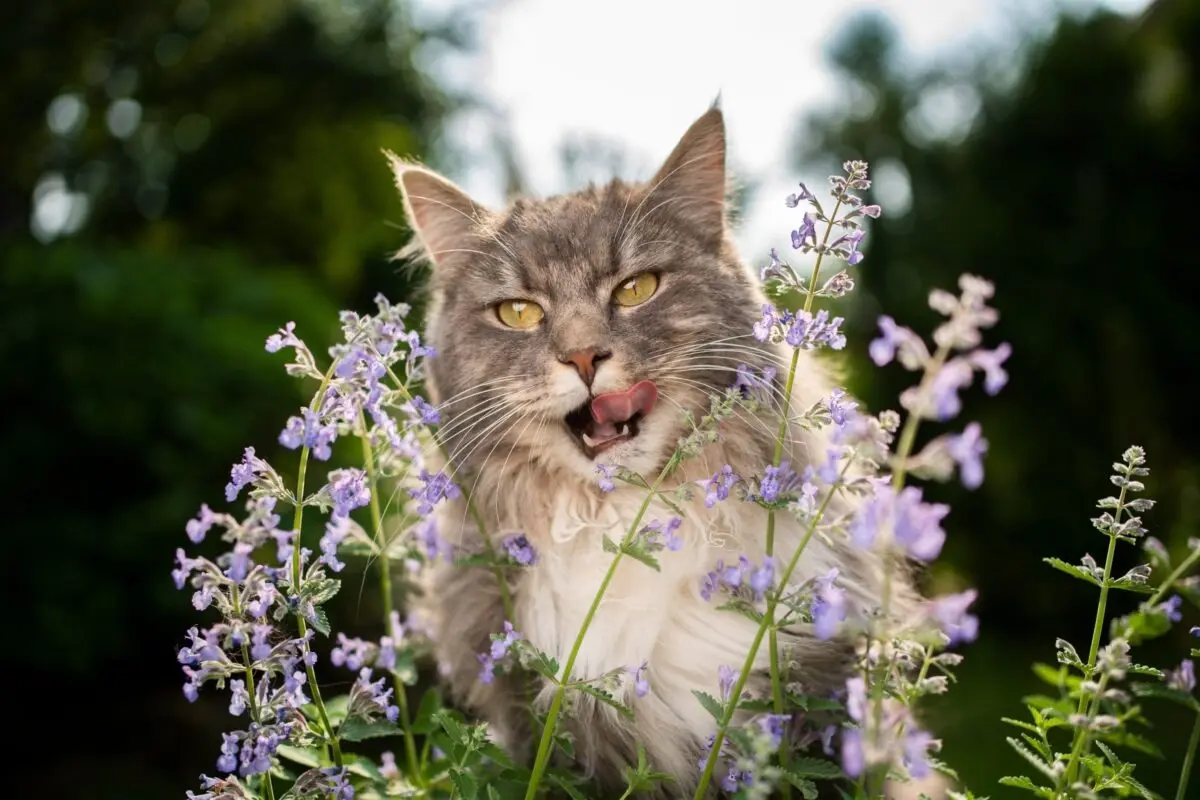
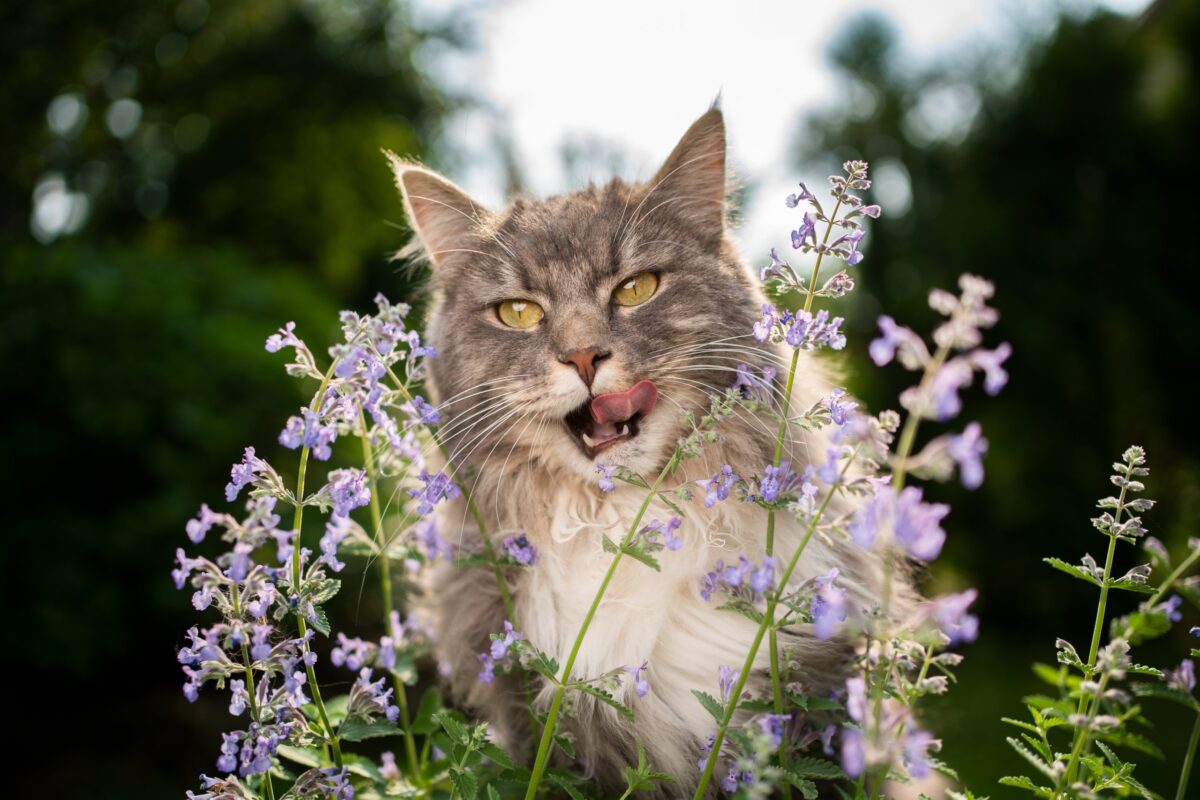
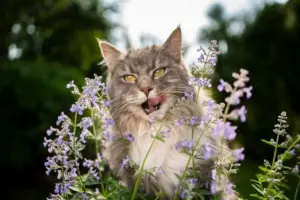
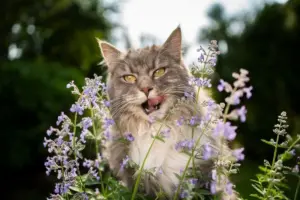
Behavioral Profile: While famously docile and affectionate, Maine Coons possess a formidable physical presence. Their large paws and heavy frames transform casual investigations into major household events. A curious swipe at a glass of water or an enthusiastic dive into a shopping bag carries significantly more physical weight than the same action performed by a lighter breed.
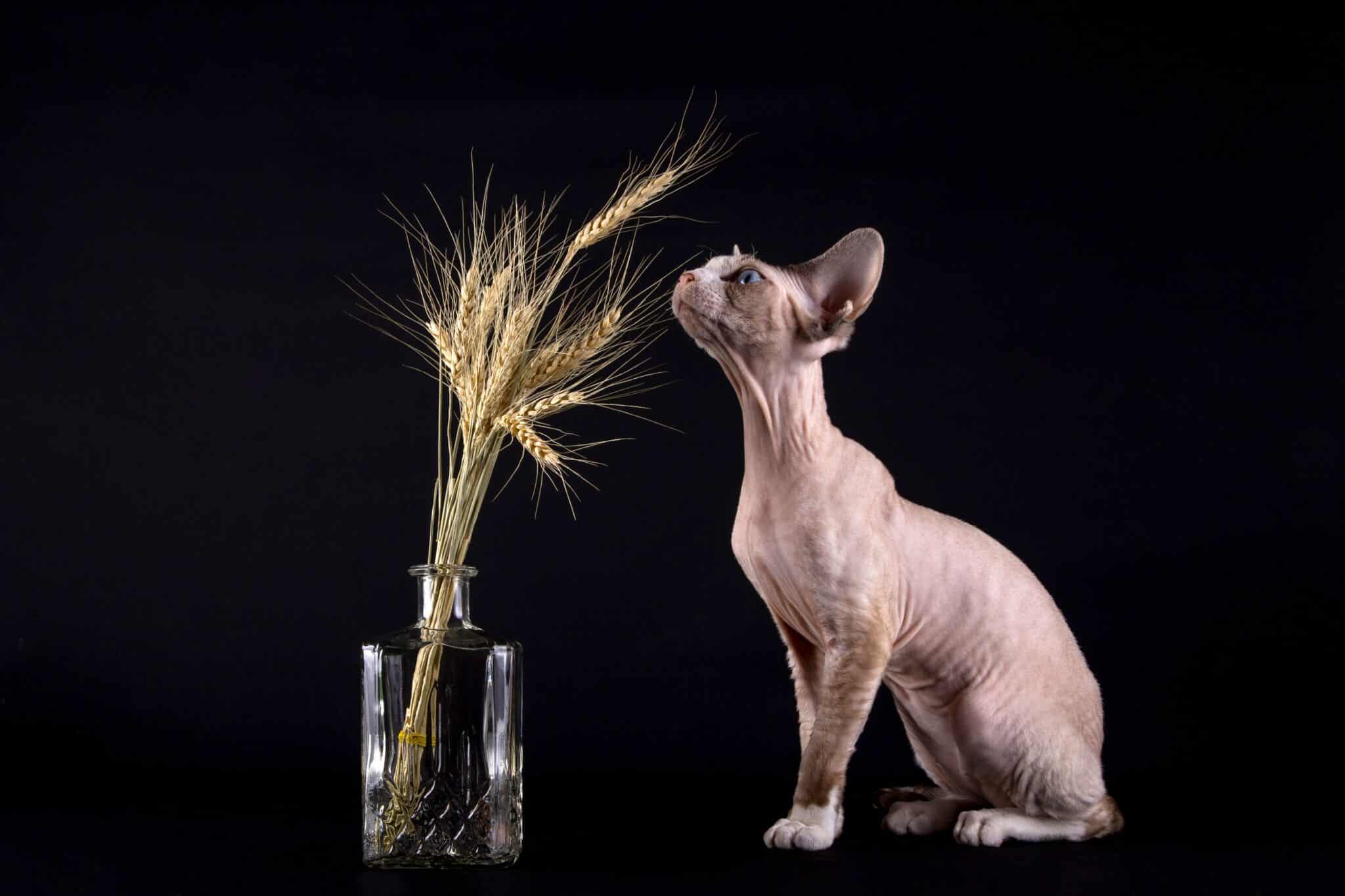
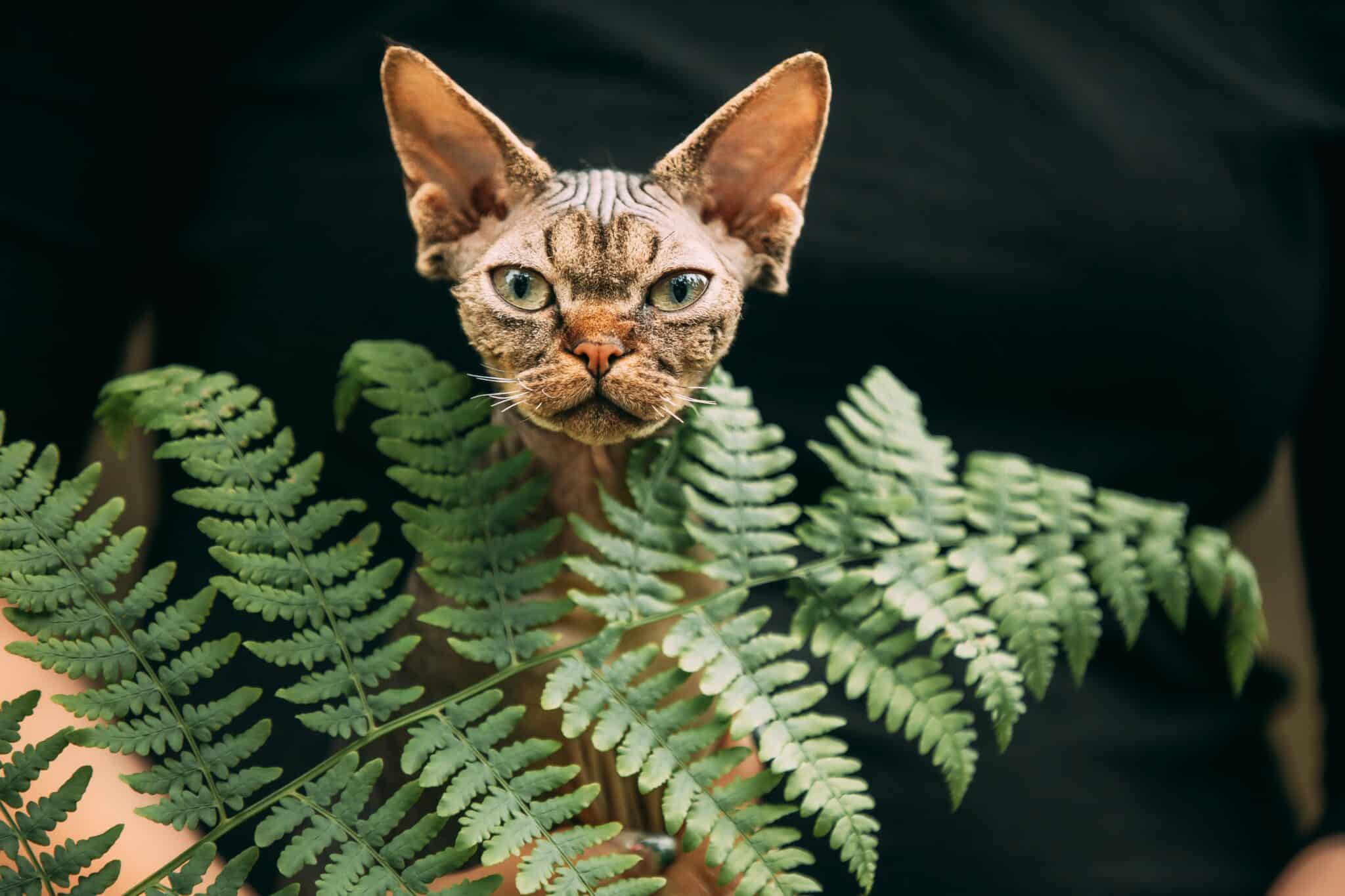
Behavioral Profile: Strikingly hairless and metabolically active, the Sphynx requires constant physical interaction and environmental warmth. Their curiosity drives them to inspect every newly arrived package, climb onto active computer keyboards, and shadow human companions from room to room. Boredom in a Sphynx manifests as persistent, attention-seeking engineering of trouble.
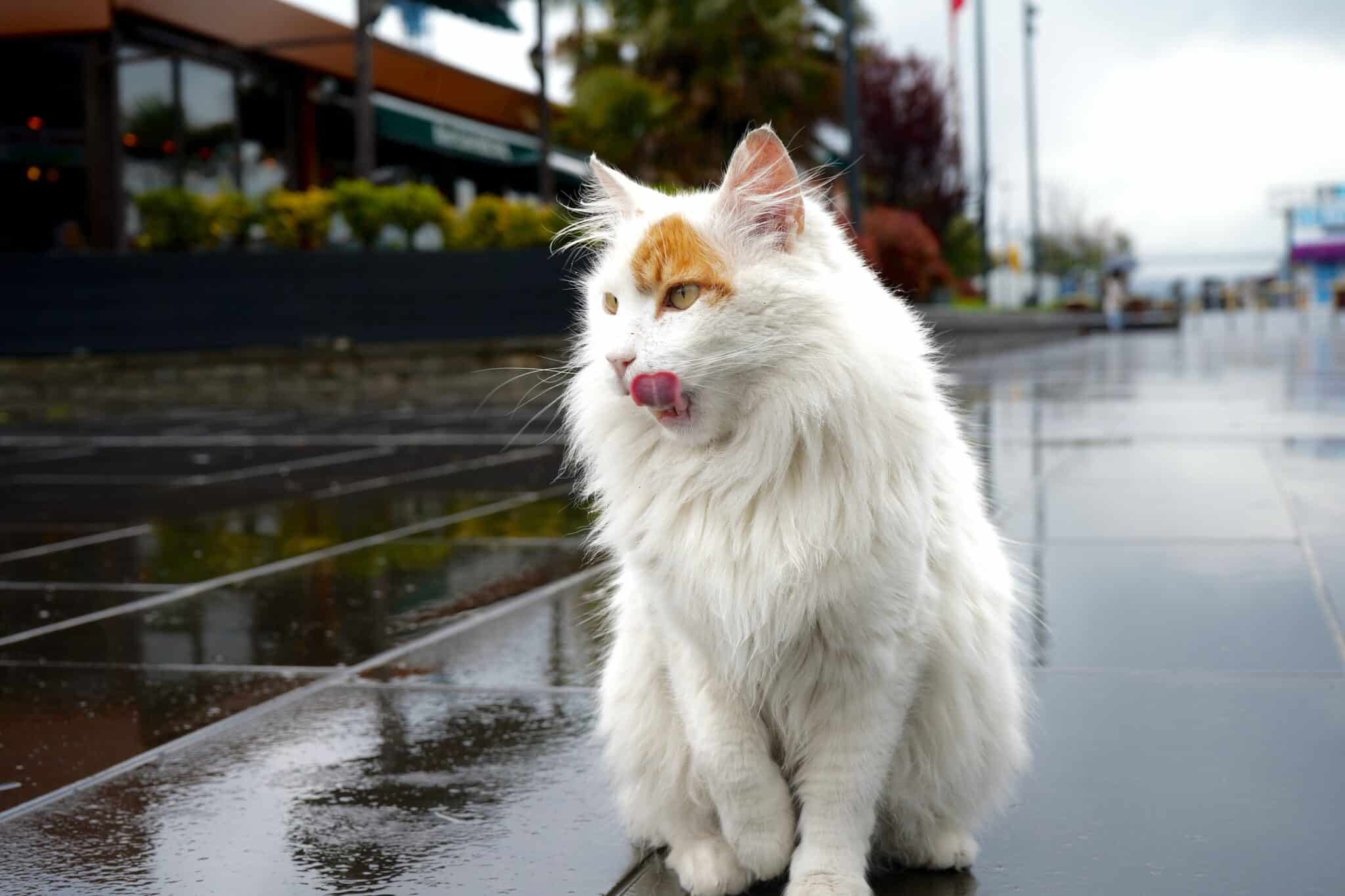
Behavioral Profile: Frequently dubbed the "swimming cat," the Turkish Van possesses an unusual affinity for water. Their curiosity routinely leads them to investigate running taps, test the depth of toilet bowls, and splash water across kitchen counters. Combined with exceptional climbing strength, their water-centric investigations guarantee regular cleanup duties for owners.
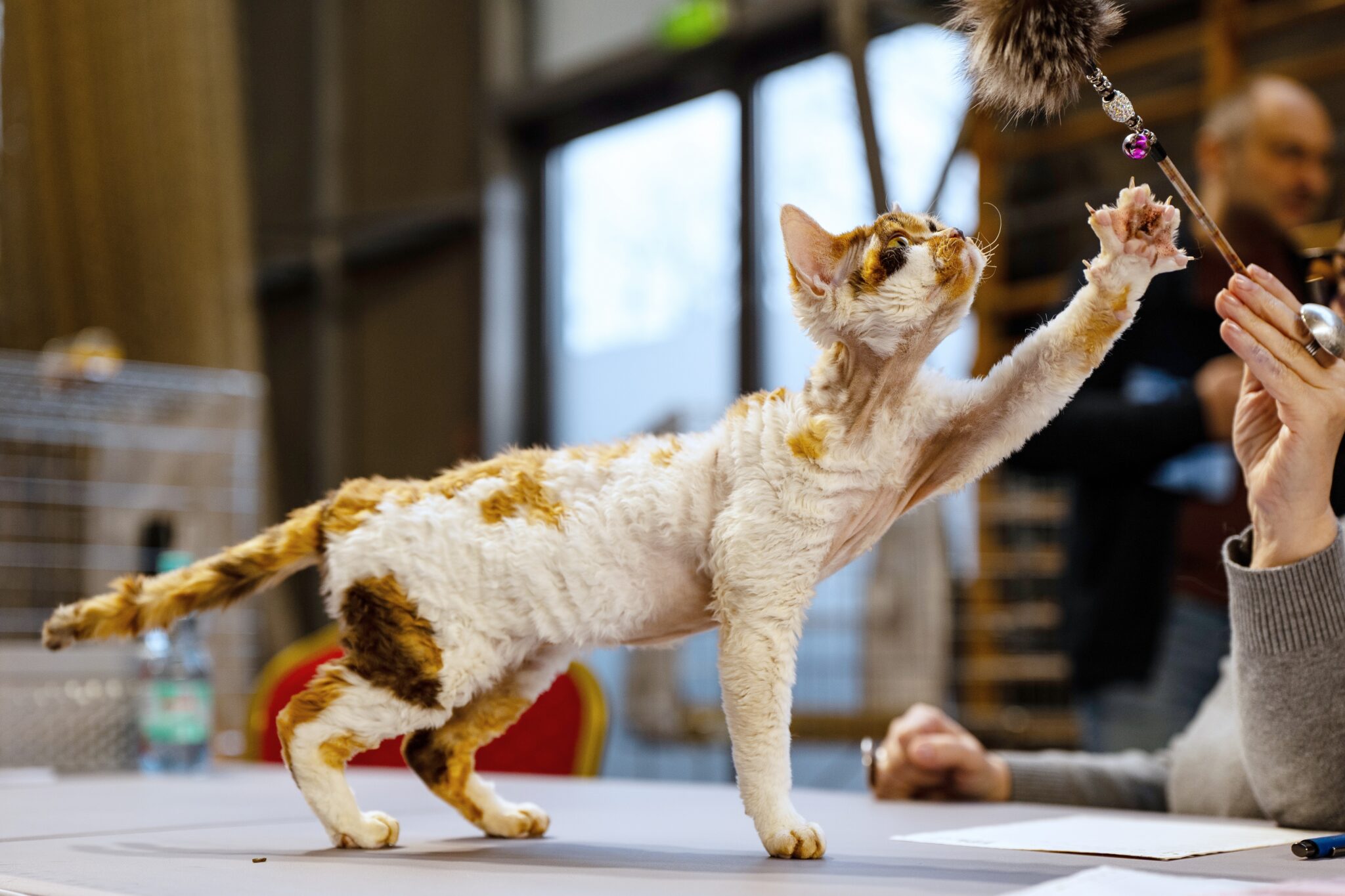
Behavioral Profile: Characterized by wavy coats, oversized ears, and whip-like agility, Rex cats are perpetual motion machines. A loose paper receipt, a rolling pen, or a dangling cord instantly triggers a whirlwind of acrobatic leaps. Their intense desire to supervise human activities often results in them appearing on shoulders or workspaces at the most inconvenient times.
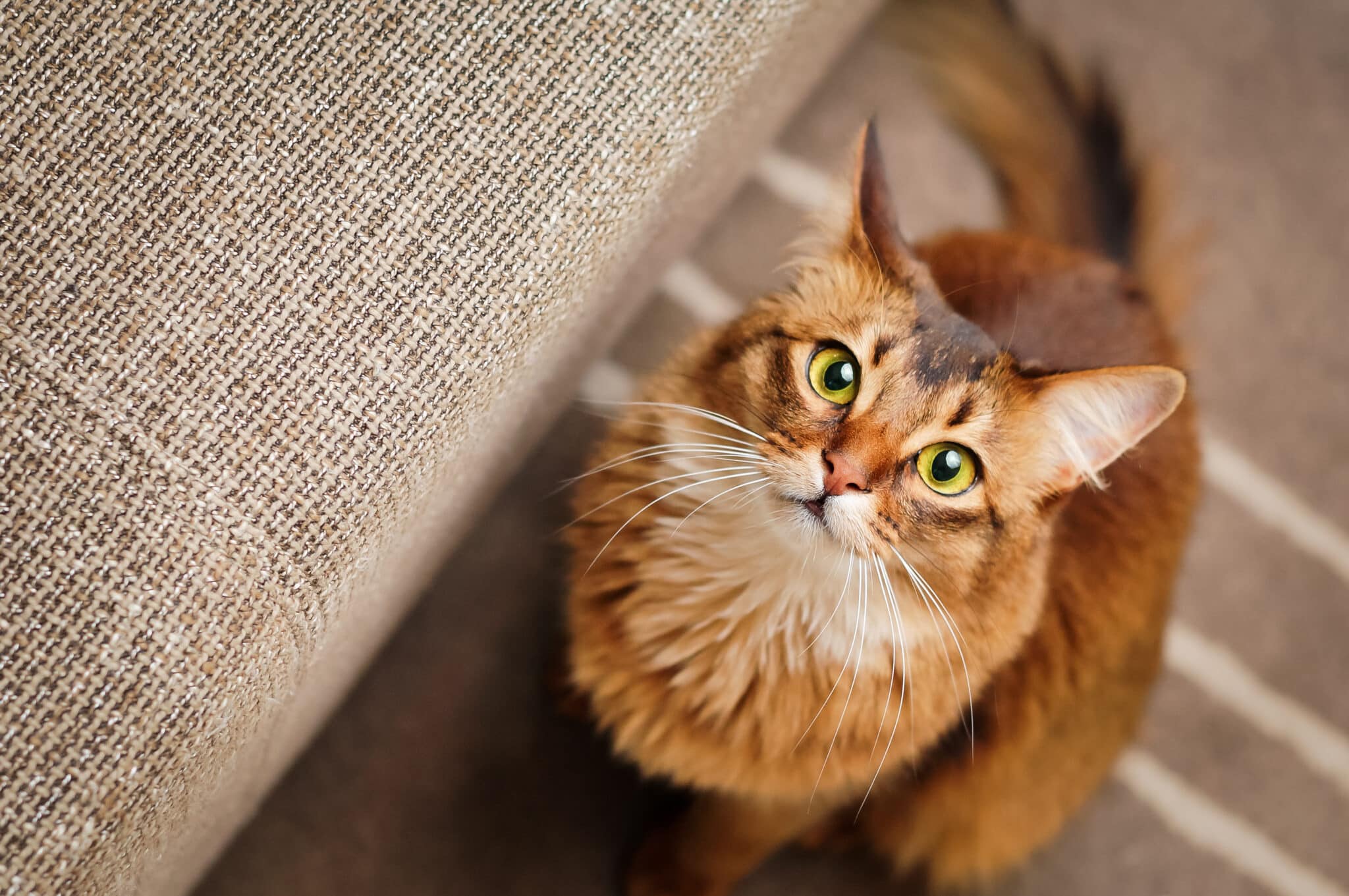
Behavioral Profile: Sharing genetic roots with the Abyssinian, the Somali combines a plush, magnificent coat with a mind that refuses to rest. They specialize in opening unattended containers, scaling high vantage points, and trailing family members like furry investigators. Routine boredom quickly turns a Somali toward unconventional domestic experimentation.
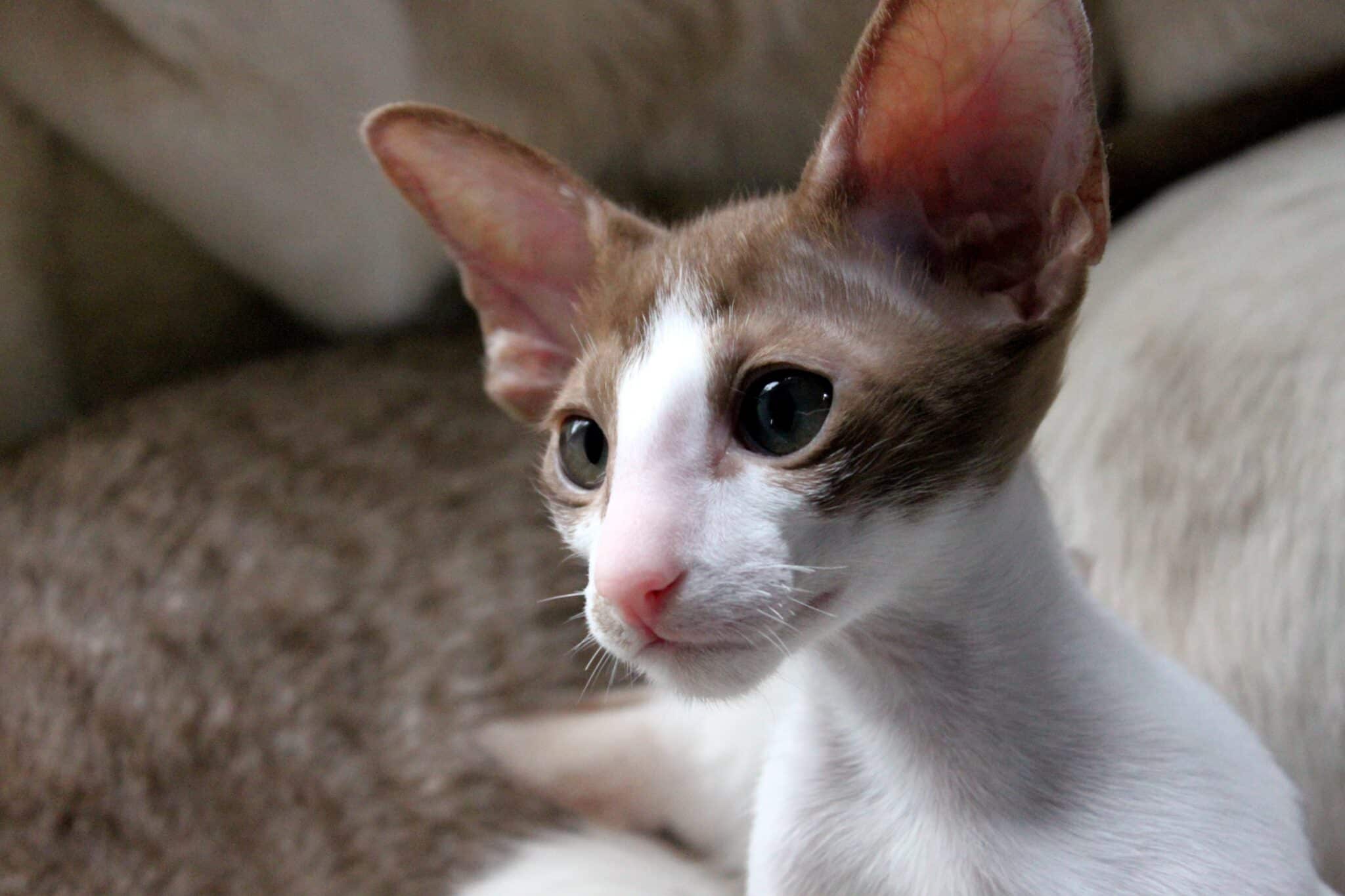
Behavioral Profile: Oriental Shorthairs process household changes with computer-like speed. They learn daily schedules intimately, often waiting by doors before humans even realize they are transitioning rooms. Their slender bodies and probing noses drive them into every crevice, bag, and partially latched cupboard.
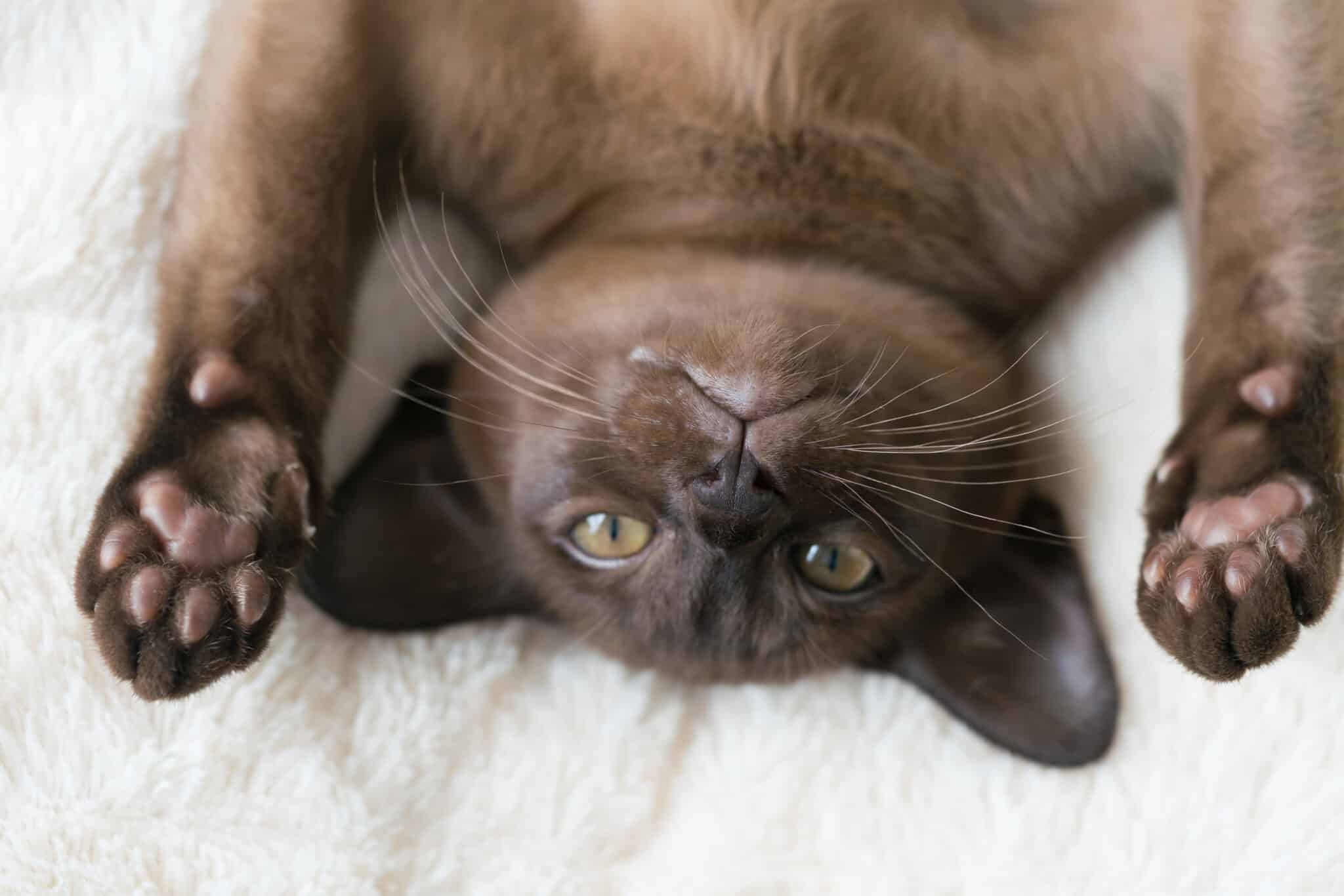
Behavioral Profile: Burmese cats retain a playful, puppy-like exuberance well into their senior years. They demand a front-row seat to all domestic operations, inserting themselves into video calls, grocery unpacking sessions, and floor-level ball games. Isolation or lack of social enrichment deeply frustrates this relationship-driven breed.
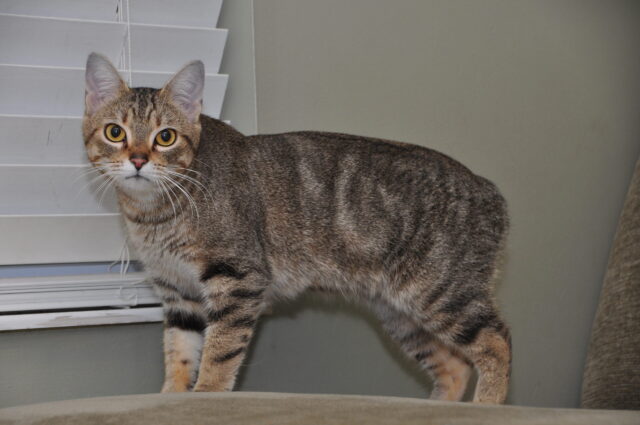
Behavioral Profile: Recognized instantly by their lack of tails and powerful rear legs, Manx cats are tactical dynamos. They love batting small objects under heavy furniture, exploring paper bags, and leaping onto high perches to oversee domestic flow. Under-stimulation leads to creative, albeit disruptive, attention-seeking strategies.
Behavioral Profile: Though physically distinguished by folded ears and rounded profiles, Scottish Folds possess active minds that delight in poking paws into open drawers and inspecting new household acquisitions. Because of their genetic predisposition toward joint and cartilage sensitivities, their inquisitive impulses must be carefully managed to prevent high-impact physical stress.
Official Statements & Expert Perspectives
Veterinary behaviorists and feline welfare organizations emphasize that managing intelligent, high-energy cats requires a shift in human perspective.
Dr. Alistair Vance, a leading comparative ethologist specializing in domestic carnivores, notes:
"When an owner complains that their Bengal or Abyssinian is ‘destructive,’ they are fundamentally misdiagnosing the behavior. The animal is executing a natural drive to probe, manipulate, and master its territory. If we fail to provide artificial outlets for these cognitive needs—such as puzzle feeders, clicker training, and vertical territory—the cat’s brilliant evolutionary machinery will naturally target our glassware, toilet paper rolls, and kitchen cabinets."
Furthermore, the International Association of Animal Behavior Consultants (IAABC) officially recommends environmental enrichment as the primary medical and psychological intervention for nuisance behaviors in indoor cats. Punishment is universally condemned by veterinary authorities, as cats lack the cognitive capacity to associate reprimands with past actions; instead, punitive measures merely damage the human-animal bond and induce chronic stress.
Future Outlook: The Science of Sustainable Enrichment
As our understanding of feline psychology deepens, the future of pet care is shifting rapidly toward proactive environmental design. Smart homes are increasingly incorporating cat-centric architecture—such as integrated wall runways, automated puzzle-dispensing lasers, and temperature-controlled indoor habitats designed to satisfy the specific exploratory urges of breeds like the Siamese, Somali, and Turkish Van.
The key to living harmoniously with these magnificent, high-drive animals lies in redirection rather than restriction. By acknowledging that curiosity is a sign of robust health and superior intelligence, owners can transform potential disasters into shared moments of play. Providing robust vertical territories, rotating interactive toys weekly, investing in automated puzzle feeders, and dedicating twenty minutes to active wand-play daily will channel a cat’s inner explorer away from household destruction.
Ultimately, the best kind of trouble is the kind you can anticipate and redirect. By meeting our cats’ evolutionary needs halfway, we honor their wild heritage while cultivating a peaceful, deeply entertaining domestic sanctuary.