
Executive Overview
For decades, owners of light-furred and brachycephalic dog breeds—such as Maltese, Bichons Frises, Shih Tzus, and Lhasa Apsos—have battled the stubborn, rust-colored cosmetic blemish known as tear staining. Historically, the pet care market responded with a flood of "miracle" ingestible and topical treatments that promised to erase these unsightly marks overnight. However, an investigative look into the formulation of these products revealed a troubling reality: many relied on the illicit, low-dose inclusion of veterinary antibiotics, most notably tylosin tartrate.
This practice prompted a decisive intervention by the United States Food and Drug Administration (FDA), which issued stern warning letters to manufacturers utilizing unapproved active pharmaceutical ingredients in cosmetic remedies. The chronic, sub-therapeutic administration of antibiotics to treat an aesthetic concern poses a severe public health hazard, directly accelerating the global crisis of antimicrobial resistance (AMR) in both veterinary and human medicine.
In the wake of this regulatory enforcement, the veterinary community and pet owners alike have pivoted toward safer, holistic, and scientifically sound alternatives. This investigative report explores the transition away from chemical quick-fixes toward systemic wellness strategies, focusing on the therapeutic potential of species-specific probiotics, advanced non-bleaching topical hygiene products, and the critical diagnostic protocols required to address the root physiological causes of excessive tearing (epiphora).
Detailed Chronology: The Rise and Fall of Antibiotic-Laced Tear Stain Removers
[Early 2000s - 2013]        [2014 - 2016]               [2017 - Present]            [Modern Era]
Market flooded with         FDA issues warning letters   Industry shifts to          Emphasis on vet-guided
"miracle" tear stain        to manufacturers using       non-antibiotic, holistic    diagnostics, probiotics,
products containing         unapproved Tylosin           alternatives (probiotics,   and safe topical hygiene
unlabeled/low-dose tylosin.  tartrate for aesthetics.    safe topical wipes).        regimens.
The Era of Unregulated Chemical Solutions
Throughout the early 2000s, the pet market saw an explosion of over-the-counter dietary supplements and topical solutions designed to eliminate tear stains. These products boasted near-perfect efficacy within weeks of initiation. Veterinary investigators and independent laboratories soon discovered that the active ingredient driving this efficacy was often tylosin tartrate—a macrolide class antibiotic primarily approved for agricultural use to treat chronic colitis in small animals and respiratory infections in livestock.
Because tear stains are frequently exacerbated by low-grade bacterial infections in the moist fur surrounding the eyes, the continuous administration of low-dose tylosin effectively suppressed these bacteria, temporarily clearing the stains. However, these products were marketed as daily cosmetic supplements, leading to pets consuming antibiotics continuously for months or even years.
The FDA Intervention
In 2014, the FDA’s Center for Veterinary Medicine (CVM) initiated a sweeping enforcement campaign. The agency issued formal warning letters to several major pet supplement distributors. The regulatory stance was unequivocal: products containing tylosin tartrate marketed for tear stain removal are unapproved animal drugs. Because they lacked FDA approval for this specific indication, safety profile validation, and manufacturing oversight, their distribution violated the Federal Food, Drug, and Cosmetic Act.

The FDA highlighted that chronic exposure to sub-therapeutic levels of macrolide antibiotics creates an ideal evolutionary pressure cooker for the development of resistant bacterial strains, such as Staphylococcus aureus and Campylobacter. These resistant pathogens can easily be transmitted from companion animals to their human caretakers, undermining the efficacy of critical human therapeutics.
The Modern Reformulation Era
Following the regulatory crackdown, the pet care industry underwent a dramatic restructuring. Manufacturers were forced to recall products, reformulate their lines, or exit the market entirely. This catalyzed a wave of research into alternative wellness paradigms, shifting the focus from masking symptoms with antimicrobials to supporting the canine ocular and intestinal microbiomes.
Supporting Context & Metrics: The Biology of Tear Stains and the Science of Alternatives
To understand why modern alternatives are succeeding, it is necessary to examine the biological mechanisms that govern tear production and discoloration.
The Chemistry of the Rust Stain: Porphyrins
The distinctive red-brown coloration of tear stains is not caused by dirt, but by porphyrins. Porphyrins are naturally occurring, iron-rich molecules produced during the normal breakdown of red blood cells. While humans primarily excrete porphyrins through the gastrointestinal tract, dogs and cats excrete a significant portion of these molecules through their tears, saliva, and urine.
| Breed Group | Predisposing Anatomical Traits | Primary Staining Areas |
|---|---|---|
| Brachycephalic (e.g., Pug, Shih Tzu) | Shallow orbits, skin folds, prominent globes | Medial canthus, facial folds |
| Toy Breeds (e.g., Maltese, Toy Poodle) | Narrow nasolacrimal ducts, hair growth near eye | Infraorbital path, muzzle |
| Long-Haired Breeds (e.g., Lhasa Apso) | Trichiasis (eyelashes rubbing against cornea) | Lower eyelid, cheek fur |
When porphyrin-rich tears pool on the fur around the medial canthus (the inner corner of the eye), the iron within the molecules oxidizes upon contact with air, turning a rust-red color. If the fur remains chronically damp, opportunistic yeasts, such as Malassezia, and environmental bacteria colonize the area, worsening the discoloration and generating a distinct, sour odor.
The Probiotic Paradigm: Leveraging the Gut-Skin-Eye Axis
One of the most promising post-antibiotic developments in tear stain management is the clinical application of canine-specific probiotics. Probiotics introduce beneficial bacterial strains—such as Lactobacillus acidophilus, Bifidobacterium animalis, and Enterococcus faecium—into the gastrointestinal tract.

[Oral Probiotics] ➔ [Gut Microbiome Modulation] ➔ [Reduction of Systemic Inflammation] ➔ [Decreased Porphyrin Secretion] ➔ [Lighter Tear Stains]The scientific hypothesis connecting gut health to ocular staining relies on the systemic regulation of inflammation. Dysbiosis (an imbalance in the gut microbiome) can trigger low-grade systemic inflammation, which alters metabolic pathways and potentially increases the concentration of excreted porphyrins. By stabilizing the mucosal barrier and modulating the immune system, species-specific probiotics help mitigate systemic inflammatory responses, which in turn can reduce excessive tearing and modify the biochemical composition of the tears themselves.
The Quality Control Crisis in Pet Supplements
While probiotics offer an elegant, safe solution, veterinary research warns of significant quality control discrepancies in the market. In a landmark study analyzing commercial pet diets and supplements claiming to contain probiotics, a staggering percentage of products failed to meet their label claims:
Probiotic Label Accuracy in Commercial Pet Products:
[████████████████████ 100% claimed to contain live bacteria ]
[░░░░░ 0% of tested diets actually met or contained the viable strains listed on the label ]
This disparity underscores the necessity of choosing products backed by rigorous third-party testing and veterinary oversight. Pet owners must look for supplements that guarantee colony-forming units (CFUs) at the date of expiration, rather than the date of manufacture, and ensure the strains utilized are specifically validated for canine physiology.
Topical Interventions: Lid Hygiene Without Bleaching
For pet owners seeking immediate cosmetic improvement without systemic risks, the veterinary industry has developed advanced, non-bleaching topical cleansing systems. Products such as veterinary-exclusive lid wipes (e.g., Lid N Lash®) utilize mild surfactants and humectants designed to break down dried protein-iron complexes on the hair shaft.
Unlike historical home remedies—such as diluted hydrogen peroxide or cosmetic bleaches, which pose a severe risk of corneal ulceration and chemical burns—modern veterinary wipes do not strip or bleach the hair pigment. Instead, they work prophylactically:
- Neutralizing the Microenvironment: They remove the accumulated moisture, organic debris, and cellular waste that yeast and bacteria require to proliferate.
- Preventing New Stain Adherence: By coating the hair shaft with gentle protectants, they prevent fresh porphyrin-laden tears from binding to the hair cuticle.
- Odor Control: By eliminating the localized bacterial and yeast populations, they neutralize the damp, musty odor associated with chronic epiphora.
Official Statements and Clinical Guidelines
The FDA’s Position on Unapproved Antimicrobials
The FDA continues to monitor the pet supplement marketplace for violations of the Federal Food, Drug, and Cosmetic Act. In an official briefing regarding unapproved animal drugs in cosmetic products, the agency reiterated:

"The use of unapproved active pharmaceutical ingredients, such as tylosin tartrate, in over-the-counter animal cosmetics poses significant risks to animal safety and public health. Products that make therapeutic claims must undergo the rigorous FDA approval process to ensure safety, efficacy, and consistency. We urge consumers to consult with licensed veterinary professionals before administering any therapeutic or cosmetic supplement to their pets."
Veterinary Consensus: The Diagnostic First Protocol
Leading veterinary ophthalmologists emphasize that cosmetic treatment must never precede diagnostic evaluation. Excessive tearing (epiphora) is not merely an aesthetic issue; it is a clinical sign of underlying ocular pathology.
                      [Patient Presents with Epiphora]
                                     │
                        ┌────────────┴────────────┐
                        ▼                         ▼
             [Anatomical/Obstructive]        [Irritant/Inflammatory]
                - Distichiasis                  - Corneal Ulcers
                - Entropion                     - Allergies
                - Blocked Tear Ducts            - Conjunctivitis
                        │                         │
                        ▼                         ▼
             [Surgical/Physical Fix]        [Medical Management]
Dr. Kathryn Primm, DVM, a prominent voice in veterinary medicine, advises that before attempting any tear-stain remedy, veterinarians must rule out several high-priority conditions:
- Nasolacrimal Duct Obstruction: A physical blockage of the tear drainage pathway, which can sometimes be resolved via a simple flushing procedure under light sedation.
- Trichiasis and Distichiasis: Misdirected eyelashes or extra hairs growing from the eyelid margin that rub directly against the sensitive cornea, causing chronic pain and reflexive tearing.
- Conformation Issues: Breeds with deep-set eyes or shallow orbits often suffer from poor tear drainage because the natural tear lake overflow bypasses the puncta (drainage holes) entirely.
- Corneal Ulceration: A painful scratch or wound on the surface of the eye that requires immediate, targeted antibiotic and lubricating therapy to prevent vision loss.
Future Outlook: The Evolution of Companion Animal Cosmetics
The pet care industry is currently experiencing a profound paradigm shift, driven by a growing demand for clean-label, scientifically validated formulations. The future of canine tear stain management and ocular health is poised to evolve across three primary fronts:
1. The Rise of "Green Chemistry" and Biotech Topicals
The next generation of topical tear stain removers will likely abandon synthetic chemical surfactants entirely in favor of bio-enzymatic formulations. Researchers are currently investigating plant-derived enzymes and bio-engineered peptides capable of selectively breaking down porphyrin molecules on the fur without irritating the delicate ocular mucosa. These "smart" topicals will provide rapid cosmetic results without relying on harsh chemical stripping agents or antibiotics.
2. Next-Generation Microbiome Sequencing
As genetic sequencing of the canine microbiome becomes more affordable and accessible, personalized veterinary medicine will take center stage. Rather than relying on broad-spectrum, over-the-counter probiotics, veterinarians will be able to analyze a dog’s unique gut and skin microbiome via simple swab tests. This will allow for the formulation of custom-tailored prebiotics, probiotics, and postbiotics engineered to address the specific metabolic imbalances causing elevated porphyrin production in that individual animal.
3. Strict Regulatory Harmonization and Third-Party Verification
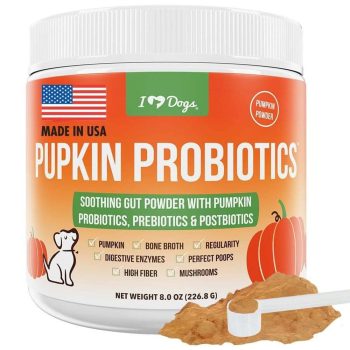
In response to consumer distrust regarding supplement labeling, regulatory bodies like the National Animal Supplement Council (NASC) are implementing stricter auditing processes. We anticipate a future where third-party verification seals—confirming active ingredient viability, purity, and the total absence of unapproved pharmaceuticals—will become a baseline requirement for any pet cosmetic or nutraceutical to succeed in the retail market.
By treating tear staining as a holistic wellness issue rather than a superficial flaw to be quickly masked with drugs, the veterinary industry is establishing a safer, more sustainable standard of care. This transition ensures that our companion animals can live healthy, comfortable, and beautiful lives—free from the hidden dangers of unapproved pharmaceuticals.