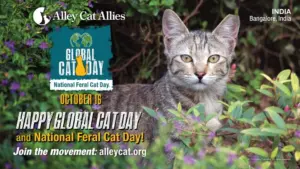
On October 19, 2026, animal advocacy organizations, grassroots caregivers, and international humanitarians paused to reflect on the staggering global impact of Global Cat Day and National Feral Cat Day. Spanning continents—from the United States and Puerto Rico to Syria and Thailand—millions of advocates united under a powerful, unifying message: Cats Are Community™.
While the official day of action took center stage on October 16, the ripple effects of this year’s mobilization have proven that humane, evidence-based care for community cats is no longer a fringe philosophy. Instead, it has matured into a globally recognized standard for animal welfare.
Led by organizations such as Alley Cat Allies, teams deployed directly to the front lines in states like Texas, Maryland, Virginia, New Jersey, Arizona, and the territory of Puerto Rico. Rather than relying on symbolic gestures, these deployments brought tangible, life-saving resources directly to where they were needed most. From funding high-volume Trap-Neuter-Return (TNR) surgeries and microchipping to restocking community food pantries and providing critical veterinary care for vulnerable kittens, the 2026 mobilization demonstrated a multi-faceted approach to feline welfare.
This report provides an in-depth journalistic examination of the 2026 Global Cat Day initiatives. By breaking down regional activations, historical policy context, veterinary outreach, and future strategic goals, we explore how modern animal advocacy continues to redefine humanity’s relationship with community cats.
Detailed Chronology of the 2026 Mobilization
The success of Global Cat Day and National Feral Cat Day 2026 was the result of months of meticulous planning followed by a high-intensity week of ground-level executions. The chronology of events highlights the dynamic, hands-on methodology deployed by Alley Cat Allies and its coalition partners.
Mid-October 2026: The Ground Operations Rollout
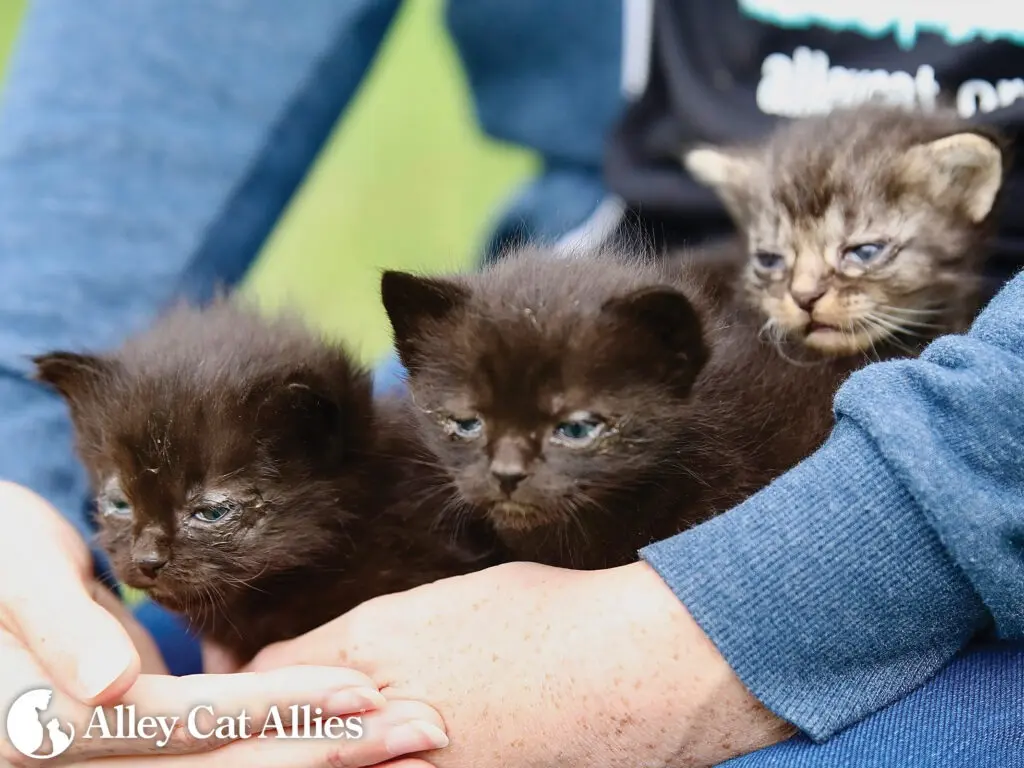
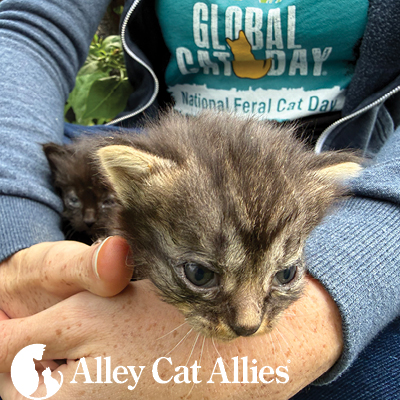
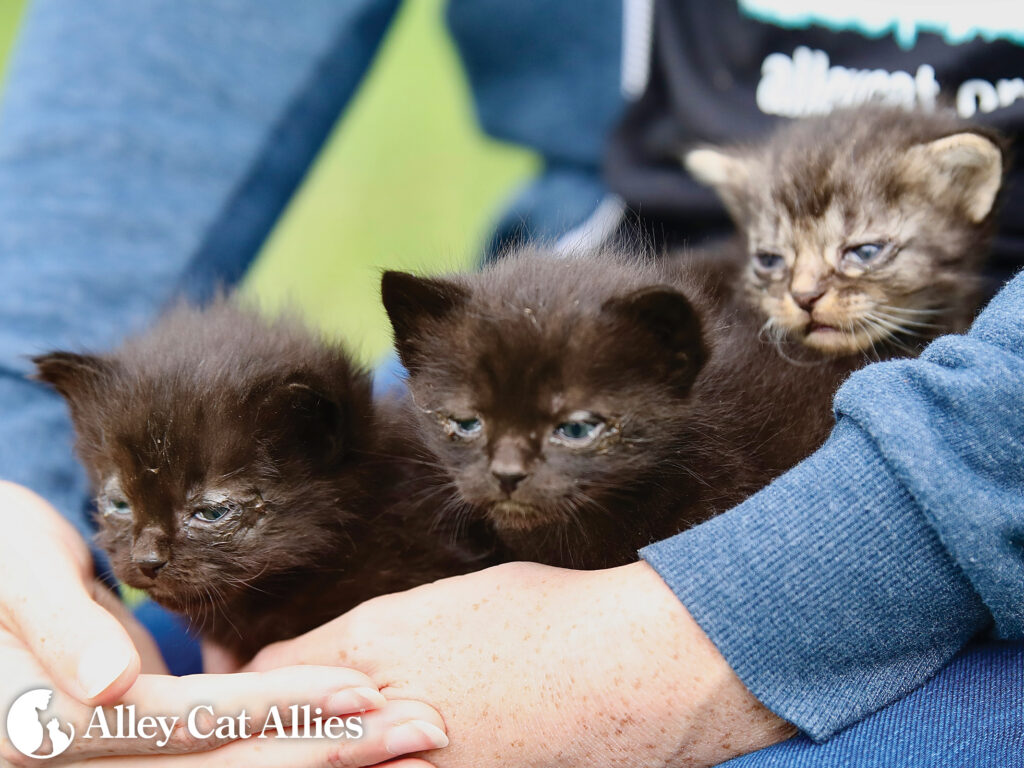
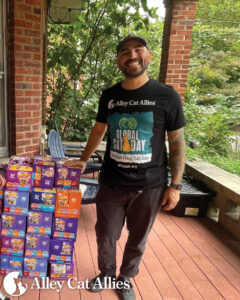
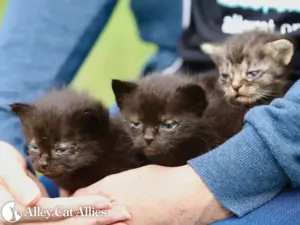
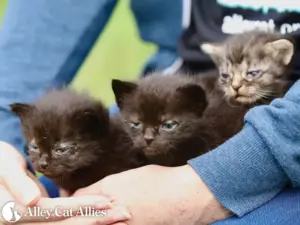
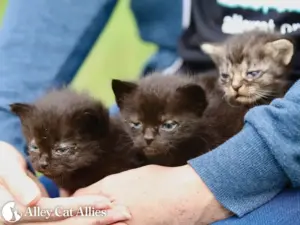
Granite Shoals, Texas (October 16): The Alley Cat Allies team partnered with the Hill Country Humane Society to host a specialized Global Cat Day TNR clinic. Alley Cat Allies underwrote the entirety of the operational costs, covering surgeries, vital vaccinations, and supplementary medical procedures. Beyond standard TNR, field teams distributed substantial shipments of nutritious wet food to alleviate the financial strain on local colony caregivers. Amidst an unseasonably cold October snap, field operatives discovered three shivering kittens suffering from severe upper respiratory infections. These kittens were immediately integrated into the mobile clinic’s care queue, receiving medical treatment, thermal support, and eye care alongside adult community cats.
Richmond, Virginia (October 16): Continuing a trajectory of sustained community support, teams touched down in Richmond to distribute no-cost cat food resources in direct collaboration with the Richmond SPCA. This initiative targeted low-income caregivers, ensuring that human financial insecurity does not jeopardize the daily feeding regimens of outdoor cats.
Atlantic County, New Jersey (Mid-October Week): Operations focused on the iconic Boardwalk Cats program—a shining paradigm of city-supported TNR. Teams delivered daily nutritional support, oversaw medical interventions, and celebrated a model program that has inspired municipalities nationwide to abandon archaic, lethal control methods in favor of sustainable management.
Maryland (Global Cat Day Week): Collaborating closely with A Cat’s Life Rescue, field organizers funded comprehensive spay/neuter procedures, microchipping, and vaccinations. Simultaneously, the organization’s food bank was heavily restocked with high-quality wet food to support regional caretakers.
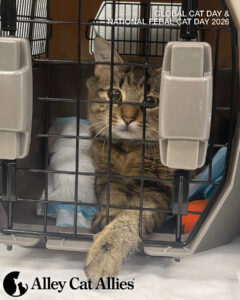
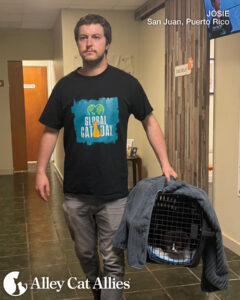
San Juan, Puerto Rico (Global Cat Day Week): On-the-ground efforts intensified around high-need colonies. Caregivers and medical professionals joined forces to screen, treat, and monitor cats such as Llorin, Gizmo, and Josie, ensuring they received specialized veterinary diagnostics and ongoing nutritional support.
Tempe and Phoenix, Arizona (Mid-October Week): Advocacy efforts shifted heavily toward veterinary outreach and educational seminars. Recognizing that veterinary buy-in is the linchpin of any successful community cat program, organizers distributed expert toolkits and educational literature to private veterinary clinics to encourage the integration of community cat care into standard practice.
Regional Spotlights: Case Studies in Compassion and Policy
The diverse geographical footprint of the 2026 Global Cat Day initiatives underscores the adaptability of community-driven welfare programs. Each region presented unique challenges—ranging from severe weather and veterinary shortages to historical policy battles—that were met with tailored, evidence-based solutions.
Texas: From Conflict to Collaboration in Granite Shoals
The return of advocacy teams to Granite Shoals, Texas, marked a triumphant chapter in a multi-year narrative. In 2023, the region faced a severe crisis when local governance debated implementing lethal control methods to manage outdoor cat populations. Alley Cat Allies intervened at that time, amplifying the voices of the Hill Country Humane Society, the Granite Shoals Police Department, and dedicated local caregivers.
This sustained advocacy bore fruit by March 2024, when the city officially adopted a progressive TNR ordinance. The October 2026 clinic served as a stress-test and celebration of this policy shift. By neutralizing financial barriers to spay/neuter services and rescuing vulnerable kittens suffering from cold-weather upper respiratory infections, the coalition proved that humane alternatives are not only viable but superior in maintaining population stability and public health.
Puerto Rico: Defending Felines in the Caribbean
Alley Cat Allies’ enduring presence in Puerto Rico represents some of the most critical wildlife and animal advocacy work in the United States territories. Beyond daily feeding and emergency medical interventions for cats like Josie, Gizmo, and Llorin, the organization recently celebrated a monumental legal and advocacy victory.
For years, the U.S. National Park Service pursued a lethal management plan that threatened the lives of free-roaming cats within protected zones. Through relentless legal pressure, public mobilization, and scientific advocacy, Alley Cat Allies secured a major victory halting this lethal eradication plan. The 2026 Global Cat Day activities in San Juan served as a victory lap for this policy win, while refocusing local energies on long-term TNR and healthcare access.
+--------------------------------------------------------------------------+
|                       KEY 2026 REGIONAL INITIATIVES                      |
+-------------------+----------------------------------+-------------------+
| Region            | Primary Partner Organization     | Core Intervention |
+-------------------+----------------------------------+-------------------+
| Granite Shoals,TX | Hill Country Humane Society      | Underwritten TNR  |
|                   |                                  | & Kitten Rescue   |
+-------------------+----------------------------------+-------------------+
| Richmond, VA      | Richmond SPCA                    | No-Cost Food Bank |
|                   |                                  | Distribution      |
+-------------------+----------------------------------+-------------------+
| Atlantic County,NJ| Boardwalk Cats Program           | City-Supported TNR|
|                   |                                  | & Medical Care    |
+-------------------+----------------------------------+-------------------+
| Maryland          | A Cat’s Life Rescue              | Spay/Neuter, Micro-|
|                   |                                  | chipping & Food   |
+-------------------+----------------------------------+-------------------+
| Tempe/Phoenix, AZ | Local Veterinary Practices       | Veterinary Outreach|
|                   |                                  | & Education       |
+-------------------+----------------------------------+-------------------+
Supporting Context, Metrics, and the Science of TNR
To understand the profound significance of Global Cat Day, one must examine the empirical data driving modern animal welfare. For decades, municipal animal control agencies defaulted to "catch-and-kill" policies, operating under the debunked assumption that removing outdoor cats would permanently reduce populations. Decades of ecological and zoological research have thoroughly invalidated this approach, giving rise to the Vacuum Effect.
The Vacuum Effect Explained
When a colony of outdoor cats is removed from a specific territory via lethal control or traditional shelter impoundment, a biological vacuum is created. Resources such as shelter, rodents, and discarded food remain abundant. Consequently, unsterilized cats from surrounding territories migrate into the vacant area, exploiting the resources and reproducing rapidly. Within a short span, the cat population rebounds to—or even exceeds—its original density.
Trap-Neuter-Return (TNR): The Evidence-Based Solution
Trap-Neuter-Return interrupts this cycle permanently:
Trapping: Cats are humanely captured using specialized box traps.
Neutering: Veterinarians spay or neuter the cats, vaccinate them against rabies, and typically "ear-tip" the left ear (removing a quarter-inch as a universal visual indicator of a sterilized community cat).
Return: The cats are returned to their outdoor home where they live out their natural lives without contributing to population growth.
Statistically, TNR stabilizes colony populations immediately by halting reproduction. Furthermore, neutering drastically reduces nuisance behaviors associated with unsterilized cats, such as yowling, fighting, and roaming. By funding thousands of these procedures worldwide during the 2026 Global Cat Day initiatives, Alley Cat Allies directly shielded municipalities from unnecessary animal shelter intake surges and euthanasia expenditures.
Official Statements and Visionary Leadership
The philosophical foundation of the global movement rests upon the principle of shared coexistence. In statements released during the October 2026 mobilizations, leadership emphasized that community cats are an integral part of human society.
"From the U.S. to Syria, Puerto Rico to Thailand, people the world over celebrated with us and took action to say loud and clear that Cats Are Community."
— Alley Cat Allies Campaign Briefing
This sentiment was echoed by field veterinarians, local shelter directors, and civic leaders who participated in the 2026 clinics. In Tempe, Arizona, veterinary professionals were highlighted as the "beating hearts" of humane action. Without the active buy-in of the veterinary community—providing accessible, affordable surgeries and medical treatments—grassroots caregivers are left fighting an uphill battle. By engaging veterinary clinics directly with educational toolkits, Alley Cat Allies successfully bridged the gap between clinical medicine and community-level animal welfare.
Furthermore, the longevity of the movement is underscored by mass mobilization figures. Since its founding in 1990, Alley Cat Allies has spearheaded a global paradigm shift, growing its support network to over 1.8 million active supporters. This massive coalition demonstrates that public appetite for cruel, archaic animal control methods has evaporated, replaced by an overwhelming demand for compassionate, evidence-based public policy.
Future Outlook: Sustaining the Momentum Beyond October 16
While Global Cat Day and National Feral Cat Day serve as the annual focal points for international media attention and intensive field deployments, animal welfare advocates stress that advocacy is a 365-day-a-year commitment.
The structural successes achieved in 2026—ranging from the legal protections won in Puerto Rico to the municipal TNR ordinances solidified in Texas—provide a robust blueprint for future expansion. Strategic priorities moving forward include:
Legislative Advocacy: Lobbying state and local governments to repeal outdated ordinances that criminalize cat feeding or permit lethal animal control in public parks and federal lands.
Veterinary Infrastructure Expansion: Continuing outreach to veterinary schools and private practices to increase low-cost spay/neuter availability and integrate community cat medicine into standard veterinary curricula.
Caregiver Empowerment: Expanding food bank distributions, winter shelter-building workshops, and trap-loan programs to support the millions of frontline caregivers who shoulder the daily physical and financial burdens of colony management.
Global Coalition Building: Strengthening international networks across the Middle East, Asia, and the Americas to share best practices and standardize humane population control frameworks globally.
As the dust settles on the 2026 Global Cat Day campaigns, the overarching takeaway is clear: the global community has spoken. Through education, legislation, veterinary science, and grassroots compassion, the vision of a world where all cats are valued—and every community possesses the policies and resources to defend them—is steadily becoming a reality.