
By Kendra Freeman, DVM, MS, DACVS (Large Animal/Small Animal)
Specialized Associate Surgeon, Albuquerque, New Mexico
Executive Overview
In modern veterinary medicine, practitioners operate in a landscape fundamentally altered by the democratization of information. Today’s pet owners have unprecedented access to educational resources, ranging from peer-reviewed databases and veterinary libraries to internet search engines, social media interest groups, and increasingly sophisticated artificial intelligence platforms. By the time a specialized surgeon sits down for an initial consultation, clients often arrive armed with a preliminary diagnosis, a working knowledge of potential therapeutic interventions, and preconceived notions regarding their pet’s prognosis.
While an informed clientele can facilitate rich, collaborative medical discussions, it frequently introduces distinct clinical challenges. When information is sourced from unverified or biased platforms, client expectations can diverge sharply from biological and surgical realities. This disconnect underscores a critical mandate for veterinary professionals: bridging the gap between digital speculation and clinical truth.
Successfully navigating surgical cases requires far more than technical proficiency in the operating room. It demands rigorous physical examination, meticulous accounting for concurrent comorbidities, a nuanced understanding of patient frailty over chronological age, transparent communication regarding anesthetic risks, and proactive management of the postoperative recovery phase. By establishing realistic expectations well before the first incision is made, veterinary teams can foster profound trust, enhance compliance, and ultimately optimize patient outcomes.
Detailed Chronology of the Surgical Journey: From Triage to Recovery
The pathway of a surgical veterinary patient is a continuous, multi-staged journey that begins long before the animal is placed under general anesthesia and extends weeks past initial wound healing. Understanding this chronology is essential for both practitioners and pet owners.
1. The Pre-Consultation and Information Gathering Phase
The journey typically starts at the primary care level, where an initial diagnostic workup is performed. For elective or referral cases, a temporal gap often exists between the primary care assessment and the specialist consultation. During this window, clients dive deeply into online research.
When the case reaches a surgical specialist, the consultation must begin by recalibrating this self-acquired data. Straightforward diagnoses—such as a single large cystolith requiring a routine cystotomy—are relatively easy to demystify. However, seemingly clear-cut cases frequently harbor hidden complexities.
For example, consider a cranial cruciate ligament (CCL) injury, one of the most prevalent conditions managed in surgical referral practices. While a complete, acute ligament rupture presents an unmistakable clinical picture with a definitive drawer sign and tibial thrust, partial or incomplete tears are notoriously tricky to diagnose. Furthermore, veterinarians must never view an orthopedic injury in isolation.
Consider the contrasting prognoses of two Labrador retrievers presenting with CCL trauma:
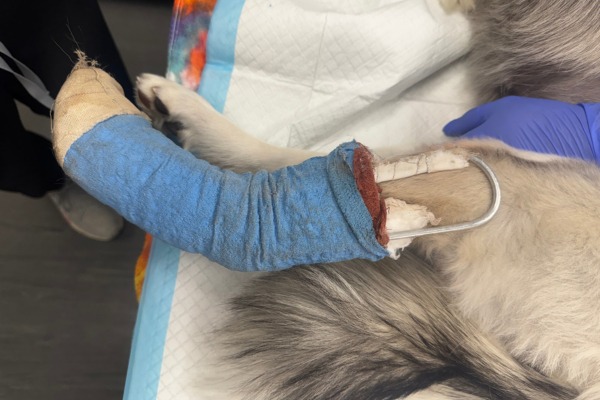
- Patient A: A five-year-old active Labrador retriever with an acute, isolated partial CCL tear.
- Patient B: A 10-year-old sedentary Labrador retriever suffering from bilateral chronic cruciate ligament injuries, significant muscle atrophy, and advanced radiographic evidence of osteoarthritis.
These two cases demand entirely different surgical recommendations, divergent rehabilitation timelines, and uniquely tailored client expectations. Recognizing these intricacies requires more than a weekend continuing education course, a wet lab, or a standard lecture; it demands deep clinical experience, an exhaustive physical examination, and a refusal to fall into the trap of diagnostic "tunnel vision."
2. Tailoring Surgical Options and Informed Consent
Once a comprehensive diagnosis is established, the veterinary team must present viable treatment modalities. Depending on the pathology, there may be a single gold-standard surgical option or a spectrum of choices, each carrying distinct advantages, disadvantages, and limitations.
In general practice, this dialogue often centers on reproductive surgeries—contrasting traditional ovariohysterectomy with ovariectomy or ovarian-sparing procedures. In orthopedic settings where nonspecialists offer specific stabilization techniques, transparency is paramount. General practitioners offering extracapsular stabilization must clearly articulate how their techniques compare to advanced procedures performed by referral hospitals, such as tibial plateau leveling osteotomy (TPLO) or tibial tuberosity advancement (TTA).
Crucially, discussions of surgical options must extend beyond basic logistics like cost and travel distances. Clients deserve a transparent breakdown of biomechanical efficacy, expected recovery times, and long-term joint health implications.
Moreover, clinicians must actively guard against professional bias and stereotyping. It is a common misstep to assume a client’s financial status or demographic will dictate their preference for a surgical intervention. Specialists are frequently surprised by clients of modest means opting for total hip arthroplasties for severe hip dysplasia, while others with extensive resources elect conservative management or femoral head and neck excision (FHNE). When options are objectively and reasonably explained, clients consistently make the choice that best aligns with their family’s resources and their pet’s quality of life.
3. The Anesthetic Bridge and Frailty Assessment
General anesthesia remains one of the most emotionally charged topics for pet owners. Memories of past negative experiences, combined with real or perceived patient comorbidities, often heighten client anxiety.
During surgical consultations, addressing these fears with objective data and individualized protocols is essential. Overall anesthetic complication rates in dogs and cats historically range from 10 to 12 percent, with true anesthetic-related mortality remaining encouragingly low at less than 1 percent. However, certain populations require heightened vigilance; perianesthetic complications in brachycephalic breeds, for instance, have been documented in up to 49 percent of cases due to their unique anatomical challenges. Mitigating these risks relies on tailored anesthetic protocols, vigilant multi-parameter monitoring, and meticulous perioperative support.
Compounding anesthetic discussions is the perennial question of patient age. Clinicians often reassure clients that "age is not a disease," but this truism requires clinical translation. Chronological age is a poor metric for surgical risk. Instead, veterinary medicine is moving toward the clinical evaluation of frailty—a physiological state characterized by diminished biological reserves and heightened vulnerability to external stressors.
Frailty is objectively evaluated by assessing:
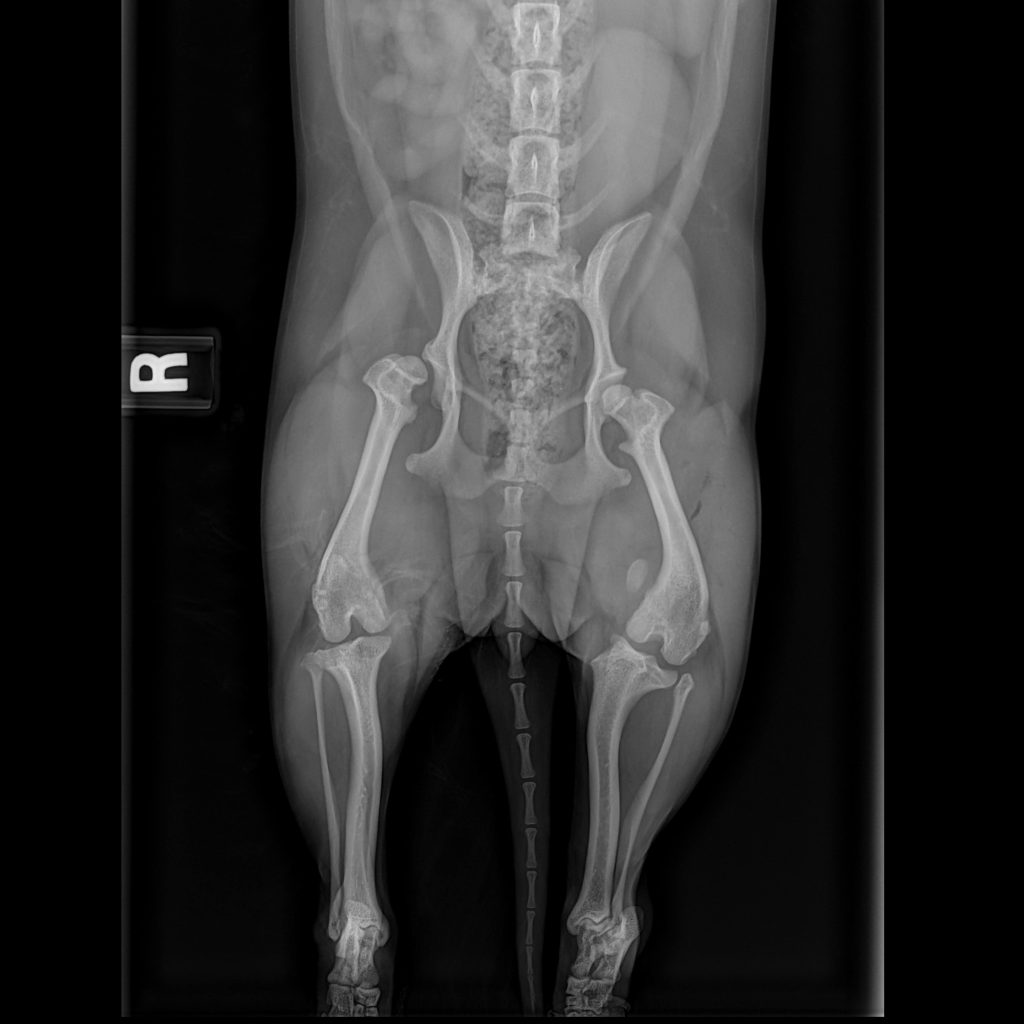
- Activity tolerance and stamina
- Overall body condition score (BCS)
- Mobility and gait mechanics
- Skeletal muscle mass retention
A geriatric patient that maintains a healthy weight, robust mobility, and well-managed, stable comorbidities is often an exceptional candidate for anesthesia and surgery. Conversely, an older patient presenting with recent, unintentional weight loss, severe sarcopenia (muscle wasting), and reduced basal energy levels requires a fundamentally different preoperative conversation. This does not mean the frail patient is disqualified from surgery; rather, it dictates that additional diagnostic workups, targeted medical optimization, specialized drug selections, and intensive perioperative nursing care are mandatory.
4. Postoperative Recovery and the Activity Restriction Battleground
The immediate postoperative window sets the tone for the entire healing trajectory. Clients require clear signposts regarding what to expect: How quickly should the patient be ambulatory? What is the expected timeline for a return of normal appetite? When should the first postoperative bowel movement occur?
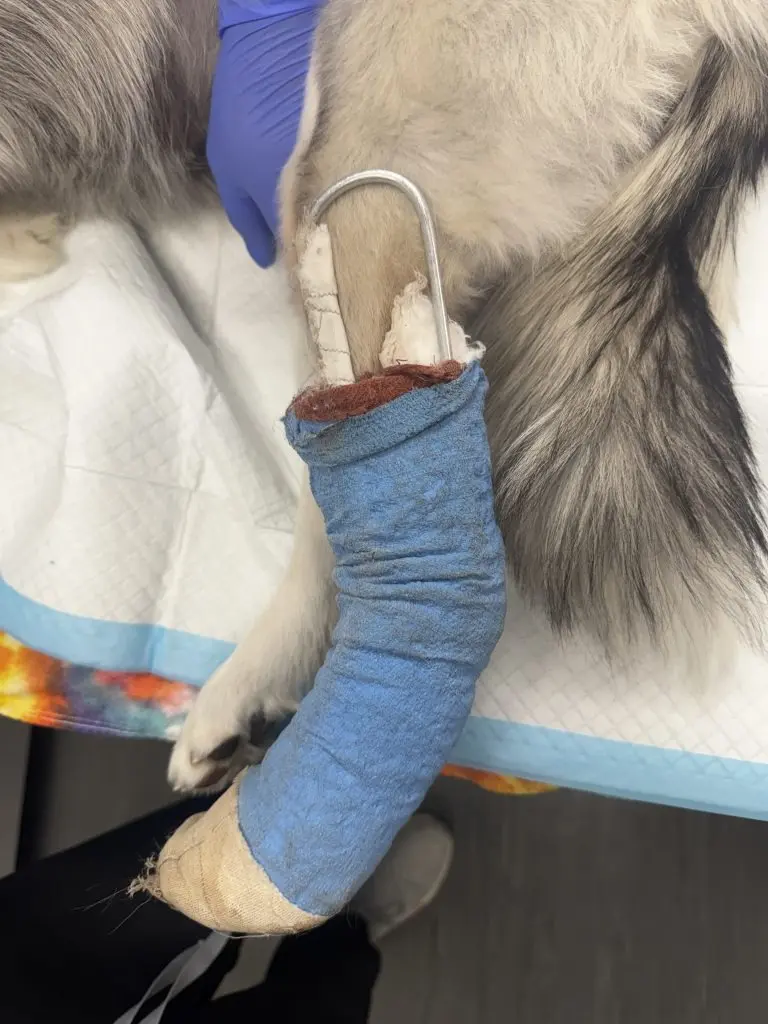
Furthermore, the duration of recovery varies dramatically by procedure. Uncomplicated soft tissue procedures, such as a routine cystotomy, involve relatively rapid healing phases. In contrast, major orthopedic interventions like a TPLO demand an extended, highly structured rehabilitation schedule.
In contemporary veterinary practice, two perpetual points of contention dominate the recovery phase:
- The enforcement of strict activity restriction. Following a TPLO procedure, standard protocols mandate up to eight weeks of strict confinement, with controlled leash walks typically introduced only after the two-week incisional healing check.
- Compliance with protective devices. Preventing self-trauma to the surgical site.
Despite exhaustive preoperative consultations, detailed written discharge instructions, and verbal reviews at the time of discharge, compliance failures are common. It is not unusual for a client to call the clinic two days post-TPLO, ecstatically reporting that their dog "feels so great" that they are wondering if they can grant the animal free, unmonitored access to the house and yard. Navigating these moments requires patience, firm boundary-setting, and proactive troubleshooting of anticipated behavioral challenges before the patient ever goes home.
5. Managing Incisional Complications
Incisional healing is the final physical hurdle of the surgical journey. Common complications include acute inflammation, localized infection, seroma formation, and catastrophic dehiscence.
Mitigating these risks is a shared responsibility between the surgical team and the client:
- Surgical Team Responsibilities: Ensuring incisions are placed in healthy, well-perfused tissue; utilizing atraumatic tissue handling techniques; and selecting appropriate suture materials and patterns.
- Client Responsibilities: Protecting the delicate incision from environmental contamination (via bandages) and from self-inflicted trauma (via licking, chewing, and scratching).
While the rigid plastic Elizabethan collar (E-collar) remains the gold standard for reliable physical barrier protection, historical issues with client and patient compliance have driven the adoption of alternative devices. In modern hospital settings, providing clients with comfortable home alternatives—such as specialized surgical recovery suits ("onesies") and inflatable neck collars—has dramatically boosted compliance rates, ensuring incisions remain undisturbed while preserving the animal’s quality of life during recovery.
Supporting Context & Metrics
To contextualize the surgical environment, current veterinary literature provides critical benchmarks regarding patient safety, complication rates, and behavioral compliance:
- 10% to 12%: The baseline reported rate of general anesthetic complications across the canine and feline population, encompassing minor events such as transient hypotension or hypothermia.
- <1%: The statistical mortality rate directly attributable to general anesthesia in healthy companion animals under modern monitoring protocols.
- Up to 49%: The elevated rate of perianesthetic complications recorded in brachycephalic canine breeds, underscoring the necessity of specialized airway management and intensive recovery monitoring.
- 8 Weeks: The standard duration of strict activity restriction required following major osteotomies like a TPLO to allow adequate bone healing and implant stability.
Official Professional Insights
Dr. Kendra Freeman emphasizes that the mechanical execution of a surgical procedure represents only half of a surgeon’s responsibility. The intangible, human element of veterinary medicine—forged through direct dialogue and transparent education—is equally vital to success.
"Clients often seek information about their pet from a variety of sources, some of which are more reliable than others. During the consultation, it is important to set aside adequate time to perform a thorough physical examination, review diagnostic findings, and answer the client’s reasonable questions," states Dr. Freeman.
"This dedicated one-on-one time before the procedure helps build trust, reinforces the veterinarian-client relationship, and encourages the client to become an active participant in their pet’s care and recovery."
Furthermore, aligning expectations creates a protective buffer for both patient and practitioner. When clients are fully cognizant of the healing timeline, they are significantly less prone to panic when encountering normal postoperative tissue changes, and far more likely to flag genuine red flags early in the healing process.
"Ensuring both the veterinary team and the client share a clear understanding of the diagnosis, treatment plan, expected recovery, and potential complications helps establish realistic expectations and promotes better communication throughout the surgical process. Well-informed clients are often better prepared to recognize normal postoperative changes, identify potential concerns early, and adhere to discharge instructions, ultimately improving patient outcomes."
Future Outlook
As veterinary medicine marches further into the digital age, the role of the clinician is evolving from a mere gatekeeper of medical knowledge to an expert curator, synthesizer, and educator. With artificial intelligence tools and online medical forums becoming increasingly accessible to the general public, pet owners will continue to arrive at clinics with advanced, albeit occasionally misinformed, theories regarding their animals’ health.
The future of successful veterinary surgery will rely heavily on embracing this shift rather than resisting it. Practices that integrate proactive client education tools, transparent digital discharge resources, and empathetic pre-surgical consultations will find themselves uniquely positioned to combat misinformation. By transforming the veterinary-client relationship into an active, collaborative partnership, the profession can ensure that technological advancements in surgery are matched by an equally robust evolution in client communication—paving the way for safer procedures, smoother recoveries, and healthier, happier animal patients.
About the Author
Kendra Freeman, DVM, MS, DACVS (Large Animal/Small Animal), is a graduate of Colorado State University and maintains dual certification with the American College of Veterinary Surgeons. Dr. Freeman is an associate surgeon practicing in Albuquerque, New Mexico. Her primary caseload focuses on advanced orthopedics, general soft tissue surgery, and sports medicine, while occasionally returning to her professional roots in large-animal lameness and equine surgery.