
Executive Overview
As the global livestock industry navigates the post-antibiotic era, researchers and agricultural stakeholders are urgently seeking viable, scalable alternatives to antibiotic growth promoters (AGPs). Amidst mounting pressure to curb antimicrobial resistance (AMR), probiotics have emerged as frontrunners in the quest for sustainable animal husbandry solutions. Among these, the well-characterised lactic acid bacterium Lactobacillus acidophilus (L. acidophilus) has garnered significant attention. Naturally resident within the gastrointestinal tract of animals, this resilient microorganism has long been celebrated in controlled scientific literature for its capacity to suppress opportunistic pathogens, reinforce intestinal barrier integrity, modulate host immune responses, and optimize the overarching microbial balance of the digestive tract.
However, a comprehensive new review conducted by a team of prominent Chinese researchers underscores a persistent and troubling paradox in modern agricultural biotechnology: a widening chasm between pristine laboratory findings and inconsistent real-world commercial results. While in vitro assays and tightly controlled disease-challenge models consistently point to L. acidophilus as a stellar therapeutic and prophylactic agent, translating these biological mechanisms into reliable, cost-effective on-farm performance remains an uphill battle.
This investigative feature explores the current landscape of L. acidophilus research across various livestock sectors—including swine, poultry, and ruminants—while dissecting the complex web of environmental, physiological, and technical variables responsible for the gap between scientific theory and commercial validation. Ultimately, the review suggests that while the probiotic holds immense promise, the industry must pivot away from a one-size-fits-all approach toward precision probiotic applications tailored to specific production environments if these microbial interventions are to reach their full economic and therapeutic potential.
Detailed Chronology: The Evolution of L. acidophilus in Livestock Research
To understand the current standing of L. acidophilus within modern animal agriculture, it is vital to trace the historical trajectory of how probiotics transitioned from niche nutritional supplements to frontline contenders against AGPs.
The historical timeline of AGP utilization dates back to the mid-20th century, when it was discovered that sub-therapeutic doses of antibiotics significantly enhanced growth rates and feed conversion ratios in livestock. For decades, this pharmacological intervention formed the bedrock of intensive farming systems. However, the subsequent rise of multi-drug-resistant bacterial strains triggered a profound global regulatory and scientific reckoning. As governments worldwide began restricting or outright banning the use of AGPs, researchers scrambled to identify biological analogues that could mimic the growth-promoting and disease-preventing properties of antibiotics without driving AMR.
Enter the era of systematic probiotic screening in the late 1990s and early 2000s. L. acidophilus quickly emerged as a primary candidate due to its ubiquity in mammalian and avian gastrointestinal tracts and its GRAS (Generally Recognized as Safe) status. Early chronological milestones focused primarily on basic isolation, strain characterization, and establishing acid and bile tolerance—vital prerequisites for surviving the harsh chemical environment of the upper gastrointestinal tract.
By the 2010s, academic focus shifted toward deciphering the precise mechanisms of action. Researchers mapped how L. acidophilus competitively excludes pathogens by adhering to intestinal epithelial sites and secreting organic acids, bacteriocins, and hydrogen peroxide. Concurrently, immunology studies began documenting the bacterium’s ability to interact with gut-associated lymphoid tissue (GALT), stimulating immunoglobulin production and tempering excessive systemic inflammation.
In recent years, the scientific consensus has entered a more critical, introspective phase—typified by the latest comprehensive review from Chinese researchers. Rather than merely publishing another trial demonstrating efficacy under sterile, highly controlled laboratory conditions, the contemporary focus has shifted toward meta-analyses and commercial field trials. This recent body of work has forced the scientific community to confront uncomfortable truths: namely, that laboratory success does not automatically translate to commercial viability. Today, the chronological focus is firmly on identifying the root causes of field-level performance variance and developing next-generation encapsulation and delivery systems to safeguard the bacterium from feed-processing stressors.
Supporting Context & Metrics: Sector-by-Sector Efficacy Analysis
The utility of L. acidophilus is far from uniform across different livestock species. A granular examination of the data reveals stark contrasts in how pigs, poultry, and cattle respond to probiotic supplementation.
The Swine Sector: The Clear Success Story
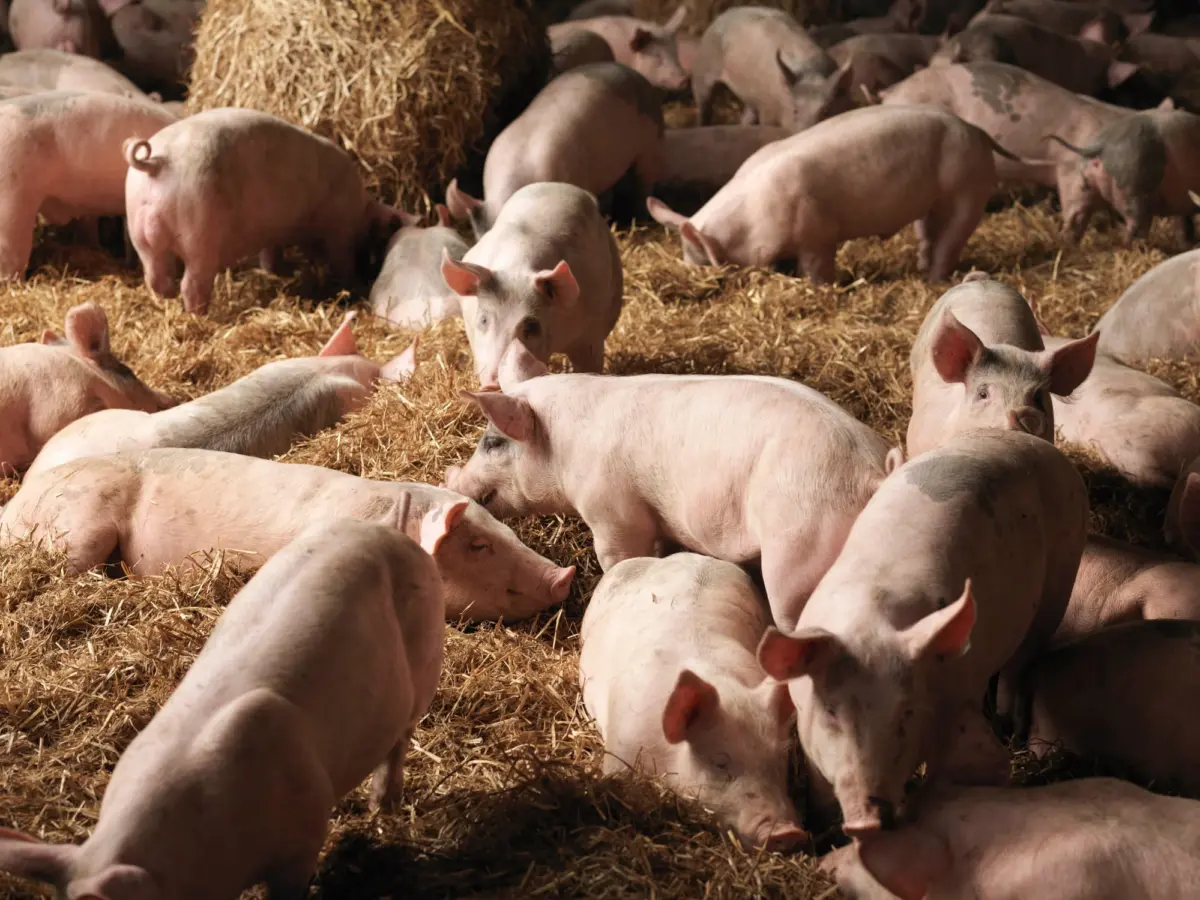
To date, the strongest, most reproducible evidence supporting the efficacy of L. acidophilus stems from pig production, particularly during the critical weaning phase. Weaned piglets face a cascade of physiological, environmental, and nutritional stressors—including abrupt dietary shifts, maternal separation, and mingling with unfamiliar peers. These stressors frequently induce severe digestive disturbances, depressed feed intake, structural damage to the intestinal mucosa, and heightened susceptibility to enteric infections such as post-weaning diarrhea caused by enterotoxigenic Escherichia coli (ETEC).
Across numerous peer-reviewed studies, dietary supplementation with L. acidophilus during this vulnerable window has been consistently associated with:
- Improved Growth Performance: Higher average daily gains (ADG) and optimized feed conversion ratios (FCR).
- Enhanced Nutrient Digestibility: Better utilization of crude proteins and energy sources.
- Stronger Gut Barrier Function: Upregulation of tight junction proteins (such as claudins and occludins), which prevent gut permeability ("leaky gut").
- Reduced Inflammation: Downregulation of pro-inflammatory cytokines, mitigating systemic energy drain caused by chronic immune activation.
The relative consistency of these findings has cemented piglets as the primary commercial success story for L. acidophilus integration.
The Poultry Sector: Promising Yet Variable Outcomes
Moving from swine to poultry reveals a more complex picture. In broiler chickens and laying hens, numerous studies have linked L. acidophilus supplementation to improvements in overall gut health, enhanced mucosal immune responses, and heightened resistance to primary pathogens such as Salmonella species and Campylobacter jejuni. Furthermore, intriguing immunological research indicates that specific strains of the bacterium can augment vaccine efficacy by stimulating enhanced antibody titers and systemic humoral responses.
However, the Chinese review highlights a major caveat: these positive outcomes are rarely observed uniformly across all trials. Poultry production is exceptionally dynamic, and results are frequently confounded by a multitude of intersecting variables:
- Bird Genetics: Different commercial strains exhibit varying baseline immune competence and microbiome compositions.
- Management Systems: Differences in biosecurity, litter management, and stocking densities heavily influence microbial dynamics.
- Dietary Matrix: Variations in cereal types, fiber content, and exogenous enzyme usage can alter the luminal environment, impacting probiotic viability and metabolic activity.
- Product Formulation: Discrepancies in viable cell counts (CFUs per gram) and strain specificity complicate cross-study comparisons.
Ruminant Production: The Frontier of Uncertainty
In cattle and other ruminants, empirical evidence supporting L. acidophilus remains notably scarce and inconclusive. While isolated trials indicate localized benefits—such as accelerated rumen development in neonatal calves and a reduction in the incidence of nutritional scours—there is currently insufficient data to state conclusively that L. acidophilus consistently enhances production performance, milk yield, or long-term rumen fermentation efficiency.
Because the ruminant digestive tract relies heavily on a complex, pre-stomach fermentation vat (the rumen) dominated by anaerobic bacteria, protozoa, and fungi, introducing exogenous lactic acid-producing bacteria requires overcoming intense microbial competition and metabolic adaptation hurdles that remain poorly understood.
Official Statements and Industry Insights
The divergence between scientific idealism and commercial reality has sparked robust debate among agricultural scientists, veterinarians, and feed industry leaders.
"While scientists are unequivocal that the microbe can yield profound physiological benefits for animal health, evidence from real-world farming systems remains notably less clear-cut than controlled laboratory data might suggest," note the authors of the review. This statement captures the crux of the modern probiotic dilemma: biology in a sterile, temperature-regulated bio-containment facility operates under radically different rules than biology on a sprawling, commercial swine or poultry farm.
Industry analysts point out that many foundational studies utilize "disease-challenge models," where test animals are deliberately inoculated with high doses of pathogens or subjected to artificial stressors. Under these extreme conditions, probiotics act as powerful therapeutic buffers, rapidly stabilizing the microbiome and suppressing the invading pathogen.
However, standard commercial farms operate under vastly different parameters. While biosecurity and management practices vary wildly, modern commercial facilities strive to maintain low baseline pathogen pressures. In such environments, the marginal gains offered by a probiotic may be statistically difficult to detect, challenging the economic return on investment (ROI) for producers operating on razor-thin profit margins.
Furthermore, technical hurdles during feed manufacturing represent a persistent operational bottleneck. L. acidophilus is inherently sensitive to environmental stressors such as ambient heat, mechanical shear stress during pelleting, and oxidative damage during prolonged storage. Without advanced microencapsulation, cryoprotectants, or heat-stable strain selection, a significant percentage of the probiotic bacteria may perish before the feed ever reaches the animal’s trough.
Future Outlook: Precision Probiotics and the Road Ahead
Despite the hurdles and inconsistencies highlighted in recent literature, the overarching consensus remains optimistic. L. acidophilus continues to be evaluated as one of the most scientifically viable, biologically harmonious alternatives to traditional antibiotic growth promoters. The foundational evidence verifying its capacity to fortify intestinal barrier integrity, regulate local and systemic immunity, and competitively exclude pathogens remains robust.
Nevertheless, the trajectory of future development must evolve beyond generalized supplementation strategies. The authors of the review argue that the industry is entering an era characterized by precision probiotic strategies. Moving forward, successful commercial applications will likely depend on several key advancements:
- Strain-Specific Optimization: Acknowledging that not all L. acidophilus strains are created equal. Future commercial products will feature heavily screened, proprietary strains selected for specific host species, specific production life-stages, and targeted metabolic outputs.
- Environmental Customization: Tailoring probiotic deployment protocols to match the unique microbiological, climatic, and management profiles of individual production facilities rather than relying on blanket regional recommendations.
- Advanced Delivery Technologies: Accelerating investments in microencapsulation and thermal-protection matrices to ensure that viable bacterial loads survive aggressive feed manufacturing processes, such as high-temperature pelleting and long-term silo storage.
- Synergistic Synbiotics: Combining L. acidophilus with specific prebiotics (such as targeted oligosaccharides) designed to selectively nourish and stimulate the probiotic strain directly within the host’s gastrointestinal tract, ensuring sustained colonization and metabolic activity.
As regulatory frameworks surrounding antimicrobial usage continue to tighten globally, the livestock sector has no choice but to master the complexities of biological alternatives. By addressing the current disconnect between laboratory theory and commercial execution, L. acidophilus is well-positioned to transition from a promising experimental candidate into an indispensable pillar of modern, sustainable, and antibiotic-free animal production.