The subtle art of animal behavior and the vibrant, unpredictable ecosystem of a rural farm form a delicate, interconnected world. Recently, canine behavioral observations on a secure Wisconsin pasture have once again highlighted a foundational rule of animal husbandry: the profound importance of forward momentum when introducing unfamiliar dogs. Drawing on decades of professional experience, animal behavior experts emphasize that human instincts—specifically, the urge to freeze, hold one’s breath, and stare down a potential conflict—often exacerbate tension between unfamiliar canines. Instead, maintaining physical movement defuses pressure, allowing dogs to negotiate social boundaries through clear visual and olfactory signals rather than escalation.
Beyond the pasture gates, farm life presents a parallel lesson in observation and management. Whether navigating unexpected wildlife encounters, safeguarding vulnerable monarch butterfly caterpillars from predatory wasps, or managing hyper-abundant pasture grass driven by shifting climatic patterns, rural stewardship requires constant adaptation. This report synthesizes expert insights on canine introductions with a localized chronicle of farm ecology, examining how behavioral science intersects with the daily realities of managing a vibrant, biodiverse homestead.
Detailed Chronology
The Pasture Introductions: A Study in Canine Body Language
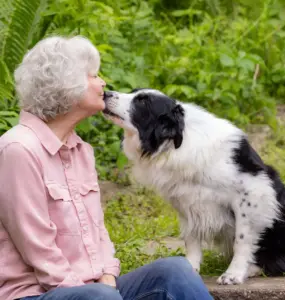
Last week, a localized canine introduction took place within a controlled, neutral environment: a small, secure pasture designed to allow safe, off-leash interactions. The participants included a visiting Doodle, a high-energy terrier named Rocky, and a resident Border Collie named Skip, alongside a second visiting Doodle named Leo.
Initial Contact: Rocky approached Skip with terrier-like intensity. Skip responded by extending his nose to gather olfactory data, prompting Rocky to momentarily rise up to establish social hierarchy. Skip maintained a calm demeanor, displaying remarkable emotional regulation.
Social Integration: As the interaction stabilized, Leo—the more cautious Doodle—gained the confidence to approach, deliberately positioning himself near Skip, whom he already knew. The entire exchange relied entirely on visual cues, ear positioning, and tail signaling, requiring zero verbal intervention from human observers.
The "Keep Walking" Protocol: While human instinct compels handlers to halt and monitor closely, observers actively resisted this urge, keeping their strides steady. This movement prevented the human presence from acting as a focal point of anxiety or territorial pressure.
Historical Context: The Lesson of Skip and Ruby
This recent dynamic mirrors a documented behavioral breakthrough from June 2020, involving Skip and a young Golden Retriever puppy named Ruby.
The Background: Skip, raised in Ireland alongside fellow Border Collies, initially struggled to process the morphology of non-herding breeds. When energetic dogs like Ruby charged toward him, Skip’s baseline stability was tested, resulting in tense postures and closed mouths.
The Intervention: Rather than separating the dogs or halting in place, handlers repeatedly applied the rule: "Let’s just keep walking!"
The Olfactory Bond: During a moment of exploration, Skip discovered a pile of fox waste and began enthusiastically rolling in it—a classic canine behavior designed to absorb and wear potent environmental scents. With permission from Ruby’s owner, Ruby promptly joined in. United by a shared, potent aroma, the dogs immediately shifted their social stance. Moments later, they relaxed side-by-side, proving that mutual sensory experiences can rapidly bridge behavioral divides.
Farm Dispatches: Insects, Mammals, and Weather
Simultaneously, life on the Wisconsin farm unfolded through a series of ecological events over the course of a week:
The Bumblebee Incident: While working on the property, a bumblebee found its way into clothing, resulting in a sting. True to form, the insect was safely captured beneath a glass tumbler and released unharmed, though the allergic aftermath triggered prolonged discomfort.
The Tussock Moth Incursion: A Pagoda dogwood tree showed signs of rapid defoliation, traced to a colorful white-marked tussock moth caterpillar. Known for their voracious appetites and allergenic defense hairs, these larvae highlighted the delicate balance of local flora consumption.
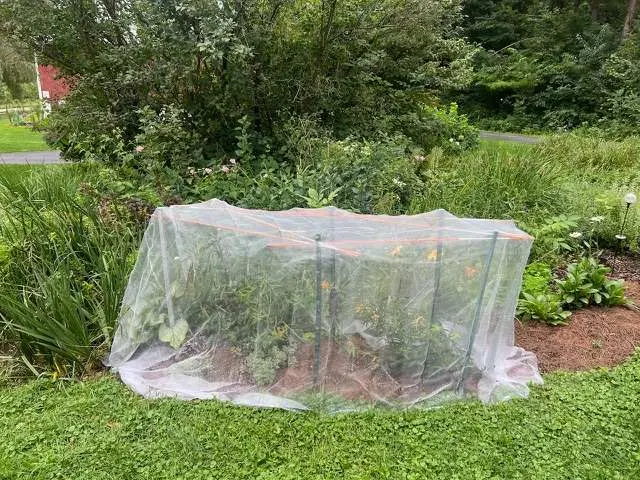
The Monarch Preservation Effort: After identifying six to seven monarch caterpillars on a butterfly bush, subsequent monitoring revealed a drop to four survivors due to natural predation by local wasps. In response, a specialized breathable netting was installed to block flying predators while permitting sunlight and rain, allowing the remaining caterpillars to grow safely.
Precipitation and Pasture Growth: Heavy, rainforest-like downpours driven by regional climatic shifts battered southern Wisconsin. While regional areas narrowly missed severe flooding, the farm’s sheep pastures exploded with unchecked grass growth, rendering mechanical mowing impossible—though the resident sheep voiced zero complaints regarding their boundless buffet.
Supporting Context & Metrics
Understanding canine introductions requires analyzing the physiological and psychological factors that influence animal behavior during initial contact.
The Mechanics of "Staring Pressure"
In ethology, prolonged direct eye contact and stationary positioning are universally interpreted by canines as indicators of predatory intent, territorial challenge, or high anxiety. When humans stop walking during a dog-to-dog meeting, they inadvertently create an invisible focal point of pressure.
Heart Rate and Cortisol: Stationary human observation prolongs the physiological arousal state of the animals, delaying the natural dissipation of cortisol.
Kinetic Relief: Forward locomotion triggers a biological reset. Walking signals to the dogs that the human pack is moving away from a stationary resource or conflict zone, effectively granting the animals "permission" to disengage or de-escalate.
Environmental Statistics & Ecological Shifts
Climate Impact: Regional precipitation patterns in the Upper Midwest have shifted dramatically over recent decades, with extreme downpours becoming more frequent. This has accelerated vegetative growth cycles, requiring rural property managers to adapt pasture rotation schedules.
Pollinator Vulnerability: Monarch butterfly (Danaus plexippus) populations face severe ecological pressures. Studies indicate that up to 90% of monarch eggs and early-instar caterpillars fall victim to invertebrate predators, such as wasps and tachinid flies, before reaching the chrysalis stage. Protective measures like exclusion netting represent vital micro-conservation efforts.
Official Statements
While formal corporate press releases do not apply to private agricultural homesteads and animal behavioral observations, seasoned animal behaviorists and long-standing empirical principles articulate clear guidelines for managing multi-dog dynamics:
"In all my decades of working with dogs, perhaps the most important thing I’ve learned when introducing unfamiliar animals is to keep moving. It is unequivocally the best way to take the psychological pressure off the interaction and give dogs a fair chance to establish natural comfort levels."
— Dr. Patricia McConnell, Animal Behaviorist and Ethologist
"When managing a biodiverse rural ecosystem, you cannot fight the natural cycles of weather and wildlife; you simply observe, adapt, and build resilient structures—whether that means a fence line for canine safety or protective mesh for endangered pollinators."
— Agricultural Field Notes, Wisconsin Homestead Observations
Future Outlook
As human and animal populations increasingly intersect in suburban and rural environments, the foundational principles of animal behavior remain more relevant than ever. The lessons learned from controlled pasture introductions—valuing patience, honoring visual communication over verbal commands, and maintaining physical momentum—offer a blueprint for harmonious co-existence between species.
Looking ahead, homestead managers and dog owners alike must brace for ecological volatility. Intensified weather patterns, shifting precipitation levels, and localized insect population fluctuations will continue to test the adaptability of rural ecosystems. However, through proactive environmental stewardship—such as utilizing protective enclosures for pollinators—and adherence to time-tested behavioral methodologies, handlers can ensure safety, foster resilience, and cultivate a deeper appreciation for the complex, wordless languages shared by the animals in our care.