The intersection of animal welfare, environmental conservation, and personal reflection often reveals the delicate ecosystem shared by humans and animals. Following an emotionally demanding week centered on the rescue and triage of hundreds of laboratory beagles from the controversial Ridglan Farms facility in Wisconsin, animal behaviorist and author Dr. Patricia McConnell offers a necessary restorative pause.
This dispatch bridges the stark realities of institutional animal trauma with the vibrant, grounding resilience of the natural world. From the blooming of native prairie flora—such as columbine and prairie smoke—to the arrival of migratory birds like Baltimore and orchard orioles, the narrative serves as a testament to the enduring presence of joy, even amidst heavy circumstances. Furthermore, the report provides a deeply moving glimpse into the initial rehabilitation phase of the Ridglan beagles at the Dane County Humane Society. These dogs are learning, step-by-step, how to transition from sterile wire cages to the liberating tactile experience of green grass and open skies.
Ultimately, this synthesis of field observations, animal behavior insights, and advocacy sets the stage for upcoming discussions regarding canine trauma recovery, the parallels between human and animal healing, and emerging topics such as canine attention-deficit hyperactivity disorder (ADHD).
Detailed Chronology: From Laboratory Cages to Sanctuary and Spring
The past several weeks have marked a monumental chapter in regional animal welfare, characterized by a mix of profound institutional accountability and painstaking individual rehabilitation.
The Ridglan Farms Triage Operation
The sequence of events leading up to the recent animal intake stems from long-standing scrutiny over breeding practices at Ridglan Farms, a Wisconsin-based facility historically supplying beagles for laboratory research. Following significant legal pressures, regulatory scrutiny, and allegations of animal abuse, Ridglan surrendered its license to sell dogs for research to avoid formal criminal convictions.
This regulatory shift triggered an unprecedented logistical challenge: the immediate intake and triage of approximately 500 beagles by the Dane County Humane Society (DCHS). For shelter staff and specialized volunteers, the operation required round-the-clock medical evaluations, behavioral assessments, and psychological stabilization.
[Regulatory Settlement Reached]
       │
       ▼
[500 Beagles Surrendered]
       │
       ▼
[Intake & Triage at Dane County Humane Society]
       │
       ▼
[Behavioral Rehabilitation: Transitioning from Wire Crate to Grass]
The Arc of Rehabilitation: A Step-by-Step Awakening
For dogs accustomed exclusively to life within the confines of a wire laboratory crate, the outside world is a sensory overload fraught with invisible terrors and novel wonders. Observers at the DCHS noted harrowing yet hopeful milestones during the initial socialization phase.
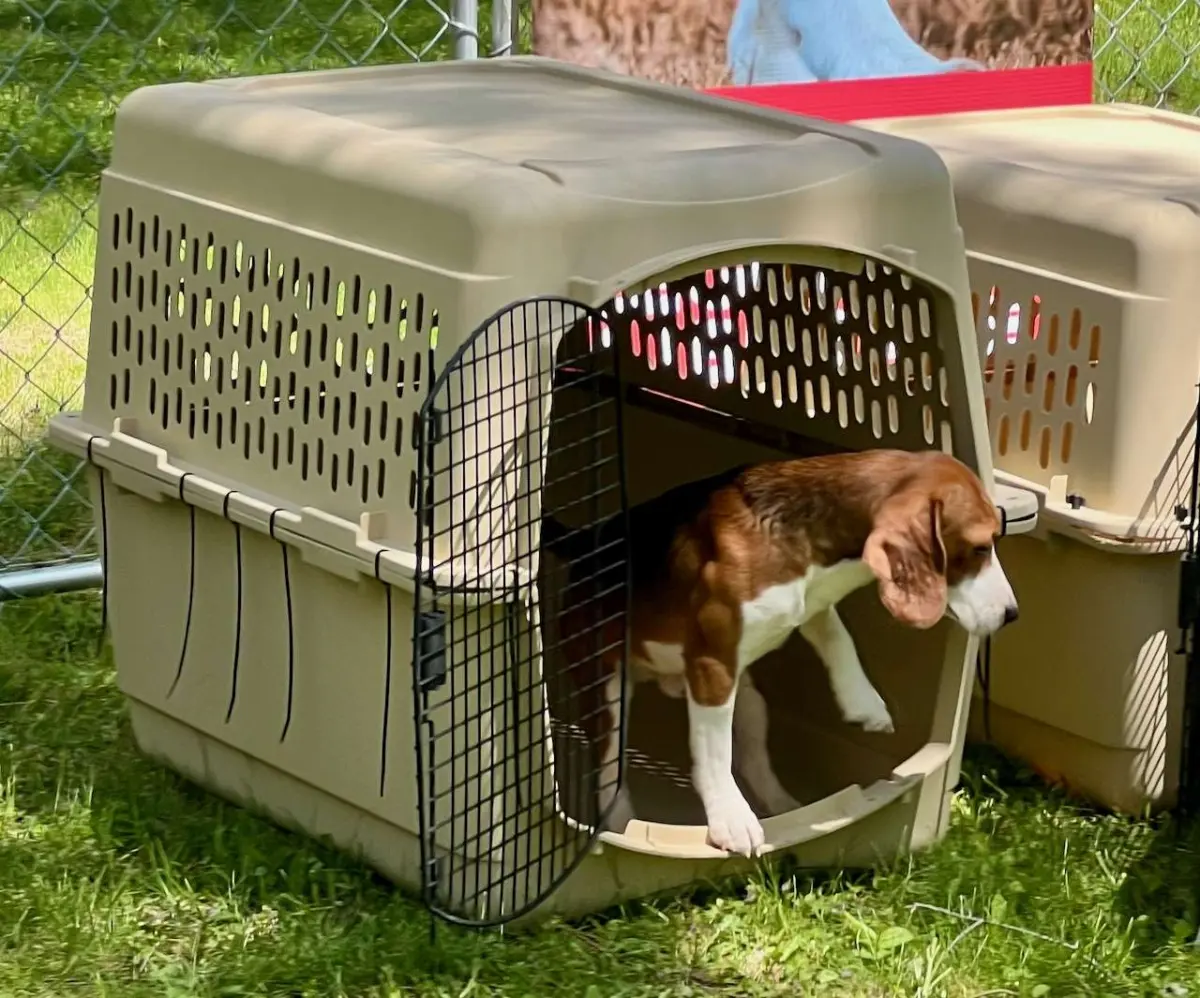
One particular rescue dog spent upwards of thirty to forty-five minutes hesitating at the threshold of the outdoors, mustering the courage to place a single paw onto natural grass. Repeating a meticulous cycle of lifting and retracting the limb, the dog slowly unlearned the hyper-vigilance bred by confinement. Simple motor patterns—such as coordinating the movement of back paws on uneven terrain—required conscious re-learning. This painstaking physical and emotional transition mirrors the foundational tenets outlined in Dr. McConnell’s memoir, The Education of Will, which explores the shared neurobiology of trauma and healing across species lines.
The Contrast of Spring’s Awakening
While shelter workers labored to mend the spirits of the rescued beagles, the surrounding Wisconsin landscape underwent its own vibrant transformation. The arrival of native flora—including the sky-reaching columbine and the delicately textured prairie smoke—provided a vivid sensory backdrop to the heavy operational duties at the shelter. Simultaneously, the ecological calendar aligned with the return of migratory species. Female hummingbirds and a flurry of bright orange-and-black Baltimore and orchard orioles descended upon backyard feeders, demanding constant replenishment and offering a striking visual contrast to the stark, indoor realities of laboratory housing.
Supporting Context & Metrics: Understanding the Scope of Animal Trauma and Regional Biodiversity
To fully grasp the weight of the recent events in Wisconsin, one must examine both the quantitative reality of the laboratory animal pipeline and the ecological richness of the Upper Midwest prairie ecosystem.
The Scale of Laboratory Beagle Production
Beagles remain the predominant canine breed utilized in biomedical research worldwide due to their docile temperament, manageable size, and metabolic similarities to humans. Facilities like Ridglan Farms operated on a commercial scale, supplying thousands of dogs over decades to pharmaceutical, chemical, and academic testing laboratories.
The Intake Volume: The sudden influx of 500 dogs into a single regional shelter system (the Dane County Humane Society) represents a massive logistical shock, requiring thousands of hours of specialized foster care, behavioral modification, and veterinary medicine.
Behavioral Sequelae of Confinement: Research in animal behavior indicates that dogs raised in sensory-deprived environments frequently exhibit specific trauma responses, including extreme neophobia (fear of new things), stereotypic behaviors (circling, pacing), and learned helplessness. The slow, deliberate process of placing a paw on grass represents a critical breakthrough in overcoming sensory deprivation.
Ecological Context: Native Flora and Avian Migration
The seasonal observations noted during this period highlight the rich biodiversity of the region’s restored prairies and woodlands:
Columbine (Aquilegia canadensis): Known for its distinct red and yellow spurred petals, this native perennial is uniquely evolved to attract pollinators with long appendages, perfectly matching the biological needs of local hummingbirds.
Prairie Smoke (Geum triflorum): A unique member of the rose family, this native wildflower features nodding pink blossoms that transform into feathery, smoke-like seed heads later in the season.
Avian Indicators: The heavy traffic of Baltimore orioles (Icterus galbula) and orchard orioles (Icterus spurius) underscores the timing of the Neotropical migration peak, during which regional bird populations rely heavily on high-energy nectar sources and supplemental feeding stations.
Official Statements and Professional Perspectives
The ethical dimensions of laboratory animal breeding and the subsequent rehabilitation protocols have drawn commentary from leading veterinary organizations, humane societies, and animal behavior experts.
Industry and Regulatory Stance
The settlement involving Ridglan Farms—whereby the facility ceased its supply operations to avoid formal animal abuse convictions—has sparked national discussions regarding the oversight of commercial breeding facilities. The American Veterinary Medical Association (AVMA) and animal advocacy groups have continuously monitored the legal definitions of humane treatment in research settings.
"The transition from a laboratory environment to a domestic home requires a profound paradigm shift in how we understand canine resilience. Healing is not merely physical recovery; it is the slow, deliberate rebuilding of agency in an animal whose choices have been systematically denied."
— Dr. Patricia McConnell, Animal Behaviorist and Author
Shelter Operations and Community Response
Representatives from the Dane County Humane Society emphasized the extraordinary community response required to manage the 500-dog intake. Through coordinated networks of foster homes, volunteers, and donors, the shelter mobilized to provide the intensive individualized care necessary for dogs experiencing profound sensory and psychological transition. Cinematographer Andria Chamberlin, documenting the rescue process for an upcoming project on cross-species trauma recovery, noted that capturing the raw moments of canine rehabilitation serves to demystify the psychological impact of institutional confinement.
Future Outlook: What Lies Ahead for Advocacy, Research, and Canine Care
As the immediate triage phase of the Ridglan beagles transitions into long-term foster and adoption placements, several key initiatives and discussions are set to take center stage in the coming weeks.
Upcoming Educational Content and Discourse
Canine Trauma and Healing: Further documentation and video footage from the DCHS rescue efforts will be released, providing practical insights into how owners of rescue animals can support dogs overcoming severe early-life deprivation.
Neurodiversity in Dogs: An upcoming examination of Attention-Deficit Hyperactivity Disorder (ADHD) in domestic dogs will explore how modern diagnostic frameworks in veterinary behavioral medicine address hyper-arousal, impulse control, and focus issues in companion animals.
Literary Resources and Sales: Special informational updates regarding discounted educational materials on solving behavior problems will be made available to support pet owners navigating complex behavioral challenges.
Broader Implications for Animal Welfare
The closure of Ridglan’s laboratory supply pipeline signals a broader cultural and regulatory shift regarding the utilization of dogs in research. As public awareness grows through documentaries, memoirs, and transparent shelter reporting, the pressure mounts on remaining commercial breeders to meet higher ethical standards—or phase out operations entirely in favor of non-animal testing alternatives.
In the interim, the dual focus on natural beauty—symbolized by blooming columbines and migrating orioles—and grassroots animal rescue reminds observers that hope and rigorous advocacy must continually walk hand in hand.