
Executive Overview
In the sprawling, high-elevation wilderness of Yellowstone National Park, an ancient drama of survival is playing out against a backdrop of modern ecological recovery. A landmark study published this week in Proceedings of the National Academy of Sciences (PNAS) has cast new light on the tense, asymmetric relationship between two of North America’s most formidable apex predators: the gray wolf (Canis lupus) and the cougar (Puma concolor).
For decades, wildlife biologists have observed the uneasy coexistence of these two large carnivores. While wolves operate as heavily coordinated, highly social pack hunters, cougars rely on stealth, solitude, and surgical precision. As their populations rebound across the western United States, their geographic ranges are increasingly overlapping, setting the stage for territorial disputes, lethal encounters, and complex behavioral adaptations.
The new research reveals that the epicenter of conflict between these species is not raw territorial expansion, but the dinner table. According to the study, a staggering 42% of all wolf-cougar interactions begin when wolves usurp prey previously slain by cougars. To mitigate the mortal dangers of these confrontations, cougars have radically altered their foraging habits. Rather than targeting large prey such as elk—which require prolonged feeding times at a single carcass—cougars are increasingly shifting their focus toward smaller prey like deer. This tactical pivot reduces the time spent exposed at a kill site, effectively lowering the probability of a fatal run-in with a roaming wolf pack.
Furthermore, the study underscores that peaceful coexistence in shared ecosystems does not hinge solely on the abundance of prey. Instead, it relies on structural landscape diversity—specifically, access to rugged escape terrain such as steep cliffs or climbable trees—and a rich mosaic of multiple prey species. As carnivore restoration projects take root across North America, these findings offer vital clues into how ecosystems self-organize when long-absent apex predators are reintroduced to the land.
Detailed Chronology: Decoding Nine Years of Predator Dynamics
To uncover the subtle behavioral shifts driving wolf-cougar interactions, researchers embarked on an intensive, nearly decade-long investigation within the rugged terrain of Yellowstone National Park. Spanning from 2015 to 2024, the project represents one of the most comprehensive telemetry and field-verification efforts ever undertaken regarding large carnivore competition.
The Methodology: Telemetry Meets Machine Learning
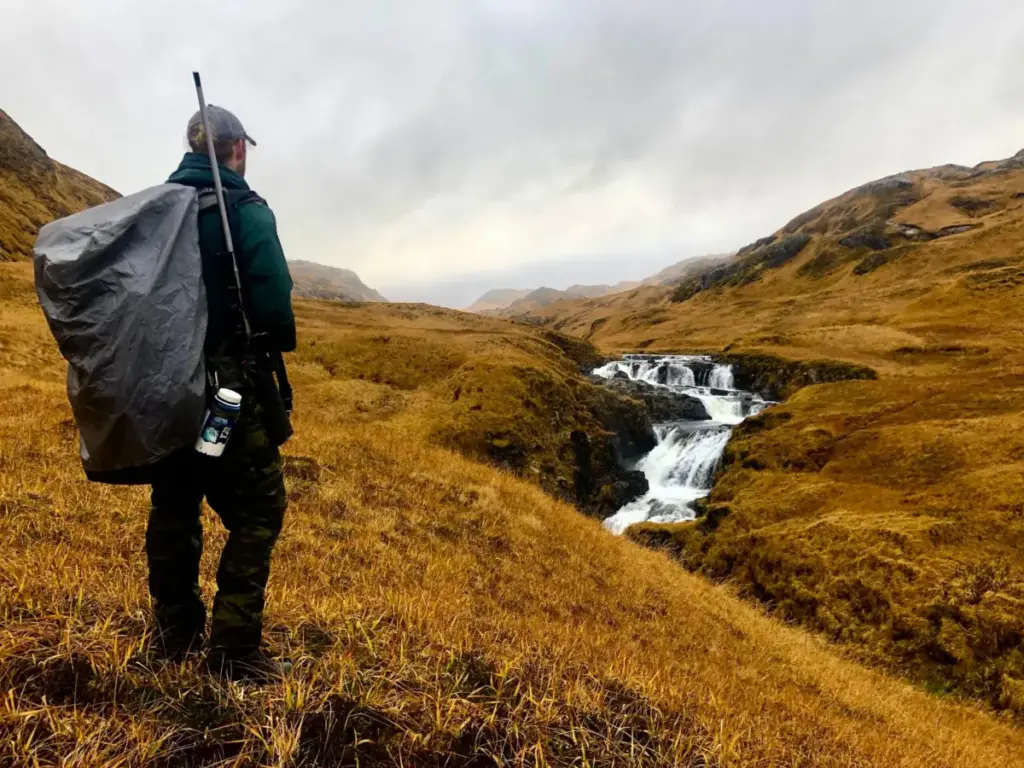
The foundation of the study rests on nine years of high-resolution GPS tracking data retrieved from collared wolves and cougars traversing Yellowstone’s sprawling northern range. Capturing and collaring these elusive cats is no small feat. Lead author Wesley Binder, who began his doctoral work at Oregon State University in 2022 after spending nearly a decade monitoring cougars in the park via the Yellowstone Cougar Project, personally helped deploy 140 remote cameras and capture adult cougars to fit them with tracking devices.
However, tracking data alone only tells part of the story. To truly understand what transpired when predator paths crossed, the research team conducted exhaustive field investigations at nearly 4,000 potential kill sites identified throughout the park. Visiting these remote locations allowed scientists to verify whether a carcass was present, which species made the kill, and what signs of interspecific conflict—such as tracks, scat, struggle marks, and drag lines—remained in the snow or soil.
Processing this massive volume of field data required cutting-edge computational tools. The research team utilized confirmed kill-site data to train sophisticated machine-learning models. By combining GPS movement patterns with likely kill locations, the algorithms allowed scientists to accurately match predator movements with probable feeding events. This technological leap gave researchers unprecedented visibility into the micro-moments of predator interaction across vast tracts of wilderness.
The Unfolding of Conflict and Adaptation
The chronological data gathered between 2016 and 2024 painted a vivid picture of asymmetric pressure. Over the eight-year monitoring window, researchers recorded 12 adult cougar deaths. Of those, exactly two were directly attributed to wolves. In both fatal instances, the cougars were caught in vulnerable positions devoid of nearby escape terrain. Notably, the attacking wolves did not consume the cougars; instead, they killed the cats to usurp the elk carcasses the cougars had recently secured.
Conversely, during the same period, field researchers documented 90 wolf deaths across the park. Strikingly, not a single wolf death was attributed to cougars. The vast majority of wolf mortalities were linked to natural intra-pack aggression, disease, old age, or human-related causes outside park boundaries.
Faced with this stark power imbalance, cougars adapted their behavior in real-time. As elk numbers in Yellowstone fluctuated and ultimately declined due to multiple environmental pressures, cougars began shifting their dietary reliance toward deer. Because deer possess significantly less biomass than elk, cougars can consume them much faster. This behavioral plasticity drastically shortens the duration a cougar lingers over a carcass, thereby shrinking the temporal window during which wolves can home in on the scent of fresh blood and meat. Furthermore, spatial tracking revealed that cougars actively steer clear of zones where wolf packs have recently made kills, effectively establishing a landscape-level system of avoidance.
Supporting Context & Metrics: Why Wolves Hold the Upper Hand
To fully appreciate the gravity of the Yellowstone study, one must examine the fundamental ecological and behavioral asymmetries that separate wolves from cougars.
Pack Power vs. Solitary Stealth
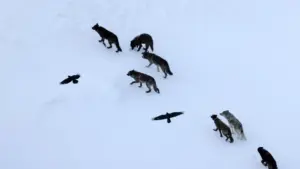
For decades, behavioral ecologists have documented the dominance hierarchy that exists between these two species. Wolves are social, pack-hunting carnivores. A typical Yellowstone wolf pack can range from four to over a dozen individuals, operating under a coordinated cooperative strategy that allows them to harass, overwhelm, and displace solitary rivals.
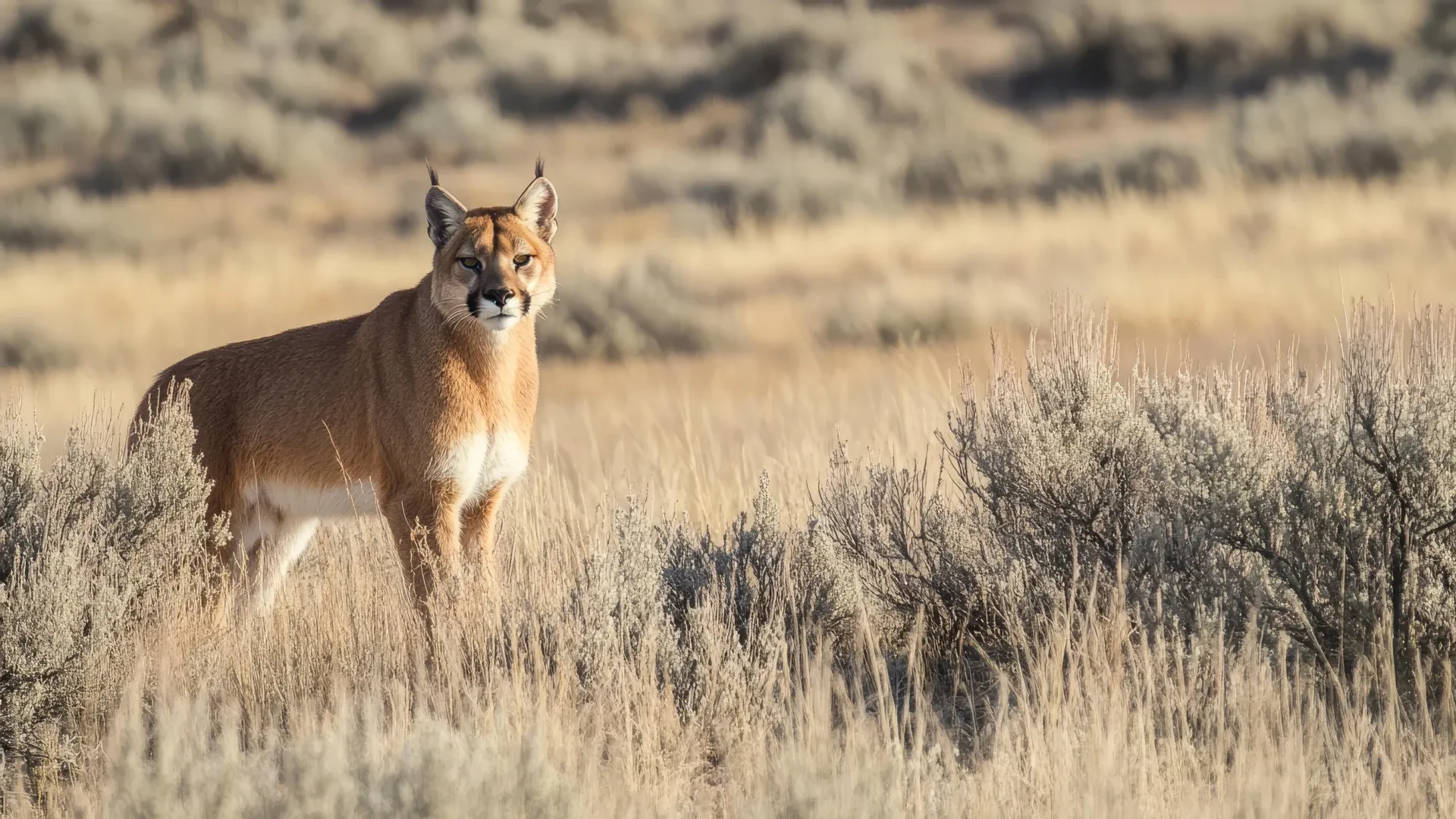
Cougars, by contrast, are strictly solitary hunters. While they possess formidable strength, lethal agility, and exceptional climbing prowess, a single cougar is at a severe numerical and physical disadvantage when confronting an aggressive wolf pack.
In many ecological systems across the globe, smaller or subordinate carnivores face a well-documented trade-off: they risk death by challenging or lingering near dominant predators, but they benefit by scavenging leftover kills. However, the dynamics between wolves and cougars break this mold. Cougars almost never scavenge kills made by wolves. They are apex hunters in their own right, entirely self-sufficient, and prefer to secure their own fresh meals. Consequently, scientists long struggled to pinpoint the exact mechanisms governing their interactions—until now.
Key Metrics at a Glance
- Duration of Study: 9 years of continuous GPS telemetry and field monitoring.
- Kill Sites Investigated: Nearly 4,000 field-verified potential kill sites across Yellowstone National Park.
- Proportion of Conflict at Cougar Kills: Approximately 42% of all recorded wolf-cougar interactions occurred at predicted sites where a cougar had made a kill.
- Proportion of Conflict at Wolf Kills: Only 1% of interactions took place at sites where a wolf had killed prey.
- Cougar Mortalities (2016–2024): 12 total adult deaths recorded, with 2 directly caused by wolves.
- Wolf Mortalities (2016–2024): 90 total deaths recorded, with 0 attributed to cougars.
- Remote Monitoring Infrastructure: 140 remote cameras deployed across Yellowstone’s northern range as part of the foundational fieldwork.
The Historical Pendulum: A Changing American West
The modern coexistence of wolves and cougars in Yellowstone is the result of conservation history coming full circle. For much of the 20th century, aggressive federal and state predator-eradication programs pushed both wolves and cougars to the brink of local extinction across the United States. Through relentless trapping, poisoning, and shooting, wolves were entirely extirpated from Yellowstone by the 1920s, while cougar populations plummeted to near-zero levels.
Attitudes began to shift during the environmental awakening of the 1960s and 1970s. Cougars received legal protections as game animals in states like Washington, Oregon, and Montana, allowing their populations to gradually rebound and reclaim historic territory. Wolves, however, remained absent until one of the most famous conservation experiments in history took place: the federal reintroduction of gray wolves into Yellowstone National Park and central Idaho beginning in 1995.
Today, three decades after that historic release, the American West is witnessing a ecological resurgence. Both predators are expanding their ranges back into habitats they have not occupied for over a century. This overlap creates complex management challenges and sparks profound scientific curiosity regarding how modern ecosystems will adapt to the permanent return of dual apex predators.
Official Statements & Expert Perspectives
The implications of the PNAS study extend far beyond the borders of Yellowstone, offering vital frameworks for wildlife managers, conservationists, and ecologists operating worldwide.
Wesley Binder, lead author of the study and a doctoral candidate in the Department of Fisheries, Wildlife, and Conservation Sciences at Oregon State University, emphasized the broader ecological significance of the findings during a recent interview:
"In North America and worldwide, carnivore communities are undergoing major changes. Our research provides insight into how two apex predators compete, which informs recovery efforts."
Reflecting on the historical context of his research and the unique position of the American West, Binder noted the shifting mindset of rural communities and conservationists alike:
"You’ve had these places that in the last 20, 30 years have had cougars come back, and now wolves are coming back as well. There are a lot of people asking questions like, ‘What are our ecological communities going to look like now that we have both of these large carnivores back on the landscape?’"
The study’s robust conclusions are backed by a multidisciplinary team of co-authors from esteemed institutions. The research partnership brought together ecological modelers, spatial analysts, and park biologists, including Joel S. Ruprecht, Rebecca Hutchinson, and Taal Levi from Oregon State University’s College of Agricultural Sciences; Jack Rabe from the University of Minnesota and the Yellowstone Center for Resources; and Matthew Metz and Daniel Stahler, senior biologists with the Yellowstone Center for Resources. Rebecca Hutchinson also holds a dual appointment in Oregon State’s College of Engineering, highlighting the heavy reliance on advanced data science and machine learning required to parse years of complex ecological tracking data.
Future Outlook: Coexistence in the Anthropocene
As wildlife managers look to the future, the lessons learned from Yellowstone’s wolves and cougars offer a blueprint for managing complex carnivore landscapes across North America and beyond.
The study’s core finding—that peaceful coexistence depends less on absolute prey abundance and more on habitat heterogeneity (specifically prey diversity and escape terrain)—provides actionable insights for conservation planning. When states and federal agencies draft recovery plans for endangered or recovering carnivores, protecting structural landscape elements (such as rocky outcrops, dense forest patches, and steep canyons) is just as critical as managing ungulate hunting quotas. Cougars require these structural refuges not only to hunt effectively, but to survive the aggressive patrols of territorial wolf packs.
Furthermore, as climate change, human development, and shifting land-use patterns continue to compress wildlife corridors, understanding the behavioral plasticity of animals like cougars becomes paramount. The fact that cougars can rapidly adjust their diet from elk to deer to minimize lethal overlap demonstrates a remarkable evolutionary resilience. However, this resilience has ecological limits. If deer populations face declines due to disease, severe winters, or habitat fragmentation, cougars may be forced to linger longer over larger carcasses, driving up the frequency of fatal encounters with wolves.
Ultimately, the Yellowstone study shatters the simplistic view of nature as a zero-sum game dictated solely by raw numbers. It paints a portrait of a dynamic, self-regulating ecosystem where predators constantly negotiate their space through behavioral adaptation, spatial avoidance, and micro-timing. As wolves and cougars continue to reclaim their ancestral domains across the western United States, science is finally catching up to the intricate, invisible choreography that allows them to share the wild.