
By Sebastian Sindermann
Published February 7, 2020
Executive Overview
For millions of households around the globe, dogs and cats are not merely domestic animals; they are deeply cherished family members. Pet parents invest heavily in premium nutrition, specialized enrichment toys, advanced behavioral training, and routine veterinary care to ensure their four-legged companions live long, vibrant lives. Yet, despite these high standards of modern pet husbandry, one of the most critical aspects of domestic animal health is routinely overlooked until it manifests as a severe, painful, and expensive crisis: oral hygiene.
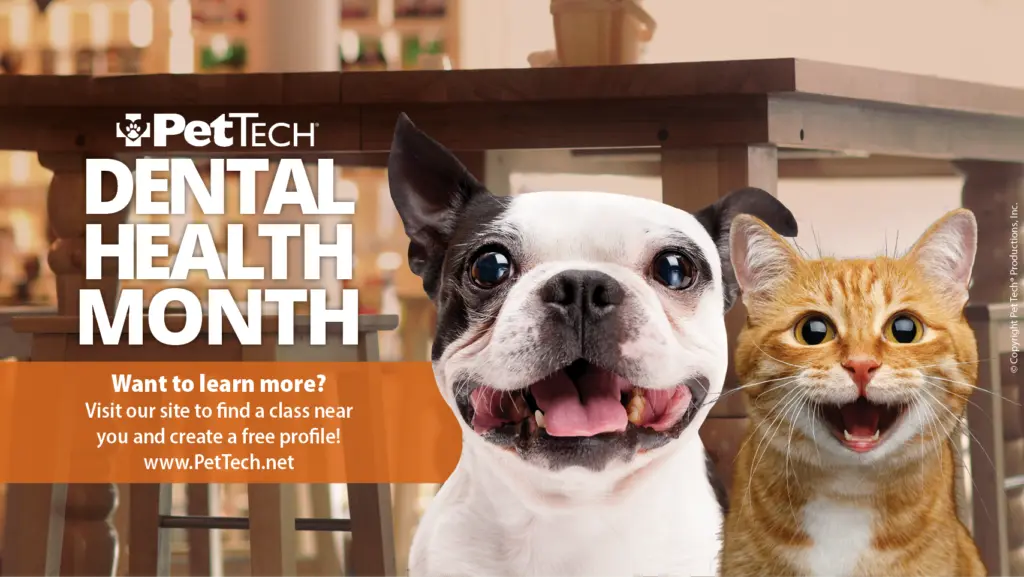
Every February, the veterinary community and animal welfare advocates band together to observe National Pet Dental Health Month. This annual observance serves as a vital wake-up call, cutting through the general public’s complacency regarding animal dental care. The statistics surrounding this issue are nothing short of startling. According to clinical data compiled by the American Veterinary Dental Society (AVDS), an overwhelming majority of pets—specifically more than 80% of dogs and 70% of cats—show clinically significant signs of periodontal disease by the time they reach just three years of age.
Far from being a localized cosmetic issue confined strictly to the oral cavity, chronic dental disease is a systemic health hazard. When plaque and tartar are left to accumulate unchecked along the gumline, they trigger severe inflammation, tissue destruction, and eventual tooth loss. More alarmingly, the microscopic gateways created by diseased gums allow harmful oral bacteria to enter the bloodstream directly. Once circulating through the body, these pathogens seed infections in vital internal organs, establishing well-documented links to severe renal, hepatic, and cardiac pathologies.
Addressing this silent epidemic requires a fundamental shift in how pet parents approach daily animal care. Moving beyond the passive assumption that animals naturally maintain clean teeth, modern veterinary science demands active intervention—a combination of home-based hygiene regimens, strategic nutritional choices, and professional veterinary cleanings. By elevating pet dental health from an afterthought to a core pillar of preventative medicine, owners can drastically enhance both the length and quality of their pets’ lives.
Detailed Chronology: The Evolution of Pet Dental Awareness
To understand why pet dental health remains a neglected frontier in modern animal husbandry, it is helpful to examine the historical trajectory of veterinary medicine and the changing role of companion animals within human society.
The Era of "Working Animals" and Rustic Diets
For centuries, dogs and cats were viewed primarily through a functional lens. Dogs were working partners—herders, hunters, guards, and farmhands—while cats were valued for pest control. During these eras, domestic animals subsisted largely on raw scraps, bones, and whatever prey they could capture. While these diets presented their own hazards (such as fractured teeth from chewing hard bones), the abrasive nature of raw elements naturally scraped away soft plaque before it could calcify into hard tartar. Dental care as a distinct branch of veterinary practice was virtually non-existent; if an animal stopped eating due to oral pain, it was often an unfortunate end of the line.
The Rise of Commercial Pet Food and Urban Living
As the twentieth century progressed, companion animals transitioned rapidly from the barnyard to the living room. This cultural shift coincided with the commercialization of pet food. The advent of convenient, highly processed, soft-canned foods and uniform kibbles transformed pet nutrition. While these products offered balanced macronutrients and shelf stability, they also introduced new challenges. Soft, moist diets clung to teeth, promoting rapid bacterial colonization, while uniformly processed kibbles often shattered instantly upon impact, offering little to no mechanical plaque-scraping action.
The Birth of Specialized Veterinary Dentistry
By the latter half of the twentieth century, veterinary medicine had advanced far beyond basic general practice. Practitioners began noticing that chronic, untreated oral infections were shortening the lifespans of aging pets. This realization catalyzed the founding of specialized organizations, such as the American Veterinary Dental Society (AVDS) and the American Veterinary Dental College (AVDC). Throughout the 1980s and 1990s, these pioneers established standardized protocols for animal dental charting, periodontal treatments, and specialized veterinary anesthesia.
The Launch of National Pet Dental Health Month
Recognizing a massive disconnect between clinical findings and public awareness, veterinary bodies established designated awareness campaigns—most notably National Pet Dental Health Month every February. This initiative mobilized veterinarians, pet product manufacturers, and animal care educators to push a unified message: Bad breath in pets is not normal; it is a symptom of disease. Over the decades, this campaign has evolved from a simple clinic poster initiative into a sophisticated, multi-channel educational movement utilizing digital toolkits, specialized dental treats, and advanced at-home maintenance technologies.
Supporting Context & Metrics: The Anatomy of Oral Disease
To fully grasp why preventative dental care is non-negotiable, one must understand the pathological progression of periodontal disease in domestic carnivores. The human and animal mouths are complex ecosystems teeming with bacteria. Without daily mechanical disruption, these microorganisms multiply rapidly, interacting with food particles and saliva to form a sticky film known as plaque.
The Plaque-to-Tartar Pipeline
Within hours of a meal, plaque begins to coat the surfaces of the teeth. If this soft biofilm is not removed through daily brushing or abrasive chewing, minerals present in the pet’s saliva interact with the plaque, causing it to calcify into calculus, commonly referred to as tartar.
Unlike plaque, which can be easily brushed away, tartar is rock-hard and firmly adheres to the enamel. Its rough, porous surface provides an ideal breeding ground for even more bacteria, accelerating the disease process. As tartar accumulates, it extends beneath the gumline (subgingival tartar), pushing the gums away from the roots of the teeth and creating deep periodontal pockets.
Systemic Complications: Beyond the Mouth
The human-animal health parallel in dentistry is remarkably direct. Chronic inflammation of the gums—gingivitis—causes the gum tissue to become fragile, bleeding easily under minimal pressure. This compromised barrier acts as an open highway for oral bacteria to enter the pet’s circulatory system during routine activities like chewing.
Once systemic dissemination occurs, these opportunistic pathogens travel throughout the body, triggering inflammatory cascades in distant organs:
- Cardiovascular Disease: Bacteria circulating from the mouth can attach to damaged heart valves, leading to endocarditis, a severe and often fatal infection of the heart lining.
- Kidney Dysfunction: The renal filtration system is highly susceptible to immune complexes and bacterial emboli generated by chronic oral infections, accelerating the onset of chronic kidney disease.
- Hepatic Strain: The liver, acting as the body’s primary filtration and detoxification organ, is constantly bombarded by toxins and bacteria originating from infected periodontal tissues, resulting in reactive hepatopathy.
Risk Factors and Contributing Variables
Not all pets are equally vulnerable to dental disease at the same rate. Veterinarians identify several core variables that influence an individual animal’s susceptibility:
- Age and Overall Systemic Health: As pets age, the cumulative effects of a lifetime of inadequate dental care compound exponentially. Geriatric dogs and cats frequently present with advanced tooth root abscesses, bone resorption in the jaw, and severe systemic compromise.
- Breed Predispositions: Brachycephalic breeds (such as Pugs, Boxers, Shih Tzus, and Persian cats) are anatomically predisposed to dental crowding. When teeth are tightly packed or rotated within a compressed jawbone, space for plaque accumulation doubles, and natural self-cleaning mechanisms fail. Toy and miniature dog breeds (such as Chihuahuas, Yorkshire Terriers, and Maltese) also exhibit disproportionately high rates of early-onset periodontal disease due to high tooth-to-jaw volume ratios.
- Dietary Composition: While dry kibble is generally superior to soft, mushy canned foods in reducing surface plaque, many standard kibbles shatter immediately upon contact with the teeth, providing minimal friction. Specialized dental diets featuring interlocking fiber matrices or larger kibble sizes designed to force prolonged chewing are significantly more effective.
- Chewing Habits and Enrichment: Physical enrichment plays a dual role in pet wellness. Providing appropriate, veterinarian-approved chew toys stimulates salivary flow—which contains natural antibacterial enzymes—while mechanically scrubbing surfaces clean. However, pet parents must exercise caution: overly hard items, such as natural bones, antlers, or nylon products that cannot yield to dental pressure, frequently cause slab fractures of the carnassial teeth, exposing the pulp cavity and demanding emergency endodontic intervention or extraction.
Official Statements and Expert Perspectives
The urgency of pet dental hygiene is echoed unanimously by leading veterinary authorities worldwide. Experts emphasize that the traditional view of pets enduring bad breath as an inevitable quirk of animal companionship must be eradicated.
"When a dog or cat greets you with overwhelmingly foul breath, they are not simply exhibiting ‘doggie’ or ‘kitty’ breath—they are shouting for help. That odor is the metabolic byproduct of millions of anaerobic bacteria thriving in an infected, inflamed oral cavity. Untreated periodontal disease is a constant source of low-grade, agonizing pain that animals instinctively mask to survive."
— Dr. Elizabeth Vance, DVM, Dipl. AVDC
Veterinary epidemiologists point out that animals possess a profound evolutionary instinct to hide vulnerability, including dental pain. Unlike humans, who will complain of a toothache or sensitivity to cold water, dogs and cats will almost always continue to eat, albeit sometimes with hesitation or by swallowing food whole without chewing.
"One of the most profound moments in a geriatric pet’s life occurs during post-dental recovery," notes Dr. Marcus Thorne, Chief Veterinary Medical Officer. "Owners bring their pets back for a two-week recheck and consistently report that their animal has undergone a miraculous personality transformation. They are more playful, less irritable, and more engaged. In reality, the pet hasn’t been ‘rejuvenated’—they’ve simply been freed from the crushing, chronic pain of severe dental disease that they had been silently enduring for years."
Professional bodies such as the American Veterinary Dental Society continue to lobby for the inclusion of oral health assessments as a mandatory component of every physical examination. A routine veterinary checkup that omits a thorough lifting of the lips to inspect the molars and subgingival spaces is incomplete by modern standards of care.
Future Outlook: The Modern Standard of Preventative Pet Care
As veterinary medicine marches further into the twenty-first century, the paradigm of animal care is shifting decisively from reactive treatment to proactive prevention. The future of pet dental health relies on a multi-pronged strategy that empowers everyday pet parents to take direct control of their animals’ oral hygiene.
The Gold Standard: At-Home Maintenance Meets Veterinary Intervention
Achieving lifelong oral health requires a partnership between the pet owner and the clinical team. This dual-action approach comprises two non-negotiable components:
- Daily Home Care: Just as humans would never dream of skipping teeth brushing for years at a time, pets require regular mechanical plaque disruption. Utilizing pet-safe enzymatic toothpastes (which feature appealing poultry or malt flavors and do not require rinsing) along with ultra-soft bristled toothbrushes or finger brushes is the single most effective at-home strategy. For pets utterly resistant to brushing, veterinary-approved dental water additives, specialized dental chews bearing the Veterinary Oral Health Council (VOHC) seal of acceptance, and targeted dental diets provide valuable auxiliary support.
- Professional Ultrasonic Cleanings: Even with meticulous home care, subgingival tartar will eventually form. Annual or bi-annual professional veterinary dental cleanings under general anesthesia are essential. These procedures utilize ultrasonic scalers to shatter calculus above and below the gumline, followed by meticulous polishing to smooth microscopic etching on the enamel, and comprehensive full-mouth dental radiography to detect hidden root abscesses and bone loss beneath the surface.
Elevating the Ultimate Pet Parent
Becoming the "Ultimate Pet Parent" requires education, vigilance, and preparedness. Beyond mastering daily brushing routines and scheduling annual veterinary cleanings, conscientious owners recognize that unexpected health crises can strike at any moment.
To truly safeguard a companion animal’s well-being, pet parents are increasingly looking beyond basic nutrition and grooming, enrolling in specialized certification courses covering Pet CPR, First Aid, and Emergency Care. These comprehensive training programs equip owners with the life-saving skills needed to handle everything from choking hazards and traumatic injuries to acute medical distress.
By refusing to ignore stinky breath, embracing preventative home hygiene, and partnering closely with veterinary professionals, pet parents can ensure their beloved animal companions lead comfortable, pain-free lives with bright, healthy smiles for years to come.