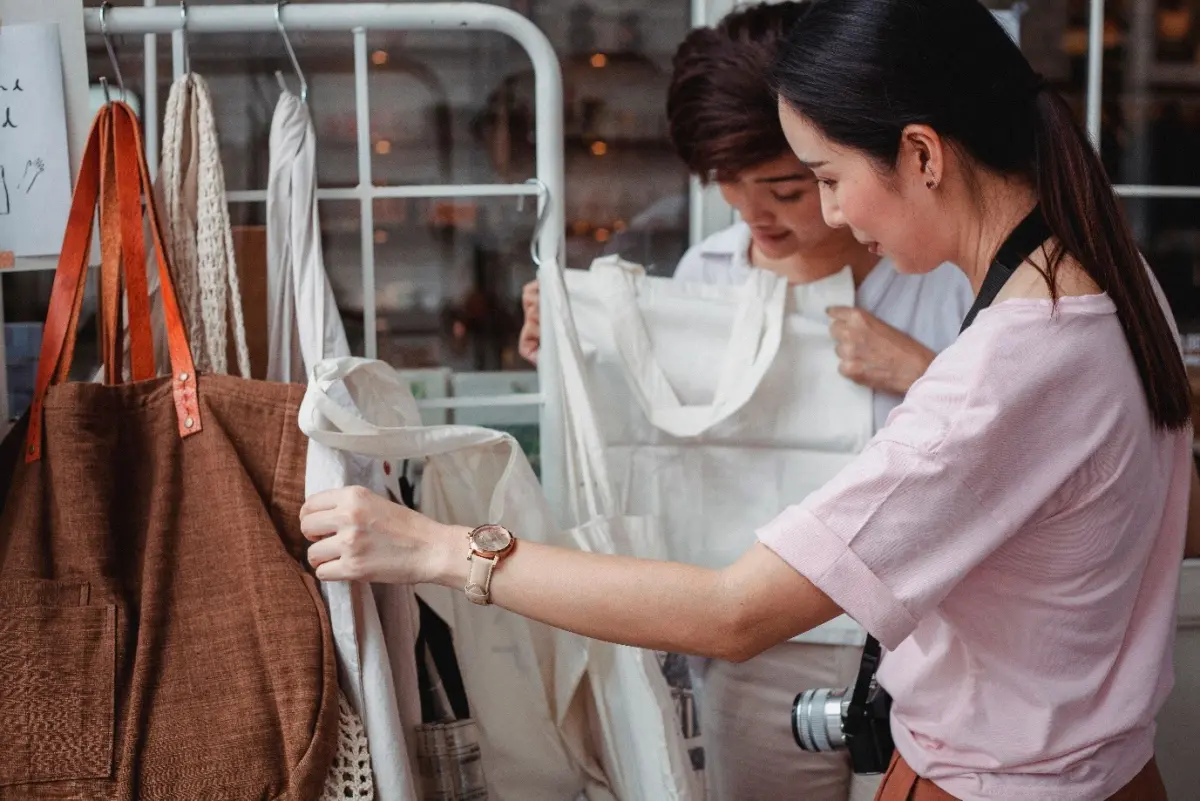

Executive Overview
In the modern retail and corporate landscape, packaging has transcended its traditional role as a mere vessel for transporting goods. Today, a custom shopping bag functions as a mobile billboard, a tactile touchpoint, and a vital extension of corporate identity. Whether deployed within a high-end fashion boutique, a bustling grocery chain, or a corporate promotional event, the choice of a shopping bag directly influences consumer perception, brand recall, and long-term customer retention.
Yet, selecting the ideal custom shopping bag is rarely as simple as stamping a corporate logo onto a standard-issue tote. Retailers and brand strategists must navigate a complex matrix of material sciences, ergonomic design, supply chain economics, and sustainability metrics. A poorly constructed bag risks frustration, leading to discarded packaging and diminished brand equity. Conversely, a thoughtfully engineered, durable, and aesthetically compelling bag is frequently repurposed by consumers for everyday errands, workouts, or travel, turning a one-time transaction into a prolonged, passive marketing campaign.
This report offers an authoritative analysis of the strategic considerations required to choose, design, and procure custom shopping bags. By examining purpose-driven design, material selection, structural integrity, ergonomic comfort, and scalable budgeting, businesses can transform packaging from an operational expense into a powerful driver of brand visibility and customer loyalty.
Detailed Chronology: The Evolution of Retail Packaging
To understand the contemporary importance of custom shopping bags, it is instructive to examine how packaging evolved from utilitarian containment into a sophisticated marketing discipline.
[Early 20th Century: Utilitarian Era]
   └── Brown paper bags & simple string handles; focus entirely on transport.
         │
         ▼
[Late 20th Century: The Branding Wave]
   └── Introduction of poly bags & printed paper; logos emerge as status symbols.
         │
         ▼
[Early 21st Century: The Reusable Movement]
   └── Rise of non-woven polypropylene and cotton totes driven by eco-consciousness.
         │
         ▼
[Modern Era: Integrated Brand Experience]
   └── Smart design, sustainable life-cycle analyses, and functional multi-use bags.
1. The Utilitarian Era (Early-to-Mid 20th Century)
For decades, shopping bags were treated as an afterthought. Grocery stores, dry cleaners, and department stores relied almost exclusively on unbleached brown paper sacks or rudimentary plastic bags. The primary metric of success was cost efficiency and basic load-bearing capacity. Branding was minimal, often restricted to a single-color stamp of the store’s name.
2. The Branding Wave (Late 20th Century)
As consumer culture expanded and retail competition intensified, major brands recognized that the shopping experience did not end at the cash register. The "walk out of the store" phase became a critical touchpoint. Luxury retailers introduced heavy-cardstock bags with twisted paper or ribbon handles, finished with gloss laminations. Carrying a distinctive, high-end bag down a high street became a subtle status symbol, effectively transforming shoppers into brand ambassadors.
3. The Reusable Revolution (Turn of the 21st Century)
Growing environmental awareness and shifting regulatory landscapes—such as single-use plastic bag bans across municipalities worldwide—forced a dramatic pivot. The industry experienced an influx of non-woven polypropylene, cotton canvas, and recycled-content paper alternatives. While initially driven by compliance and environmental stewardship, businesses quickly realized that reusable bags offered exponentially higher impressions per unit compared to single-use alternatives.
4. The Modern Integration Era (Present Day)
Today, custom shopping bags sit at the intersection of psychology, industrial design, and sustainability. Advanced printing technologies allow for photorealistic graphics, tactile finishes, and smart packaging integrations (such as QR codes linking to loyalty programs). Modern brands view packaging not as waste destined for a landfill, but as a durable lifestyle accessory that must justify its existence through superior utility and refined aesthetics.
Supporting Context & Metrics: The Anatomy of a Successful Bag
Choosing the right bag requires a methodical breakdown of six core functional and aesthetic pillars. Below is an in-depth analysis of the factors that dictate whether a custom shopping bag succeeds or fails in the wild.
1. Defining the Core Purpose and Merchandise Profile
Before evaluating colors, fonts, or material weights, a business must map the bag’s physical requirements to its inventory.
- Apparel and Boutiques: Require structured bags with gussets that accommodate folded garments, shoe boxes, or hanging items without distorting the bag’s profile. Clean lines and vertical orientations often work best.
- Grocery and Specialty Foods: Demand high tensile strength, puncture resistance, and wide bases capable of supporting heavy, irregularly shaped containers.
- Corporate Events and Trade Shows: Require versatile, lightweight, yet durable totes that can comfortably hold catalogs, promotional merchandise, electronic devices, and water bottles without fatiguing the attendee’s hand or shoulder.
Furthermore, strategists must evaluate the likelihood of consumer repurposing. If a bag is designed solely for a single trip home, lower-cost paper or light film options may suffice. However, if the goal is long-term brand exposure, the bag must be engineered to endure secondary uses—such as carrying gym gear, packing beach supplies, or hauling daily office essentials.
+------------------------+--------------------------+-------------------------------------+
| Retail Sector          | Primary Bag Requirement  | Recommended Material / Style        |
+------------------------+--------------------------+-------------------------------------+
| Luxury Fashion         | Aesthetic Elegance       | Heavy matte cardstock, cotton cords |
| Grocery & Specialty    | High Load Capacity       | Reinforced canvas, thick kraft paper|
| Corporate Events       | Versatile Utility        | Non-woven polypropylene, polyester  |
| Trade Shows            | Lightweight Mobility     | Foldable eco-poly, cotton tote      |
+------------------------+--------------------------+-------------------------------------+
2. Material Selection and Brand Alignment
The tactile sensation of a bag communicates a subconscious message about the quality of the brand inside it.
- Paper & Cardstock: Communicates a classic, organic, or upscale retail feel. Options range from standard kraft paper (ideal for eco-conscious brands) to coated art papers with matte or gloss laminations for luxury presentation.
- Woven and Non-Woven Polypropylene: Offers exceptional durability, moisture resistance, and cost-effectiveness for high-volume distribution. These synthetic fabrics can be printed edge-to-edge with vibrant, full-color designs.
- Natural Fibers (Cotton, Jute, Canvas): The gold standard for sustainability-focused lifestyle brands. These materials convey authenticity and permanence, though they carry a higher unit cost and weight footprint.
When selecting materials, brands must avoid "greenwashing"—choosing a material merely because it sounds environmentally friendly without evaluating its lifecycle. A heavy canvas bag that is discarded after one use carries a higher carbon footprint than a responsibly recycled paper bag. The material must align directly with the brand’s genuine operational ethos and the expected lifespan of the product.
3. Structural Integrity: Size, Seams, and Strength
A visually stunning bag fails instantly if a handle snaps or a bottom seam bursts under normal loads. Structural engineering is paramount.

- Dimensions: Proportions must match typical inventory items. An oversized bag looks empty and sloppy; an undersized bag crushes contents.
- Base Construction: Flat, reinforced bottom inserts prevent sagging and allow the bag to stand upright independently—a major convenience for shoppers unloading goods at home or in a vehicle.
- Handle Security: Die-cut handles work well for lightweight items, but reinforced folded-over tops, riveted grommets, or stitched webbing straps are essential for heavier merchandise. The connection point between handle and body is universally the highest stress point and requires rigorous quality control.
4. Visual Design and Brand Recognition
In crowded public spaces—such as transit hubs, shopping malls, and busy city streets—subtlety often gets lost. Effective bag design balances minimalism with high visibility.
- Logo Placement: Prominent, uncluttered placement ensures brand recognition from several paces away.
- Color Psychology: Colors should mirror existing brand guidelines while contrasting sharply enough to catch the eye.
- Typography: Clean, legible fonts outperform overly ornate scripts, ensuring the business name and contact information (or web address) can be read instantly by passersby.
Research indicates that attractive reusable packaging acts as an organic amplifier of brand reach. When customers carry a well-designed bag into offices, parks, or cafes, the brand garners thousands of passive impressions daily at zero additional media cost.
5. Ergonomic Comfort and Usability
If a bag is uncomfortable to carry, consumers will abandon it. Ergonomics play a decisive role in whether a custom bag becomes a household staple or a single-use item.
- Handle Length and Width: Narrow plastic cords bite into palms under heavy loads. Wider fabric straps, rolled paper handles, or padded shoulder straps distribute weight evenly, enhancing user comfort.
- Interior Features: Adding thoughtful touches—such as a small interior slip pocket for keys and wallets, or a magnetic snap closure—transforms a basic shopping bag into a functional daily tote.
6. Scalable Budgeting and Procurement Strategy
Procuring custom bags requires balancing minimum order quantities (MOQs) against unit economics.
- Volume Scaling: Ordering in bulk drastically reduces per-unit costs, but businesses must factor in warehouse storage constraints and the shelf-life of seasonal designs.
- Sample Testing: Procurement teams should always order physical samples before committing to large-scale production runs. Digital mock-ups cannot accurately convey fabric weight, color fidelity under natural light, print bleed, or handle tensile strength.
Official Industry Perspectives & Expert Insights
Industry leaders emphasize that packaging investment must be viewed through the lens of lifetime customer value rather than short-term cost containment.
"When a customer walks out of your establishment carrying your bag, they are stepping into a public arena. That bag is no longer just packaging; it is a walking endorsement of your brand standards. If the handle tears or the print smudges in the rain, that negative association transfers directly to your products."
— Elena Vance, Senior Retail Packaging Strategist
Furthermore, supply chain analysts note that shifting consumer expectations around corporate responsibility have permanently altered procurement strategies.
"Sustainability is no longer a niche marketing angle—it is a baseline expectation. However, true sustainability in packaging isn’t about slapping a leaf icon on a flimsy bag. It is about durability. A bag that lasts for hundreds of uses is inherently more sustainable than one designed to be thrown away, regardless of its raw material source."
— Marcus Thorne, Director of Sustainable Supply Chain Logistics
Future Outlook: The Next Generation of Custom Packaging
As retail continues to evolve through the convergence of e-commerce, physical showrooms, and circular economies, the role of the custom shopping bag is undergoing further transformation.
1. Smart Packaging Integrations
Future custom shopping bags will increasingly incorporate embedded technologies. We are already seeing the integration of Near Field Communication (NFC) chips and dynamic QR codes printed directly onto bag textiles or paper tags. By scanning the bag, consumers can instantly access digital loyalty rewards, verify the ethical supply chain origin of their purchased goods, or initiate seamless product reorders.
2. Closed-Loop Circular Systems
Forward-thinking retailers are beginning to pilot closed-loop take-back programs. Consumers are incentivized to return worn-out reusable bags to physical storefronts, where the material is shredded and recycled into new packaging stock or secondary retail textiles. This eliminates virgin material extraction and positions participating brands at the forefront of the circular economy.
3. Advanced Biodegradable Polymers
Material scientists are rapidly developing bio-based resins derived from algae, agricultural waste, and mycelium. These materials mimic the durability and moisture resistance of traditional plastics or heavy laminates while offering complete home-compostable end-of-life profiles. As production scales, these innovations will become commercially viable for mainstream retail custom packaging.
Conclusion
Choosing the right custom shopping bag is a high-impact strategic decision that bridges industrial design, marketing psychology, and operational logistics. By carefully evaluating the intended purpose of the bag, selecting materials that genuinely reflect brand values, ensuring rigorous structural durability, and prioritizing ergonomic comfort, businesses can elevate their packaging from a disposable utility to an enduring brand asset.
When form and function align harmoniously, a shopping bag ceases to be merely a container for merchandise. It becomes a tactile ambassadors of quality—extending the customer experience far beyond the retail floor and securing lasting visibility in the everyday lives of consumers.