
Published: August 11, 2026
Source: Alley Cat Action® 2026 Summer Newsletter
Executive Overview
The landscape of animal advocacy in the United States is undergoing a profound and progressive transformation. Across the nation, antiquated, punitive laws that criminalize outdoor cats and threaten community cat populations are being systematically dismantled. In their place, forward-thinking municipalities are adopting humane, science-backed policies centered on Trap-Neve-Return (TNR), legal protections for caregivers, and the elimination of cruel euthanasia methods.
Recent legislative victories in Lakewood, Ohio; Leetsdale, Pennsylvania; and Hardin, Montana, underscore a growing nationwide consensus: the welfare of community cats is best served through compassion, education, and collaboration rather than criminalization and lethal control. Spearheaded by organizations like Alley Cat Allies—in partnership with local officials, grassroots activists, and concerned citizens—these developments mark a turning point in how local governments manage feline populations.
This report examines the chronological progression of these landmark policy changes, details the collaborative efforts that brought them to fruition, analyzes the broader implications of modernizing animal control ordinances, and outlines the future outlook for community cat advocacy nationwide.
Detailed Chronology of Recent Municipal Victories
The triumphs achieved in Ohio, Pennsylvania, and Montana did not happen in a vacuum. Each community faced unique challenges, ranging from the need to formalize pilot programs to urgent threats of lethal intervention. Through strategic intervention, public mobilization, and expert consultation, advocates successfully turned the tide.
Spring 2026: Lakewood, Ohio, Formalizes Progressive TNR Protections
For months, the city of Lakewood, Ohio, operated a successful pilot TNR program, offering a glimpse into a sustainable future for local community cats. However, pilot programs, while effective in the short term, often lack the permanent legal framework required to protect caregivers and cats from shifting political tides or citizen complaints.
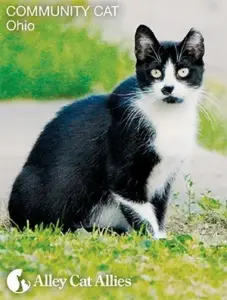
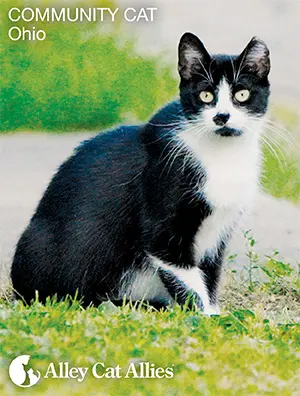
Recognizing the need to codify these successes, city leaders collaborated with Alley Cat Allies this past spring to enact a robust, comprehensive TNR ordinance. The newly passed legislation does more than simply endorse sterilization; it structurally alters how the municipality views outdoor felines and the people who look after them.

Crucially, the ordinance includes explicit legal language ensuring that community cat caregivers are not classified as the legal owners of the cats they feed and monitor. By legally defining caregivers as "good Samaritans," Lakewood has eliminated the liability burdens that so often discourage compassionate citizens from participating in TNR efforts. This vital distinction protects volunteers from being held accountable for nuisance complaints or veterinary costs associated with free-roaming animals they did not breed or domesticate.
June 2026: Leetsdale, Pennsylvania, Eliminates "At-Large" Restrictions
In Leetsdale, Pennsylvania, the impetus for change came from the highest level of municipal leadership. When the town’s mayor sought guidance on how to ethically and effectively manage local community cat populations, she reached out directly to Alley Cat Allies.
Prior to this outreach, Leetsdale’s municipal code included provisions that grouped cats under broad, restrictive "at-large" definitions. Under these legacy laws, outdoor cats were legally vulnerable to impoundment and subsequent euthanasia by animal control simply for existing in public spaces or residential yards. For community cats—who are socialized to the outdoors and unsuited for traditional adoption environments—an "at-large" designation amounted to a death sentence.
Recognizing the urgent threat, Alley Cat Allies provided municipal leaders with comprehensive data detailing why immediate legal reform was necessary. Armed with expert insights, the Leetsdale administration moved swiftly. In June 2026, the city officially amended its local ordinances, carving out a vital exemption for cats from the traditional at-large regulations. This amendment effectively decriminalized the presence of outdoor cats and ensured that local animal control resources would no longer be wasted on capturing and impounding healthy community felines.
Summer 2026: Hardin, Montana, Halts Proposed CO₂ Gas Chamber Scheme
Perhaps the most alarming battleground of the season unfolded in Hardin, Montana, where animal welfare advocates faced an immediate, life-or-death crisis. During a Hardin City Council session, officials openly discussed a proposal to construct and utilize a carbon dioxide ($textCO_2$) gas chamber to exterminate local community cats.
The contemplation of gas chambers—a method widely condemned by modern veterinary science and humane organizations for its cruelty and prolonged psychological and physical distress—sent shockwaves through the animal advocacy community. Upon obtaining a recording of the council’s discussion, Alley Cat Allies immediately intervened, issuing a formal demand for the total cessation of any plans to harm the city’s cat population.
Understanding that institutional resistance requires grassroots pressure, the organization launched an urgent mobilization campaign, calling upon Montana residents and animal lovers nationwide to raise their voices. The public response was swift and overwhelming. Faced with fierce community backlash, undeniable ethical violations, and expert legal opposition, the Hardin City Council buckled, officially removing the cruel $textCO_2$ eradication scheme from consideration.

Supporting Context & Metrics: The Science and Impact of TNR
To understand the significance of these municipal shifts, one must examine the failure of traditional catch-and-kill animal control models and the proven efficacy of Trap-Neve-Return.
The Myth of Catch-and-Kill
For decades, municipal animal control agencies relied almost exclusively on catch-and-kill or catch-and-euthanize policies to control outdoor cat populations. Scientifically known as the "Vacuum Effect," research has repeatedly demonstrated that removing cats from a specific territory merely creates a biological void. Unsterilized cats from neighboring areas migrate into the newly available territory, where abundant food sources encourage rapid reproduction. Within months, the cat population rebounds to—or exceeds—its original density.
Furthermore, traditional impoundment strains municipal budgets, overwhelms animal shelters, and results in the needless destruction of millions of healthy cats annually.
The Efficacy of TNR
Trap-Neve-Return is universally recognized by veterinary medical associations, animal behaviorists, and major welfare organizations as the only proven, humane, and effective method for managing community cat populations. Under a TNR program:
- Humane Capture: Cats are humanely trapped by trained volunteers or professionals.
- Veterinary Care: Each cat is spayed or neutered, vaccinated against rabies, and ear-tipped (a universal visual indicator of a sterilized community cat).
- Return: Upon recovery, the cats are returned to their original outdoor colony sites, where they live out their natural lives without contributing to population growth.
Key Metrics Associated with TNR Implementation:
- Population Stabilization: Studies show that established TNR programs achieve gradual, sustained population declines of 30% to 66% over a multi-year period as natural attrition occurs.
- Reduction of Nuisance Behaviors: Spaying and neutering virtually eliminates mating-related behaviors that cause friction with human neighbors, such as loud yowling, roaming, and spraying.
- Shelter Live-Release Rates: Municipalities that transition from catch-and-kill to TNR report dramatic drops in shelter intake numbers and a corresponding rise in community-wide live-release rates.
Official Statements and Expert Perspectives
The recent string of victories highlights the power of collaboration between national advocacy organizations and municipal decision-makers.
Animal welfare experts emphasize that local ordinances must evolve alongside scientific understanding. When mayors and city councils open channels of communication with specialized organizations, the resulting policy changes create win-win scenarios for municipalities and residents alike.

"When city leadership is willing to listen to the science and recognize community cat caregivers as partners rather than adversaries, true progress becomes possible," notes animal welfare strategists. "The actions taken in Lakewood, Leetsdale, and Hardin prove that education is a powerful antidote to cruelty. By removing archaic barriers and replacing them with modern, humane frameworks, these towns have set a standard for the rest of the nation."
Local caregivers and volunteers have similarly expressed immense relief. In communities where feeding and sheltering outdoor cats was once viewed through a lens of suspicion or legal liability, the codification of caregiver protections validates years of unpaid, compassionate labor.
Future Outlook: The Path Forward for Community Cat Advocacy
While the triumphs in Ohio, Pennsylvania, and Montana represent monumental steps forward, animal advocates emphasize that the work is far from finished. Thousands of municipalities across the United States still maintain outdated ordinances that penalize outdoor cats, threaten caregivers with fines, or permit inhumane euthanasia practices.
Strategic Priorities for Upcoming Legislation
- Expanding State and Local Protections: Advocacy groups are actively lobbying state legislatures to pass overarching laws that prevent municipalities from utilizing inhumane population control methods, such as gas chambers or indiscriminate lethal sweeps.
- Codifying Caregiver Rights: Future legal efforts will focus on ensuring that every municipality with outdoor cat populations adopts clear definitions distinguishing owners from caregivers, thereby protecting volunteers from unwarranted prosecution.
- Investing in Infrastructure: Securing municipal funding for low-cost spay/neuter clinics and subsidized TNR programs remains critical to ensuring that communities have the physical resources necessary to sustain long-term population management.
- Public Education Campaigns: Changing cultural perceptions regarding outdoor felines requires continuous public outreach. Educating homeowners on how to peacefully coexist with community cats—utilizing humane deterrents and understanding the ecological role of these animals—remains a cornerstone of future advocacy.
Conclusion
The events of the 2026 summer season serve as an inspiring testament to what can be achieved when communities refuse to remain silent in the face of cruelty. From the legislative halls of Lakewood to the mayoral offices of Leetsdale and the public forums of Hardin, a new standard of animal care is taking root. As more cities embrace TNR and discard inhumane alternatives, the vision of a truly compassionate nation for all cats moves steadily closer to reality.