
Executive Overview
In the bustling urban centers and quiet rural barangays of the Philippines, a resilient, highly intelligent, and deeply misunderstood canine has quietly captured the hearts of animal advocates worldwide. Known locally as the Askal—or more formally by its newer, proudly embraced moniker, the Aspin (short for Asong Pinoy, or Filipino dog)—these free-roaming canines represent a triumph of natural selection and ecological harmony.
Far from being mere "strays" in the pejorative sense, Askals are an indigenous mixed-breed population whose lineage has been shaped by centuries of survival alongside human communities. While traditional kennel clubs and purebred registries often prioritize closed gene pools and uniform aesthetics, the Askal proudly defies these conventional standards. Characterized by boundless adaptability, remarkable intellect, and an affectionate, gentle demeanor, these dogs are increasingly stepping out of the shadows of the streets and into the global spotlight.
This comprehensive report explores the origins, physical traits, behavioral psychology, health advantages, and international presence of the Askal. By examining how this remarkable landrace is transitioning from a Southeast Asian street staple to a cherished companion across the globe, we gain a deeper appreciation for the beauty of genetic diversity in the canine world.
Detailed Chronology and Cultural Evolution
To truly understand the Askal, one must trace its journey through the rich tapestry of Philippine history and social evolution.
Pre-Colonial Roots and Natural Selection
Long before Western colonization introduced European and American purebred dogs to the Philippine archipelago, indigenous communities coexisted with native landrace canines. These early dogs served as guardians, hunting companions, and communal protectors. Without human intervention dictating selective breeding practices, these canines mated naturally based on survival fitness, speed, intelligence, and disease resistance.
The Birth of the Term "Askal"
For generations, these free-roaming dogs were colloquially termed "Askal," a linguistic portmanteau derived from the Tagalog phrase asong kalye, which literally translates to "street dog." For many years, the label carried a negative connotation, often associated with poverty, neglect, or unwanted strays.

The Cultural Shift to "Aspin"
In recent decades, a massive cultural reclamation movement led by animal welfare organizations, veterinarians, and proud Filipino pet owners sought to rebrand these resilient canines. The term "Aspin" (Asong Pinoy) was coined to instill national pride and shift public perception. Today, Aspins are celebrated in national competitions, promoted by rescue organizations, and owned by prominent figures, marking a profound historical shift from societal dismissal to national treasure status.
Supporting Context & Metrics: Genetics, Health, and Appearance
The biological makeup of the Askal is perhaps its most defining characteristic. Unlike purebred dogs—which are often plagued by genetic disorders due to intensive inbreeding and closed-registry breeding—the Askal benefits immensely from open-population genetics.
The Science of Hybrid Vigor (Heterosis)
Because Askals breed naturally without human selection, their gene pool is vast and diverse. This process results in heterosis, commonly known as hybrid vigor. Consequently, Askals exhibit superior immune systems, higher pain tolerances, and a remarkable absence of hereditary ailments that typically plague purebred dogs, such as hip dysplasia, respiratory distress syndromes, and specialized cardiac defects.
| Metric / Trait | Askal (Aspin) Characteristics |
|---|---|
| Average Lifespan | 12 to 15 years |
| Size Classification | Small to Medium (typically 10 to 20 kg) |
| Coat Type | Short, double or single layer, low-maintenance |
| Color Variations | Brindle, brown, black, white, mixed patches, or bi-color |
| Genetic Predisposition | Highly resistant to common canine illnesses due to natural selection |
| Grooming Needs | Minimal (occasional brushing and bathing as needed) |
Physical Morphology
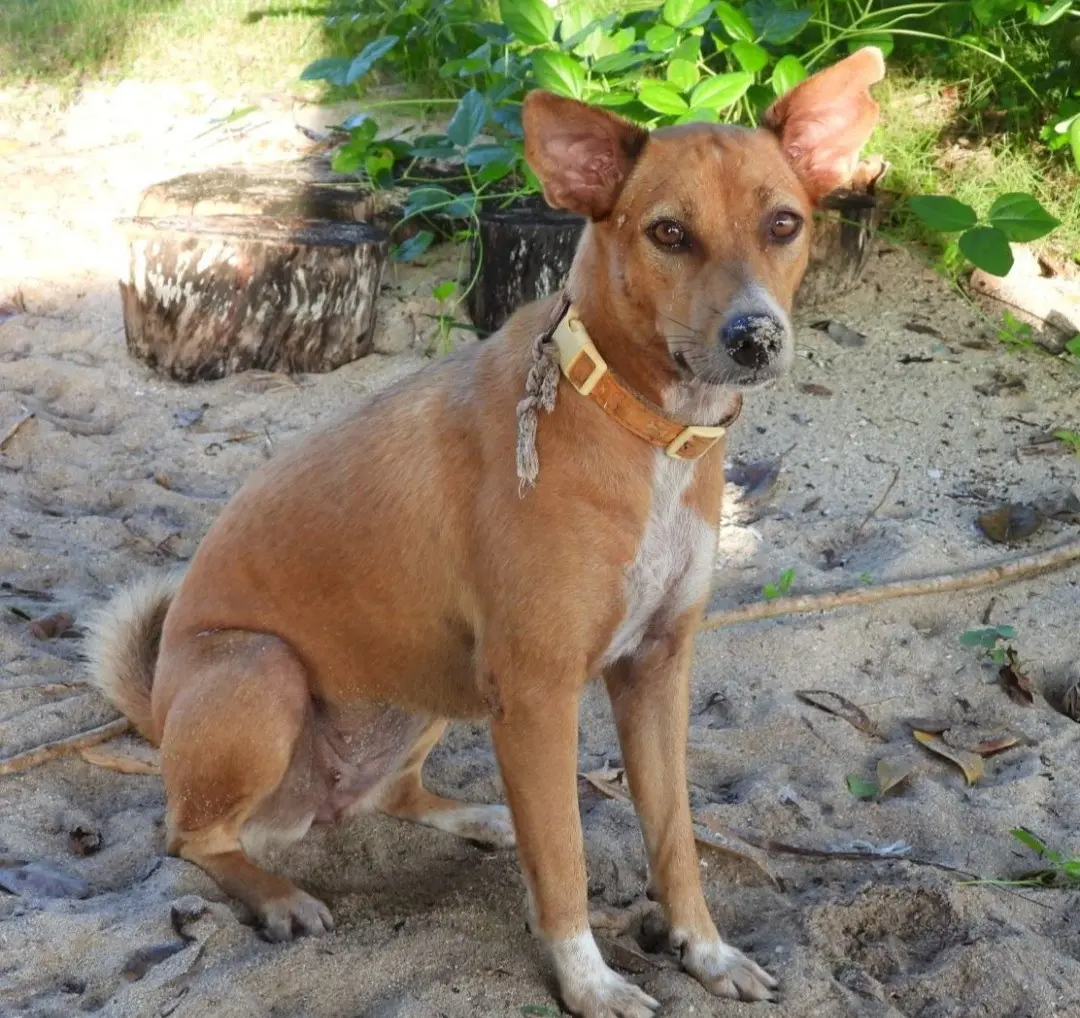
Despite individual variations stemming from their diverse ancestry, certain physical traits remain consistent across the Askal population:
- Stature: They are predominantly medium-sized, athletic, and agile, built for endurance rather than heavy labor or speed sprinting.
- Coat: Sporting short, weather-resistant coats, they are ideally adapted to the tropical climate of Southeast Asia. Their fur requires minimal grooming, shedding minimally except during seasonal shifts.
- Features: Their ears may stand fully alert or fold gracefully over. Their muzzles range from medium to long, providing strong jaw structures and excellent bite mechanics.
Behavioral Psychology and Trainability
One of the most persistent myths surrounding street-born or mixed-breed dogs is that they are untrainable or inherently aggressive. Reality, however, paints a starkly different picture.
Exceptional Intellect and Problem-Solving
Animal behaviorists and trainers who have worked with Askals frequently praise their cognitive sharpness. Studies and anecdotal evidence suggest their problem-solving capabilities rival—and often surpass—those of traditionally high-IQ breeds like German Shepherds or Siberian Huskies. Because they relied on street smarts for survival generations, Askals possess an acute awareness of their environment.

Temperament with Families and Children
Contrary to the wariness one might expect from dogs with a street heritage, the domesticated Askal is remarkably gentle, peaceful, and cheerful. They exhibit profound loyalty to their human companions and display an inherent patience with children, making them exceptional family pets.
- Independent Yet Affectionate: While they deeply crave human touch and positive reinforcement, they maintain a healthy sense of independence. They do not suffer from severe separation anxiety as intensely as some high-dependency purebreds and enjoy moments of quiet solitude.
- Guard and Warning Instincts: An Askal can be trained to recognize boundaries and communicate their basic needs effectively. Whether signaling hunger, alerting owners to the presence of unfamiliar intruders, or indicating a need for outdoor relief, their communication skills are finely tuned.
Official Guidelines: Importing and Ownership in the United States
As the Askal gains international recognition, interest from pet lovers outside the Philippines—particularly in the United States—has grown exponentially.
Legal Status and Sourcing
- Legality: It is entirely legal to own, sell, or transfer ownership of an Askal dog within the United States. There are no legal bans or restrictions against the breed.
- Sourcing Challenges: Because they are not recognized as a formal breed by major kennel clubs like the American Kennel Club (AKC), finding an Askal requires connecting with international rescue organizations or specialized diaspora adoption networks rather than traditional commercial breeders.
CDC and Travel Compliance
For individuals wishing to import an Askal from the Philippines or another international location into the United States, strict regulatory compliance is mandatory:
- Vaccination Records: Owners must produce verifiable, official documentation of up-to-date vaccinations—most notably rabies vaccination certificates.
- Health Certification: The dog must undergo a comprehensive veterinary examination and be certified as healthy prior to boarding any international flight.
- Interstate Transport: When moving across state lines within the U.S., owners must keep all international entry permits and health documentation readily accessible to comply with local animal transport laws.
Future Outlook: The Global Trajectory of the Askal
The future for the Askal (Aspin) is brighter than ever. As global attitudes toward animal adoption shift away from aesthetic-driven purebred ownership toward rescue, health, and temperament, the Askal stands out as an exemplary companion animal.
The Role of Advocacy and Rescue Groups
Non-governmental organizations and animal welfare advocates in the Philippines—such as Animal Kingdom Foundation and PAWS—have tirelessly championed the rights and dignity of street dogs. Through spay/neuter campaigns, educational outreach, and international adoption partnerships, these groups are ensuring that Askals receive the respect they deserve.
A Model for Sustainable Pet Ownership
In an era where pet owners increasingly seek low-maintenance, high-health, and intelligent companions, the Askal checks every box. By bridging the gap between wild resilience and domestic loyalty, the Aspin serves as a living testament to the beauty of natural diversity. Whether lounging on a suburban porch in Ohio or patrolling a family yard in Manila, the Askal’s journey from the margins of society to the center of our homes is a modern canine success story destined to endure for generations.