
Executive Overview
The landscape of veterinary medicine is undergoing a profound transformation. As the industry advances into late 2026, veterinary professionals are navigating a complex intersection of cutting-edge pharmacology, shifting consumer behaviors, and evolving economic pressures. While technological innovations and advanced therapeutics—such as once-daily treatments for canine allergic and atopic dermatitis and specialized nutritional care for feline stress and gastrointestinal health—are dramatically improving patient outcomes, veterinary practice owners face unique economic hurdles.
Client visit numbers remain under sustained pressure as pet owners exercise caution in response to broader economic trends. Consequently, independent clinics can no longer rely solely on legacy pricing models to drive revenue and ensure sustainability. Instead, practices must pivot toward sophisticated operational strategies, data-driven insights, and enhanced client communication.
This comprehensive report examines the key forces shaping modern veterinary practice. We will explore the latest breakthroughs in veterinary pharmacology, analyze macroeconomic forecasts presented by leading industry economists, highlight emerging practice management resources, and outline a forward-looking roadmap for veterinary professionals seeking to thrive in a competitive market.
Detailed Chronology: The Evolution of Veterinary Care and Practice Economics in 2026
The trajectory of veterinary medicine throughout 2026 has been defined by rapid clinical advancements set against a backdrop of macroeconomic adjustment. Understanding how the industry reached its current state requires a close examination of the pivotal milestones, product rollouts, and economic shifts that have characterized the year.
Q1 2026: The Post-Pandemic Correction and Clinical Innovation
As the veterinary industry entered the first quarter of 2026, practice leaders and economists alike recognized that the explosive, pandemic-era growth surge had permanently leveled off. Clinics faced a stabilization in patient volumes coupled with escalating operational costs, including rising wages for veterinary technicians and veterinarians, alongside increased overhead for medical supplies.
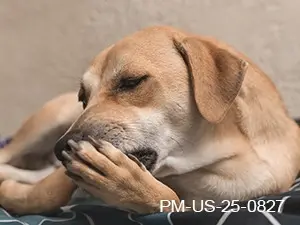
Simultaneously, pharmaceutical and nutritional developers began rolling out targeted therapies designed to address some of the most prevalent and frustrating chronic conditions seen in companion animals. Canine dermatology saw significant advancements with the introduction and widespread adoption of once-daily therapeutic regimens aimed at combating allergic and atopic dermatitis. Clinicians reported that these therapies not only simplified compliance for pet owners—who often struggled with multi-dose or complex administration schedules—but also delivered visibly faster relief from debilitating pruritus (itchiness).

Q2 2026: Addressing Feline Comorbidities and Practice Efficiency
By the second quarter, the industry shifted its focus toward the intricate connection between feline physiological health and psychological well-being. Recognizing that chronic gastrointestinal (GI) upsets in cats are frequently exacerbated by environmental stressors, nutritional scientists developed specialized diets designed to resolve GI issues while promoting a calming effect. The introduction of products like Hill’s Prescription Diet GI Biome Stress provided veterinarians with a dual-action tool capable of settling digestive tracts in as little as 24 hours while simultaneously mitigating stress-induced behaviors.
During this period, independent veterinary practices—which form the backbone of community pet care—began seeking out centralized educational resources to help navigate the changing business climate. Knowledge centers and management groups stepped up efforts to deliver fresh operational insights, helping clinic owners optimize workflow, streamline inventory management, and refine client retention strategies without compromising the quality of patient care.
Q3 2026: Macroeconomic Realities and Strategic Pivots
Entering the third quarter of 2026, the broader macroeconomic environment showed signs of gradual improvement. Inflationary pressures began to cool, and consumer confidence exhibited tentative upward trends. However, pet owners remained remarkably discerning about discretionary spending. Veterinary visits continued to face downward pressure as families prioritized essential expenditures, forcing clinics to rethink traditional pricing strategies.
Industry leaders recognized that simply raising service fees across the board was no longer a viable growth engine. Practices needed a deeper understanding of consumer psychology, market elasticity, and operational efficiency. This realization paved the way for high-level educational initiatives, webinars, and economic forecasting sessions designed to equip practice owners with the analytical frameworks needed to drive sustainable growth.
Q4 2026 and Beyond: Embracing "The New Growth Equation"
As the year draws to a close, the veterinary community is actively engaging with new paradigms for practice success. Scheduled events, such as the upcoming VMG Demo-Cast titled "The New Growth Equation: How Veterinary Practices Grow From Here," highlight the industry’s collective pivot toward data-informed leadership. Led by renowned veterinary economist Dr. Matt Salois, these initiatives aim to decode the shifting dynamics of the pet care economy and provide actionable strategies for independent practices aiming to scale effectively in the years ahead.
Supporting Context & Metrics: Clinical Breakthroughs and Economic Realities
To fully grasp the current state of veterinary medicine, one must examine both the clinical advancements transforming patient care and the economic data shaping practice viability.

Clinical Innovations in Dermatology and Gastroenterology
Chronic conditions such as atopic dermatitis and stress-induced gastrointestinal disorders account for a substantial percentage of daily small animal caseloads.
- Canine Atopic Dermatitis: Traditional management of canine allergies often involved a combination of elimination diets, avoidance strategies, and long-term immunomodulatory or anti-inflammatory drugs that could carry undesirable side effect profiles or prove difficult for owners to administer consistently. The latest generation of treatments, featuring once-daily administration, has revolutionized dermatological care. Clinical observations highlight a rapid reduction in pruritus scores, breaking the vicious itch-scratch cycle before secondary bacterial or fungal infections can take hold. Enhanced patient comfort directly translates to improved client satisfaction and stronger compliance.
- Feline GI and Stress Management: In feline medicine, the gut-brain axis plays a critical role in overall health. Stress—whether triggered by household changes, multi-pet dynamics, or environmental noise—frequently manifests as colitis, vomiting, or diarrhea. Nutritional innovations that combine targeted microbiome activation with clinically proven calming ingredients have provided veterinarians with an effective first-line intervention. Documented resolution of GI symptoms within 24 hours represents a major leap forward in acute stabilization and patient comfort.
Macroeconomic Pressures on Veterinary Visits
Despite the unyielding emotional bond between pet owners and their companion animals, economic realities heavily influence veterinary utilization rates. Key metrics and trends defining the 2026 economic landscape include:
- Visit Volumetric Pressure: While total consumer spending on pets has continued to climb—largely driven by premiumization in pet food and high-cost specialty procedures—overall routine wellness visit volumes have plateaued or experienced slight contractions.
- Pricing Elasticity: Over the past several years, many clinics utilized incremental price increases to offset rising overhead. Industry analysts note that this lever has largely reached its threshold. Consumers experiencing cumulative cost-of-living pressures are increasingly sensitive to routine care costs, making value communication and transparent pricing essential components of modern practice management.
- The Independent Practice Challenge: Independent veterinary practices face intense competition from corporate consolidators and private equity-backed hospital groups. To remain competitive, independent owners must leverage collective intelligence, peer networks, and specialized business insights to optimize labor utilization, enhance client lifetime value, and adopt efficient technologies.
Official Statements and Expert Perspectives
As the veterinary profession adapts to these multifaceted challenges, industry leaders and economists are providing vital guidance to help practices chart a course for sustainable growth.
Economic Insights from Dr. Matt Salois
In his upcoming keynote presentation for the Veterinary Management Groups (VMG) Demo-Cast, veterinary economist Dr. Matt Salois addresses the core economic realities facing practitioners. Addressing the overarching theme of the session, Dr. Salois notes:
"Veterinary medicine is entering a different phase of growth. The broader economy is improving, but consumers are still cautious; veterinary visits remain under pressure, and practices cannot rely on pricing the way they have in recent years."
Dr. Salois’s analysis underscores the necessity for practice owners to move beyond reactive pricing models. By examining consumer behavior patterns, macroeconomic indicators, and local market supply-demand dynamics, independent practices can uncover hidden opportunities for efficiency and revenue diversification.
The Role of Specialized Knowledge Centers
Organizations dedicated to veterinary business intelligence, such as the VMG Knowledge Center, emphasize the importance of continuous learning and strategic adaptation. In statements regarding practice development, management experts stress that independent clinics must actively engage with peer networks and industry data.
"Keeping your independent practice moving forward requires more than excellent clinical medicine. It demands a proactive approach to exploring the challenges, opportunities, and conversations shaping modern veterinary medicine."
By tapping into curated knowledge bases, practice leaders gain access to benchmark data, human resources guidance, marketing strategies, and operational frameworks that empower them to make confident, data-backed decisions.
Future Outlook: A Roadmap for Veterinary Practices
Looking ahead, the long-term success of veterinary practices will depend on their ability to seamlessly integrate advanced clinical therapeutics with sophisticated business management. The future of the profession points toward several key areas of focus:
1. Holistic Patient Care and Client Compliance
The integration of fast-acting, user-friendly therapeutics—such as once-daily dermatology treatments and rapid-resolution GI management diets—sets a new standard for patient care. Moving forward, practices that prioritize compliance-friendly treatment plans will see superior clinical outcomes and deeper client loyalty. Educating pet owners on the physiological links between stress, nutrition, and skin health will further position the veterinary team as trusted, authoritative partners in lifelong pet wellness.
2. Operational Resilience and Data-Driven Decision Making
As independent practices navigate economic headwinds, operational efficiency will separate thriving clinics from struggling ones. Practice owners must embrace data analytics tools to monitor key performance indicators (KPIs) such as client retention rates, average transaction values, inventory turnover, and staff productivity. Leveraging platforms that offer fresh business insights will enable clinics to identify operational bottlenecks, optimize scheduling, and allocate resources effectively.

3. Value-Driven Client Communication
With consumers exercising heightened caution regarding discretionary spending, veterinary teams must excel at articulating the distinct value of comprehensive veterinary care. Transparent communication about preventive care benefits, wellness plans, and the long-term cost savings of early intervention will help maintain visit volumes and reinforce the indispensable role of veterinary professionals in animal welfare.
4. Lifelong Professional Development
The rapid pace of advancement in both pharmacology and practice management necessitates a commitment to continuous education. Participating in live webinars, economic briefings, and industry-sponsored demo-casts ensures that veterinarians and practice managers remain at the forefront of industry innovation, fully prepared to tackle tomorrow’s challenges with confidence and strategic clarity.
Conclusion
The veterinary profession in late 2026 stands at a fascinating crossroads. Groundbreaking therapeutic developments in dermatology and gastroenterology continue to elevate the standard of medical care, offering unprecedented relief to suffering pets and simplifying compliance for their owners. Simultaneously, economic pressures and shifting consumer behaviors demand a departure from outdated business models.
By embracing the strategic insights offered by industry economists, leveraging centralized management resources, and maintaining an unwavering commitment to clinical excellence, veterinary professionals are well-equipped to write the next chapter of success. Through careful planning, operational agility, and a focus on value, independent veterinary practices will not only weather current economic currents but emerge stronger, more resilient, and better prepared for the future of animal healthcare.