
Executive Overview
In the field of animal rescue, the boundary between failure and success is often measured not in hours, but in weeks of quiet, methodical persistence. For more than two months, a frightened, highly elusive stray dog named Wally turned a bustling Walmart parking lot into his temporary sanctuary and survival ground. Surrounded by the relentless hum of highway traffic, reversing delivery trucks, and thousands of oblivious shoppers, the dog resisted every conventional attempt at capture. To the casual observer, he was a fleeting shadow darting between parked vehicles; to local animal advocates, he was a tragedy waiting to happen.
The turning point came when independent rescuer Jasmine Lawson intervened. Recognizing that traditional brute-force capture methods would only drive the traumatized animal into busier, more dangerous corridors, Lawson designed a rescue strategy rooted in behavioral conditioning and specialized trapping technology. What followed was a grueling 71-day campaign of trust-building, setbacks, and tactical pivots.
By utilizing a specialized "Missy Trap" and committing to a forty-day period of positive reinforcement, Lawson successfully secured Wally without inflicting further psychological trauma. In a heartwarming conclusion to a high-stakes rescue, Lawson transitioned from Wally’s savior to his permanent guardian, officially adopting him.
This investigative report details the chronology of Wally’s rescue, analyzes the behavioral science and mechanical apparatuses employed, and examines the broader implications of patience-based strategies in modern domestic animal rescue.
Detailed Chronology: The 71-Day Campaign
[Day 1] ------------------> [Day 18] -----------------------> [Day 19 - 69] -------------> [Day 70 - 71]
First Sighting              First Trap Attempt              40+ Days of Feedings         Successful Capture
Wally elusive;              Missy Trap door startles        Trap kept open/inactive;     5:03 AM trigger;
highly alert.               Wally; narrow escape.           trust established.           Wally adopted by Lawson.
Phase I: The Survivalist of Sector 4 (Days 1–17)
Wally’s presence in the commercial parking lot was first noted in late summer. Feral and semi-feral dogs in urban environments quickly learn to navigate human patterns to secure food while avoiding physical contact. Wally survived by scavenging discarded food near retail trash receptacles and relying on a hyper-vigilant flight response.
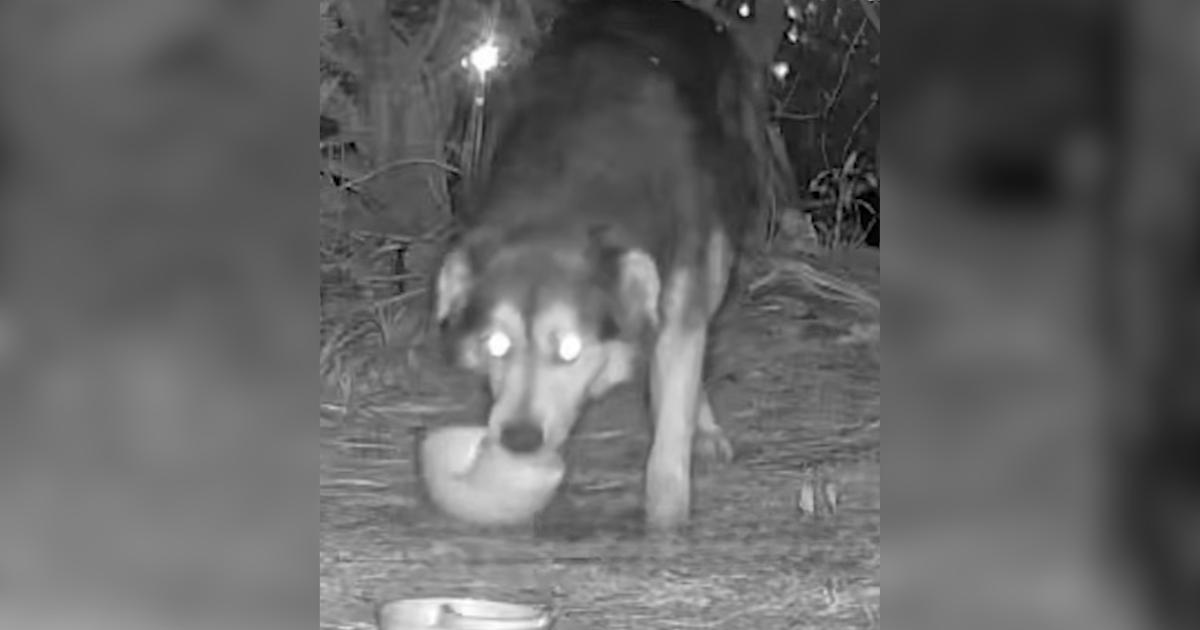
Whenever shoppers or well-meaning citizens attempted to approach him, Wally fled into nearby brush or navigated the complex matrix of parked cars. This erratic movement pattern posed a severe risk of vehicular impact. Upon assessing the situation, Jasmine Lawson realized that any attempt to corner or chase the dog would likely trigger a panic response, pushing him toward the adjacent high-speed roadways.
Phase II: The Initial Setup and Day 18 Setback
Lawson deployed a specialized capture device known in the rescue community as a "Missy Trap." Unlike standard wire crates, a Missy Trap is a large, open-air enclosure designed to minimize a dog’s claustrophobia. It features a drop-down or magnetic-latch gate that can be triggered remotely or via a tripwire.
On Day 18, after monitoring Wally’s movements and establishing a baseline feeding schedule, Lawson armed the trap. Wally, enticed by the food placed inside, stepped across the threshold. However, as the magnetic gate began to swing shut, the metallic click and sudden movement startled him. Utilizing his lightning-fast reflexes, Wally managed to retreat backward, escaping the enclosure just before the latch secured.
This near-miss was a critical setback. In canine behaviorism, an event of this nature creates "trap shyness," wherein the animal associates the physical structure of the trap with danger, making subsequent capture attempts exponentially more difficult.
          [ MISSY TRAP STRUCTURE ]
   +------------------------------------+
   |                                    |
   |   [ Bait / Food Station ]          |  <-- Wally entered here
   |                                    |
   |                                    |
   |==[ Magnetic / Drop Gate ]==========|  <-- Sound of gate closure
   +------------------------------------+      startled Wally on Day 18
Phase III: The 40-Day Trust-Building Pivot (Days 19–69)
Faced with a newly sensitized, highly suspicious animal, Lawson chose not to rush into another capture attempt. Instead, she initiated a comprehensive desensitization and counter-conditioning program that lasted for more than 40 days.
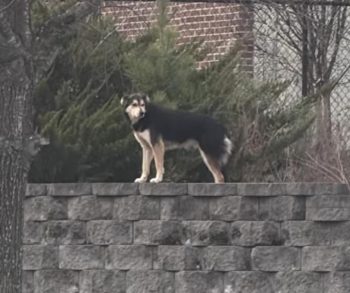
- Deactivating the Trap: Lawson locked the Missy Trap’s gate in the open position, rendering it completely harmless.
- Consistency of Food Delivery: Daily meals were placed deep inside the inactive enclosure.
- Establishing Predictability: By ensuring that Wally could enter, eat, and exit without any negative consequences, Lawson slowly overwrote his fear response with a positive association.
- Human Presence Calibration: Lawson maintained a respectful distance, allowing Wally to set the boundary of their interactions. Over weeks of daily feedings, the dog began to associate Lawson’s vehicle and scent with safety rather than threat.
This phase required immense discipline. Rescuers often face pressure from property owners, local authorities, or well-meaning bystanders to expedite captures. However, Lawson understood that rushing the process would likely result in Wally abandoning the area entirely, putting him at far greater risk.
Phase IV: The Pre-Dawn Capture (Days 70–71)
By early autumn, monitoring footage indicated that Wally’s apprehension had fully dissipated. He entered the trap confidently, showing no signs of the hesitation that characterized his behavior following the Day 18 incident.
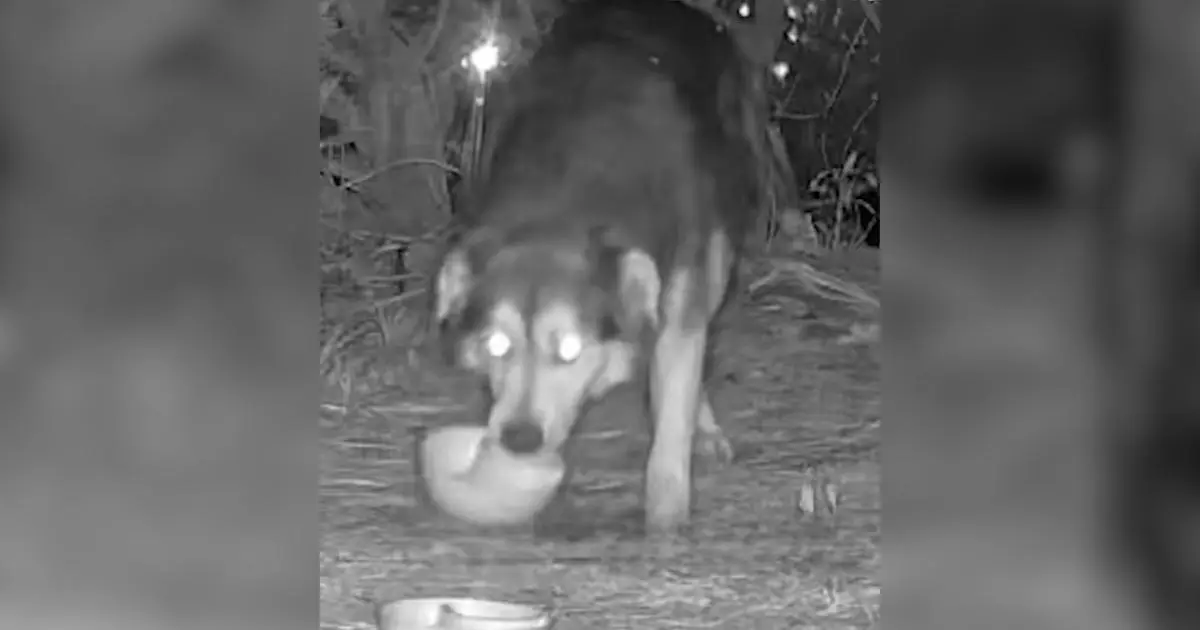
On the night of Day 70, Lawson armed the trap trigger mechanism. She positioned herself nearby, monitoring the setup via a cellular-linked trail camera that sent real-time photo and video notifications to her phone.
At 5:03 a.m. on Day 71, the cellular notification system triggered. Wally had entered the enclosure to feed, and the silent, modified gate mechanism had closed behind him. This time, there was no escape. When Lawson arrived at the scene, she found a calm, albeit confused, dog who was finally safe from the hazards of the retail landscape.
Supporting Context & Metrics
To appreciate the scale and difficulty of this rescue, it is helpful to look at the operational metrics and behavioral realities associated with long-term stray dog recovery.
Comparative Capture Methodologies
| Parameter | Conventional Cage Trap | Active Pursuit (Catch-pole/Netting) | Patience-Based Enclosure (Missy Trap) |
|---|---|---|---|
| Risk of Physical Injury | Moderate (panicked thrashing inside small cage) | High (extreme stress, risk of biting, roadway flight) | Low (spacious interior, minimal panic) |
| Risk of Trap Shyness | High | Extreme | Low (mitigated by long-term desensitization) |
| Labor Intensity | Low | High (requires multiple personnel) | Very High (daily monitoring, feeding, and travel) |
| Success Rate (Feral Dogs) | Low to Moderate | Extremely Low | Very High |
The Psychology of "Trap Shyness" and Desensitization
In veterinary behavioral medicine, a dog’s response to threat is governed by the sympathetic nervous system. When Wally escaped the trap on Day 18, his brain registered the enclosure as a high-threat zone.
To reverse this conditioning, Lawson relied on classical counter-conditioning. By presenting a highly valued resource (food) inside the low-value/threatening stimulus (the trap) over 40 consecutive days, the neural pathways associated with fear were gradually replaced by those associated with safety and reward.
According to animal welfare data, attempting to force a trap-shy dog into a secondary trap without a desensitization period fails in over 85% of documented cases, often driving the dog to migrate to a new, unmonitored territory.
Technical Analysis of the "Missy Trap"
The success of this operation relied heavily on the design of the Missy Trap. Named after a rescued dog that eluded capture for months, this specialized equipment is designed specifically for feral, traumatized, or highly intelligent canines.
       +---------------------------------------------+
       |                                             |
       |               [ STEEL PANEL ENCLOSURE ]     |
       |                                             |
       |   +---------+                               |
       |   | Cellular| <-- Sends instant photo       |
       |   | Camera  |     notifications to rescuer  |
       |   +---------+                               |
       |                                             |
       |                                             |
       |                                             |
 [OPEN GATE]                                  [BAIT STATIONS]
  (Secured                                     (High-value food
   Open)                                        placed deep inside)
       |                                             |
       +---------------------------------------------+
Key Mechanical Design Features
- Large Footprint: Unlike standard dog traps, which are narrow and force the animal to crawl under a low ceiling, a Missy Trap is constructed from modular steel panels, often measuring 4×6 feet or larger. This open design allows the dog to enter without feeling enclosed or cornered.
- High-Visibility Mesh: The open-mesh construction ensures that the dog can see through the entire structure, reducing the fear of entering a dead-end space.
- Silent Drop/Magnetic Gates: Traditional spring-loaded doors slam shut with a loud metallic crash, which can startle a dog into a last-second escape. Missy Traps utilize gravity-drop doors or electromagnetic locks that operate with minimal noise, securing the animal before it can react to the sound.
- Cellular-Enabled Remote Triggers: Modern variations of the trap bypass manual tripwires, which can be prematurely triggered by non-target animals like raccoons or opossums. Instead, they use cellular-linked cameras. The rescuer can view a live feed on their smartphone and trigger the gate remotely only when they are certain the target dog is fully inside the enclosure.
Narrative Synthesis: The Road to Recovery
The physical capture of a stray dog is only the first step in a long process of rehabilitation. For Wally, the transition from a concrete parking lot to a domestic environment required a deliberate "decompression" strategy.

Following his rescue, Lawson made the decision to transition from Wally’s rescuer to his adoptive owner. Having spent 71 days studying his behavior, routines, and fear triggers, she was uniquely qualified to guide him through the transition to domestic life.
The "Rule of Three" in Canine Decompression
Upon entering Lawson’s home, Wally was introduced to a structured decompression protocol, commonly referred to in veterinary circles as the Rule of Three:
- The First 3 Days: This period is characterized by extreme cognitive overload. Wally was provided with a quiet, low-traffic space in Lawson’s home, away from loud noises and sudden movements. During this phase, expectations were kept to a minimum to allow his cortisol (stress hormone) levels to return to baseline.
- The First 3 Weeks: As the dog realizes he is safe and his daily routine becomes predictable, his true personality begins to emerge. Wally started learning the boundaries of the household, adjusting to leash walks, and understanding that food and water were guaranteed resources.
- The First 3 Months: By this point, most dogs build a secure attachment to their handlers. They begin to feel a sense of ownership and security in their environment, allowing them to engage in play, show affection, and fully settle into their new lives.
[ 3 DAYS ]   ----------------> [ 3 WEEKS ]   ----------------> [ 3 MONTHS ]
Cortisol Decompression         Routine Establishment           Secure Attachment
- Safe, quiet space            - Learning house boundaries     - Deep bonding with owner
- Low-stimulus environment     - Consistent feeding schedule   - Play and social behavior
Reflecting on Wally’s transformation, Lawson noted that his progress was not marked by a single dramatic breakthrough, but by a series of small, quiet victories. The dog who once bolted at the sound of a car door eventually learned to rest peacefully beside the person who had spent over two months earning his trust.
Future Outlook: Implications for Modern Rescue Operations
The successful recovery of Wally highlights a shifting philosophy within the animal welfare community. Historically, stray animal control relied on reactive, high-stress capture methods that prioritized speed over behavioral health. Wally’s case study argues for a more strategic, patient approach.
Key Takeaways for Animal Welfare Organizations
- Investing in Behavioral Training: Rescuers who understand canine body language and the mechanics of fear conditioning are far more effective at capturing high-risk strays without incident.
- Public Education on Stray Interactions: Well-meaning citizens often hinder rescue operations by chasing stray dogs, which increases their flight range and risk of injury. Public awareness campaigns should emphasize reporting sightings and leaving food stations undisturbed rather than attempting active capture.
- Technology Integration: The use of cellular-linked trail cameras, remote triggers, and modular panel traps should be standardized across municipal animal control and private rescue organizations to improve safety and success rates.
Wally’s journey from a Walmart parking lot to a loving home serves as a powerful reminder of what can be accomplished when compassion is paired with patience and behavioral science. By respecting Wally’s fear and moving at his pace, Jasmine Lawson did more than just pull a dog off the streets—she showed him that the human world was a place where he could finally feel safe.