
Executive Overview
When Hurricane Lala swept across the Hawaiian archipelago, its fierce trajectory placed severe stress on the infrastructure of Maui County. Among the most vulnerable yet resilient locations in the storm’s path was the Lānaʻi Cat Sanctuary, situated just outside Lānaʻi City. Home to more than 700 free-roaming felines—affectionately known by staff, volunteers, and animal advocates worldwide as the "Lānaʻi Lions"—the sanctuary faced a monumental trial of endurance. As torrential downpours and punishing winds battered the property, the primary anxiety for caretakers was absolute: ensuring the safety of every single animal under their protection.
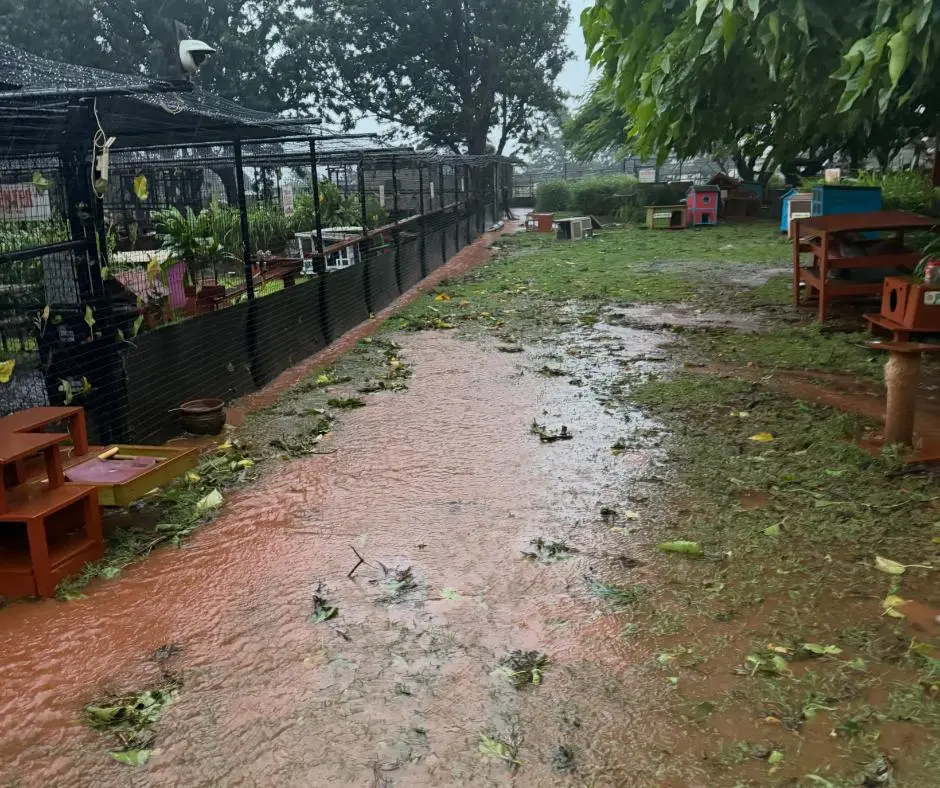
In the harrowing hours during and immediately following the storm, the sanctuary’s infrastructure was severely tested. While catastrophic loss of life was miraculously avoided—leaving all 700-plus cats safe and accounted for—the physical grounds sustained substantial, costly damage. Floodwaters surged across low-lying zones, specialized perimeter fencing faced structural stress, and heavy debris, combined with uprooted trees, rendered portions of the sanctuary impassable.
Furthermore, essential operational assets, including a newly constructed carport and a primary storage shed, were heavily compromised or completely destroyed. Most critically, approximately 30 individual cat houses—the vital micro-shelters that offer the island’s feline residents daily refuge, psychological comfort, and physical protection from the elements—were decimated and now require full replacement. Preliminary assessments estimate the total financial toll of the disaster to be between $15,000 and $20,000.
Despite these logistical hurdles, the overarching narrative of Hurricane Lala’s impact on the Lānaʻi Cat Sanctuary is not one of devastation, but of triumph through preparation. Critical protective engineering held firm when it mattered most, preventing a potential animal welfare crisis. This comprehensive report explores the chronology of the storm, the structural metrics of the facility, the operational recovery efforts currently underway, and the broader context of animal emergency management in isolated Pacific island ecosystems.
Detailed Chronology: From First Alert to Post-Storm Assessment
The Approach and Immediate Threat
The meteorological profile of Hurricane Lala indicated a high-impact weather event capable of generating destructive wind gusts and localized flash flooding across the smaller inhabited islands of Maui County. Situated between Maui and Molokaʻi, the island of Lānaʻi—home to a tight-knit community of roughly 3,000 residents, primarily concentrated in Lānaʻi City—found itself directly in the crosshairs of the approaching tempest.
Days prior to landfall, sanctuary management initiated emergency protocols. Given the expansive nature of the property, which allows hundreds of cats to roam across protected outdoor habitats, traditional indoor crating for more than 700 animals was neither feasible nor humane. Instead, the operational strategy relied heavily on the structural integrity of the facility’s specialized multi-acre habitats, double-gated entry points, and reinforced perimeter fencing designed explicitly to withstand severe coastal and tropical weather events.
The Impact Phase
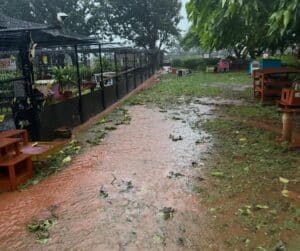
As Hurricane Lala made its closest approach, the Lānaʻi Cat Sanctuary was subjected to hours of unrelenting abuse. Powerful winds tore through the canopy of the surrounding landscape, sending heavy branches crashing down into the animal enclosures. Sustained heavy rains quickly transformed portions of the sanctuary terrain into rushing channels of mud and standing water.
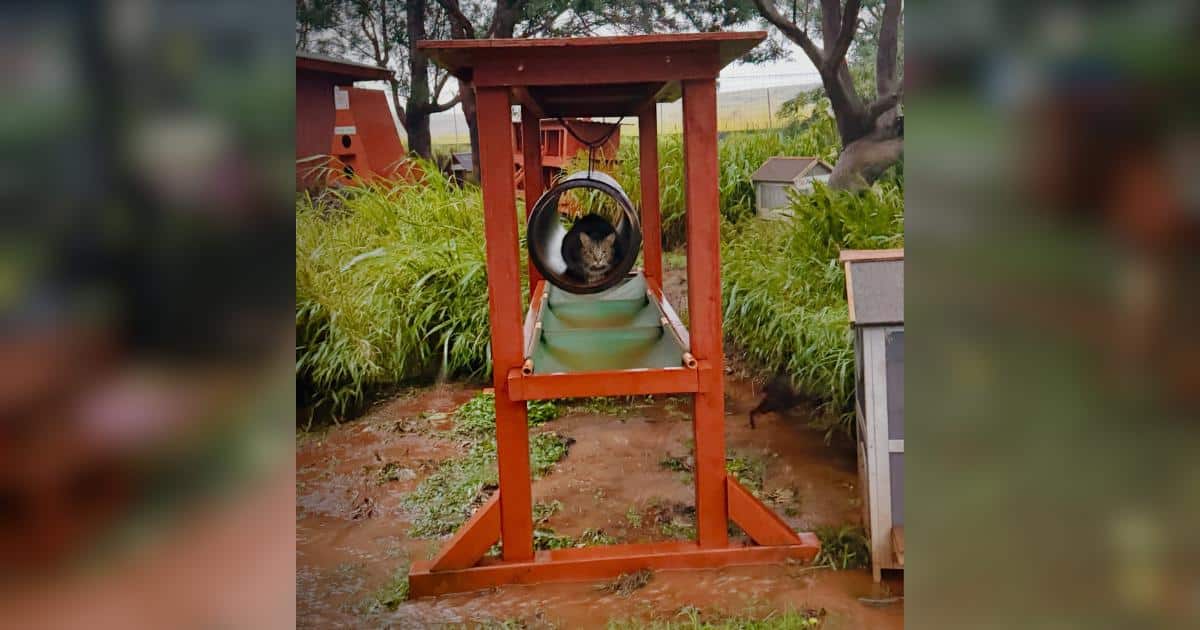
Throughout the height of the storm, on-site personnel maintained vigilance, monitoring conditions remotely where possible and sheltering in place to ensure immediate response readiness once wind speeds dropped below dangerous thresholds. The primary anxiety during these hours was the potential compromise of the perimeter fencing or the structural failure of the main communal shelters, which could have led to displaced or injured animals wandering into flood-prone or debris-laden territory.
The Immediate Aftermath and Assessment
As the eye of the storm cleared and meteorological conditions stabilized, sanctuary staff launched an immediate, systematic sweep of the property. The primary objective was twofold: account for every resident cat and assess the structural integrity of the compounds.
To the immense relief of the staff, the cats displayed characteristic resilience, utilizing natural instincts to hunker down during the worst of the squalls. As teams traversed the muddy acreage, cats began emerging from unaffected sheltered spots and temporary retreats. By the conclusion of the initial headcount, an extraordinary reality set in: zero fatalities, zero critical injuries, and all Lānaʻi Lions accounted for safely.
However, the euphoria of this animal-welfare victory was quickly sobered by the visual reality of the environmental and structural damage. Large swaths of the sanctuary were strewn with fallen timber and windblown litter. Standing floodwater had saturated resting zones, and the physical architecture of the facility bore the scars of nature’s fury.
Supporting Context & Metrics: Assessing the Physical and Financial Toll
To fully understand the magnitude of the recovery effort facing the Lānaʻi Cat Sanctuary, it is necessary to examine the specific metrics of the damage and the operational framework of the facility itself.
Geographic and Demographic Context
Lānaʻi is geographically isolated, relying heavily on maritime and air freight for the importation of construction materials, veterinary supplies, and daily operational goods. This geographic isolation presents unique logistical challenges during post-disaster recovery. Unlike mainland shelters that can draw upon regional mutual aid networks within hours via highway transit, Lānaʻi’s dependent supply chain means that every replacement board, sheet of roofing, and prefabricated cat house must navigate complex freight pathways.
Breakdown of Infrastructure Damage
The financial estimate of $15,000 to $20,000 encompasses several distinct categories of destruction:
- Cat Houses ($6,000 – $8,000 estimated replacement value): Approximately 30 individual wooden and weather-resistant structures utilized by the felines for daily rest, territorial security, and climate regulation were structurally compromised beyond repair. These houses are not merely luxury items; they are essential environmental enrichments that prevent behavioral stress among large colonies of free-roaming cats.
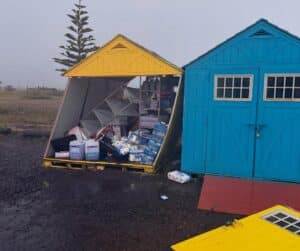
- Outbuildings and Storage ($7,000 – $9,000): A newly erected carport, designed to protect maintenance vehicles and emergency response equipment, suffered catastrophic structural failure under lateral wind loads. Adjacent storage sheds housing tools, feeding supplies, and maintenance gear also sustained heavy water and wind damage, compromising stored inventory.
- Debris Removal and Land Remediation ($2,000 – $3,000): Heavy equipment rental, labor hours dedicated to clearing blocked drainage paths, removing fallen eucalyptus and pine branches, and leveling washed-out terrain constitute a significant portion of the immediate budgetary requirement.
Engineering Successes: Why the Sanctuary Held
Despite the losses, the core defensive engineering of the Lānaʻi Cat Sanctuary proved its worth. The heavy-duty fencing—engineered with dig-guards and wind-resistant bracing—prevented any breaches that could have resulted in animals escaping into the untamed wilderness of the island. Furthermore, the strategic placement of elevated resting platforms and sturdier communal pavilions provided crucial secondary shelter when flash flooding inundated lower quadrants of the land.
Official Statements and Operational Updates
In the wake of Hurricane Lala, sanctuary leadership acted with transparency and swift communication, releasing updates to reassure the global community of supporters, donors, and animal lovers who monitor the well-being of the Lānaʻi Lions.
Management emphasized that while the physical recovery would demand significant capital and labor, the baseline mission of the sanctuary remained entirely intact. In an official briefing released shortly after the all-clear was given, a sanctuary spokesperson noted:
"While the storm left behind a path of destruction that will take weeks of hard work to fully rectify, our hearts are overwhelmingly full of gratitude. The most important metric of this storm is that every single cat and staff member made it through safely. Our infrastructure held the line when we needed it most. Buildings can be rebuilt, and debris can be cleared, but the spirit of the Lānaʻi Lions remains unbroken."
Swift Reopening to the Public
Demonstrating remarkable operational agility, sanctuary staff initiated cleanup operations within hours of the storm’s passage. Maintenance crews, local volunteers, and animal caretakers worked in synchronized shifts to clear pathways, remove hazardous hanging branches, and sanitize feeding stations.
Due to this rapid mobilization, the Lānaʻi Cat Sanctuary achieved a significant operational milestone: reopening its gates to the public and visiting tourists much sooner than initially anticipated. By welcoming visitors back while secondary repair work continues in cordoned-off zones, the sanctuary ensures that its crucial tourism revenue stream—vital for ongoing daily operations, veterinary care, and feeding programs—remains active during the recovery window.
Future Outlook: Building Back Stronger
As the Lānaʻi Cat Sanctuary transitions from immediate emergency response to long-term rehabilitation, the focus has shifted toward building back with enhanced resilience against future Pacific weather anomalies. Climate scientists project that tropical systems traversing the Central Pacific may exhibit increased unpredictability and intensity, making infrastructural hardening an absolute necessity for isolated animal sanctuaries.
Strategic Capital Allocation for Recovery
The projected $15,000 to $20,000 repair bill will be allocated strategically to ensure long-term durability:
- Upgraded Micro-Shelters: The 30 destroyed cat houses will not merely be replaced with standard timber units; leadership is evaluating weather-resistant, rot-proof composite materials designed to withstand higher wind shears and heavy moisture saturation.
- Reinforced Carport and Storage Reconstruction: Rebuilding the destroyed carport will involve anchoring systems rated to higher wind thresholds, safeguarding critical maintenance transport used daily across the expansive property.
- Enhanced Drainage Infrastructure: To mitigate future flood risks, engineering teams are reviewing surface water diversion channels, ensuring that heavy downpours can safely bypass primary animal housing zones without pooling or threatening resting structures.
Community Support and Philanthropic Engagement
The global community of animal welfare advocates has already begun rallying around the sanctuary. Social media channels dedicated to the Lānaʻi Lions have seen an outpouring of digital solidarity, accompanied by an increase in emergency relief donations earmarked specifically for the Hurricane Lala recovery fund.
For the Lānaʻi Cat Sanctuary, this crisis has reinforced the profound bond between the organization, the island community of Lānaʻi, and international supporters. As the final pieces of debris are cleared and the new cat houses are installed across the rolling hills of the property, the sanctuary stands as a testament to what meticulous planning, dedicated personnel, and compassionate stewardship can achieve in the face of natural adversity.
The Lānaʻi Lions continue to roam their protected home, largely undisturbed by the structural labor happening around them—a living, breathing reminder that even when storms strike the most remote corners of paradise, preparation and perseverance can turn potential tragedy into a story of enduring hope.