
Executive Overview
Cats have shared living spaces, mythologies, and hearths with human civilization for millennia. From the sacred bastions of ancient Egypt to the high-rise apartments of modern metropolises, Felis catus has adapted seamlessly to human society while retaining its independent predatory instincts. Today, the domestic cat remains one of the world’s most beloved companion animals. However, prospective pet owners are frequently overwhelmed by the sheer diversity of available feline varieties. With dozens of recognized purebreds displaying a vast spectrum of sizes, temperaments, energy levels, and physiological requirements, choosing the right companion requires more than a casual glance at a photograph.
This comprehensive report examines the 15 most common cat breeds in contemporary households. It provides an authoritative breakdown of their physical traits, historical origins, behavioral profiles, and specific care considerations. Furthermore, this analysis explores the critical metrics of modern pet selection—evaluating lifestyle compatibility, veterinary health predispositions, and grooming demands. By synthesizing these variables, prospective cat owners can make informed, responsible decisions that foster long-term feline welfare and human-animal harmony.

Detailed Chronology: The Evolution of Feline Domestication and Breed Development
To understand modern purebred cats, one must trace the arc of feline history from wild predator to domestic confidant.
- Circa 7500 BCE – The Near Eastern Dawn: Archaeological discoveries in Cyprus and the Fertile Crescent indicate that Felis lybica (the African wildcat) began associating with early agricultural communities, drawn by rodents feasting on stored grain. This mutually beneficial relationship marked the onset of domestication.
- Circa 2000–3000 BCE – Egyptian Reverence: Cats attained divine status in ancient Egypt, revered as protectors of the home and embodiments of the goddess Bastet. Selective tolerance shifted toward tamer, more docile behavioral traits.
- The Medieval Era to the 19th Century – Natural and Accidental Adaptation: For centuries, cats evolved through geographical isolation and natural selection rather than deliberate human curation. Breeds like the Persian and the Siamese emerged organically within distinct global trade hubs and cultural centers.
- Late 19th Century to 1960s – The Birth of Fancy Breeding: The formal cat fancy emerged during the Victorian era, highlighted by the first organized cat show at the Crystal Palace in London in 1871. Breed standards were codified by registries such as the Cat Fanciers’ Association (CFA) and The International Cat Association (TICA).
- Late 20th Century to Present – Experimental and Rescued Diversity: Recent decades have witnessed the rise of engineered mutations (e.g., folded ears in Scottish Folds, hairlessness in Sphynx cats) alongside the preservation of rugged natural breeds like the Maine Coon and American Shorthair.
Supporting Context & Metrics: The 15 Most Common Cat Breeds
Selecting the appropriate cat requires a deep dive into the specific characteristics of the world’s most prevalent breeds. Each brings a unique set of evolutionary adaptations, medical considerations, and behavioral expectations to the home.

1. Maine Coon
Hailing from the rugged climate of New England, the Maine Coon is the official state cat of Maine and one of the largest domesticated feline breeds. Recognized by the CFA as a purebred in the late 1970s, these "gentle giants" feature dense, water-resistant coats and substantial frames. Many Maine Coons exhibit polydactylism—possessing extra toes that act as natural snowshoes, historically aiding their movement and hunting success in deep snow. Typically displaying classic brown tabby patterns, they are exceptionally friendly, intelligent, and well-suited for families with children.
2. Bengal
The Bengal offers a dramatic, wild aesthetic that brings the jungle into the living room. Developed through the hybridization of domestic cats and the Asian leopard cat (Prionailurus bengalensis), Bengals retain striking, high-contrast spots, rosettes, and shimmering pelts. Despite their untamed appearance, they are fully domesticated; however, they possess high energy levels, vocal tendencies, and a strong demand for environmental enrichment. They require rigorous physical and mental stimulation, making them ideal companions for active households.

3. Siamese
Originating in Thailand (formerly known as Siam), the Siamese is a cornerstone of feline history and a foundation breed for variations like the Oriental Shorthair, Sphynx, and Himalayan. Instantly recognizable by their striking "point" markings on the face, ears, legs, and tail—coupled with piercing blue eyes—Siamese cats exist in distinct body types, ranging from traditional "apple-headed" chubbier variants to modern, ultra-slender forms. Renowned for their high intelligence, extroverted sociability, and distinct vocalizations, they thrive on continuous human interaction.
4. Persian
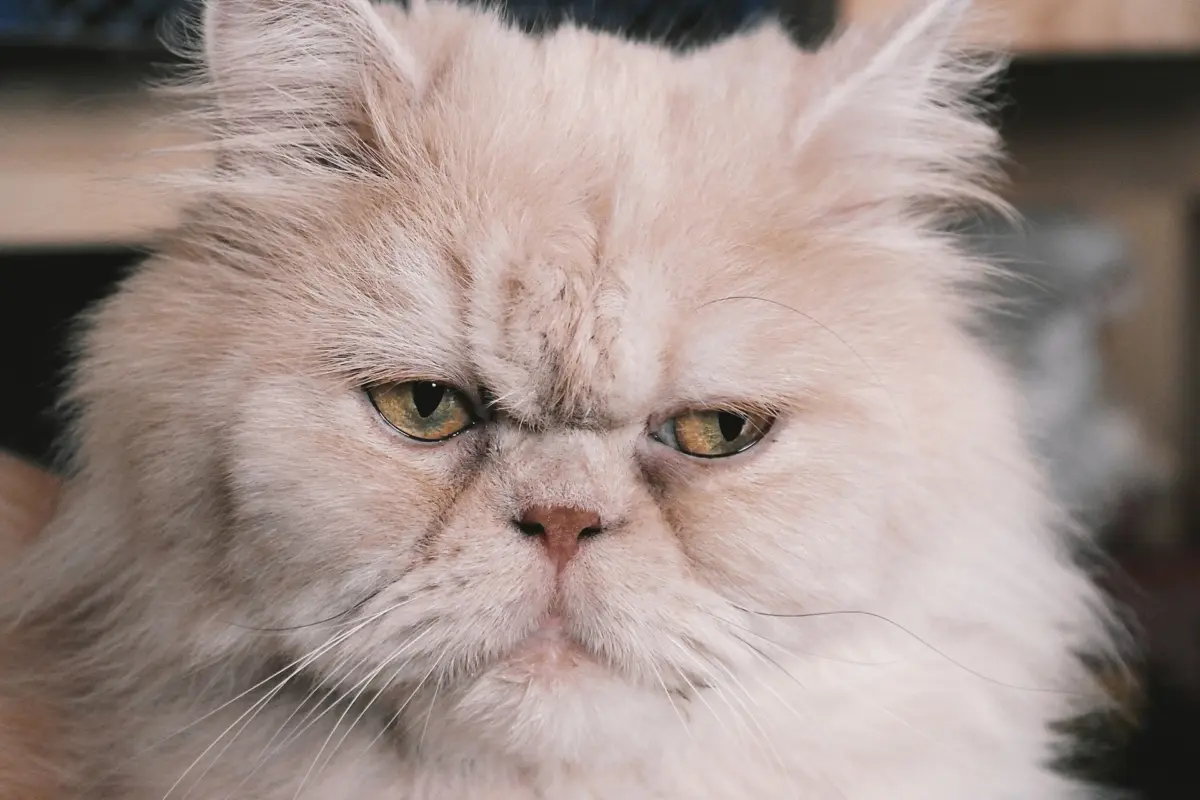
The Persian, historically linked to Iran and historical Shiraz, is universally celebrated for its luxurious, flowing longhair coat and characteristic "smushed" (brachycephalic) face. Because of their dense fur, Persians demand rigorous daily grooming to prevent painful matting and skin infections. Temperamentally, they are placid, affectionate, and quiet, preferring a calm indoor environment. Owners must remain vigilant regarding genetic health vulnerabilities, particularly renal disorders (such as Polycystic Kidney Disease) and cardiac conditions.

5. Ragdoll
Named for their unique tendency to go completely limp when lifted—much like a child’s rag doll—Ragdolls are among the most docile and affectionate cats available. Sharing visual similarities with pointed, long-haired breeds, they possess striking blue eyes and trusting, dog-like dispositions. Ragdolls thrive exclusively in social environments, forging intense bonds with their human companions and integrating smoothly into busy family dynamics.
6. British Shorthair
Originating in the United Kingdom, the British Shorthair is a robust, sturdy breed defined by a dense, plush coat often referred to as "crisp" or "plush-like." Known for moderate activity levels, they are exceptionally well-balanced pets that tolerate children and other household animals with ease. While not typically demanding lap cats, they prefer to be in the same room as their humans, adapting seamlessly to apartment living due to their quiet, unobtrusive demeanor.

7. Abyssinian
Tracing its roots to Ethiopia (formerly Abyssinia), the Abyssinian features a distinctive ticked agouti coat that creates a shimmering, wild rabbit-like appearance. Supplementing this coat are large, alert ears, a wedge-shaped head, and an athletic, muscular body. Abyssinians are intensely curious, acrobatic explorers who frequently shadow their owners, employing a playful, dog-like enthusiasm that suits active families.
8. Russian Blue
The Russian Blue is an elegant breed distinguished by a dense, plush double coat featuring a brilliant blue-gray color tipped with silver, lending the pelt a luminous sheen. Complemented by vivid emerald-green eyes, these cats possess a quiet, gentle intelligence. While deeply affectionate with their chosen human circle, Russian Blues can be reserved or aloof around strangers, making them best suited for quieter homes free from overwhelming commotion.

9. American Shorthair
With a history deeply intertwined with early American settlement, the American Shorthair descends from skilled European mousers brought across the Atlantic on the Mayflower. Formally recognized in 1966, this working-class heritage produced a robust, placid, and adaptable companion. Known for steady nerves and an easy-going temperament, American Shorthairs bond closely with all members of a household and display notable hardiness.
10. Oriental Shorthair
Sharing a direct lineage with the Siamese family, the Oriental Shorthair is celebrated for its sleek physique, large ears, and an astonishing array of color variations and patterns. Highly social and intensely emotional, Orientals suffer from separation anxiety if left isolated for long stretches. True to their Siamese ancestry, they are exceptionally vocal, using a diverse repertoire of tonal sounds to communicate their emotional states.

11. Devon Rex
Discovered in England during the 1960s, the Devon Rex is immediately identifiable by its pixie-like face, oversized low-set ears, and a delicate, short, wavy coat. Energetic, affectionate, and relentlessly sociable, Devon Rex cats act as playful jesters within the family unit. Although they can carry predispositions to specific hereditary myopathies, regular veterinary oversight ensures a vibrant, high-quality life.
12. Sphynx
The Sphynx defies conventional feline aesthetics through its hairless, wrinkled skin and prominent, bat-like ears. Though appearing naked, their skin is often covered in a fine, suede-like peach fuzz. Sphynxs are notoriously affectionate, heat-seeking companions that demand constant physical contact with their owners. Because they lack fur to absorb natural body oils, they require regular bathing routines and protection from extreme temperatures.

13. Scottish Fold
Characterized by folded ears resulting from a spontaneous cartilage mutation, the Scottish Fold possesses a charming, owl-like expression. However, this same genetic mutation is linked to osteochondrodysplasia, a painful developmental cartilage disorder affecting joints and bones. Responsible breeders combat this by outcrossing Folds with British Shorthairs. Temperamentally, they are sweet, easy-going, and adaptable, requiring minimal active exercise.
14. Burmese
Originating from Southeast Asia, the Burmese is an energetic, highly intelligent feline known for a satin-like, short coat and striking golden-yellow eyes. Their high trainability allows them to master tricks such as fetching, rolling over, and leash walking. Highly people-oriented, Burmese cats demand active engagement and struggle when forced into prolonged isolation.

15. Birman
The Birman, often called the "Sacred Cat of Burma," bridges the physical traits of Siamese and Ragdoll breeds, displaying dark point markings, striking blue eyes, and medium-long coats devoid of a heavy undercoat. Birmans possess a gentle, quiet disposition, balancing a desire for play with an appreciation for peaceful companionship among humans and other household pets.
Official Statements & Industry Perspectives
Veterinary behaviorists and animal welfare organizations emphasize that breed stereotypes should serve only as general guidelines rather than absolute predictors of behavior.

"While genetics establish a foundational blueprint for energy levels, vocalization, and structural health, individual socialization during the critical kitten development window (weeks 2 through 7) dictates adult behavioral success," notes Dr. Elena Vance, a prominent feline geneticist and consultant for international pet welfare initiatives. "Prospective owners must evaluate the animal’s holistic environmental needs rather than selecting a breed purely on aesthetic appeal."
Animal shelter coalitions further stress that prospective owners should carefully weigh purebred acquisition against the adoption of mixed-breed rescue cats, which often display superior genetic robustness due to broader gene pools.

Future Outlook: Trends in Feline Care and Breed Selection
As veterinary medicine and animal behavioral science progress, the landscape of cat ownership is evolving rapidly. Key trends shaping the future of feline selection include:
- Health-Conscious Breeding: Growing public awareness regarding brachycephalic airway obstruction syndrome in Persians and joint degeneration in Scottish Folds is driving demand toward ethical breeding practices that prioritize health over exaggerated physical traits.
- Personalized Environmental Enrichment: Modern pet owners increasingly utilize automated interactive toys, vertical territory installations (cat trees and wall walkways), and puzzle feeders to meet the complex psychological needs of high-energy breeds like Bengals and Abyssinians.
- Preventative Genomic Screening: Direct-to-consumer genetic testing is allowing owners to screen kittens and cats early for breed-specific hereditary conditions, enabling proactive, tailored veterinary care long before clinical symptoms appear.
Conclusion
Choosing the right cat breed is a multifaceted undertaking that demands careful self-reflection regarding one’s lifestyle, living space, time availability, and financial resources. Whether one seeks the active, striking energy of a Bengal, the quiet dignity of a British Shorthair, or the velvety cuddles of a Sphynx, the feline kingdom offers a companion tailored to nearly every human preference. By balancing aesthetic desires with rigorous health considerations, grooming commitments, and behavioral realities, owners can cultivate deeply rewarding, lifelong relationships with their chosen feline companions.