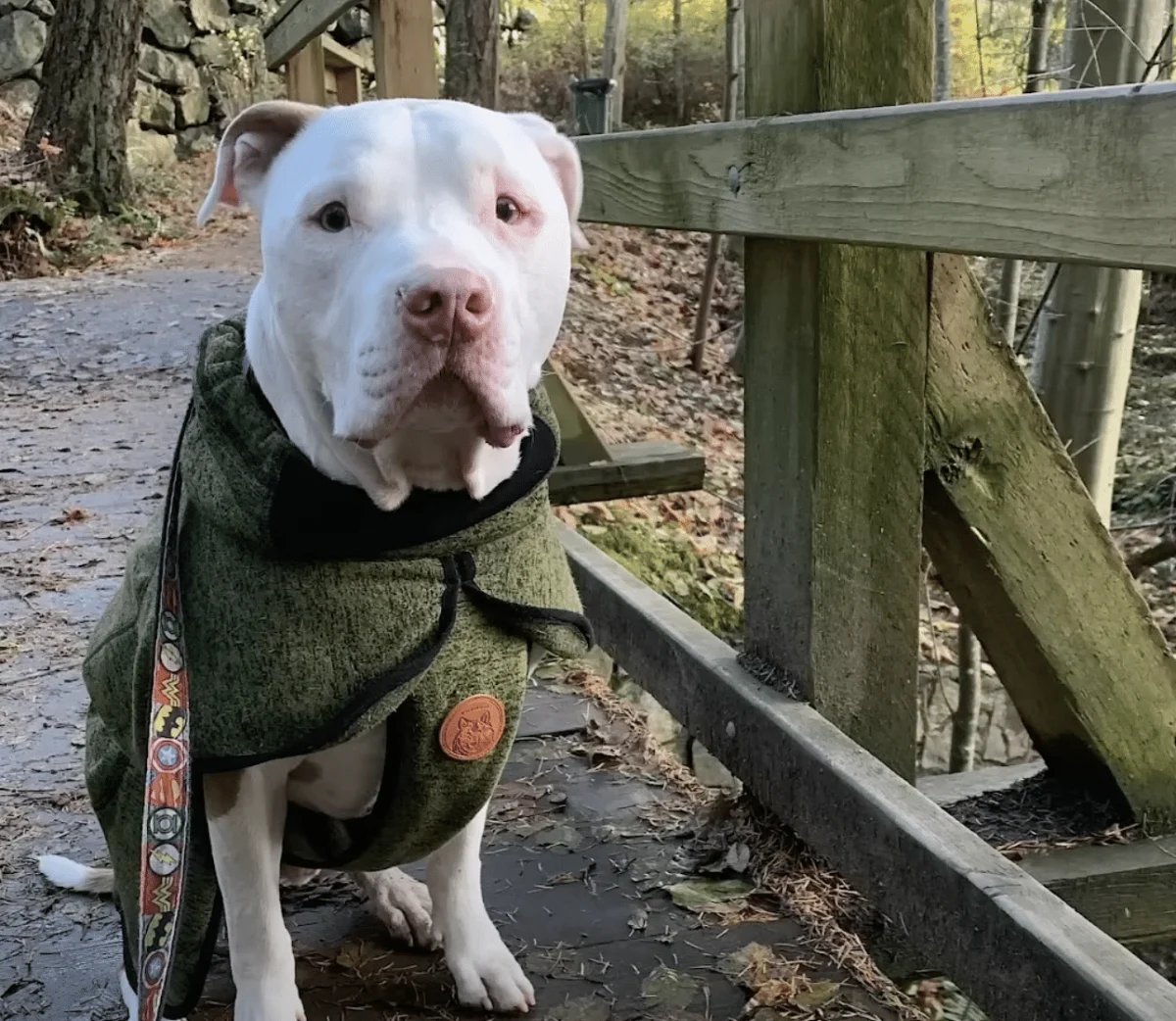
The bond between humans and companion animals often transcends material comfort, serving as a vital psychological anchor during periods of extreme instability. However, when systemic crises such as homelessness and economic displacement collide with the realities of animal welfare, pet owners are frequently forced to make agonizing choices. This investigative feature examines the journey of Hero, a canine companion who transitioned from the streets of California to a suburban sanctuary in British Columbia, Canada.
Hero’s narrative is not merely a heartwarming tale of rescue; it is a case study highlighting the complex intersections of housing insecurity, municipal shelter overcrowding in the United States, and the logistical networks of international animal relocation. When an unnamed, unhoused man in California realized he could no longer provide for his beloved dog, he made the selfless decision to surrender Hero to a local shelter. This act of profound sacrifice initiated a cross-border rescue operation, culminating in Hero’s adoption by a Canadian couple, Sarah and her husband.
While Hero’s story concludes with a fortunate resolution, it sheds light on broader systemic challenges: the psychological trauma experienced by pets of the unhoused, the necessity of long-distance rescue pipelines, and the evolving veterinary understanding of canine post-traumatic stress.
Detailed Chronology
[Life on the California Streets] ──> [Surrender at Municipal Shelter] ──> [Rescue Pipeline Intervention]
                                                                                   │
                                                                                   ▼
[Rehabilitation & Integration] <── [Adoption by Sarah & Husband] <── [Transport to British Columbia]
Phase I: Survival on the Margins
In California, an unidentified man experienced a series of severe economic setbacks that ultimately resulted in chronic unsheltered homelessness. Throughout this period of intense vulnerability, his constant companion was Hero, a dog who provided emotional stability, warmth, and unconditional support. For years, the pair navigated the daily trials of street survival, sharing scarce food and seeking temporary shelter.
As the structural barriers to escaping homelessness intensified, the owner observed that the physical toll of street life was beginning to impact Hero’s health and well-being. Recognizing that love alone could not guarantee veterinary care, consistent nutrition, or adequate protection from the elements, the owner made the decision to surrender Hero to a municipal shelter in California, prioritizing the dog’s long-term survival over his own emotional needs.
Phase II: The Municipal Shelter and the Rescue Pipeline
Upon surrender, Hero entered a California shelter system currently facing unprecedented occupancy rates. Recognizing Hero’s gentle disposition and the poignant circumstances of his surrender, local shelter staff flagged him for specialized intervention.
A prominent animal rescue organization operating a cross-border transport network stepped in. This organization specializes in mitigating overcrowding in West Coast municipal shelters by relocating adoptable animals to regions with lower stray populations and higher adoption demands—specifically the Pacific Northwest and Western Canada. Hero was selected for the next scheduled transport corridor to British Columbia (BC).
Phase III: Relocation and Adoption in British Columbia
Following a rigorous health screening and a multi-day transport journey northward, Hero arrived at a partner reception facility in British Columbia.
Transport Route:
[Overcrowded California Shelter] ──(Ground/Air Transport)──> [British Columbia Reception Facility]
Shortly after his arrival, Sarah and her husband, residents of BC who had been actively searching for a rescue dog, learned of Hero’s background. Upon meeting him, Sarah experienced an immediate connection but chose to let her husband assess the dog independently to ensure a mutual bond.
When her husband expressed an immediate desire to adopt Hero, Sarah enthusiastically agreed, finalizing the adoption process and bringing Hero to his new permanent home.
Phase IV: Integration and Behavioral Accommodation
While Hero adjusted quickly to the physical comforts of domestic life, his transition revealed distinct behavioral patterns shaped by his years living outdoors:
Outdoor Aversion: Unlike typical dogs who relish long walks, Hero exhibited significant anxiety and reluctance when exposed to prolonged outdoor excursions. His owners observed that he appeared overwhelmed by wide-open spaces, likely due to a sensory association between the outdoors and the hypervigilant state required during his years on the street.
The ‘Bath Mat’ Coping Mechanism: To manage bouts of acute anxiety or sensory overload, Hero established a self-soothing routine. He identified the bathroom—specifically the soft bath mat—as his ultimate safe zone, retreating there until his stress levels subsided.
Reciprocal Emotional Intuition: Demonstrating a highly developed sensitivity to human emotion, Hero began dragging his comfort mat to Sarah whenever he detected signs of distress or sadness in her, reflecting the protective, caregiving role he had developed with his original owner.
Supporting Context & Metrics
The Intersection of Homelessness and Pet Ownership
According to research from the National Alliance to End Homelessness and organizations such as Pets of the Homeless, an estimated 5% to 10% of the approximately 650,000 unsheloused individuals in the United States own companion animals.
Metric / Aspect
Statistical Insight / Impact
Estimated Pet Ownership among Unhoused
5% – 10% of the unsheltered population.
Primary Barrier to Shelter Access
Over 90% of traditional homeless shelters do not allow companion animals, forcing owners to choose between shelter and their pets.
Psychological Benefits
Pets reduce rates of depression, provide a sense of responsibility, and decrease loneliness among marginalized populations.
Primary Reason for Surrender
Lack of access to veterinary care, pet food, and pet-friendly affordable housing.
For many unhoused individuals, their pet is their primary source of non-judgmental companionship. The decision to surrender an animal under these circumstances is rarely due to a lack of affection; rather, it is driven by systemic failures, such as the lack of pet-friendly temporary housing and the prohibitive cost of veterinary services.
The West Coast-to-Canada Animal Transport Corridor
The logistics of relocating dogs from California to British Columbia are complex, involving strict veterinary compliance and inter-agency coordination.
This pipeline is necessitated by a stark demographic imbalance in shelter populations:
California: Characterized by high intake rates, moderate spay/neuter compliance in certain rural areas, and high euthanasia rates for space in municipal facilities.
British Columbia: Characterized by high public demand for rescue dogs, strict municipal spay/neuter policies, and a deficit of adoptable local animals, making import programs essential for satisfying regional adoption demands.
Official Statements and Expert Perspectives
Canine behaviorists and animal welfare advocates emphasize that Hero’s transition highlights both the resilience of dogs and the deep emotional intelligence they possess.
Dr. Elena Vance, a veterinary behaviorist specializing in shelter animal rehabilitation, commented on Hero’s aversion to the outdoors:
"It is a common misconception that all dogs prefer the outdoors. For a dog that spent years on the streets, the outdoors represents a state of constant vigilance, unpredictable stimuli, and survival stress. A quiet, enclosed indoor environment, such as a bathroom, provides the sensory deprivation and safety boundaries these animals need to decompress. Hero’s choice of a bath mat as a safe space is a classic manifestation of self-regulation."
Representatives from the British Columbia rescue organization involved in Hero’s transport emphasized the ethical dimensions of the case:
"We want to honor the incredible selflessness of Hero’s original owner. Surrendering a beloved family member because you want them to have a better life is one of the most painful, loving acts a human can perform. Our goal in operating these transport pipelines is to ensure that such profound sacrifices are honored by finding homes where these dogs can truly thrive, while continuing to advocate for resources that help unhoused people keep their pets whenever possible."
Future Outlook: Structural Reform and Compassionate Care
Hero’s transition to a comfortable life in British Columbia represents a successful outcome for an individual animal, yet animal welfare advocates argue that relying on rescue pipelines is a reactive measure rather than a systemic solution.
To address the root causes of forced pet surrenders among vulnerable populations, several initiatives are gaining traction across North America:
Co-Sheltering Models: An increasing number of emergency housing facilities are transitioning to pet-friendly models, allowing unhoused individuals to access shelter alongside their companion animals without being forced to choose between personal safety and their pet.
Mobile Veterinary Services: Organizations are expanding mobile veterinary clinics and pet food banks targeted at low-income and unsheltered communities, reducing the financial pressures that lead to surrender.
Temporary Foster Networks: Implementing crisis-foster programs allows pet owners experiencing temporary housing transitions or medical emergencies to place their animals in temporary care, with the ultimate goal of reunification once stable housing is secured.
By addressing these systemic gaps, the animal welfare community hopes to reduce the necessity of heartbreaking surrenders, ensuring that future owners do not have to give up their companion animals to guarantee their survival. For Hero, his journey stands as a lasting testament to the enduring bond between humans and dogs, and the profound sacrifices made in the name of love.