
Executive Overview
The modern pet landscape is experiencing a subtle yet profound shift. No longer are domestic cats viewed solely as independent, low-maintenance homebodies content to spend eighteen hours a day sleeping on a sunny patch of carpet. For a growing demographic of outdoor enthusiasts, hikers, and active urbanites, the feline companion of choice must match a high-octane lifestyle.
Enter the world of high-performance feline breeds: animals whose genetics—often rooted in working lines or wild-hybrid ancestry—demand anywhere from 30 to over 60 minutes of active play, climbing, or exercise daily.
Choosing an athletic cat breed is far more than an aesthetic preference for spots, stripes, or wild expressions; it is a lifestyle commitment. When an animal possesses the speed of the Egyptian Mau—clocked at staggering velocities of up to 30 mph—or the vertical jumping prowess of the Abyssinian and Somali, their physical needs must be proactively managed. Left unchaperoned, this surplus energy rapidly morphs into destructive behavioral habits.

Furthermore, a subset of these high-energy athletes possesses the psychological fortitude and physical hardiness required for backpacking and trail exploration. These cats are leash-trainable, deeply bonded to their human companions, and physically resilient enough to navigate unfamiliar terrain.
However, prospective owners must carefully weigh variables such as adult weight (crucial if you are the one carrying a cat in a sling or backpack), coat density, thermal tolerance, and local legal restrictions regarding wild-hybrid species. This comprehensive report investigates the top athletic and backpacking cat breeds, evaluating their physiological traits, environmental requirements, and how to successfully integrate an active feline into an adventurous lifestyle.
Detailed Chronology & Behavioral Evolution: From Working Lines to Trail Companions
To truly understand why certain domestic cat breeds excel at high-intensity athletics and outdoor traversal, one must examine their evolutionary and breeding history. Unlike typical lap cats bred purely for docile companionship, the elite athletes of the feline world owe their traits to selective breeding for specific environmental demands or deliberate hybridization with wild species.
The Foundation of Working and Wild-Hybrid Lines
Historically, many domestic breeds were shaped by their roles as working mousers, hunters, and farm guardians. These roles necessitated sharp reflexes, high endurance, and acute environmental awareness. Over the past century, selective breeding has refined these traits, while specialized programs have introduced wild genetic material to create distinct hybrid breeds.
- The Wild-Hybrid Era: In the latter half of the 20th century, breeders began crossing domestic cats with small wild felids—such as the Asian leopard cat (Prionailurus bengalensis) to create the Bengal, the African serval (Leptailurus serval) to create the Savannah, and the jungle cat (Felis chaus) to create the Chausie. This infusion of wild DNA introduced remarkable athleticism, hyper-focus, and a profound drive for vertical space and movement.
- The Transition to Leash and Trail: As human lifestyles shifted toward outdoor recreation, progressive owners began testing the limits of feline trainability. It was discovered that breeds with intense human-bonding traits—such as the Siamese, Abyssinian, and Japanese Bobtail—could be conditioned to accept harnesses and leashes. This opened the door for "adventure cats," transforming what was once strictly an indoor species into a viable backcountry companion.
Conditioning and the Human-Animal Bond
Vets and feline behaviorists emphasize that high-energy cats cannot simply be tossed into a harness and taken on a multi-hour hike. The process requires a deliberate, chronological approach to conditioning:

- Indoor Habituation (Weeks 1–2): Introducing the harness indoors for short, positive intervals paired with high-value treats.
- Controlled Outdoor Exposure (Weeks 3–4): Stepping out onto quiet porches, backyards, or low-traffic paths to gauge the cat’s stress response. A strong human-animal bond is critical here; cats deeply attached to their owners are significantly less reactive to environmental stressors in unfamiliar surroundings.
- Trail Integration (Month 2 and Beyond): Progressing to longer walks, park trails, or backcountry camping, always ensuring the cat’s physical limits and thermal tolerances are respected.
Supporting Context & Metrics: The Elite Athletic Breeds
Not all active cats are created equal. To help potential owners and outdoor adventurers navigate the spectrum of high-performance felines, we have categorized the premier athletic and backpacking breeds based on their physical metrics, energy profiles, and environmental adaptations.

The Top Athletic & Backpacking Contenders
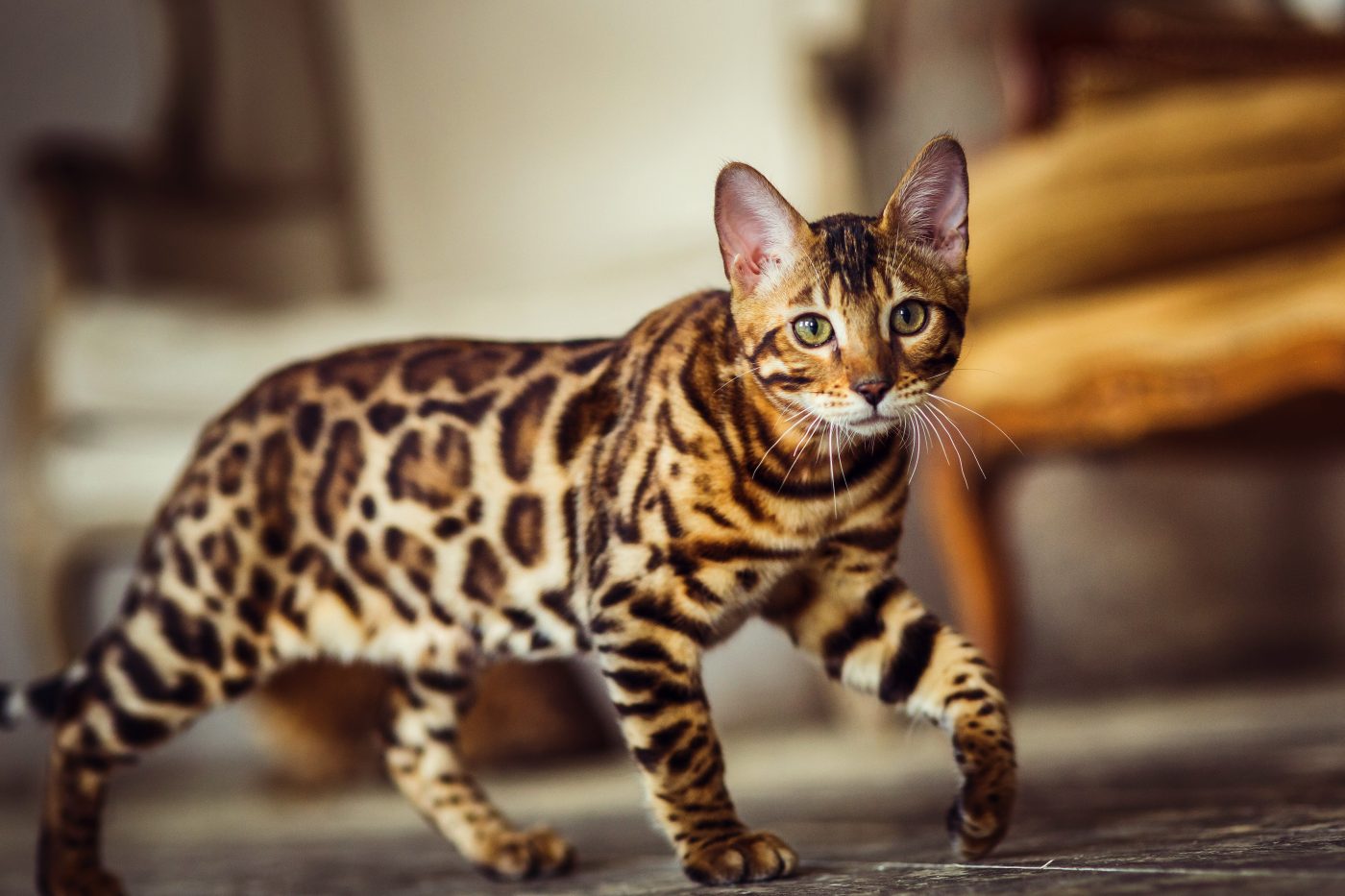
1. Bengal
- Energy Level / Exercise Needs: Extremely high; 60+ minutes daily.
- Key Athletic Trait: Non-stop vertical exploration and agile leaping, driven by Asian leopard cat ancestry.
- Adult Weight: 8 to 15 lbs.
- Backpacking Suitability: Excellent. Highly intelligent, quick to learn harness work, and light enough to carry in a sling when terrain turns treacherous. Short coat suited for warm-to-temperate climates.
2. Abyssinian
- Energy Level / Exercise Needs: Very high; 30–60 minutes daily.
- Key Athletic Trait: Exceptional vertical climbing and sleight-of-foot agility ("the athletes of the cat world").
- Adult Weight: 6 to 10 lbs.
- Backpacking Suitability: Exceptional. Their light frame makes them one of the easiest breeds to transport over steep, difficult terrain.
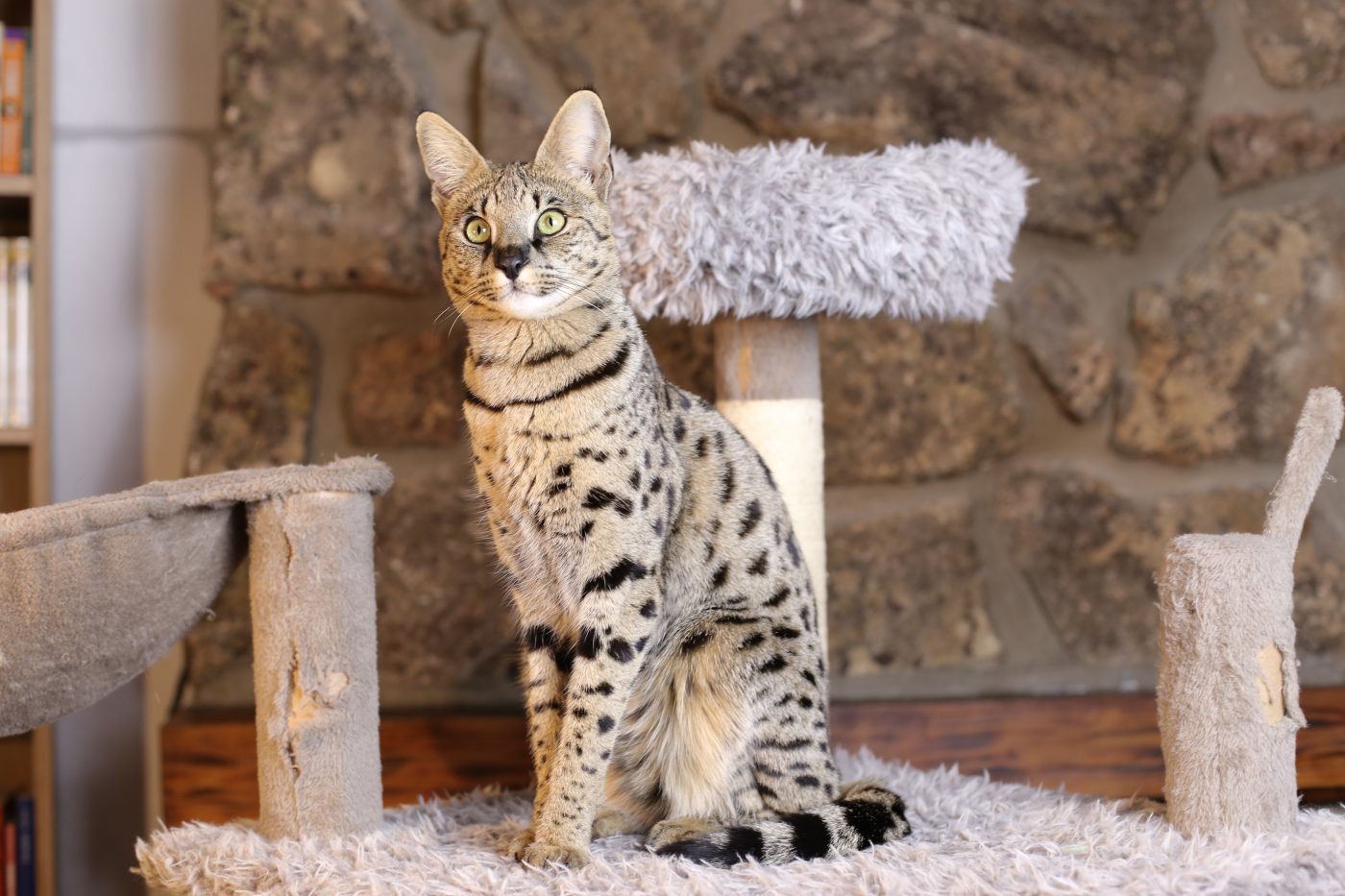
3. Savannah
- Energy Level / Exercise Needs: Maximum; 60+ minutes daily.
- Key Athletic Trait: Explosive jumping power and a deep affinity for water, inherited from the African serval.
- Adult Weight: 12 to 25 lbs (depending on filial generation).
- Backpacking Suitability: Moderate to High. Highly responsive to leash walks, but their larger size requires careful consideration of pack weight. Note: Legal restrictions apply in various jurisdictions.
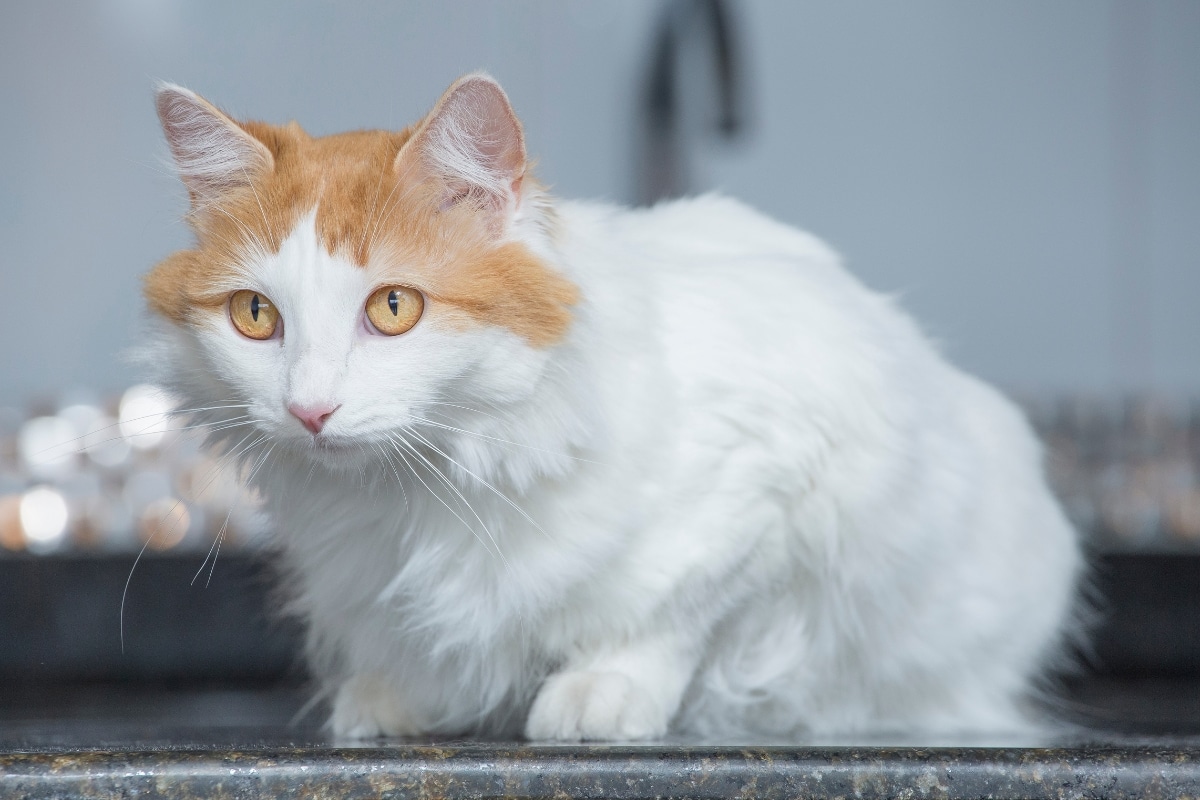
4. Turkish Van
- Energy Level / Exercise Needs: High; 45–60 minutes daily.
- Key Athletic Trait: Fearless swimming and high-altitude climbing ("the swimming cat").
- Adult Weight: Males up to 20 lbs; females 7 to 12 lbs.
- Backpacking Suitability: High. Features a naturally water-resistant semi-long coat and a confident demeanor that handles creek crossings and wet weather with ease.
5. Siberian & Norwegian Forest Cat
- Energy Level / Exercise Needs: High; 30–45 minutes daily.
- Key Athletic Trait: Heavy-duty muscular build and cold-weather mastery.
- Adult Weight: 8 to 18+ lbs.
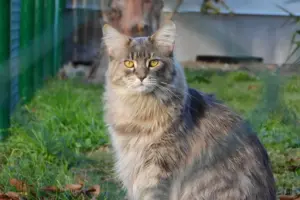
- Backpacking Suitability: Exceptional for cold climates. Equipped with thick, water-resistant triple/double coats designed to withstand harsh northern environments, making them ideal companions for winter hikes.
6. Egyptian Mau
- Energy Level / Exercise Needs: High; 45–60 minutes daily.
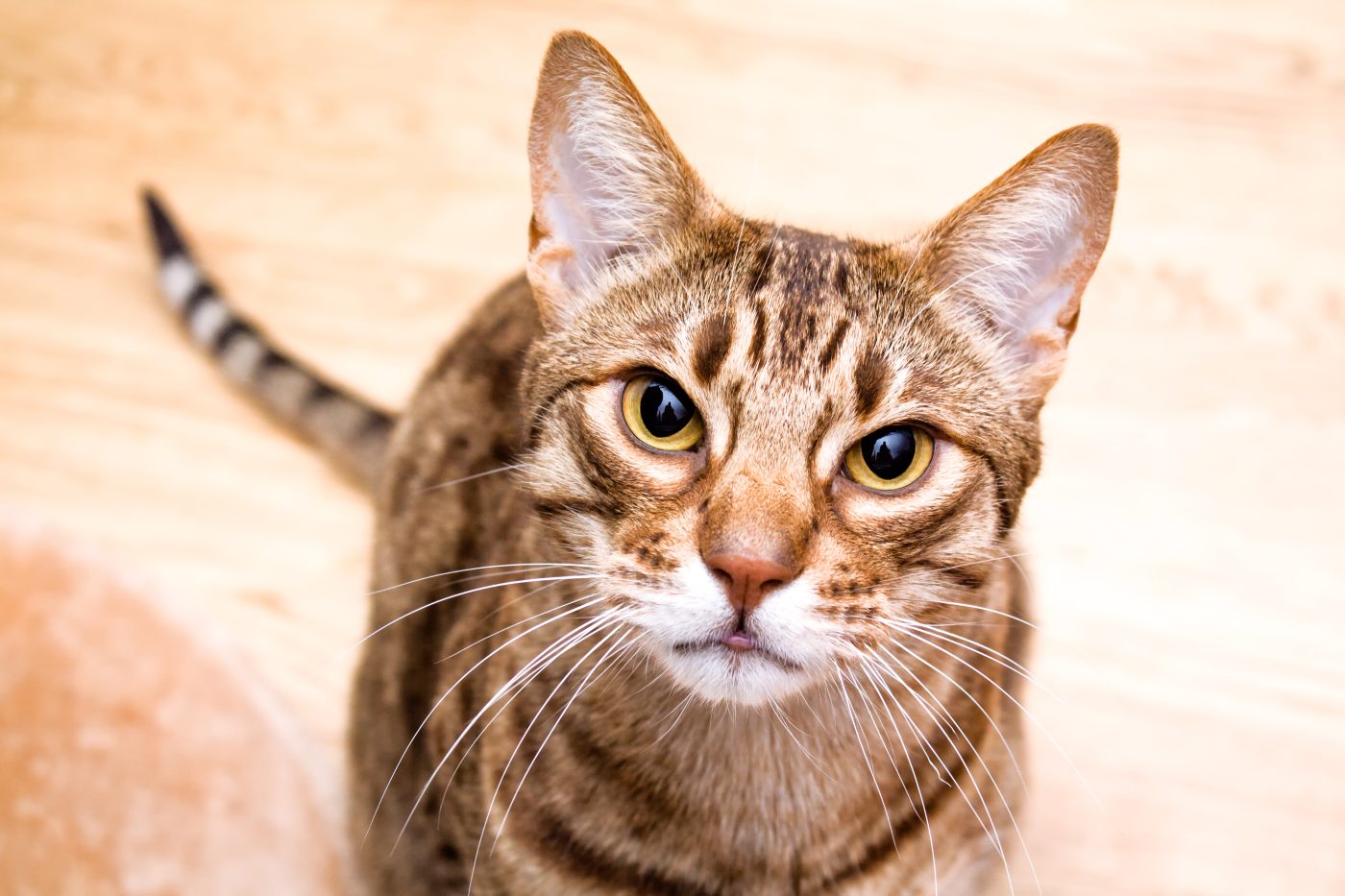
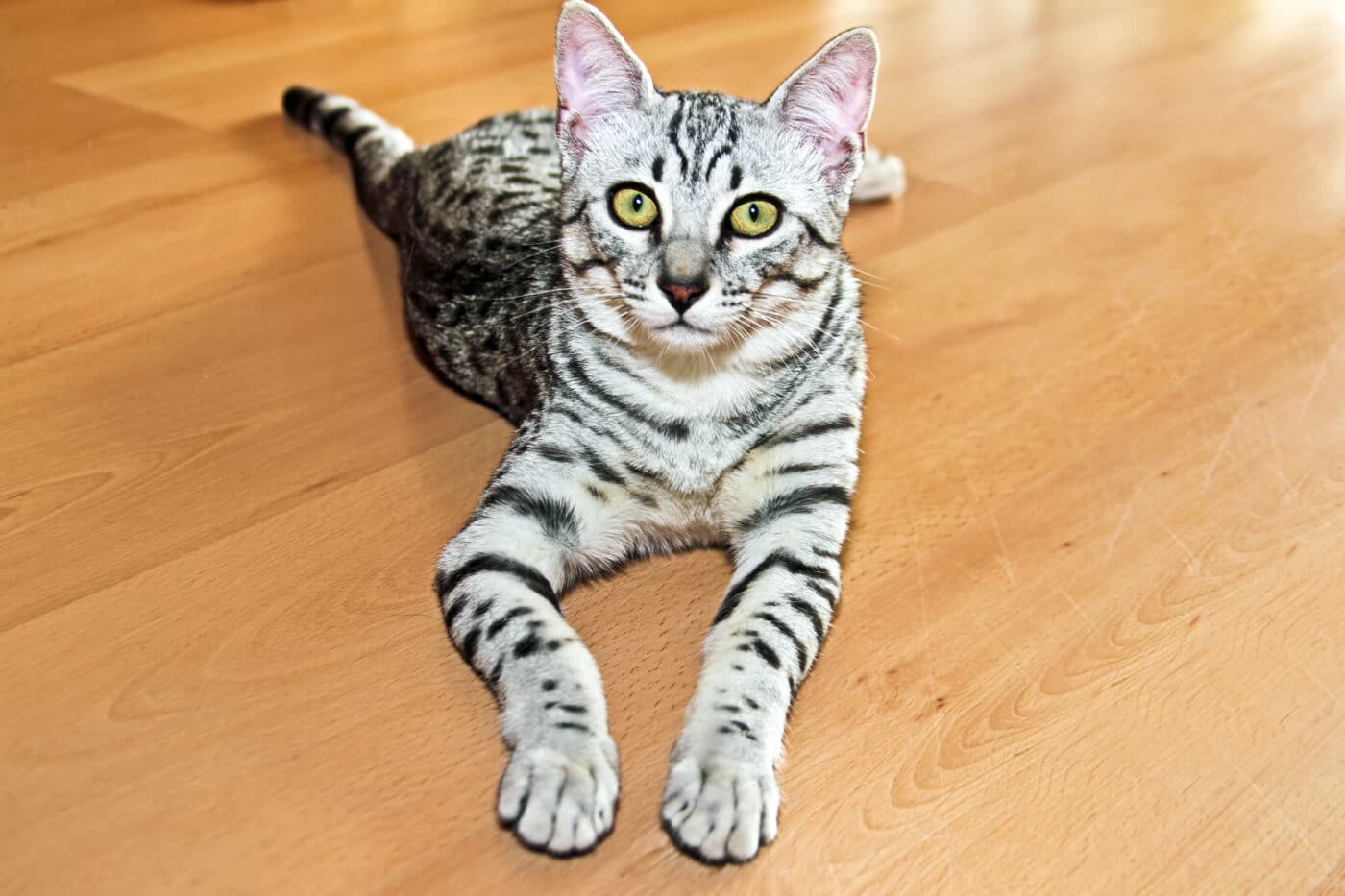
- Key Athletic Trait: Blistering speed—the fastest domestic cat breed, clocked at up to 30 mph.
- Adult Weight: 6 to 14 lbs.
- Backpacking Suitability: Good for warm-weather day hikes. Their short coat and incredible acceleration match fast-paced human trail companions.
Official Guidelines & Expert Insights
When integrating an athletic cat into an active household or planning outdoor excursions, veterinary organizations and breed registries emphasize several non-negotiable guidelines.
Veterinary Recommendations on Environmental Needs and Training
According to guidelines from organizations such as the American Association of Feline Practitioners (AAFP) and academic veterinary medical centers:
- Progressive Conditioning: Veterinary behaviorists at institutions like the Cornell Feline Health Center strongly recommend gradual harness and leash conditioning. Forcing an unaccoused cat into an outdoor environment can trigger severe panic responses, leading to flight and potential loss or injury.
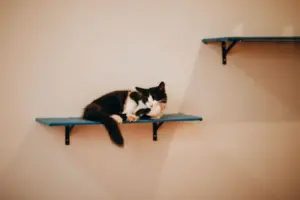
- Environmental Enrichment: High-energy breeds like Bengals, Abyssinians, and Savannahs require robust environmental enrichment. Indoor setups must include vertical territory (cat trees, wall shelves), interactive puzzle toys, and high-frequency play sessions to prevent destructive boredom.
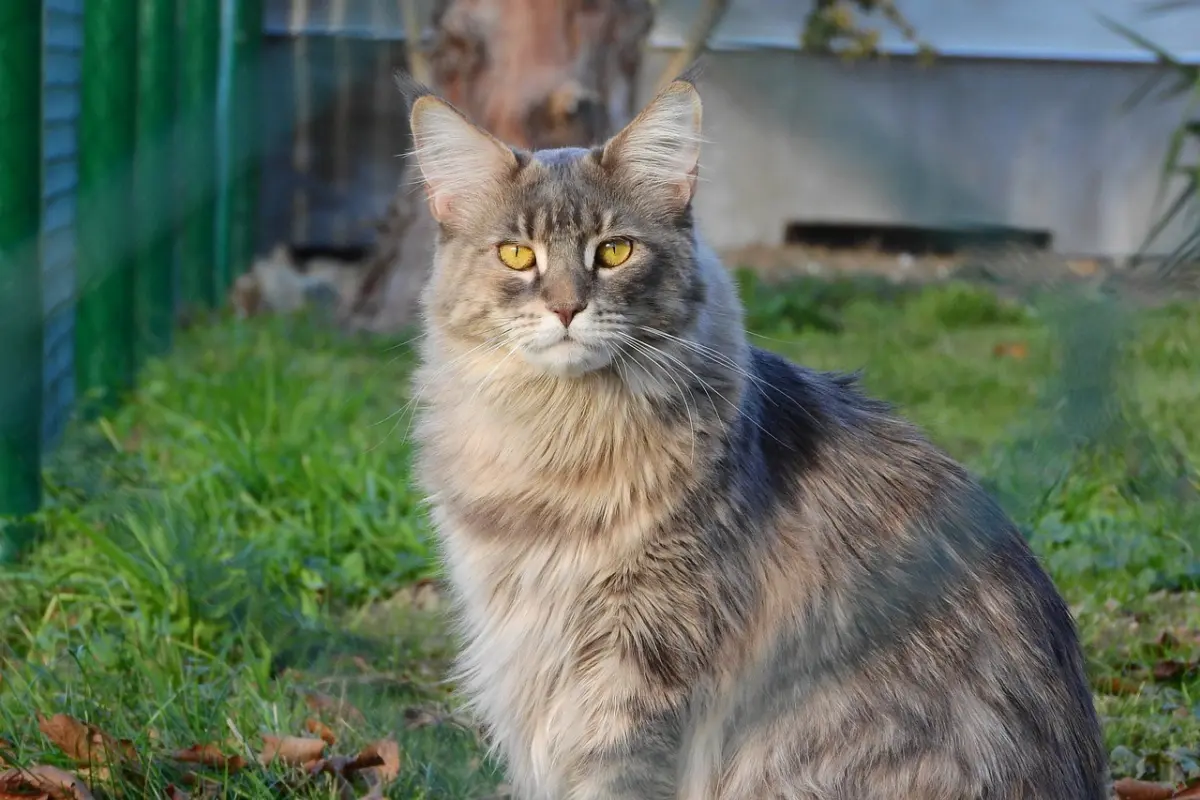
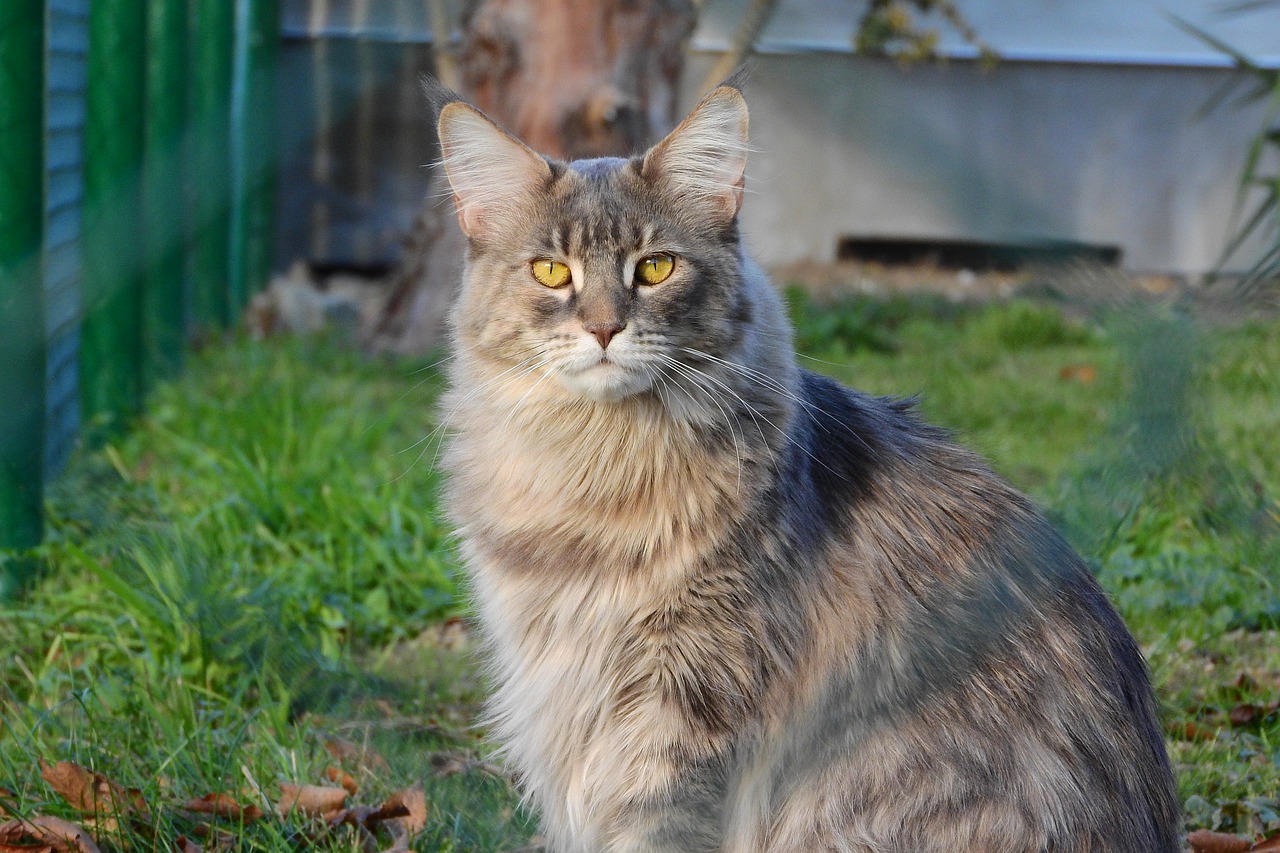
- Health and Weight Management: Because athletic breeds burn significant calories, their nutritional intake must align with their output. Conversely, heavy-coated cold-weather breeds like the Maine Coon and Siberian must be monitored for overheating during warmer seasons.
Legal and Regulatory Compliance for Wild Hybrids
For owners considering wild-hybrid breeds such as the Savannah or Chausie, regulatory compliance is a critical hurdle.
- State and International Restrictions: Due to their genetic lineage, early-generation hybrids (such as F1 through F3 Savannahs or Chausies) are heavily regulated, restricted, or entirely banned in numerous states, municipalities, and countries.
- Verification Protocols: Resources such as the Savannah Cat Association’s legal directory and the Animal Legal & Historical Center maintain updated summaries of hybrid-ownership laws. Prospective owners must verify local ordinances before crossing state or national borders with a hybrid cat.
Future Outlook: The Evolution of the Adventure Cat Culture
As society becomes increasingly mobile and outdoor recreation surges in popularity, the intersection of pet ownership and adventure sports is evolving rapidly. Several key trends point toward the future of athletic felines:
- Advanced Gear Engineering: The market for feline-specific outdoor gear is expanding. We are moving past improvised small-dog gear to specialized, ergonomic cat backpacks with integrated ventilation, lightweight shock-absorbing leashes, and custom-fitted, escape-proof harnesses designed specifically for the biomechanics of a leaping cat.
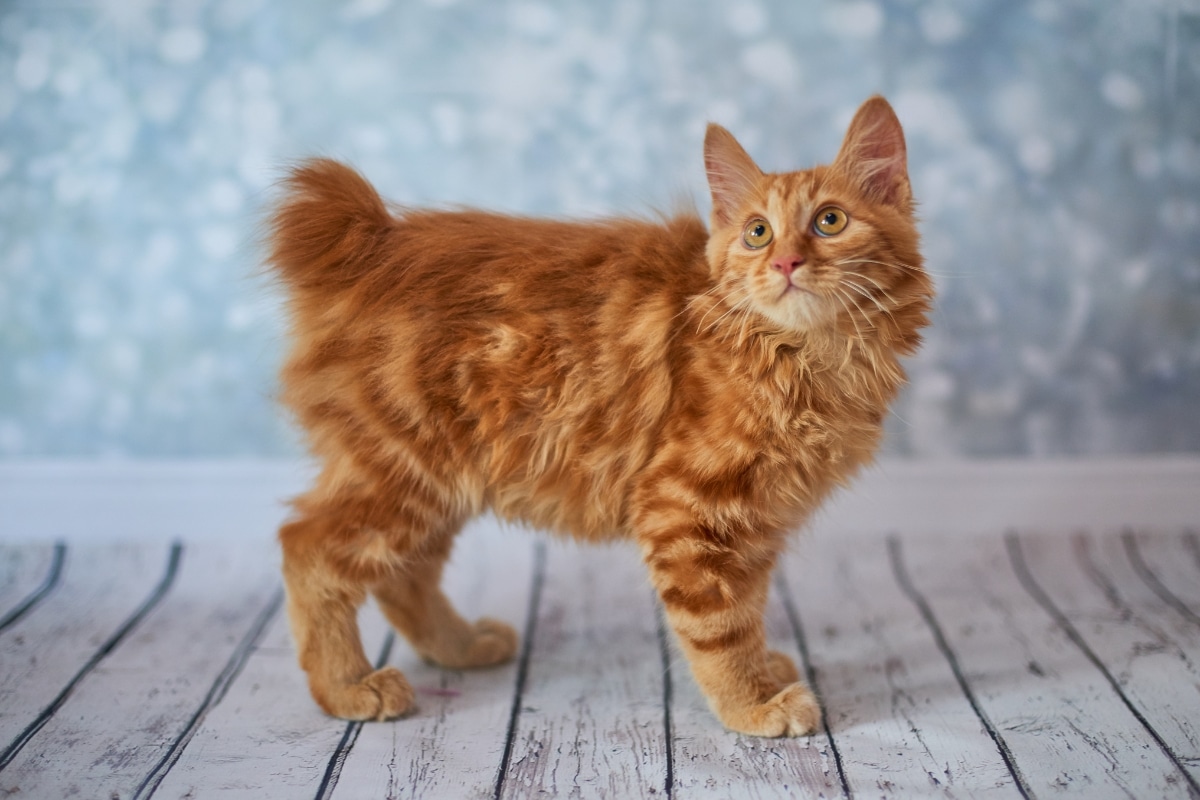
- Breed Preservation and Temperament Testing: Ethical breeders of athletic lines are placing an increased emphasis on temperament testing—selecting specifically for confidence, low reactivity to sudden noises, and strong human bonding. This ensures that future generations of Bengals, Abyssinians, and American Bobtails are even better suited to the unpredictable nature of trail life.
- Community and Infrastructure: Organized groups of "adventure cat" enthusiasts are establishing community standards for trail etiquette, wildlife preservation, and safe outdoor practices. Campgrounds and state parks are gradually adapting to the presence of leashed felines, reflecting a broader cultural acceptance of pets beyond traditional dogs.
Conclusion
Choosing an athletic cat breed is an invitation to share your life with a creature of extraordinary grace, intelligence, and drive. Whether you are scaling a mountain trail with a nimble Abyssinian, navigating a creek with a fearless Turkish Van, or simply challenging a high-energy Bengal with interactive indoor agility courses, matching your lifestyle to the right breed is the key to a harmonious relationship. By understanding their physiological needs, respecting their limits through gradual conditioning, and honoring their genetic heritage, you unlock a rewarding partnership that redefines what it means to be a cat owner.