
Executive Overview
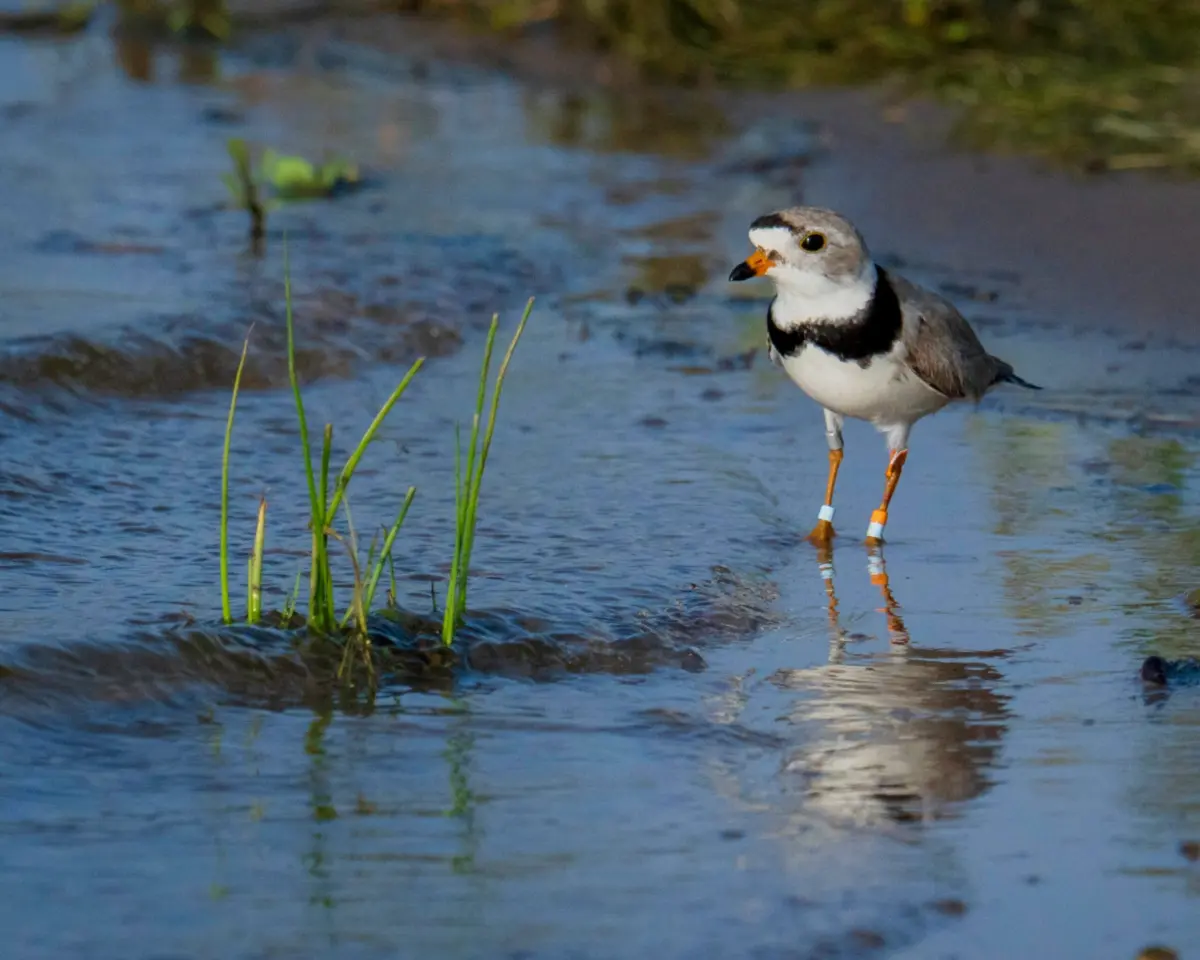
For decades, the Great Lakes Piping Plover (Charadrius melodus) teetered on the absolute precipice of extinction. By 1990, the entire regional population had collapsed to a precarious dozen breeding pairs, completely isolated within the northern reaches of Michigan. Decimated by a combination of habitat loss, shoreline development, recreational pressures, and predation, this diminutive, sandy-colored shorebird appeared to be a tragic casualty of modern ecological encroachment.
Today, however, the Great Lakes Piping Plover is writing one of the most remarkable conservation comeback stories of the twenty-first century.
During the 2026 breeding season, the population achieved an unprecedented milestone, shattering previous records for the fifth consecutive year. Field monitors across the sprawling Great Lakes basin documented a total of 99 active breeding pairs, producing a staggering 184 fledged chicks. This performance represents an increase of 11 pairs over the 2025 count of 88, marking the highest population total recorded since the species was formally listed under the federal Endangered Species Act in 1986.
This soaring success is not the result of a singular, miraculous intervention. Rather, it represents the cumulative fruit of decades of relentless, highly coordinated persistence by the Great Lakes Piping Plover Conservation Team—a vast coalition of federal, state, provincial, and Tribal agencies, academic institutions, specialized zoos, nonprofit organizations, land managers, and dedicated volunteers. By wedding rigorous scientific research, intensive management protocols, habitat restoration, and active community stewardship, this multi-jurisdictional partnership has proven that even the most vulnerable species can be pulled back from the brink when humanity commits to the long haul.
Detailed Chronology and Basin-Wide Nesting Dynamics
The path to the 2026 record was forged through meticulous daily observation, early spring interventions, and adaptive management as birds returned to their traditional breeding grounds. Piping Plovers nested across all five Great Lakes for another consecutive year, continuing a distribution pattern that first re-established in 2017.
The Spring Arrival and Nesting Landscape
As the snow melted and spring warmed the Great Lakes basin, adult plovers returned to coastal beaches and sand dunes. Conservation field crews were immediately deployed to establish protective perimeters, monitor territorial displays, and identify nesting sites. Across the entire basin, monitors officially documented 101 distinct nests and 84 wild broods.
As incubation progressed, the season faced natural vulnerabilities. Out of the 101 documented nests, 17 ultimately failed. Field reports indicated that nine of these failures were directly attributed to adult predation—where mammalian or avian predators targeted incubating birds or vulnerable eggs—while four nests were entirely lost to violent spring storms and sudden lake washouts.
Despite these setbacks, the surviving nests experienced remarkably strong chick survival rates. Sixty-five wild broods successfully fledged 160 wild chicks, translating to an average of 1.6 wild fledglings per pair. This productivity rate comfortably surpassed the annual recovery target of 1.5 and improved upon the metrics of the preceding two seasons. When combined with the triumphs of the captive-rearing program, the total output reached 184 fledged birds, averaging 1.9 chicks per pair.
The Return to Cat Island
Perhaps the most symbolic and widely celebrated regional success of the 2026 season unfolded on Cat Island in the lower waters of Green Bay, Wisconsin. For 75 years, the piping plover had been entirely absent from this landscape. However, following extensive, multi-year ecological restoration work that successfully rebuilt and stabilized portions of the Cat Island chain, the shorebirds returned to nest.
During the 2026 season, two distinct broods hatched and successfully fledged five chicks at the restored site. This return serves as a living laboratory for the power of strategic habitat engineering, proving that when degraded ecosystems are thoughtfully restored, nature responds.
Supporting Context, Metrics, and Scientific Strategies
The recovery of the Great Lakes piping plover relies on a complex architecture of science, technology, and hands-on intervention. Understanding how 99 pairs translated into 184 fledged chicks requires examining the sophisticated tools deployed by conservationists across the basin.
The Lifesaving Role of Captive Rearing
Natural incubation is a delicate biological dance shared by both male and female piping plovers. However, this shared responsibility creates a critical vulnerability: if an incubating adult is predated, abandoned, or killed during migration or foraging, the remaining eggs are left completely exposed to the elements and predators. Furthermore, violent spring storms frequently generate high waves and storm surges that wash out nests before the embryos can develop.
To counteract these existential threats, field teams utilize a specialized captive-rearing protocol. When viable eggs are abandoned or threatened by imminent storm damage, trained personnel carefully collect them and transport them to the dedicated captive-rearing facility at the University of Michigan Biological Station in Pellston, Michigan.
The 2026 season heavily underscored the necessity of this program:
- Eggs Incubated: 36 threatened or abandoned eggs were brought into the facility.
- Hatching Success: 26 healthy chicks successfully hatched under controlled conditions.
- Zoological Network: A collaborative network of 13 accredited zoos participated in rearing and supporting the young birds.
- Wild Integration: 24 captive-reared fledglings were successfully released directly into the wild at sites populated by wild plovers and broods.
These 24 birds would have perished without intervention. By integrating captive-reared juveniles into wild habitats, the program successfully buffers the population against unpredictable environmental shocks, serving as a vital insurance policy for an endangered species.
Long-Term Banding and Demographic Insights
Science remains the bedrock of the Great Lakes Piping Plover recovery effort. For over three decades, comprehensive banding programs have allowed researchers to track individual birds across their entire life cycles—from their hatching beaches in the Great Lakes to their migratory stopovers and wintering grounds along the Gulf of Mexico and Atlantic coasts.
During the 2026 season, a specialized banding crew from the Smithsonian Migratory Bird Center successfully banded 43 adults and 204 wild chicks. Each bird receives a unique combination of colored leg bands, transforming them into identifiable individuals.
The data extracted from these bands have revolutionized conservation strategies. Over thirty years, banding metrics have illuminated:
- Site and Mate Fidelity: Understanding whether birds return to their natal beaches or disperse across the basin.
- Survival Rates: Quantifying the exact mortality bottlenecks chicks face during their critical first year of life.
- Reproductive Success: Tracking generational lineage to assess genetic diversity within a historically bottlenecked population.
These insights directly guide daily management practices—from dictating where temporary beach closures are implemented to identifying the specific micro-habitats chicks require for foraging prior to fall migration.
Official Statements and Stakeholder Perspectives
The monumental milestones achieved in 2026 are a direct testament to the human capital invested in the species. Behind every fence, census, and banded chick is a network of passionate professionals and volunteers.
Jillian Farkas, the U.S. Fish and Wildlife Service lead biologist for Great Lakes piping plovers, emphasized the human element underpinning the statistical triumph.
"Local volunteers continue to play a vital role, contributing many hours of their personal time to monitoring, outreach, and education," Farkas stated. "With 99 pairs nesting in 2026, we remain hopeful that it’s possible for these plovers to reach their ultimate recovery goal of 150 breeding pairs."
The success at Cat Island likewise drew high praise from regional conservation leaders who witnessed the resurrection of a historic breeding ground. Tom Prestby, Wisconsin Conservation Manager at Audubon Great Lakes, noted the profound implications of the site’s revitalization.
"Seeing Piping Plovers return to Cat Island after decades of absence demonstrates what’s possible when habitat restoration and long-term conservation investment come together," Prestby remarked.
This coordinated momentum has been supercharged since 2010 through funding provided by the Great Lakes Restoration Initiative (GLRI). GLRI financial support has drastically expanded basin-wide monitoring capacity, accelerated habitat restoration projects on public and private lands, and enabled researchers from academic institutions—such as the University of Minnesota and the University of Michigan—to continuously refine management techniques as new environmental challenges materialize.
Future Outlook: The Road to Final Recovery
Despite the unmitigated triumphs of the 2026 season, conservation scientists issue a clear warning: recovery is not yet guaranteed, and the margin for error remains thin.
The federal recovery plan dictates that the Great Lakes population must sustain at least 150 breeding pairs for five consecutive years, with a crucial geographic distribution requirement stipulating that at least 50 of those pairs must nest outside of Michigan. At 99 pairs, the population has successfully cleared roughly two-thirds of the numerical pair goal, but the remaining third will require sustained vigilance.
Persistent Threats to the Population
Piping plovers face a gauntlet of compounding environmental and anthropogenic pressures:
- Predation Pressures: Native and non-native predators, including gulls, crows, foxes, and domestic pets, continuously threaten eggs and flightless chicks.
- Climate and Hydrological Volatility: Fluctuating Great Lakes water levels can drastically shrink available nesting beaches overnight, while severe storm frequencies continue to increase.
- Vegetation Encroachment: Without natural wave action and dynamic ice scouring to clear shorelines, invasive plants can overtake the open, sandy substrates plovers require.
- Recreational Impacts: Growing human populations and high-intensity beach tourism increase the risk of nest disturbance, habitat degradation, and accidental crushing of camouflaged eggs and chicks.
A Shared Responsibility
Safeguarding the future of the Great Lakes Piping Plover requires a cultural shift in how human communities interact with coastal ecosystems. While institutional partners manage captive-rearing facilities, fund scientific research, and deploy protective exclosures, the everyday decisions of beachgoers ultimately dictate whether chicks survive.
Simple, conscientious actions—such as respecting posted nesting closures, keeping dogs off sensitive dunes, packing out trash to avoid attracting predators, and giving shorebirds adequate distance—allow piping plovers the critical space they need to rest, feed, and raise their young.
Conclusion
Five consecutive record-breaking seasons stand as an undeniable testament to the power of sustained ecological stewardship. The journey from 12 isolated pairs in northern Michigan to 99 distributed pairs across the entire basin proves that extinction is not an inevitable fate for endangered wildlife.
Each fledged chick, every restored island beach, every protected nest, and every engaged volunteer brings the Great Lakes Piping Plover one step closer to true, permanent recovery. While the horizon still holds challenges, the shores of the Great Lakes are once again alive with the calls of tiny plovers finding their way home.