
Executive Overview
Maintaining a clean and hygienic feline restroom is one of the most critical responsibilities of pet ownership. However, the commercial cleaning products commonly used in households often harbor hidden dangers for our feline companions. Traditional disinfectants, chemical deodorizers, and heavily fragranced sprays release volatile organic compounds (VOCs) and leave chemical residues that can severely compromise a cat’s delicate respiratory system and sensitive skin. Because cats continuously groom themselves—ingesting whatever residue lingers on their paws and fur—minimizing their exposure to harsh toxins is an urgent veterinary priority.
This comprehensive investigative report examines the science of non-toxic feline hygiene, evaluating safe natural cleaning methods, eco-friendly maintenance products, and smart automated solutions. Drawing upon veterinary guidelines from the Association of Shelter Veterinarians (ASV), the American Association of Feline Practitioners (AAFP), and leading pet poison registries, this article establishes a definitive standard for chemical-free litter box care. By embracing simple, earth-friendly ingredients like baking soda and white vinegar, pet parents can cultivate a fresh, inviting environment that protects both feline health and ecological sustainability.

Detailed Chronology & Maintenance Routine: The Natural Care Cadence
Establishing a reliable, step-by-step cleaning routine is essential for preventing stubborn waste buildup, controlling persistent ammonia odors, and ensuring your cat consistently utilizes their designated bathroom space. Veterinarians emphasize that a proactive maintenance schedule is far more effective than attempting to mask severe odors after the fact.
1. Daily Maintenance: The Foundation of Hygiene
- Action: Scoop solid waste and wet clumps at least once—preferably twice—daily.
- The Science: Daily scooping prevents the accumulation of moisture and bacteria, drastically cutting down on ambient ammonia odors. Stirring clay, corn, wheat, or paper-based litters distributes dry granules evenly, ensuring maximum absorption and preventing urine from pooling at the base of the pan.
2. Weekly Upkeep: Washing with Mild Detergents
- Action: Empty the litter box completely, discard soiled litter, and wash the pan thoroughly using warm water and a mild, unscented dish soap.
- The Rationale: Hot water softens residual organic matter, while mild dish soap safely lifts grease and proteins without introducing toxic chemical films. Rinse the basin exhaustively to ensure zero soapy residue remains, which could otherwise deter your cat from using the box.
3. Intermittent Deodorizing: The Baking Soda Method
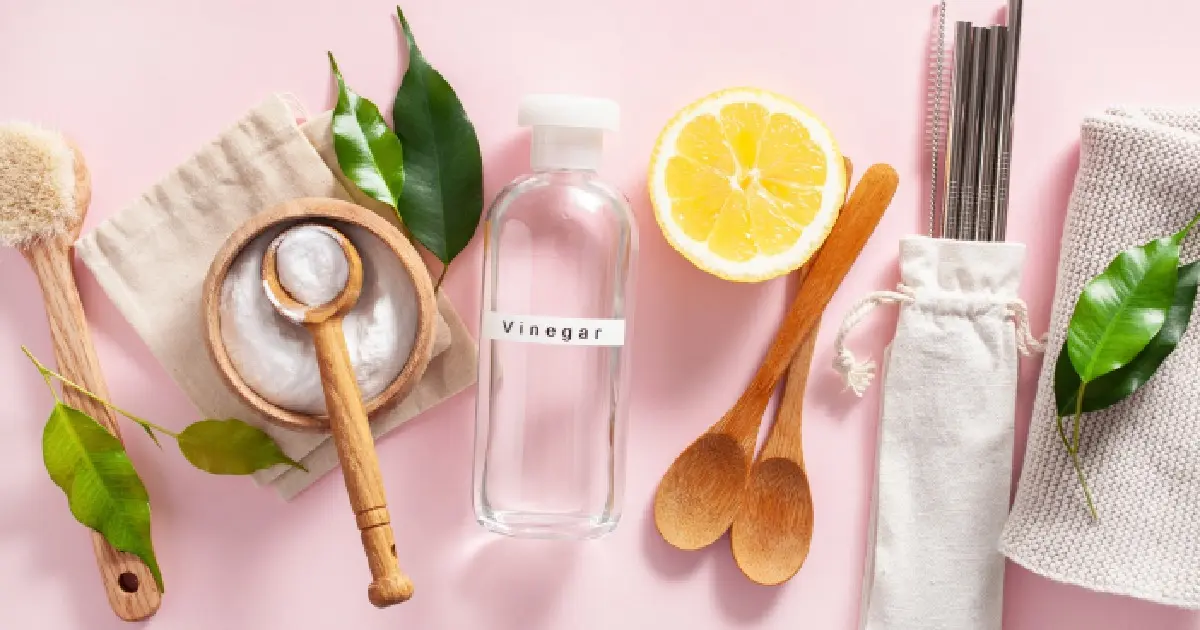
- Action: Between weekly washings, sprinkle a light layer of baking soda (sodium bicarbonate) across the bottom of the clean litter box before adding fresh litter, or dust it lightly over the surface of the litter to absorb lingering odors.
- The Chemistry: Baking soda is a natural amphoteric compound, meaning it neutralizes both acidic and basic odor molecules rather than merely covering them up with synthetic perfumes.
4. Monthly Deep Disinfection: The Vinegar Solution
- Action: Perform a comprehensive deep clean every four weeks by washing the empty box with a 1:1 solution of white vinegar and warm water. Allow the solution to sit for 5 to 10 minutes to break down mineral scale and destroy lingering bacteria, then rinse and air-dry completely.
- Why It Matters: Acetic acid acts as a natural, non-toxic disinfectant and deodorizer that breaks down stubborn urine calculus without emitting hazardous fumes.
Supporting Context & Metrics: Why Chemical Cleaners Pose a Threat
Cats are biologically unique animals with specialized metabolic pathways. Unlike humans or dogs, felines lack specific liver enzymes (glucuronyl transferases) required to efficiently metabolize and eliminate many common chemical compounds, including certain phenols, essential oils, and synthetic disinfectants.

The Hazards of Conventional Cleaners
- Bleach (Sodium Hypochlorite): Frequently used for household sanitization, bleach emits chlorine gas and leaves corrosive residues that can cause severe chemical burns on paw pads and irritation to mucous membranes.
- Hydrogen Peroxide: While commonly used in human first-aid, concentrated hydrogen peroxide can cause severe gastrointestinal ulceration and toxicity if ingested by grooming cats, according to warnings issued by the Pet Poison Helpline and VCA Animal Hospitals.
- Phenols and Quaternary Ammonium Compounds ("Quats"): Found in many commercial floor and surface cleaners, these chemicals can lead to acute poisoning, neurological distress, and liver damage in felines.
- Synthetic Fragrances: Artificial scent additives are notorious for triggering feline asthma, allergic dermatitis, and chronic respiratory distress. Because a cat’s sense of smell is roughly 14 times stronger than a human’s, heavily scented litters and cleaners can cause severe sensory overload, frequently leading cats to abandon the litter box in favor of rugs or furniture.
Recommended Cadence and Replacement Metrics
According to guidelines adapted from the Cornell Feline Health Center and the AAFP Feline Environmental Needs Guidelines:
- Clay and Clumping Litters: Complete litter replacement and box sanitization should occur every 2 to 3 weeks.
- Natural Litters (Pine, Paper, Wheat, Corn): Because non-clay and wood-based litters break down differently under moisture, they often require more frequent full-box changes—typically every 7 to 10 days—to prevent mold growth and bacterial proliferation.
Official Statements and Veterinary Guidelines
Leading veterinary organizations across North America consistently advocate for minimalism and caution when selecting cleaning and maintenance supplies for multi-pet households.

"The primary goal of environmental enrichment and sanitation in feline medicine is stress reduction and disease prevention. Harsh chemical fumes, persistent synthetic fragrances, and improperly rinsed disinfectants introduce avoidable environmental stressors that can precipitate house-soiling behaviors and chronic respiratory illness."
— Summary of AAFP Feline Environmental Needs Guidelines
Veterinary toxicologists further underscore that prevention begins at the ingredient label. When evaluating any product designated for pet environments, experts recommend verifying that formulas are certified non-toxic, biodegradable, and free from volatile organic solvents. If a cleaner requires rubber gloves and active ventilation for human safety, it has no place inside an enclosed feline sanitation station.

Top 10 Natural Litter Box Cleaners, Deodorizers, and Systems
To assist pet parents in navigating the vast market of eco-conscious supplies, we have evaluated the top-rated natural solutions for maintaining an impeccably clean, odor-free litter box without compromising feline wellness.
1. Whisker Litter-Robot 3 (Smart Automated Maintenance)
While robotic systems are technological rather than strictly organic, the Whisker Litter-Robot 3 revolutionizes sustainable pet care. By automatically sifting waste moments after your cat exits, it instantly encapsulates solid matter and clumps in a sealed carbon-filtered drawer. This drastically reduces overall litter consumption, minimizes dust, and eliminates the need for chemical odor-masking sprays, creating a pristine environment using standard clumping clay, corn, or wheat litters.

2. Pure Baking Soda (Natural Odor Absorption)
A pantry staple, plain baking soda remains the gold standard for budget-friendly, chemical-free deodorization. Sprinkling a thin dusting at the base of the litter pan absorbs ambient moisture and neutralizes pungent ammonia compounds instantly.
3. White Vinegar and Baking Soda Solution (The DIY Deep Clean)
Combining equal parts white vinegar and water creates a dynamic, effervescent cleaning paste when paired with baking soda. This natural combination cuts through calcified urine crusts, dissolves mineral deposits, and sanitizes plastic basins without introducing synthetic toxins into your home.

4. Rocco & Roxie Pet Odor Eliminator
Utilizing an advanced enzymatic formulation, this non-toxic cleaner targets organic waste at a molecular level. Rather than covering up odors with artificial perfumes, the natural enzymes break down embedded proteins from cat urine and feces, making it an exceptional all-in-one spray for washing litter boxes and surrounding floors.
5. Bodhi Dog Natural Cat Litter Box Odor Eliminator
Crafted with entirely natural plant-based ingredients, Bodhi Dog’s odor eliminator neutralizes harsh smells instantly without relying on aggressive chemicals. Its hypoallergenic profile makes it exceptionally safe for homes with sensitive cats or multi-cat dynamics.

6. Citrus Magic Pet Probiotic Litter Odor Eliminator
This innovative formula introduces beneficial probiotic bacteria that actively colonize the litter box environment. By crowding out and outcompeting odor-causing bacteria at their source, it maintains long-lasting freshness safely and naturally.
7. Earth Friendly Products ECOS Stain & Odor Remover
A proudly sustainable, plant-powered spray engineered to tackle stubborn organic stains and persistent odors. ECOS utilizes readily biodegradable ingredients that respect both your household air quality and global ecological standards.

8. PureGreen24 Safe & Effective Disinfectant
Offering hospital-grade antimicrobial efficacy without harsh chemical warnings, PureGreen24 provides a non-toxic defense against harmful bacteria and viruses. It sanitizes hard plastic surfaces efficiently while neutralizing ambient odors.
9. Nature’s Miracle Litter Box Cleaner Foam
Featuring a deep-penetrating oxygen-infused foam, this formula clings to vertical litter box walls to lift ingrained grime, deep-seated stains, and stale urine odors without requiring abrasive scrubbing or toxic chemical agents.

10. Absolutely Clean Litter Box Cleaner and Odor Eliminator
Proudly manufactured in the USA, this powerful non-toxic spray is robust enough to neutralize heavy organic odors (including skunk oils) while remaining entirely gentle and safe for daily use around sensitive pets.
Future Outlook: The Evolution of Sustainable Feline Care
As consumer awareness shifts toward holistic and environmentally conscious pet husbandry, the pet care industry is experiencing a massive paradigm shift. Future innovations in feline sanitation are projected to focus heavily on biodegradable, compostable litter box materials—such as bamboo composites and recycled paper polymers—paired with advanced probiotic surface treatments that eliminate the need for harsh chemical disinfection entirely.

Furthermore, veterinary research continues to emphasize the direct correlation between indoor air quality, chemical exposure, and feline longevity. By eliminating synthetic cleaning agents, embracing plant-based enzymatic formulas, and adhering to strict daily and weekly maintenance schedules, cat owners can ensure a healthier, happier life for their feline companions. Investing time in natural hygiene practices today pays dividends in your cat’s long-term respiratory health, psychological well-being, and domestic harmony for years to come.