
Executive Overview
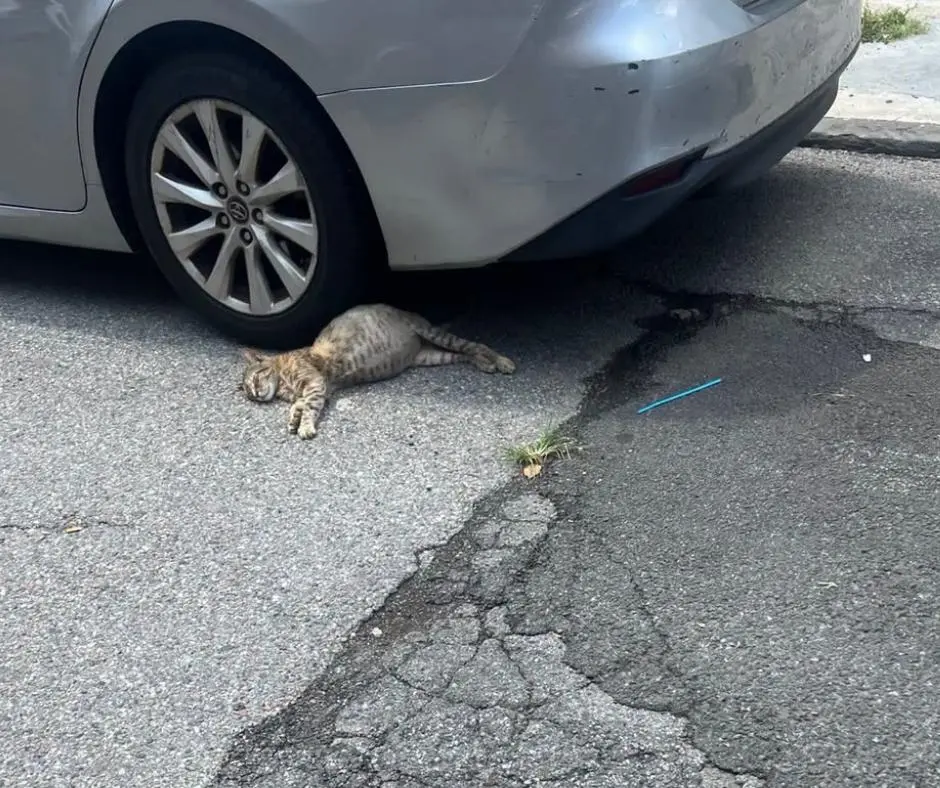
In the world of animal rescue, appearances can be deeply deceiving. When a friendly domestic cat named Eliza Hamilton was found wandering the streets with a visibly swollen abdomen, neighbors and passersby drew a natural, albeit fatal, conclusion: she was heavily pregnant and preparing to bring a litter of kittens into the world. In keeping with a tragic misunderstanding, she had recently been put outside by her former household under the assumption that her expanding midsection was the result of impending motherhood.
However, the reality facing Eliza was far more sinister than an unexpected pregnancy. She was not carrying life; her body was fighting a silent, catastrophic war against it. The swelling that everyone mistook for a sign of new life was actually pyometra—a severe, life-threatening uterine infection that left her mere days, if not hours, away from death.
What followed was an extraordinary campaign of medical intervention and relentless advocacy. Spearheaded by the dedicated rescue organization Little Wanderers NYC, Eliza’s journey transformed from a routine rescue operation into a high-stakes medical drama. Spanning two major, highly complex surgeries—including the harrowing removal of an infected uterus and a subsequent procedure to address a compromised kidney—Eliza’s survival is a testament to modern veterinary medicine and the sheer willpower of an animal refusing to yield to despair. Today, safe in a quiet foster home and shedding the trauma of her ordeal, Eliza stands not only as a survivor but as a living case study regarding the critical importance of spaying unspayed female companion animals.
Detailed Chronology: From the Streets to the Operating Table
The Misunderstood Displacement
The crisis began when Eliza, a naturally affectionate house cat, was turned out onto the streets. Her former owners noticed her widening silhouette and assumed she was pregnant. Rather than providing indoor veterinary care, the household placed her outside, leaving her exposed to the elements, vehicular hazards, and predators.
It did not take long for local residents to notice the "super duper pregnant" cat roaming their neighborhood. Concerned for her safety and the well-being of the unborn kittens she was presumed to be carrying, the community mobilized. Word spread quickly through local networks, eventually reaching the ears of Little Wanderers NYC, an urban rescue organization renowned for handling complex and emergency animal cases in the metropolitan area. Without hesitation, the rescue team deployed to secure the cat and bring her into a safe environment.
The Emergency Diagnosis
Upon capture, Eliza was immediately rushed to a partner veterinary hospital for a thorough evaluation. The initial plan was straightforward: prepare for an incoming expectant mother, monitor her vitals, and set up a nursery space.
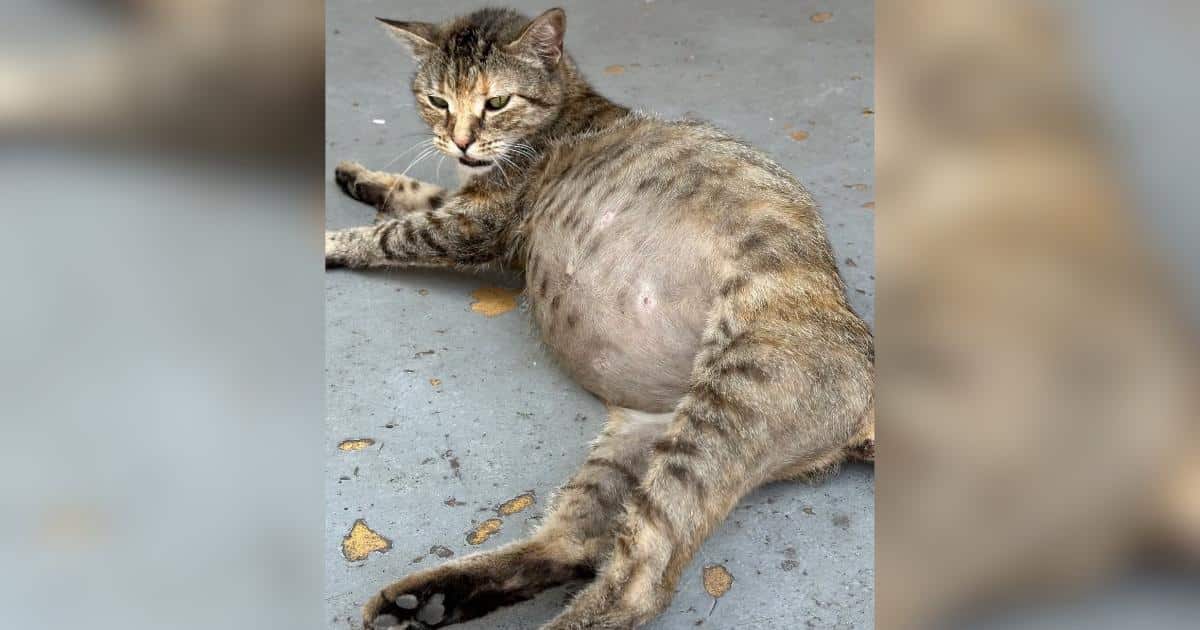
Instead, diagnostic imaging delivered a chilling revelation. Eliza was not pregnant. The massive swelling of her abdomen was caused by pyometra, an advanced and aggressive infection of the uterus. The veterinary staff delivered a stark assessment to the rescue team: Eliza’s condition was critical, and without immediate surgical intervention, she had mere days left to live. The infection had progressed to a stage where her body was being systematically overwhelmed by toxins.
The First Major Operation
Little Wanderers NYC authorized emergency surgery immediately. Operating on a cat whose body is already compromised by systemic infection carries immense anesthetic and surgical risks. Yet, the surgical team successfully performed an ovariohysterectomy to remove the diseased, pus-filled uterus.
The sheer scale of the infection shocked even seasoned veterinary professionals. When weighed, the pathological tissue and fluid removed from Eliza’s body totaled over five pounds—an astronomical fraction of a cat’s total body weight.
"I’m in shock myself," representatives from Little Wanderers NYC stated while releasing early updates on her condition. Eliza had survived the primary threat to her life, but her trials were far from over.
The Complication and Second Surgery
As Eliza began the delicate process of stabilization and early recovery under veterinary supervision, a secondary, highly unexpected complication emerged. During the initial emergency hysterectomy, a ureter connecting one of Eliza’s kidneys had accidentally been compromised and closed off.
The resulting internal damage was severe and irreversible, creating a fresh crisis that threatened to undo all the progress she had made. The medical team determined that a second major surgery was unavoidable. Eliza had to return to the operating table so that surgeons could remove the damaged kidney and associated compromised tissue.

For a feline recovering from a near-fatal systemic infection, undergoing a second major abdominal surgery within a short window is an extraordinary test of endurance. Yet, once again, Eliza’s physiological resilience, combined with top-tier veterinary care, carried her through the operating room doors and into recovery.
Transition to Sanctuary: Fifi’s Foster Care
Following her second discharge from the hospital, Eliza required an environment far removed from the sterile, high-stress atmosphere of a veterinary clinic. She was transferred into the care of an experienced foster coordinator named Fifi, who provided a quiet, secure, and comforting indoor space.
In this peaceful sanctuary, Eliza finally began to unwind. Though initially frightened by the memory of constant medical handling, unfamiliar procedures, and the trauma of her street ordeal, the gentle routine of foster life worked wonders. Every small milestone—eating with enthusiasm, exploring her surroundings, and initiating gentle contact—became a cause for celebration among her caregivers.
Supporting Context & Metrics: Understanding Pyometra
To fully grasp the magnitude of Eliza Hamilton’s near-tragedy, one must understand the pathology of the condition that nearly claimed her life. Pyometra is a medical emergency that exclusively threatens unspayed female cats and dogs.
Pathophysiology of Pyometra
- Hormonal Triggers: Following a heat cycle (estrus), the hormone progesterone remains elevated for several weeks. This hormone causes the lining of the uterus (endometrium) to thicken in preparation for potential pregnancy.
- Bacterial Proliferation: The thickened uterine lining secretes fluids that create an ideal breeding ground for bacteria. Simultaneously, progesterone suppresses the local immune response of the uterine wall, making it difficult for the body to fight off invading pathogens (most commonly Escherichia coli).
- Accumulation of Purulent Material: As bacteria multiply, white blood cells flood the uterus to combat the infection. The cervix typically remains closed during this phase, trapping the resulting pus, bacteria, and toxic fluid inside the uterine cavity. The organ swells drastically—frequently leading to the mistaken belief that the animal is pregnant.
Clinical Presentation and Warning Signs
Veterinarians classify pyometra into two distinct categories based on cervical status:
- Open Pyometra: The cervix remains partially open, allowing foul-smelling, pus-filled discharge to drain through the vagina. While alarming to pet owners, this form is generally less immediately fatal because toxins can escape the body.
- Closed Pyometra: The cervix remains completely sealed. Because no discharge can escape, toxins accumulate rapidly within the bloodstream, making it a hyper-acute medical emergency. Symptoms include:
- Severe abdominal distension (frequently misdiagnosed as pregnancy or obesity)
- Profound lethargy and weakness
- Anorexia (complete loss of appetite)
- Increased thirst (polydipsia) and increased urination (polyuria)
- Vomiting and dehydration
- Fever or, conversely, a dangerously low body temperature (hypothermia)
The Preventive Solution
Veterinary consensus is absolute: pyometra is entirely preventable through routine ovariohysterectomy (spaying) at a young age. By removing the uterus and ovaries before a cat experiences repeated heat cycles, pet owners completely eliminate the anatomical substrate required for the disease to develop. Eliza’s case serves as an urgent public awareness reminder of the life-saving value of routine preventive veterinary care.
Official Statements & Community Response
The ordeal of Eliza Hamilton generated significant public interest, serving as a focal point for discussions on responsible pet ownership, community rescue operations, and the hidden dangers of intact companion animals.
Little Wanderers NYC Speaks Out
Throughout the crisis, Little Wanderers NYC provided transparent updates to their community of supporters, documenting the emotional highs and lows of Eliza’s medical journey.
"Her warrior heart has carried her this far," noted Fifi, Eliza’s dedicated foster caregiver, in an interview reflecting on the cat’s refusal to surrender to her illness.
The rescue organization emphasized that Eliza’s story should not be viewed merely as a tale of medical survival, but as a call to action. They stressed the importance of educating the public on recognizing reproductive disorders in pets and the critical role that early-age spaying plays in urban cat populations.
Veterinary Insights on Surgical Complexities
Medical professionals involved in Eliza’s case noted that operating on an animal with advanced closed pyometra presents exceptional challenges. The friability (fragility) of infected uterine tissue increases the risk of rupture during extraction, which can introduce infectious material into the sterile abdominal cavity and trigger fatal peritonitis.
Furthermore, the accidental ligation of the ureter during the primary stabilization surgery highlights the fine margins of error inherent in emergency feline surgeries, where anatomical landmarks are frequently distorted by severe inflammation and organ displacement. The successful remediation of this error via nephrectomy (removal of the compromised kidney) underscores the advanced skill level required of modern shelter and emergency veterinary teams.
Future Outlook: A New Chapter for Eliza
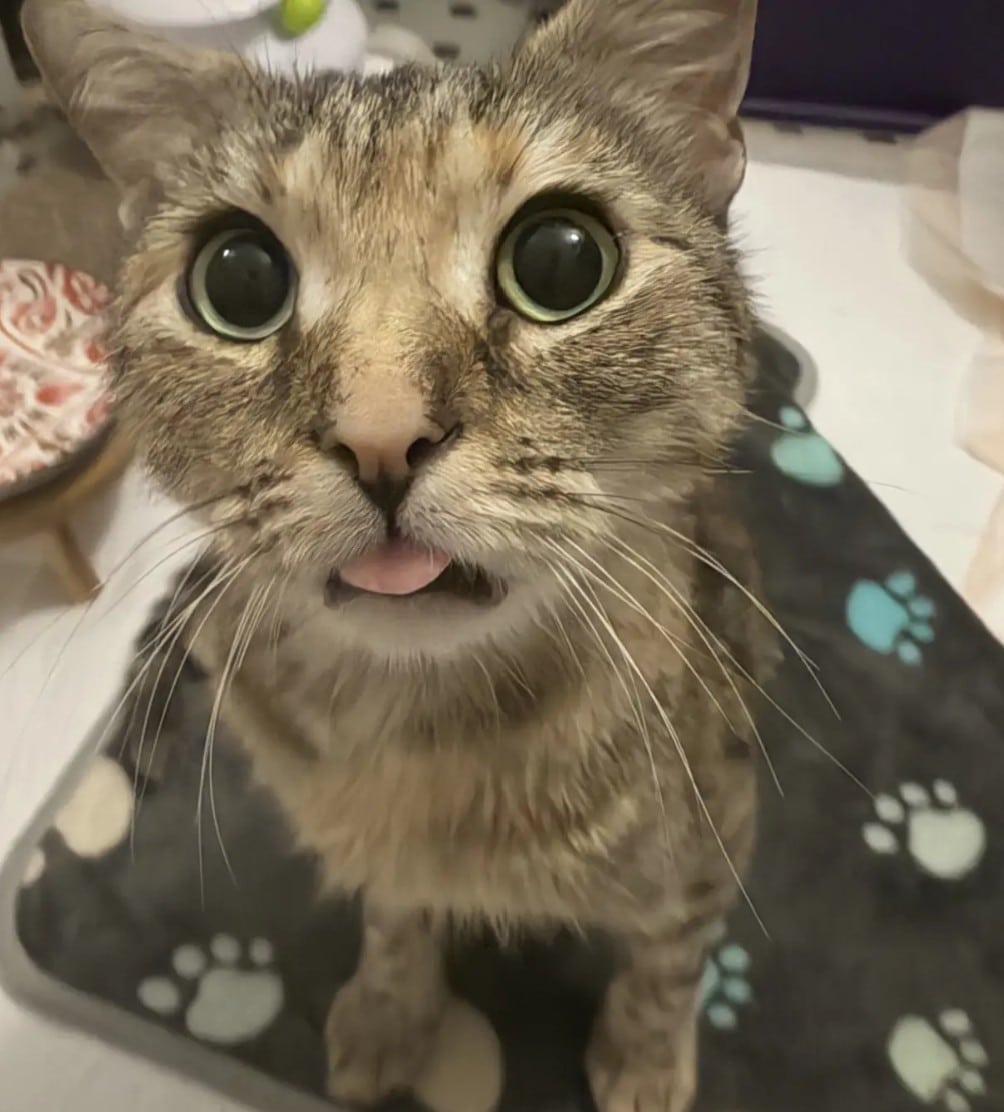
Today, the horizon looks remarkably bright for the feline who was once hours away from death. Following her arduous medical interventions, Eliza has crossed several crucial thresholds:
- Medical Clearance: She is fully spayed, vaccinated, microchipped, and has passed comprehensive post-operative health panels.
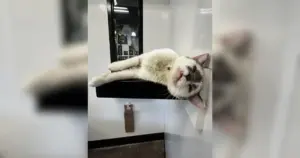
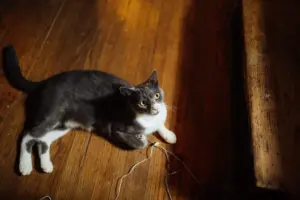
- Behavioral Rehabilitation: Far from remaining fearful or withdrawn, Eliza has blossomed in foster care, revealing a deeply playful, affectionate, and resilient personality hidden beneath weeks of physical agony.
- Adoption Readiness: With her physical scars fading and her energy levels restored, Eliza is positioned to transition from foster care into a permanent, loving forever home where her health will be vigilantly protected for the rest of her days.
Conclusion
The story of Eliza Hamilton is a powerful reminder of how quickly circumstances can shift from misunderstanding to tragedy—and how compassionate intervention can reverse the tide. Mistaken for a mother-to-be and abandoned to the uncertainties of the street, Eliza faced a silent killer that bypassed every casual observer’s detection. Thanks to the swift response of concerned neighbors, the relentless dedication of Little Wanderers NYC, and the expert precision of veterinary surgeons, Eliza survived a battle that few animals endure.
Her journey from a distended, infected street cat to a thriving, playful indoor companion stands as an enduring tribute to the strength of her "warrior heart" and a vital lesson on the non-negotiable importance of preventive veterinary care.