The domestic cat (Felis catus) has long held a reputation as a master of quiet independence, often perceived as a low-maintenance companion that spends the majority of its day in quiet repose. However, veterinarians, animal behaviorists, and experienced cat owners know this traditional stereotype fails to capture the reality of certain high-energy, highly intelligent breeds. Across households worldwide, a distinct subset of felines transforms ordinary domestic spaces into complex obstacle courses, engineering clever escapades that test the patience—and amuse the senses—of their human companions.
From acrobatic leaps onto high bookshelves to sophisticated cabinets opened with surprising dexterity, these high-spirited animals are rarely acting out of malice. Instead, their behavior is driven by profound intellectual curiosity, powerful predatory instincts, and an unyielding demand for environmental stimulation. When a modern house fails to provide adequate challenges, these dynamic pets readily invent their own amusements.
This comprehensive report examines the specific cat breeds renowned for their mischievous streaks, analyzing the behavioral science behind their antics, the importance of proactive environmental enrichment, and the management strategies required to maintain harmony in homes shared with these extraordinary, inquisitive animals.
Detailed Chronology: The Evolution of Domestic Inquisitiveness
To understand why certain modern cat breeds display such relentless curiosity and drive, one must examine the evolutionary trajectory of the domestic cat and the deliberate breeding practices that shaped distinct phenotypes.
Pre-Domestication Ancestry (Felis lybica): The ancestral roots of the domestic cat lie in the African wildcat. Survival in arid and semi-arid environments required acute sensory perception, expansive territorial patrolling, and relentless hunting behavior. Every movement, rustle, or shifting shadow had to be investigated to secure prey and avoid predators.
The Agricultural Transition (circa 7500 BCE): As early human societies transitioned to agriculture, felines gravitated toward human settlements to exploit rodent populations. Humans welcomed these efficient hunters, establishing a symbiotic relationship. Yet, the core psychological drivers—predatory motivation, spatial mapping, and mechanical problem-solving—remained entirely intact.
The Emergence of Formal Breeds (19th and 20th Centuries): As cat fancy organizations formalized in the Victorian era and expanded through the 20th century, selective breeding began to amplify specific traits. Breeds like the Siamese, Abyssinian, and later the Bengal were refined not merely for aesthetic markers—such as coat coloration and body type—but for behavioral characteristics. Breeders selected for heightened interactivity, extreme agility, vocalization, and intense human bonding.
The Modern Indoor Environment (Late 20th Century to Present): As urbanization prompted a shift toward indoor-only housing for feline safety, a fundamental mismatch emerged. Highly intelligent, high-drive breeds found themselves confined to static living spaces devoid of natural prey, vast territories, or complex foraging challenges. Consequently, modern behavioral science identifies feline mischief as a direct evolutionary response to under-stimulation within contemporary human households.
Supporting Context & Metrics: The Behavioral Architecture of Mischief
Feline mischief is not random chaos; it is a predictable manifestation of biological needs. Behavioral research indicates that cats possess complex cognitive architectures capable of object permanence, spatial reasoning, and observational learning. When a cat learns to slide open a cabinet door or bat a pen off a desk to watch it fall, it is engaging in rudimentary physics experiments driven by curiosity.
Key Behavioral Metrics and Drivers
Energy Expenditure and Play Drive: Breeds with high metabolic rates and lean, muscular body compositions require significantly more daily physical exertion. Without structured play (such as the "stalk-chase-catch-kill" sequence), this energy redirects toward household objects.
Cognitive Complexity: High-IQ breeds require cognitive challenges to prevent frustration and behavioral displacement. Studies in feline cognition demonstrate that puzzle-solving reduces stress hormones and curbs unwanted attention-seeking behaviors.
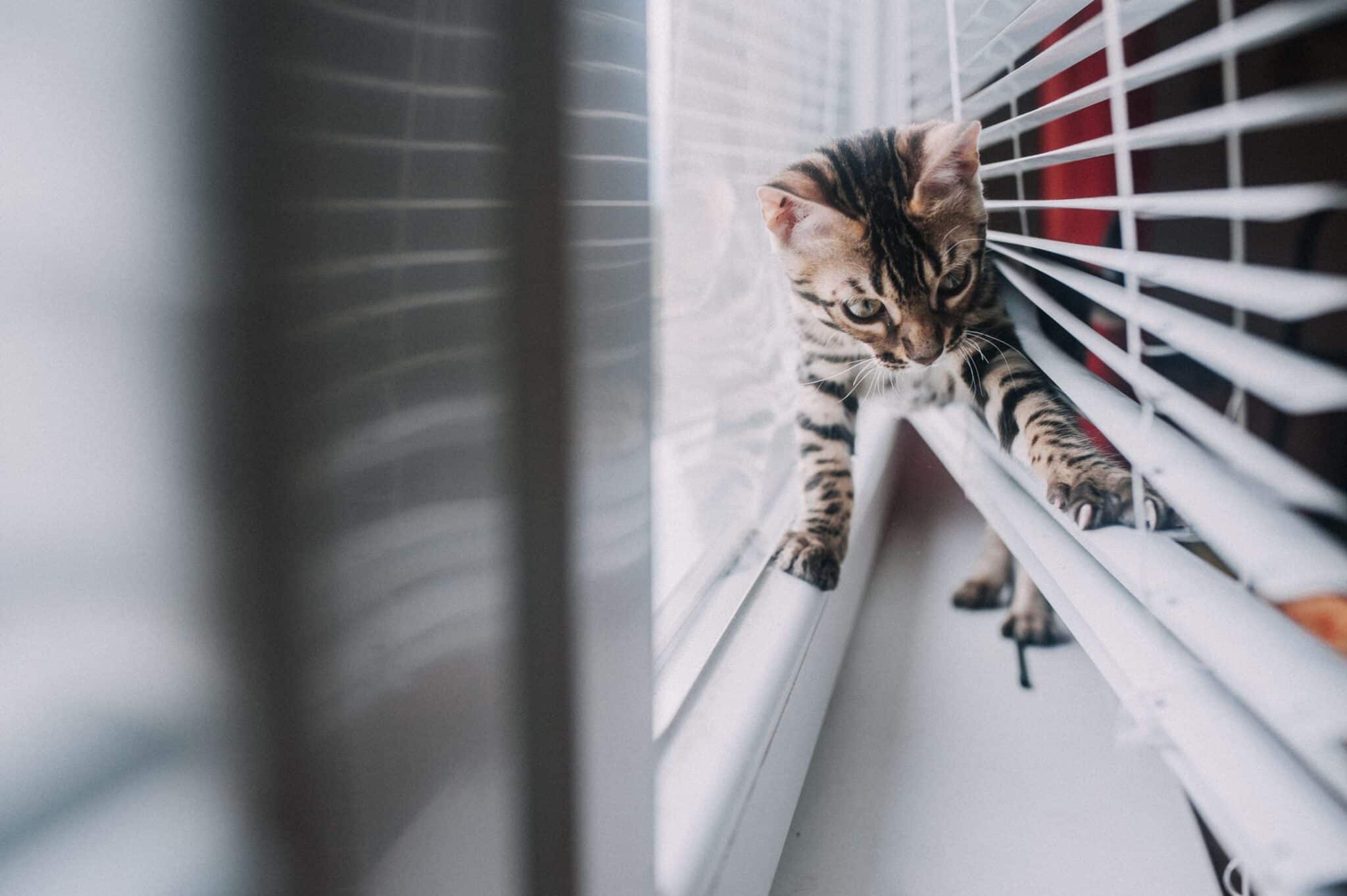
Vertical Territory Requirements: In the wild, height equates to safety, surveillance, and hunting advantage. Domestic breeds with strong climbing instincts—such as Abyssinians, Bengals, and Somalis—view floor-level living as inadequate. Their ascent to high shelving and refrigerator tops is an instinctive expression of territorial surveying.
Breed-by-Breed Behavioral Profiles
Breed
Primary Characteristic
Common Mischievous Behavior
Recommended Management Strategy
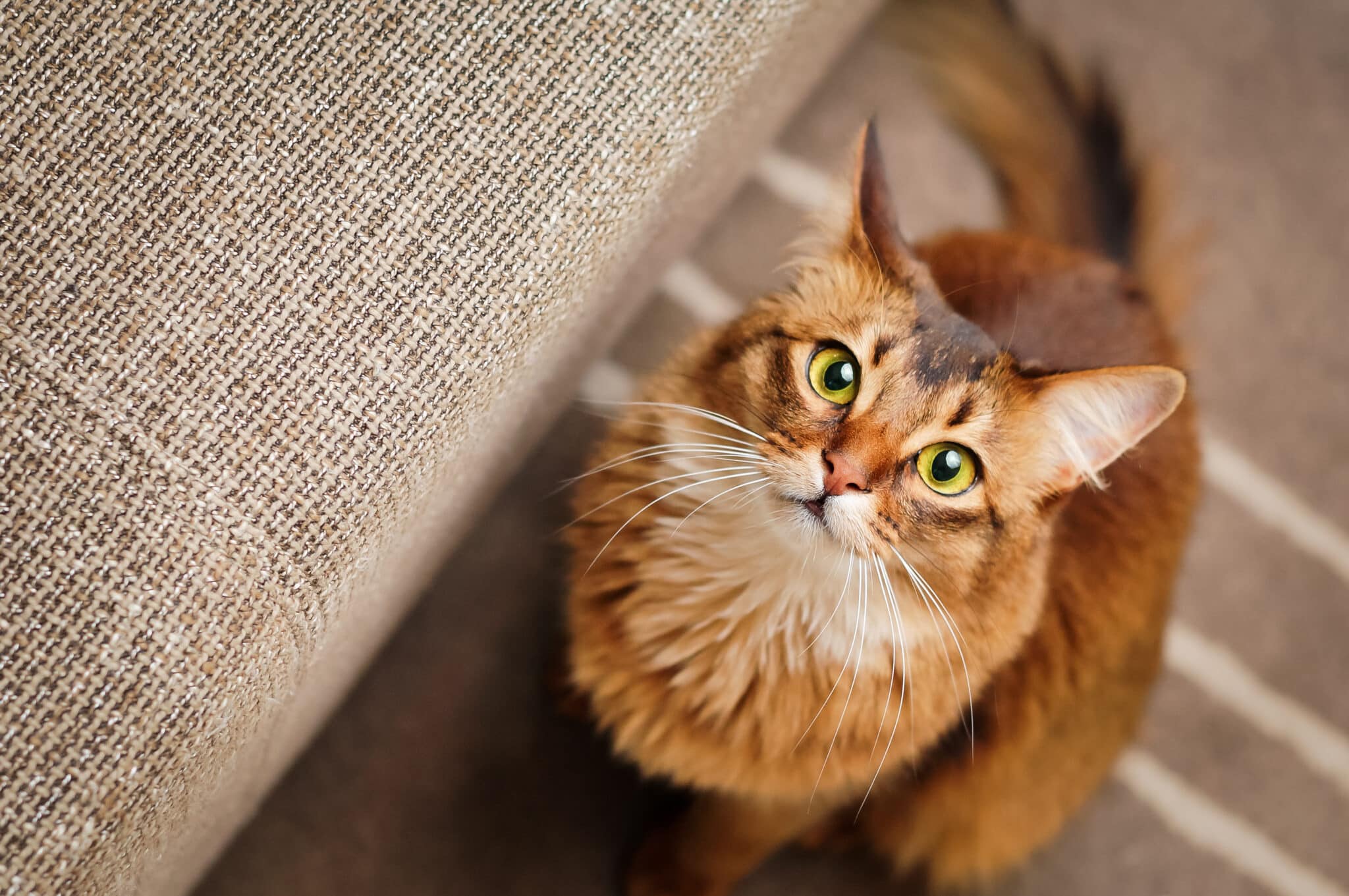
Abyssinian
Relentless Explorer
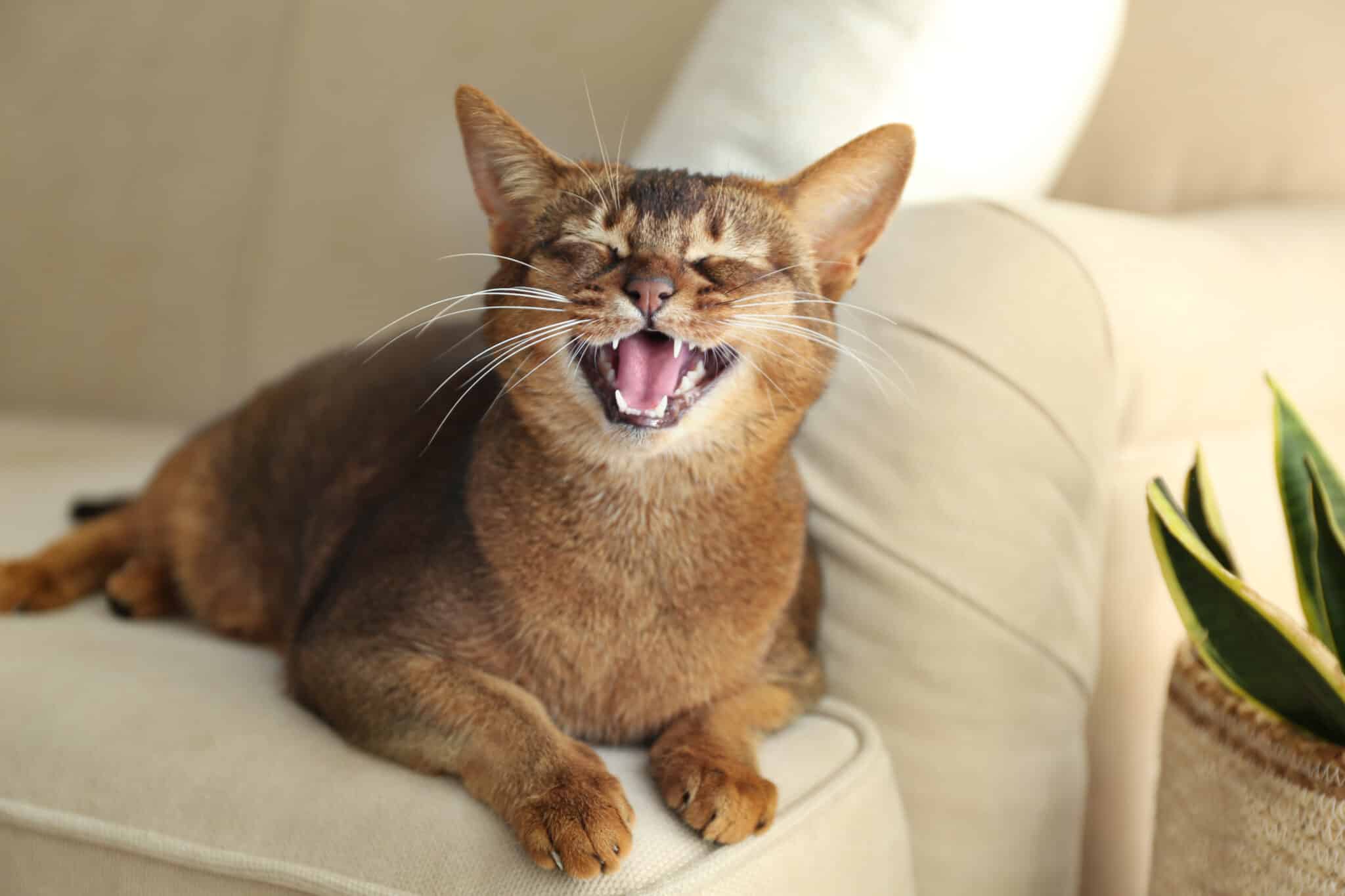
Investigating high shelves and open drawers
Tall cat trees, puzzle feeders, interactive play
Bengal
High-Energy Athlete
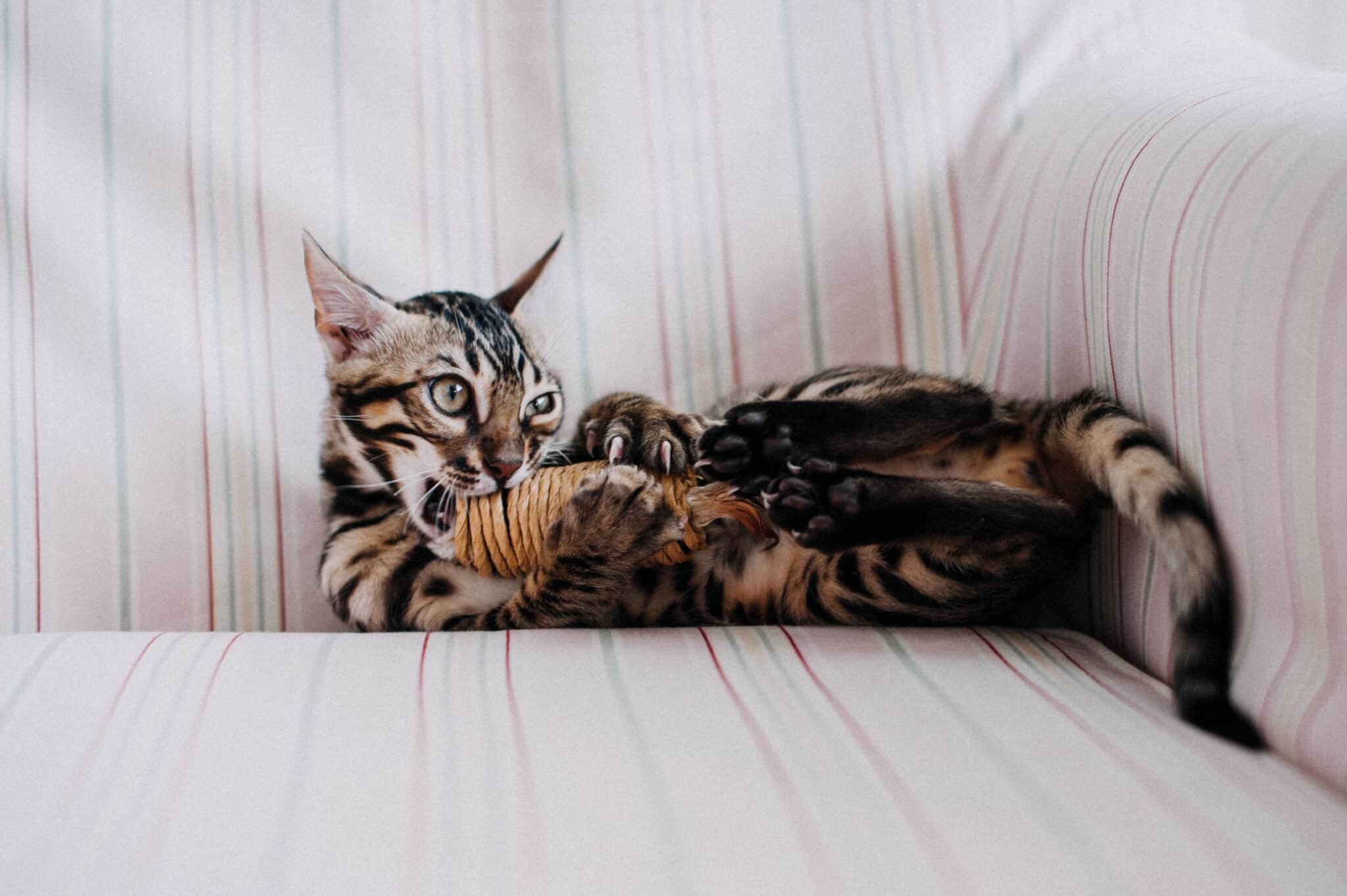
Opening cabinets, playing with running water
Cat wheels, complex climbing structures, clicker training
Siamese
Vocal & Interactive
Demanding attention, opening doors
Regular conversational engagement, rotating toy selection
Maine Coon
Gentle Giant
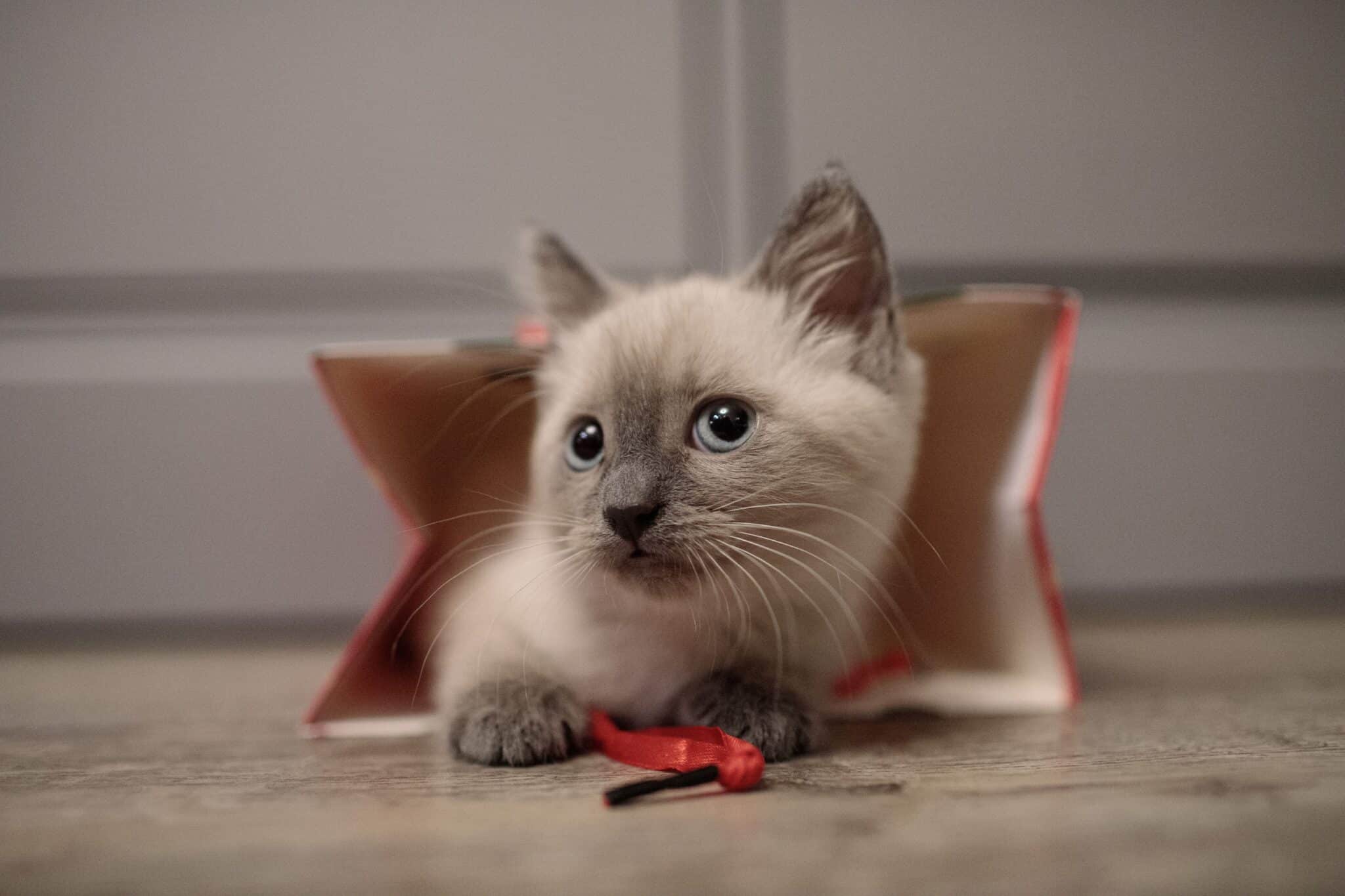
Inspecting boxes, knocking over glasses with large paws
Heavy-duty scratching posts, spacious activity zones
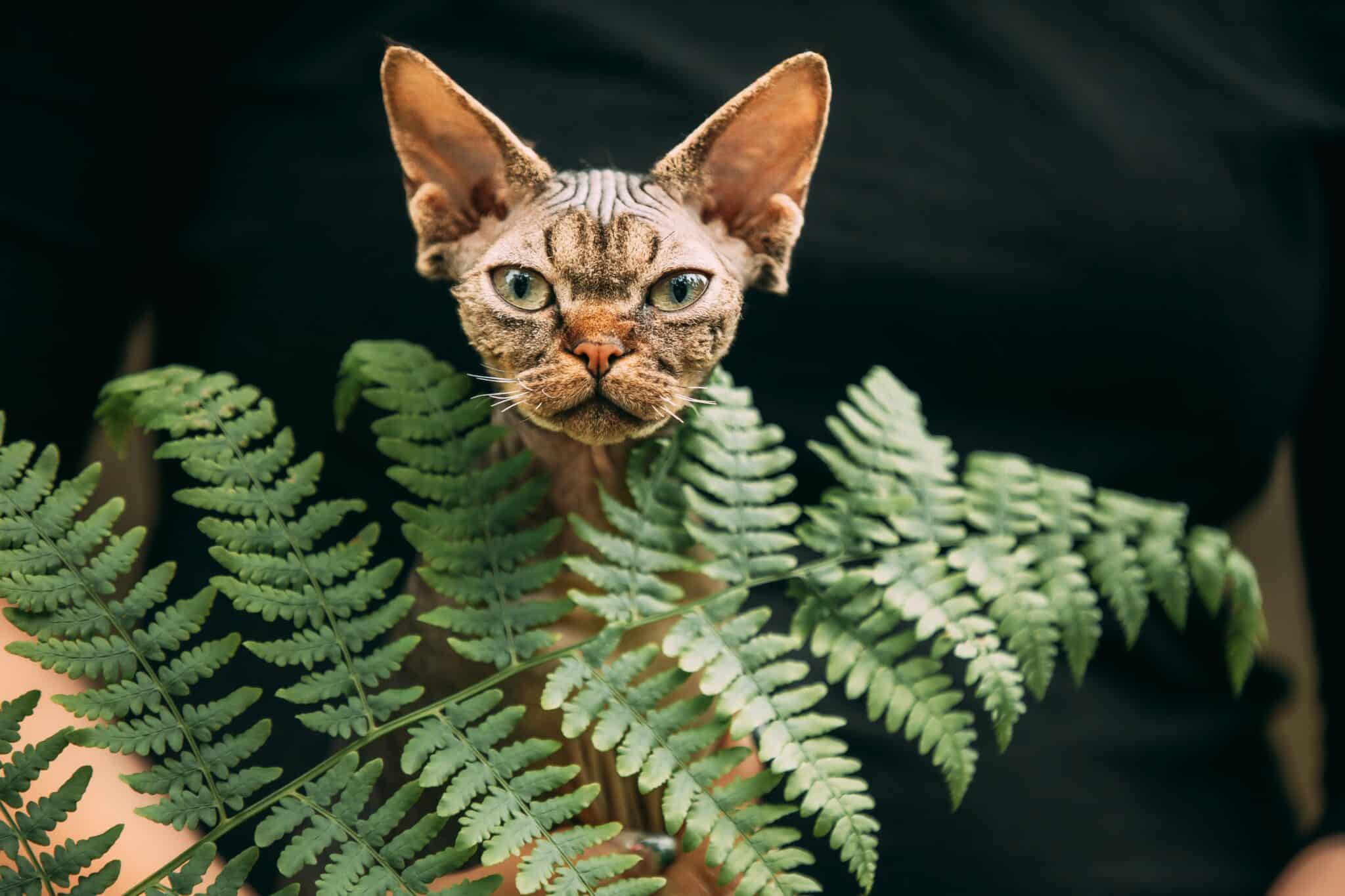
Sphynx
Social Seeker
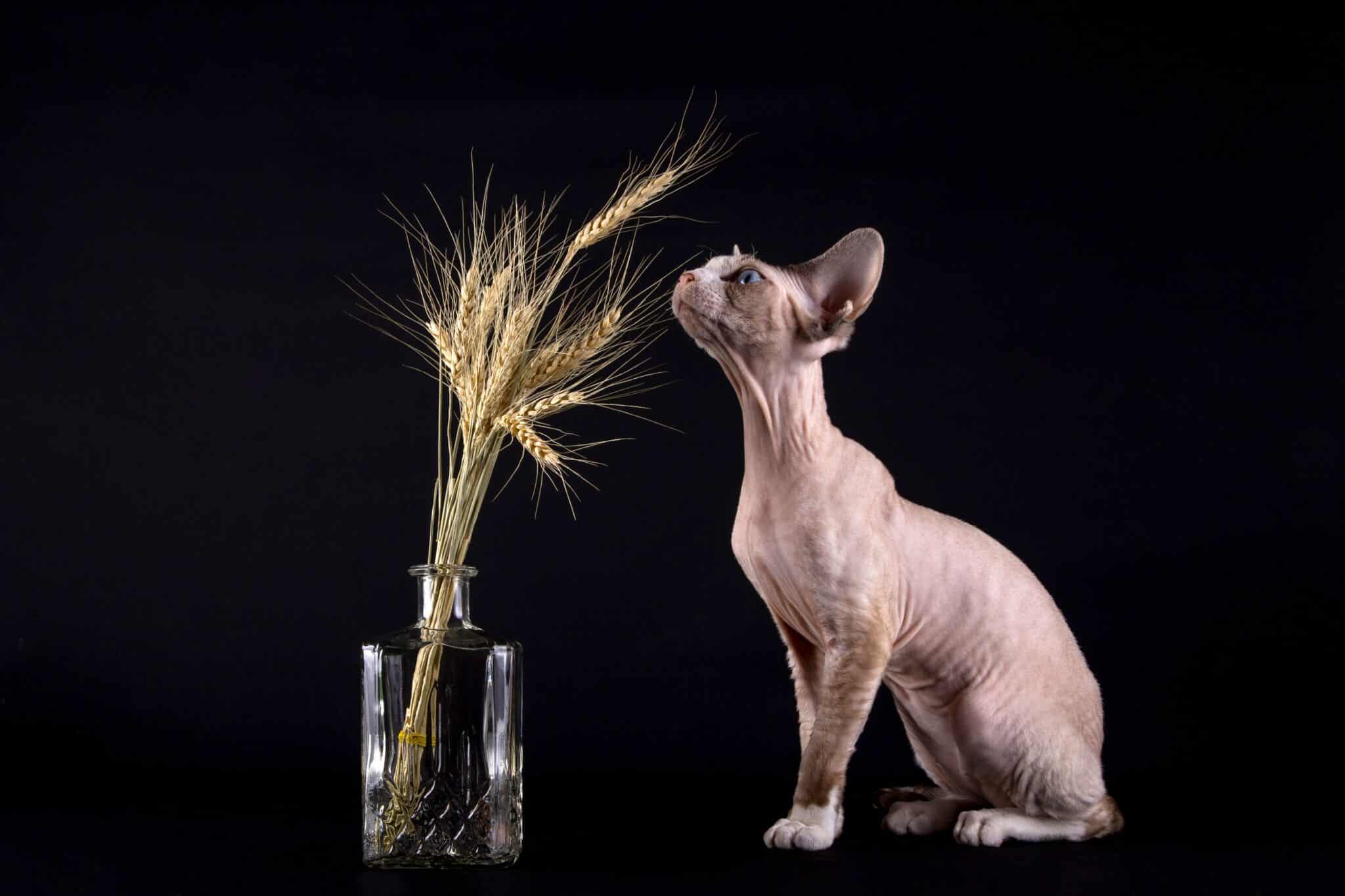
Following humans, climbing desks, investigating laundry
Animal behaviorists and veterinary professionals emphasize that understanding the root cause of feline mischief is essential for maintaining a harmonious human-animal bond.
"When a client reports that their cat is ‘destructive’ or ‘bad,’ our first clinical step is to reframe that narrative," notes Dr. Elena Vance, a board-certified veterinary behaviorist. "What owners perceive as malicious disruption is almost universally a healthy animal desperately trying to express normal biological instincts in an environment that lacks sufficient outlets. An Abyssinian climbing a kitchen hood or a Bengal opening a pantry door isn’t misbehaving—they are solving problems because their brilliant minds demand employment."
Shelter medicine specialists also highlight that mismatched expectations are a leading cause of behavioral surrender.
"People fall in love with the striking coat of a Bengal or the playful charm of a Siamese, but they underestimate the time commitment required to keep these animals mentally stimulated," explains Marcus Chen, director of feline welfare operations. "Education is our best tool. When owners invest in environmental enrichment—like vertical highways, puzzle feeders, and scheduled interactive play sessions—the ‘troublemaker’ transforms into an engaging, deeply rewarding companion."
Veterinary organizations stress the importance of health considerations when evaluating sudden changes in activity or behavior. What appears to be playful mischief can occasionally signal underlying medical issues, such as hyperthyroidism in older high-energy breeds or cognitive dysfunction syndrome. Routine veterinary oversight remains paramount.
Future Outlook: The Next Generation of Feline Enrichment
As our understanding of feline psychology continues to evolve, the approach to managing high-energy, mischievous cat breeds is undergoing a technological and architectural revolution. The future of domestic cohabitation with dynamic cats relies on proactive, sophisticated environmental design.
1. Smart Enrichment and Automation
The pet technology sector is increasingly catering to high-IQ breeds through automated puzzle feeders, programmable laser toys, and app-controlled motion devices that activate while owners are away at work. These tools prevent the boredom that frequently triggers creative household disruptions.
2. Integrated Architectural Design
Modern interior design is shifting toward "catification"—the deliberate integration of feline pathways into human living spaces. Architects and interior designers are creating hidden wall bridges, recessed perches, and seamless climbing structures that satisfy the vertical and exploratory needs of breeds like the Abyssinian, Somali, and Bengal without compromising aesthetic appeal.
3. Positive Reinforcement and Agility Training
More cat owners are utilizing clicker training and feline agility courses to channel high-energy drives into structured learning. By teaching cats complex commands, retrieval games, and obstacle navigation, owners provide the intense mental stimulation these breeds crave, successfully redirecting their mischievous impulses into cooperative teamwork.
Ultimately, living with an inquisitive, high-energy cat breed is an exercise in mutual adaptation. By recognizing that curiosity is a testament to intelligence and vitality, owners can replace frustration with creative solutions—ensuring that household adventures remain a source of joy rather than distress.