
Executive Overview
To live with a domestic cat is to accept an unwritten contract: moments of serene, statuesque elegance will inevitably be punctuated by sudden, gravitational audits. Whether it is a half-full glass of water sliding off a mahogany coffee table, a set of paws darting into a half-zipped suitcase, or a midnight sprint across a delicate mattress, cats have a rare capacity to turn the domestic sphere into an obstacle course.
While common cultural narratives often paint felines as lazy, aloof creatures content to sleep eighteen hours a day on a sunlit patch of carpet, a distinct subset of breeds defies this lazy stereotype. Driven by outsized intelligence, tireless energy, high-octane curiosity, and sophisticated predatory instincts, these cats do not merely inhabit a home—they actively audit, reconfigure, and investigate it.
Far from being malicious, this behavior is a manifestation of unspent evolutionary drive. When modern domestic environments fail to challenge a hyper-intelligent cat’s mind or body, nature inevitably fills the vacuum. This investigative report examines thirteen specific cat breeds renowned for their mischievous brilliance. By examining their physiological traits, behavioral motivations, and structural needs, we uncover why these breeds push boundaries and how modern pet guardianship can successfully redirect their chaotic creativity into safe, harmonious enrichment.
Detailed Chronology: The Evolution of the Domestic Household Inquisitor
To understand why certain felines behave like relentless investigators, we must look at the historical timeline of domestication and selective breeding. Unlike dogs, which were largely selected for cooperative working roles (herding, retrieving, guarding), cats were historically drafted into a single, highly specialized task: pest control.
Phase I: The Functional Agrarian Era (Ancient Origins to Early 20th Century)
In early agricultural societies, cats that excelled were those with the highest predatory drive, fastest reflexes, and most insatiable curiosity. Felines that stayed put in the barn missed rodents; those that explored every dark corner, climbed every rafter, and tested every boundary survived and thrived. Breeds like the Manx (originating on the isolated Isle of Wight) and early landrace forms of the Siamese and Abyssinian were shaped by survival pressures that demanded supreme agility, problem-solving skills, and environmental mastery.
Phase II: The Pedigree Standardization Era (Mid-to-Late 20th Century)
As urbanization reduced the need for working barn cats, cat fanciers began formalizing distinct breeds based on aesthetic and behavioral anomalies. Breeders intentionally preserved traits such as high-energy vocalization (Siamese), extreme athleticism (Abyssinian and Cornish Rex), and striking wild-type appearances (Bengal). Crucially, breeders often selected for intelligence and human-oriented sociability. A cat that could figure out how to open a lever-style door handle or demand attention by tapping a human’s shoulder was seen as exceptionally charming.
Phase III: The Modern Indoor Era (21st Century to Present)
Today, these high-drive breeds find themselves living in closed, secure indoor environments. While this protects them from external hazards, it creates a profound evolutionary mismatch. A Bengal or an Oriental Shorthair bred for high-speed tracking and complex spatial navigation is suddenly asked to spend its days staring at living room walls. The modern cat’s "mischief"—opening cabinets, turning on faucets, knocking over items—is simply the historical hunting and exploring instinct adapting to contemporary drywall and kitchen tile.
Supporting Context & Metrics: The Anatomy of Feline Curiosity
Feline mischief is not random; it is driven by hardwired neurological and physical adaptations. Understanding the metrics behind these behaviors helps explain why certain breeds are more prone to turning a quiet afternoon into a household investigation.
- Neurological Density & Problem-Solving: High-energy breeds possess a greater density of neurons dedicated to spatial awareness and tactile exploration. Studies in feline cognition show that cats form mental maps of their environment through touch and manipulation. When a cat paws at an object, it is conducting a rudimentary physics experiment to test weight, texture, and movement.
- Vertical Domain Utilization: Breeds like the Abyssinian, Somali, and Bengal possess exceptionally long, powerful hind legs and flexible spines. Anatomical metrics reveal that these cats can leap up to five to six times their standing height in a single bound, giving them access to high cabinets, refrigerator tops, and crown molding that other breeds cannot reach.
- Sensory Input Requirements: Hairless breeds like the Sphynx or fine-coated breeds like the Cornish Rex process tactile information differently. Because their skin is more exposed, they actively seek out warm surfaces, textured fabrics (such as laundry baskets), and human contact, frequently leading them into drawers and blankets.
Breed Profiles: The Thirteen Masterminds of Household Chaos
1. Abyssinian
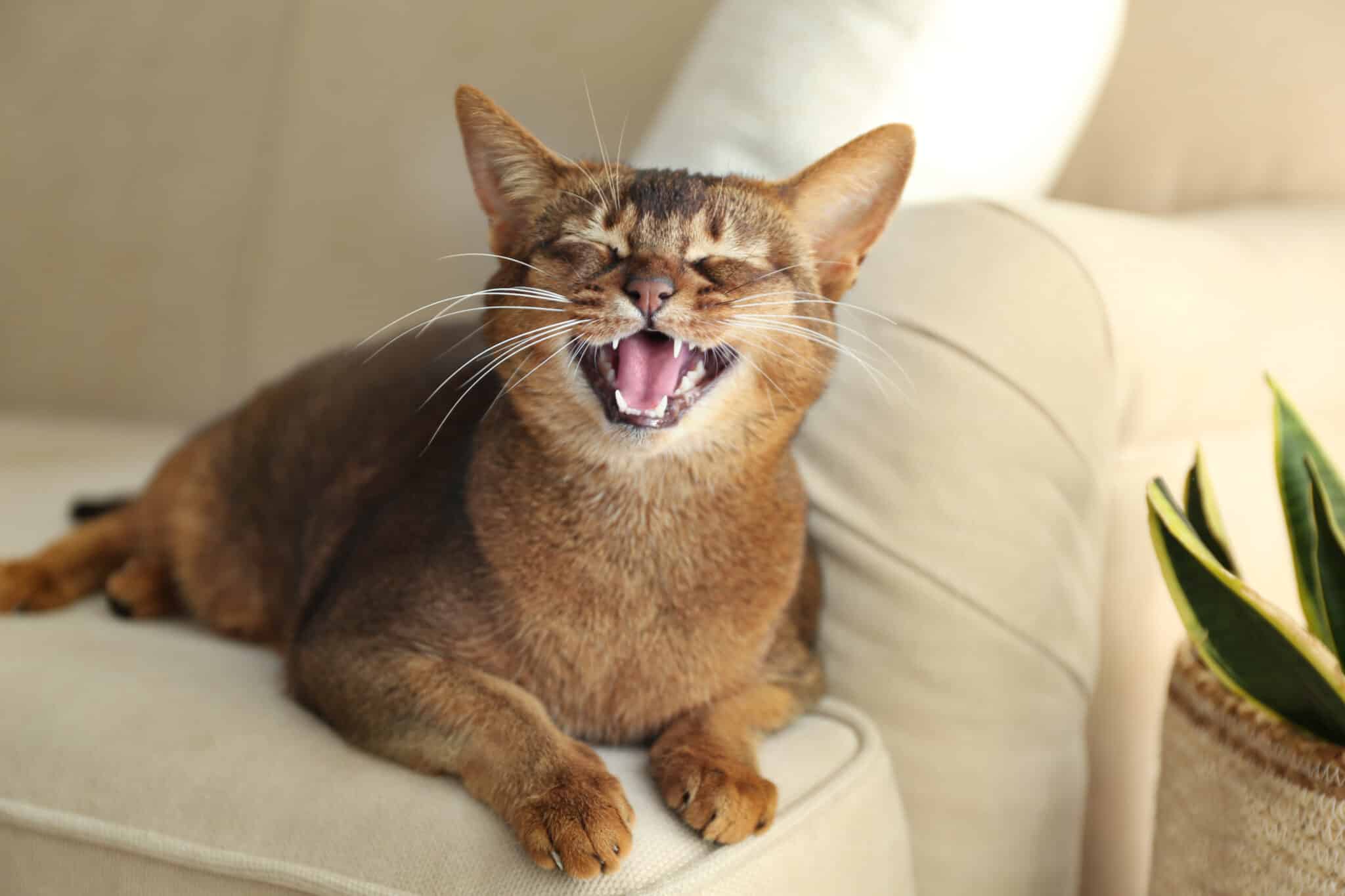
The Abyssinian is a natural explorer wrapped in a ticked, ruddy coat that mimics the wild African wildcat. Possessing an athletic, lithe frame and an insatiable appetite for discovery, an Abyssinian left alone for even a few minutes will likely be found supervising the highest shelf in the room or inspecting the contents of an open bathroom drawer. Their curiosity is fueled by boundless energy. Without interactive toys, puzzle feeders, and vertical real estate, Abyssinians invent their own entertainment, turning quiet living spaces into vertical obstacle courses.
2. Bengal
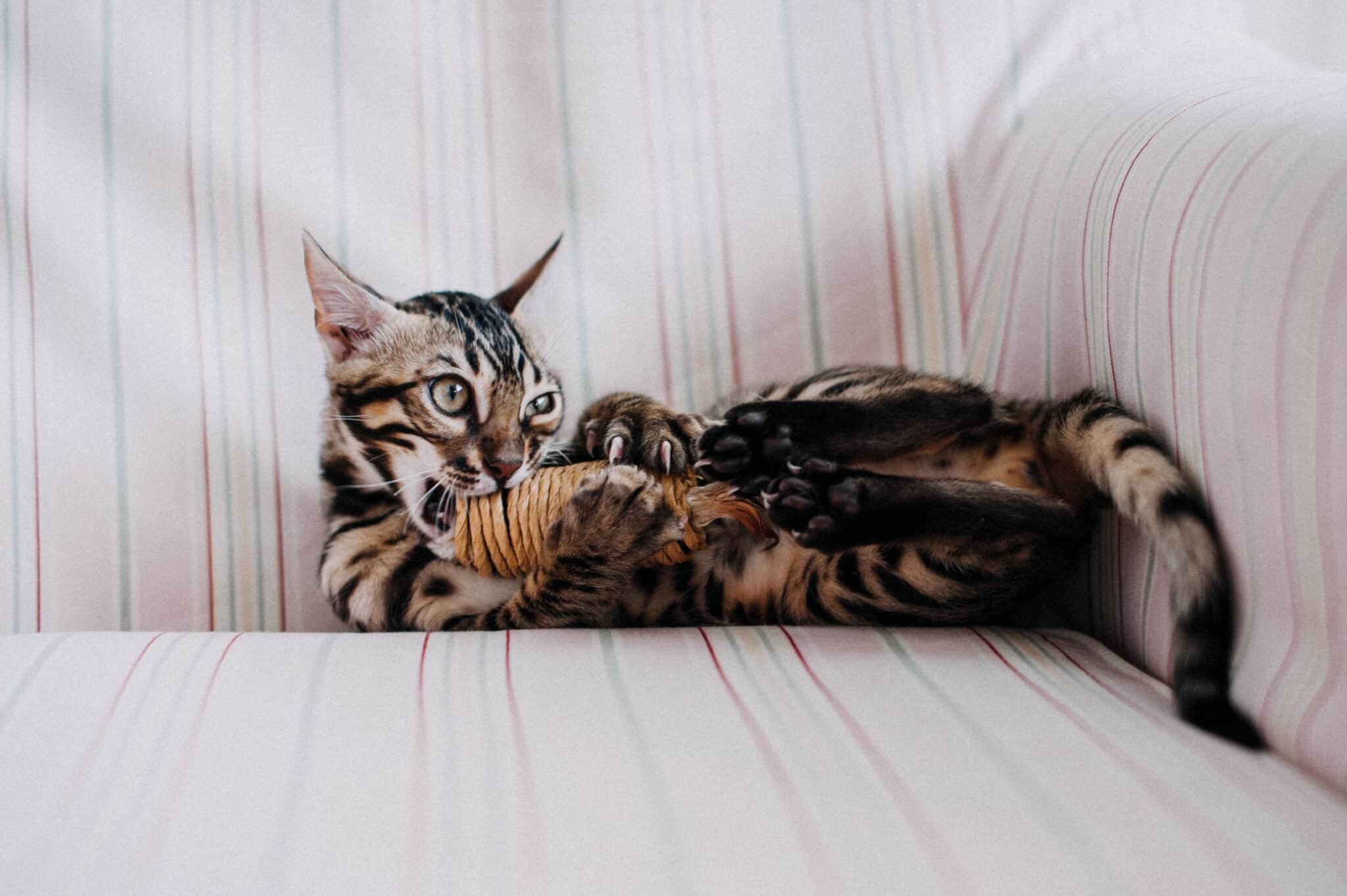
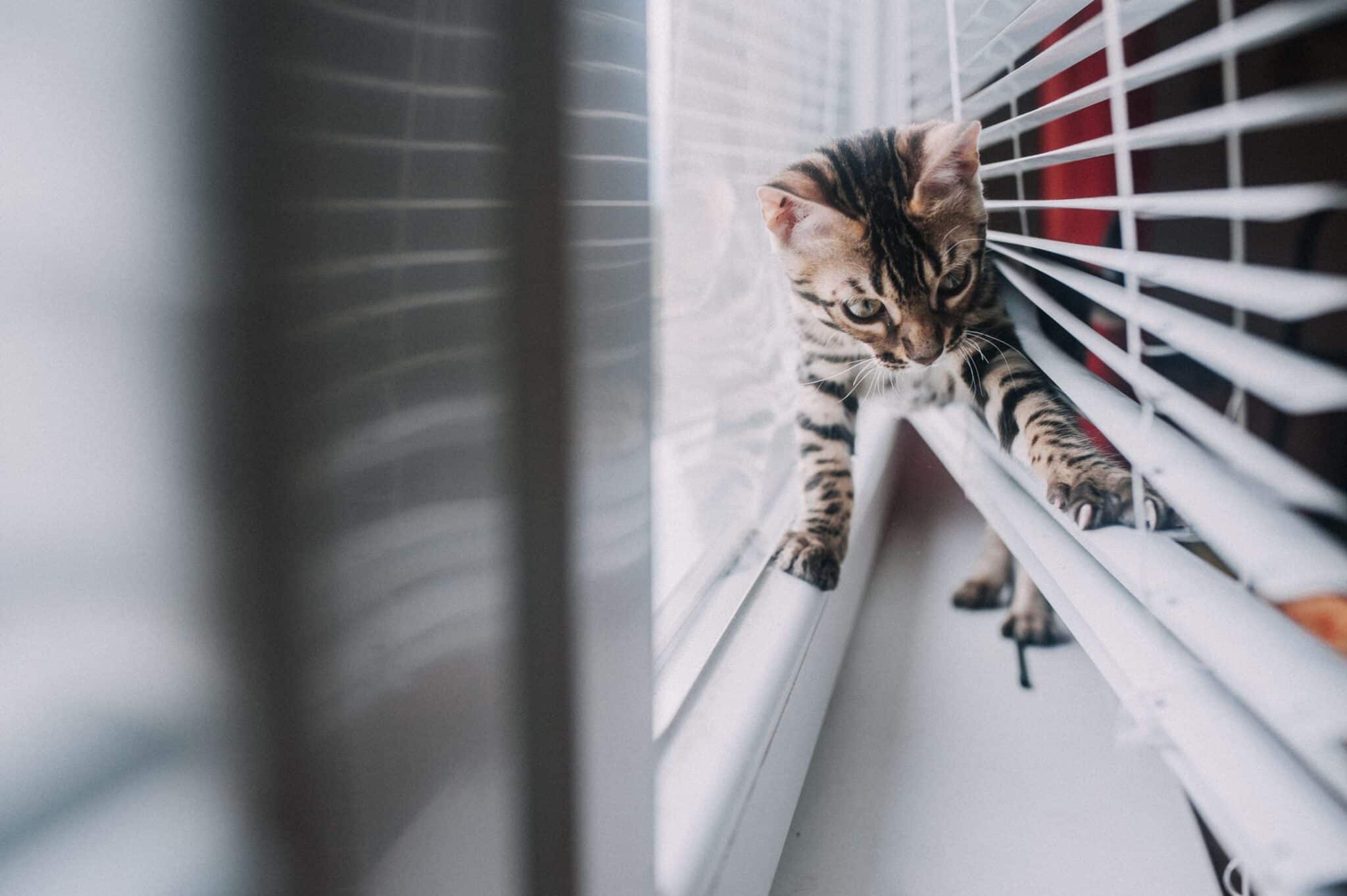
With striking spotted or marbled coats and muscular, leopard-like bodies, Bengal cats look ready to hunt even when resting. Their high intelligence and extraordinary energy make them legendary problem-solvers. A Bengal can easily figure out how to slide open a cabinet door, bat repeatedly at a dripping faucet to study water dynamics, or turn a stray hair tie into an elaborate hunting expedition. Without substantial daily play and environmental engagement, a Bengal’s frustration can manifest in destructive behaviors.
3. Siamese
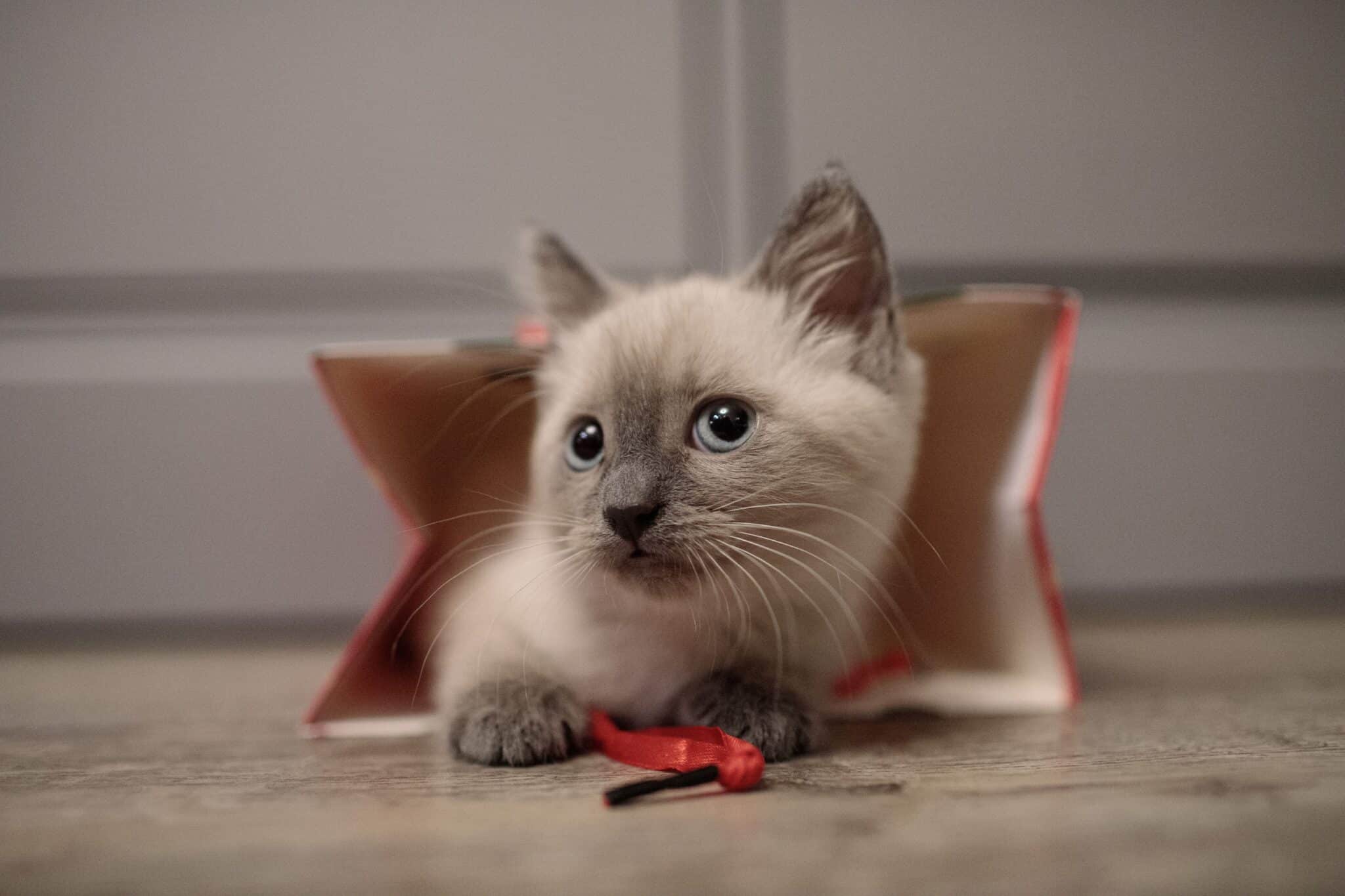
Famed for their striking color points, angular features, and piercing blue eyes, Siamese cats are exceptionally social, highly intelligent, and famously vocal. They do not just observe household life—they demand to participate in it. A Siamese will relentlessly paw at closed doors, inspect every grocery bag that crosses the threshold, and vocalize beside treat cupboards. Because they quickly learn which behaviors secure human attention, their antics are often calculated performances designed to engage their favorite people.
4. Maine Coon
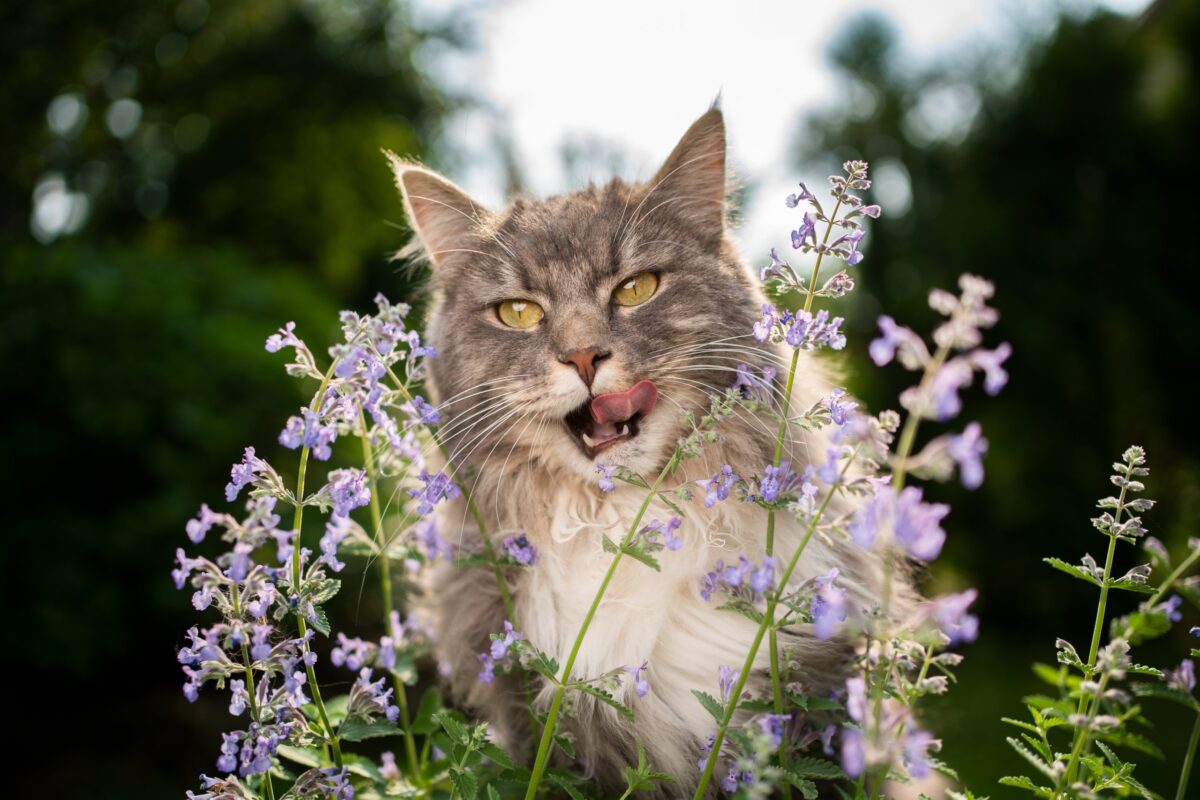
Despite their massive size and majestic, fluffy ruffs, Maine Coons retain a kitten-like playfulness well into adulthood. These gentle giants are notorious for investigating cardboard boxes, following family members from room to room, and batting at small objects with oversized, heavy paws. Because of their physical stature, a casual investigation of a glass of water or a kitchen counter can have dramatic, splashy consequences. Sturdy cat trees and spacious play areas help channel their immense strength safely.
5. Sphynx
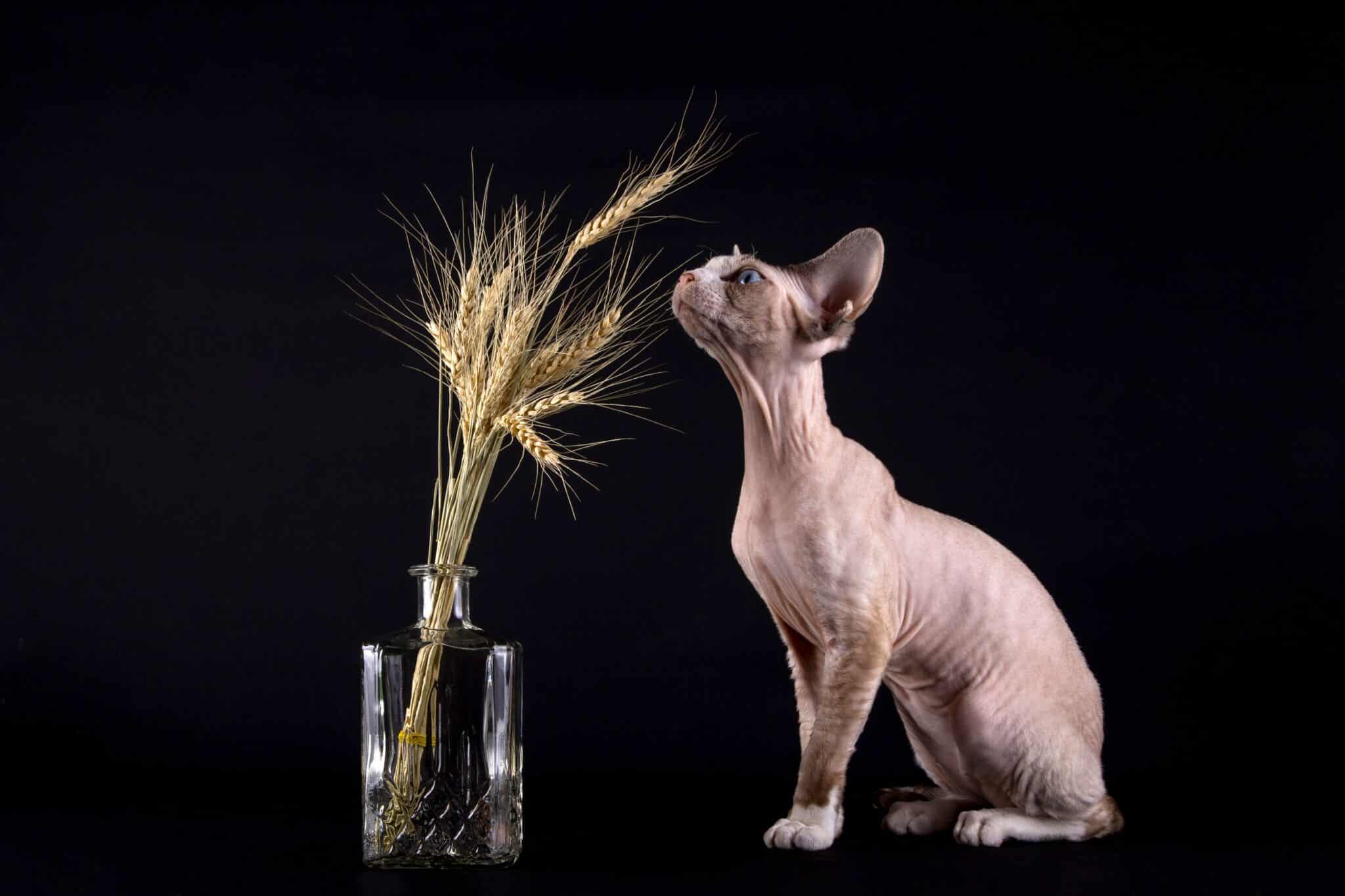
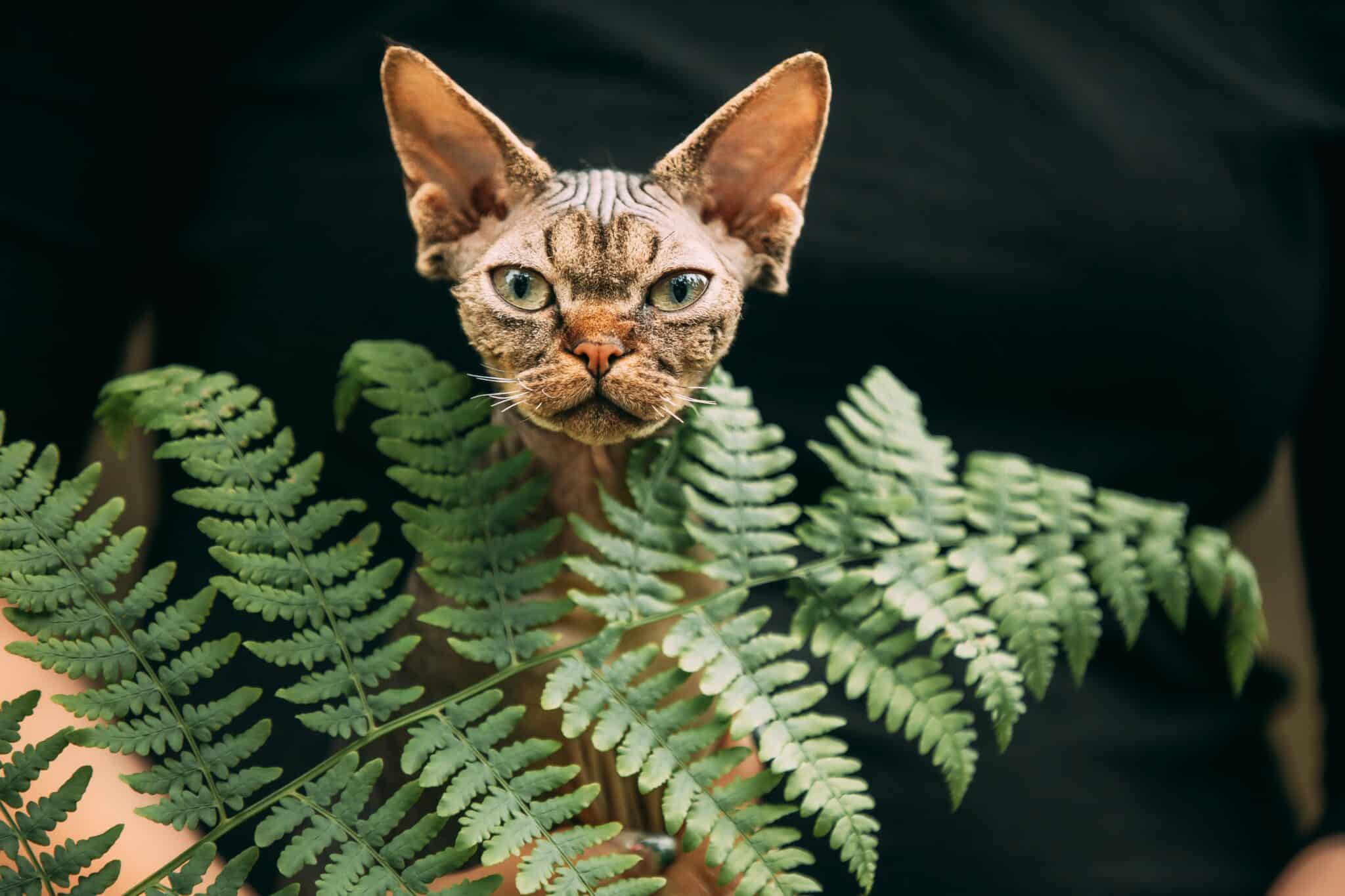
Instantly recognizable by their hairless skin, prominent cheekbones, and oversized ears, Sphynx cats possess a lively, velcro-like personality. They must be involved in every household activity, from inspecting newly delivered packages to climbing onto desks during remote work meetings. Because they lack a fur coat, they actively seek warm microclimates, such as freshly dried laundry baskets, warm computer keyboards, and sunny window sills, blending social curiosity with a quest for thermal comfort.
6. Turkish Van
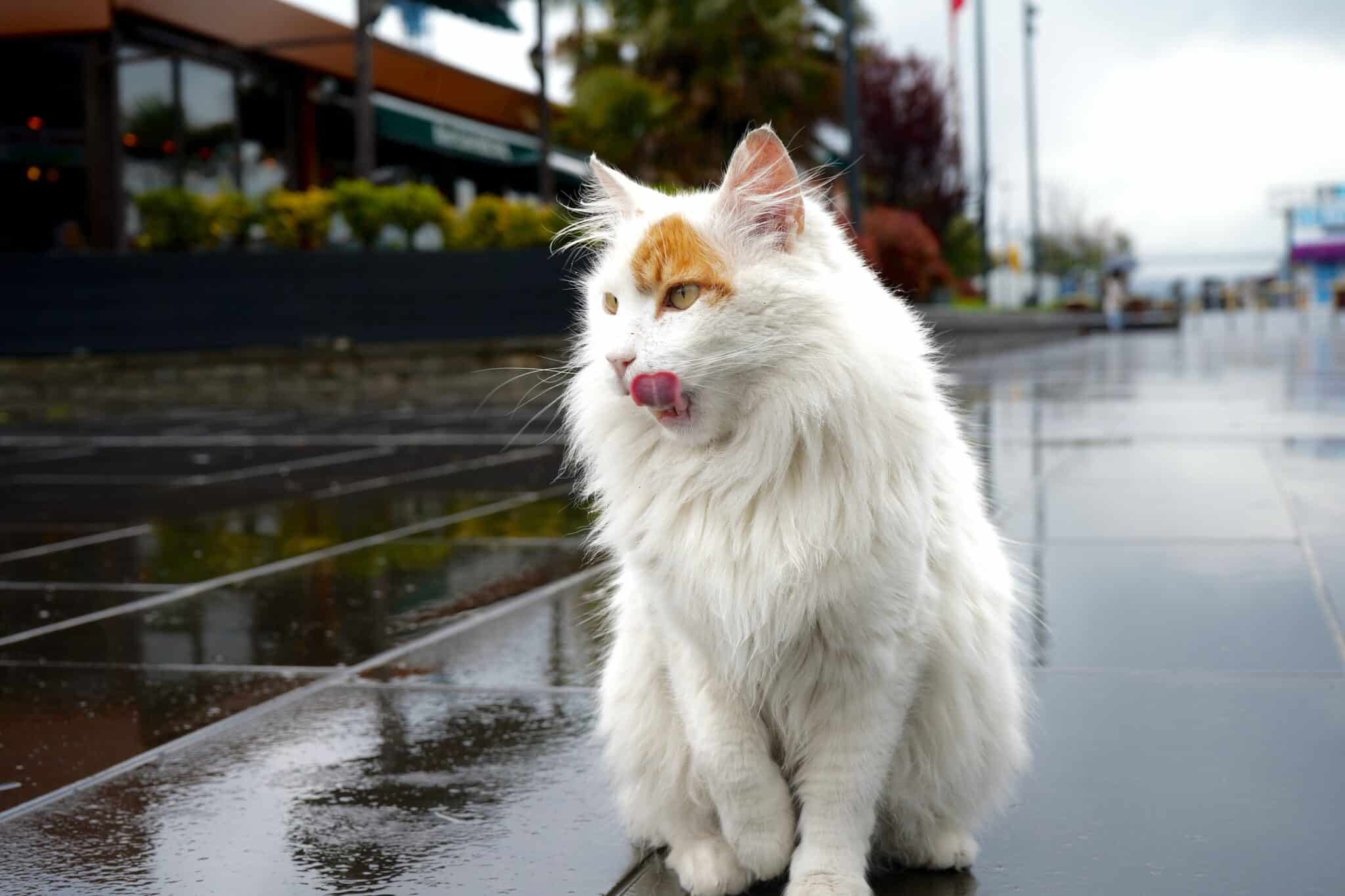
Often referred to as the "swimming cat," the Turkish Van possesses an unusually water-resistant coat, a powerful, athletic build, and a deep fascination with running water. A Turkish Van may stand by a running bathroom faucet, dip a paw into a water bowl with scientific concentration, or splash water across a kitchen floor. Beyond their aquatic hobbies, they are powerful climbers who require secure, supervised kitchen and bathroom routines to prevent unexpected household floods.
7. Cornish Rex
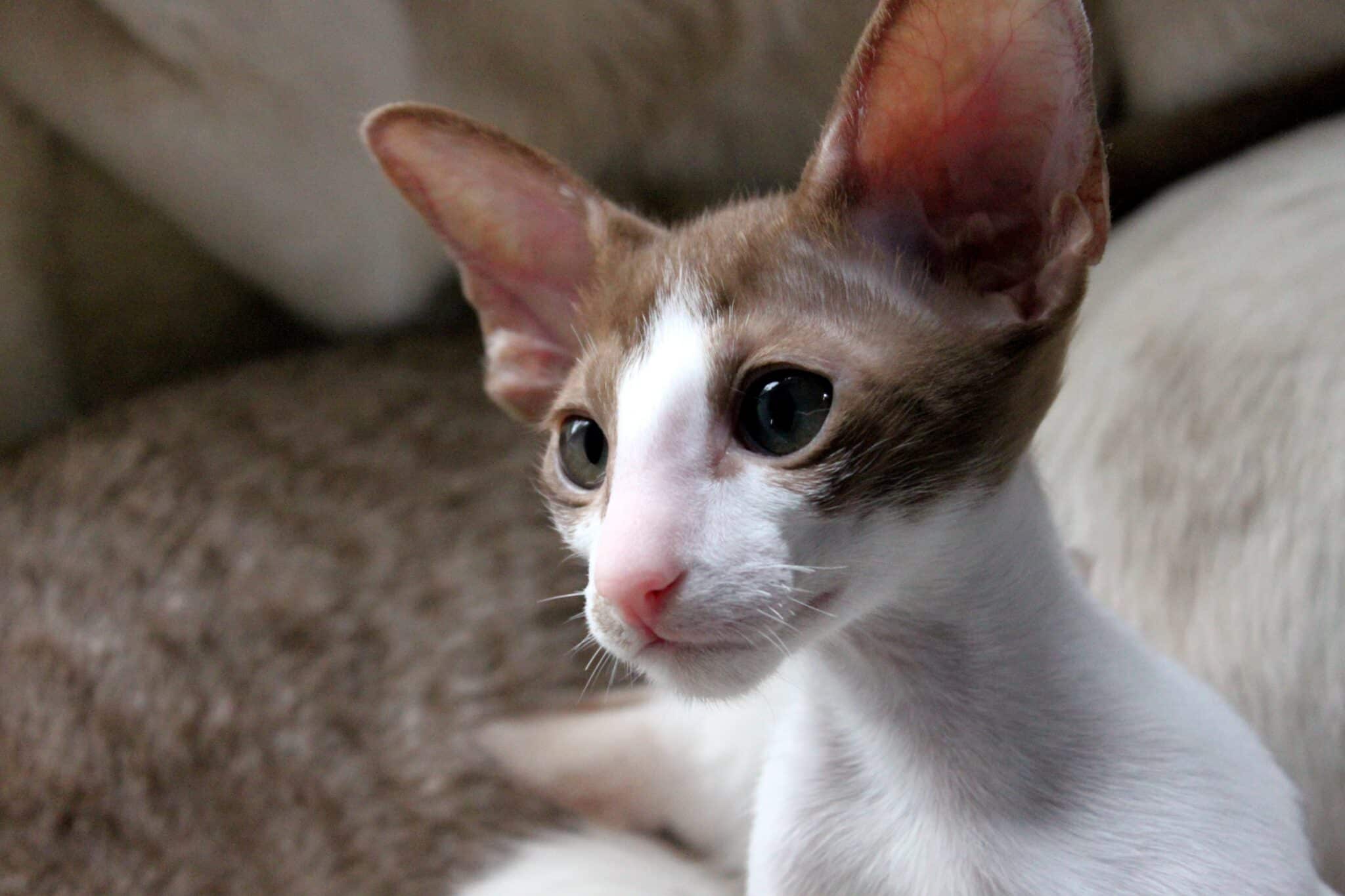
Characterized by a slender, whippet-like silhouette, oversized ears, and a uniquely soft, wavy coat, the Cornish Rex is a perpetual motion machine. They love to run, leap, and chase anything that moves—whether it is a rolling pen, a loose receipt, or a dangling cord. Their lightning-fast reflexes and endless stamina mean play sessions often escalate into acrobatic spectacles. Mentally, they require constant stimulation to stave off the boredom that breeds mischief.
8. Devon Rex
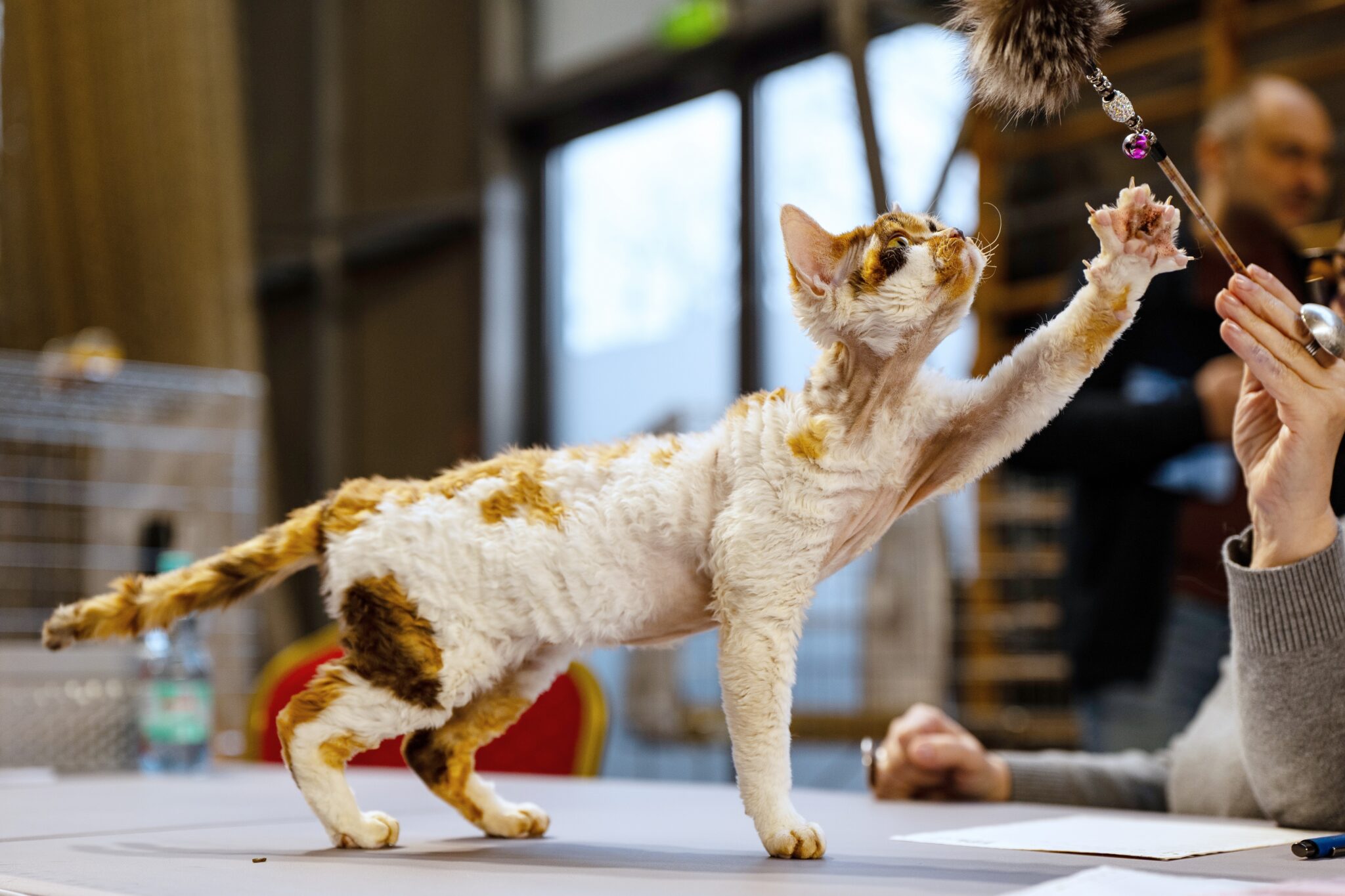
The Devon Rex features large pixie ears, wide-set eyes, and a mischievous expression that accurately mirrors its personality. These cats are keen to remain at the center of household action, often riding around on human shoulders, exploring deep bags, or turning an unattended pile of laundry into an improvised fort. Their sharp intelligence means yesterday’s toys will not hold their interest today, making environmental rotation essential for keeping their inquisitive minds occupied.
9. Somali
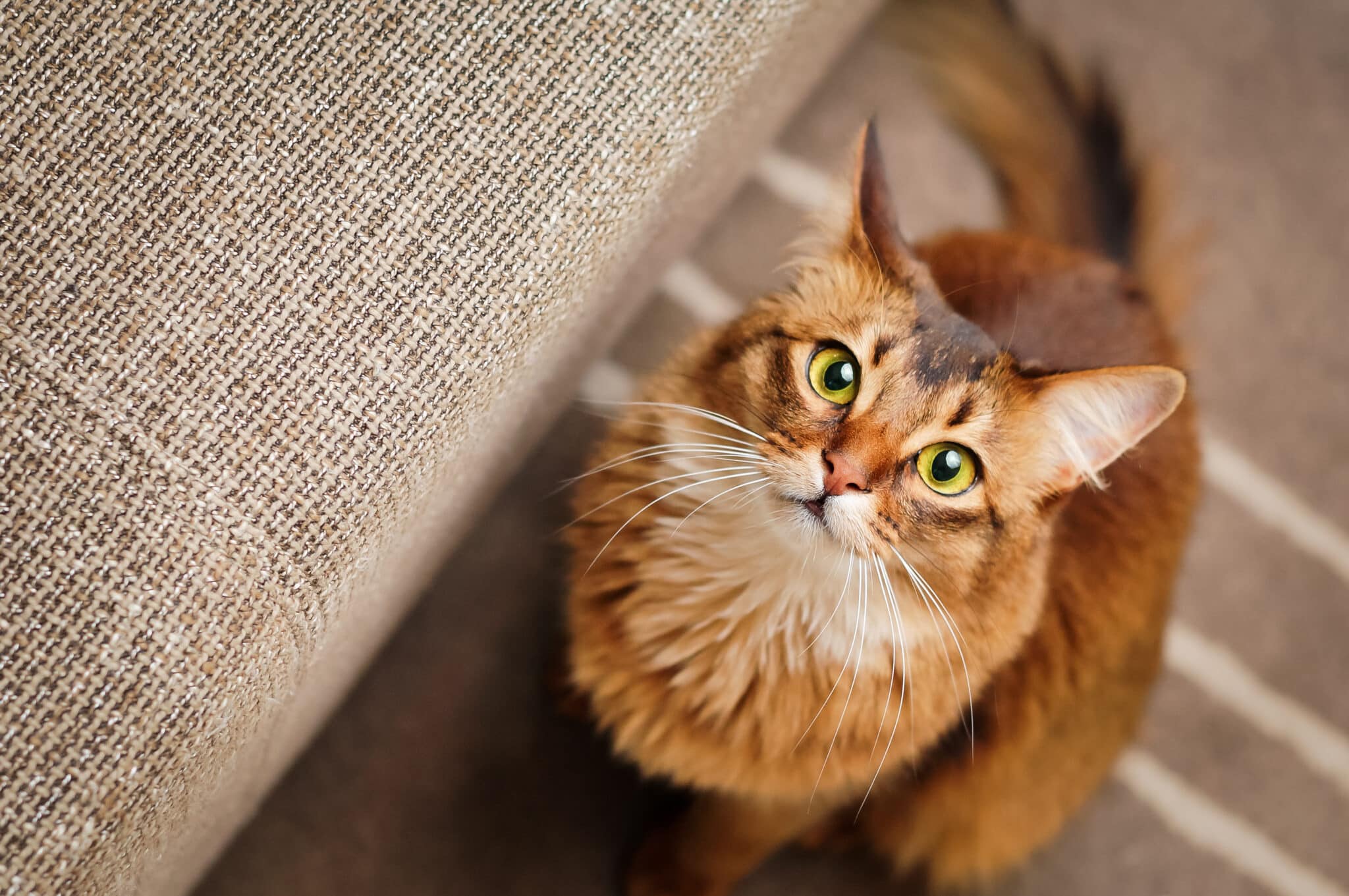
Closely related to the Abyssinian, the Somali combines a stunning, bushy coat with an athletic body and a brilliant mind. They rarely sit still for long. An unattended cupboard, a rolling toy, or a fluttering curtain easily captures their attention. Somalis thrive on complex challenges and interactive games. Without varied mental stimulation, their talent for climbing and exploring can lead them into hard-to-reach places across the home.
10. Oriental Shorthair
With long, elegant bodies, large ears, and sleek coats, Oriental Shorthairs are intensely social, vocal, and mentally demanding. They master household routines with frightening speed, often appearing at a door or cabinet before their humans even realize what they are planning. Their need for constant companionship and mental engagement means they will actively insert themselves into work, cooking, and leisure activities, frequently walking across keyboards or nudging busy hands.
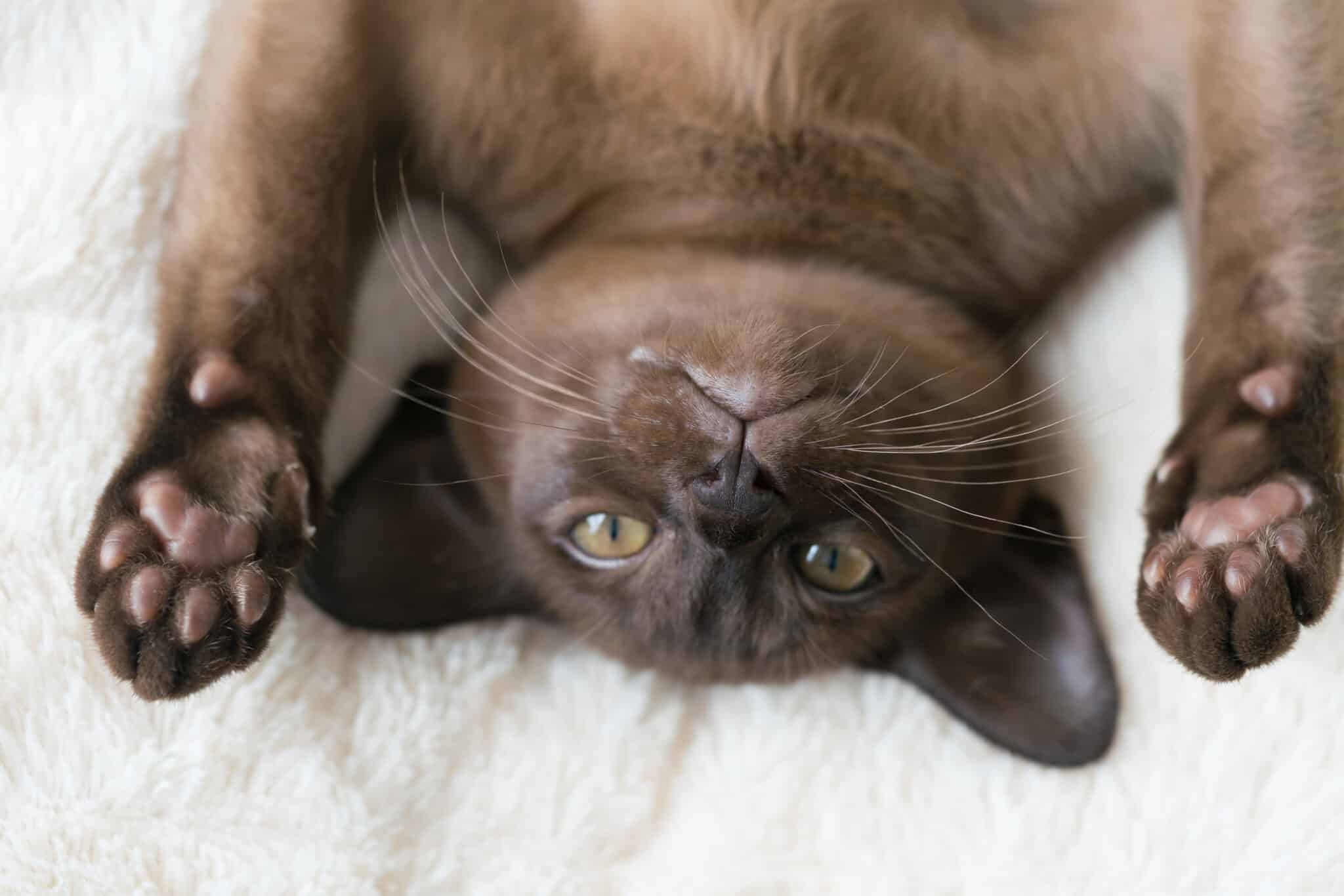
11. Burmese
Burmese cats are deeply affectionate, people-oriented, and maintain a kittenish sense of fun throughout their lives. Their desire to be involved in every domestic activity often places them directly underfoot or on top of active projects. Whether they are climbing onto a desk during a high-stakes video call or batting a small toy across the hardwood floor, Burmese cats value interaction above all else and can grow restless if left isolated or under-stimulated.
12. Manx
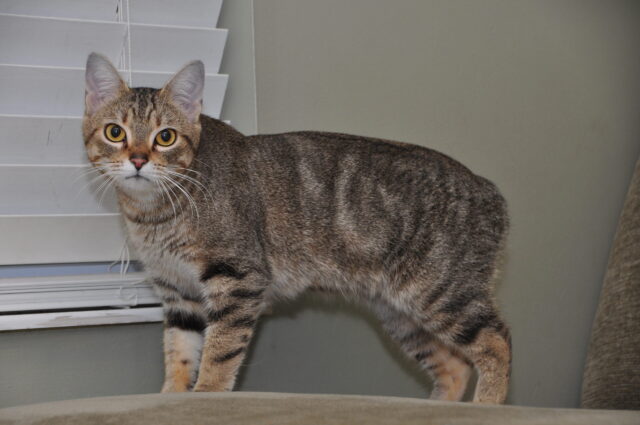
Famous for their rounded bodies, powerful hind legs, and characteristic lack of tails, Manx cats are robust, intelligent, and deeply curious. Their strong hunting instincts and love for exploration mean they frequently investigate unattended bags, bat small objects under heavy furniture, or perch on chairs to oversee household tasks. Providing puzzle feeders and interactive toys helps channel their clever impulses into rewarding games.
13. Scottish Fold
Recognizable by their folded ears and owl-like faces, Scottish Folds combine a sweet, gentle disposition with a surprisingly curious streak. They love investigating shopping bags, testing open drawers, and examining new items introduced into their territory. However, because Scottish Folds are genetically predisposed to degenerative joint and cartilage conditions, their environment must be carefully managed to satisfy their curiosity without encouraging dangerous, high-impact jumps.
Official Statements & Expert Veterinary Insights
To gain a deeper perspective on how veterinary medicine views feline mischief, we turn to leading animal behaviorists and feline practitioners:
"When a cat knocks a pen off a desk or paws incessantly at a closed cupboard, owners often view it as disobedience or spite. From a veterinary behavioral standpoint, this is a complete misconception," explains Dr. Elena Vance, DVM, Dipl. ACVB. "These actions are active scientific experiments. The cat is testing cause-and-effect relationships within its territory. If the environment does not provide natural outlets for hunting, stalking, and problem-solving, the cat’s neurological drive will target whatever objects are available—whether that is a roll of toilet paper or a ceramic mug."
Furthermore, feline welfare organizations emphasize that punishment is counterproductive:
"Punishing a curious cat damages the human-animal bond and induces chronic stress," notes The Feline Welfare Coalition. "The most effective approach to managing high-energy, inquisitive breeds is proactive environmental enrichment. By introducing puzzle feeders, vertical territory, clicker training, and scheduled interactive play sessions, guardians can satisfy the cat’s innate need for exploration while preserving household harmony."
Future Outlook: The Next Generation of Feline Enrichment
As our understanding of animal cognition and welfare evolves, the way we manage high-energy cat breeds is undergoing a quiet revolution. The future of indoor cat guardianship is moving away from passive containment and toward active, species-appropriate stimulation.
- Smart Technology & Automated Enrichment: The pet tech sector is rapidly expanding to include automated, app-controlled laser toys, motion-activated puzzle feeders, and digital screens designed specifically for feline visual tracking. These tools help bridge the gap for indoor cats left alone during working hours.
- Architectural Integration in Interior Design: Modern home architecture is increasingly incorporating "catification"—custom wall shelves, integrated bridges, and hidden tunnels designed into cabinetry. This allows high-energy breeds like Bengals, Abyssinians, and Somalis to satisfy their evolutionary need for vertical supremacy without destroying human furniture.
- Personalized Cognitive Plans: Veterinary behaviorists are moving toward individualized enrichment regimens based on a cat’s specific breed profile and genetic heritage. By tailoring play styles—such as incorporating water play for Turkish Vans or complex fetch games for Abyssinians—guardians can mitigate behavioral issues before they start.
Ultimately, the mischievous cat is not a household nuisance; it is an ambassador of the wild spirit living inside our homes. By acknowledging their intelligence, respecting their need for exploration, and providing the structural tools they require, we transform unexpected household disruptions into moments of shared wonder and mutual respect.