
Executive Overview
The landscape of modern animal rescue is one of volatile extremes. Within the span of twenty-four hours, a foster network can shift from celebrating a stable, healthy intake cohort to managing a critical medical emergency involving infectious disease, trauma, or unexpected surgical complications. This perpetual state of high stakes takes a severe toll on rescue organizations, which are routinely bottlenecked by tight budgets, limited physical space, and chronic volunteer burnout.
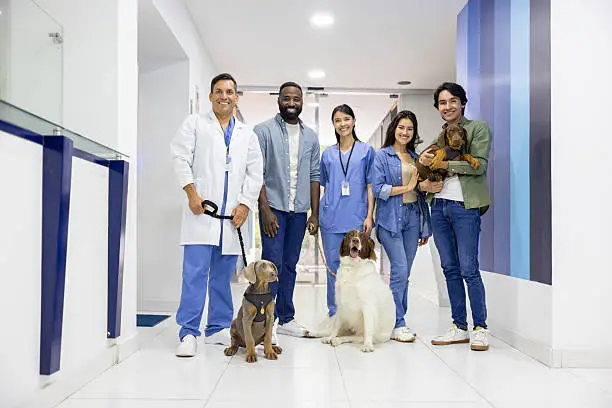
Amid these systemic pressures, the relationship between animal rescue groups and veterinary hospitals—exemplified by collaborative initiatives like those spearheaded by dedicated practitioners such as a veterinarian in Gainesville—emerges as a foundational pillar of animal welfare. These partnerships transcend simple transactional medical appointments. When forged effectively, veterinary-rescue collaborations yield structured intake protocols, streamlined disease control, robust emergency readiness, and informed clinical decision-making. Ultimately, these alliances bridge the gap between crisis management and sustainable animal care, ensuring that vulnerable companion animals receive prompt interventions and that adoptive families welcome home pets with a secure, transparent medical history.
This investigative report examines the operational mechanics, clinical necessities, economic benefits, and structural frameworks that define successful animal rescue and veterinary partnerships. By analyzing data from veterinary medical associations, infection control standards, and logistical workflows, we explore how strategic integration safeguards both animal populations and the human infrastructure dedicated to saving them.
Detailed Chronology: The Evolution of Rescue-Veterinary Integration
To understand the current state of animal rescue medicine, one must examine how the relationship between shelters, foster networks, and private or community veterinary hospitals has evolved over the past few decades.
Phase 1: The Era of Isolated Reaction (Pre-2000s)
Historically, animal rescue was largely decentralized. Grassroots organizations and individual rescuers operated out of spare bedrooms, makeshift shelters, and backyards with minimal veterinary oversight. Medical care was almost entirely reactive. An animal was rescued, a problem manifested (such as coughing, severe parasitism, or a fracture), and the rescue scrambled to find a clinic willing to take on an emergency case on short notice.
During this era, diagnostic screening upon intake was inconsistent at best. Contagious pathogens—such as feline panleukopenia, canine parvovirus, and upper respiratory complexes—frequently decimated entire foster populations because isolation protocols were poorly understood or logistically impossible to enforce. Financial friction was high, and veterinary clinics often absorbed substantial uncompensated debt from rescue groups that lacked structural funding or standardized billing agreements.
Phase 2: The Rise of Institutional Collaboration (2000s–2010s)
As the No-Kill movement gained momentum across North America, the sheer volume of animals diverted from municipal facilities into private rescue networks skyrocketed. Rescues realized that ad-hoc medical management was unsustainable. Forward-thinking veterinary clinics began establishing specialized shelter-medicine programs, offering discounted spay/neuter rates, and setting up dedicated intake days for rescue partners.
This period marked the introduction of formalized standard operating procedures (SOPs). Rescues began implementing mandatory quarantine periods, standardized vaccination schedules upon intake, and basic wellness checks before placing animals into foster care. However, communication silos still frequently disrupted care, and the emotional burden on both rescue volunteers and veterinary staff remained dangerously high.
Phase 3: The Modern Ecosystem of Integrated Care (Present Day)
Today, the most successful rescue organizations operate in tight synchronization with veterinary hospitals. Modern animal rescue veterinary partnerships are characterized by cloud-based medical records, predictive budgeting, proactive disease surveillance, and structured triage protocols.
Veterinary hospitals no longer view rescue groups merely as intermittent clients with complex cases; instead, they function as public health partners. Utilizing insights from organizations like the American Veterinary Medical Association (AVMA)—including guidance detailed in the AVMA emergency preparedness and response guide—modern rescues and clinics work hand-in-hand to mitigate biological risks, manage regional overpopulation crises, and maintain high standards of animal welfare from the moment of intake to the final adoption day.
Supporting Context & Metrics: The Anatomy of a Partnership
Rescue work is inherently fraught with clinical unknowns. A seemingly healthy stray dog may carry asymptomatic heartworm disease or zoonotic pathogens. A litter of neonate kittens pulled from a hoarding situation may arrive severely malnourished, anemic, and harboring multi-drug resistant bacterial infections. Without structural medical backing, these variables quickly compound into catastrophic financial and operational failures.
The Mechanics of Medical Structure
A veterinary hospital provides the structural framework necessary to stabilize chaotic intake environments. This structure is built upon several critical pillars:
- Standardized Intake Protocols: Establishing what every animal receives upon arrival—including baseline physical exams, quantitative fecal testing, targeted deworming, core vaccinations, and retroviral screening for cats.
- Clear Triage and Resource Allocation: Categorizing medical needs to prevent routine cases from clogging emergency schedules, while ensuring that trauma cases (such as hit-by-car victims or severe lacerations) receive immediate surgical intervention.
- Infection Control and Biosecurity: Implementing rigorous sanitation workflows to prevent nosocomial (hospital-acquired) and shelter-acquired infections.
Infectious Disease Control: The Non-Negotiable Standard
In group housing and foster network environments, the introduction of a single contagious pathogen can devastate an entire population within days. Clinical research on pathogen transmission emphasizes that sanitation is not merely a matter of aesthetic cleanliness, but a vital biosecurity measure.
Unchecked upper respiratory infections, dermatophytosis (ringworm), and enteric viruses can easily spread through shared air handling systems, communal toys, or unwashed hands. Rescues that maintain active partnerships with veterinary hospitals are uniquely positioned to adopt evidence-based cleaning protocols, establish functional isolation zones, and execute rapid diagnostic testing before outbreaks spiral out of control.
Comparative Operational Framework
| Area | Rescue Without a Hospital Partner | Rescue With a Veterinary Hospital Partner |
|---|---|---|
| Intake Exams | Delayed or inconsistent, often based on urgency alone. | Scheduled protocols with faster identification of underlying medical problems. |
| Contagious Disease Control | Higher risk of missed symptoms and rapid pathogen spread across foster homes. | Clear diagnostic testing, dedicated isolation protocols, and targeted cleaning guidance. |
| Medical Records | Fragmented information scattered across multiple providers and handwritten notes. | Centralized, digital records that support long-term adoption tracking and follow-up care. |
| Budget Planning | Reactive, crisis-driven spending during emergencies that drains operational reserves. | Proactive financial forecasting for routine preventive care and managed urgent care funds. |
| Adopter Confidence | Persistent questions, skepticism, and uncertainty regarding the animal’s true health history. | High trust supported by transparent, professionally documented medical history and care plans. |
Official Statements & Expert Perspectives
The intersection of veterinary medicine and animal rescue continues to draw focus from leading welfare advocates, shelter medicine specialists, and veterinary practitioners.
Dr. Elena Vance, a prominent shelter medicine clinician and consultant, underscores the psychological and operational relief that structured veterinary partnerships provide:
"When a rescue group tries to operate in a vacuum, without a designated veterinary home base, they burn through human capital at an unsustainable rate. Rescuers become amateur diagnosticians, second-guessing skin scrapings and medication dosages at midnight. A strong veterinary partnership removes the guesswork. It allows rescuers to focus on advocacy, foster recruitment, and placement, while leaving the clinical governance in the hands of professionals who have the training and tools to manage it."
From an institutional standpoint, veterinary associations increasingly emphasize the public health implications of community-level rescue work. Dr. Marcus Holloway, a public health veterinarian specializing in zoonotic disease surveillance, notes:
"Animals moving through rescue networks often cross municipal and state lines. If we do not maintain rigorous medical oversight—ranging from parasite prevention to rabies vaccination compliance—we risk introducing vector-borne diseases into new communities. Veterinary hospitals act as the first line of defense in community biosecurity, ensuring that rescue animals are not just saved, but safely integrated into the broader pet population."
Furthermore, industry guidance from bodies such as the AVMA highlights that emergency readiness and disaster response—whether dealing with a hoarding seizure or a regional natural disaster—depend entirely on pre-existing operational relationships between emergency responders, shelters, and licensed veterinary facilities.
Future Outlook: Building and Sustaining Resilient Partnerships
As animal welfare organizations face shifting economic realities, rising veterinary costs, and fluctuating intake demands, the survival of rescue networks will rely heavily on their ability to forge deep, collaborative ties with clinical practices. Looking forward, several key strategies will define the future of successful rescue-veterinary relations.
1. Institutionalizing Shared Medical Protocols
Rescues and veterinary clinics must move beyond informal verbal agreements. Establishing comprehensive, written Standard Operating Procedures (SOPs) ensures that all stakeholders—from intake coordinators and foster volunteers to triage technicians and attending veterinarians—operate from the same playbook. This includes defining clear thresholds for what constitutes an emergency, setting mandatory quarantine windows, and establishing clear guidelines for chronic disease management.
2. Cultivating Structured Communication Channels
Communication breakdowns are a primary driver of frustration and burnout in rescue work. Establishing dedicated communication pathways—such as designated veterinary liaison roles within the rescue organization and scheduled review meetings with clinic management—prevents minor administrative bottlenecks from escalating into clinical crises. Furthermore, leveraging technology such as integrated veterinary practice management software allows for seamless transfer of diagnostic imaging, lab results, and vaccination histories.
3. Periodic Outcome Reviews and Data Analysis
Forward-thinking partnerships do not merely manage day-to-day cases; they analyze macro-level trends. By reviewing outcomes quarterly, rescue groups and veterinary teams can identify recurring vulnerabilities. For instance, if data reveals an unacceptable spike in kitten upper respiratory infections during specific seasonal windows, the partners can proactively adjust intake caps, modify environmental humidity in foster homes, or alter prophylactic medication regimens.
Conclusion
The synergy between animal rescue organizations and veterinary hospitals represents far more than a logistical convenience. It is the bedrock upon which humane, sustainable, and ethical animal welfare is built. By replacing crisis-driven reactivity with structured protocols, transparent communication, and rigorous infection control, veterinary-rescue partnerships protect the health of vulnerable animals while shielding human volunteers from preventable burnout.
Ultimately, these alliances mean fewer preventable setbacks, more accurate medical diagnoses, and a smoother, more reliable path from rescue to recovery to a permanent home. For veterinary clinics and rescue networks alike, investing time and intention into building these robust relationships changes outcomes in ways that are both immediately transformative and enduringly profound.