
Executive Overview
For most people, the complex biomechanics of the human mouth go unnoticed until something shifts. It might begin with a subtle sensation—water feels like an all-day necessity, food loses its familiar vibrancy, or the oral cavity feels oddly tacky upon waking. These seemingly minor shifts can quickly trigger anxiety. Is this simply a byproduct of normal aging? Is it an unwelcome side effect of a new pharmaceutical regimen? Or is it an early warning sign of a deeper systemic health concern?
When the delicate balance of salivary production is disrupted, everyday activities like speaking, chewing, swallowing, and sleeping are immediately impacted. For residents searching for a trusted dentist in Applewood Mississauga, consulting a dental professional at the earliest sign of saliva changes is crucial. Saliva is not merely moisture; it is a complex biological fluid that acts as the mouth’s primary defense system.
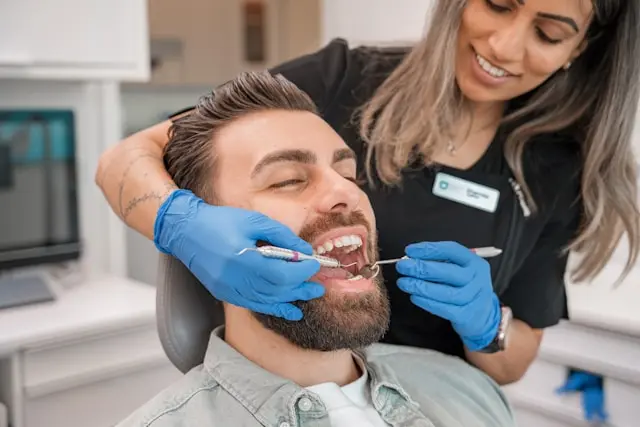
The ongoing medical dialogue surrounding How General Dentists Help Patients Understand Changes In Saliva emphasizes a vital shift in modern clinical practice. General dentists are no longer viewed solely as technicians who fill cavities or perform cleanings; they act as frontline diagnostic partners. By evaluating salivary irregularities—whether characterized by chronic dryness (xerostomia), excessive production (ptyalism), or altered consistency—dentists help patients decode what their bodies are communicating. Addressing these issues early prevents minor discomforts from escalating into severe dental decay, oral infections, and diminished quality of life.
Detailed Chronology: The Progressive Impact of Salivary Imbalance
To truly grasp why salivary fluctuations demand professional attention, one must understand the progressive timeline of how oral health deteriorates when these fluids are compromised.
Phase 1: The Initial Onset and Subtle Shifts
The timeline often begins imperceptibly. A patient may notice a sticky sensation on the tongue or inner cheeks, slight difficulties in swallowing dry foods like bread or crackers, or a persistent thirst that drinking water fails to quench. At this stage, many individuals dismiss the symptoms as transient dehydration or environmental factors, such as sleeping with the mouth open. However, persistent low-level dryness initiates a quiet vulnerability: the protective mineral film on the teeth begins to thin.
Phase 2: Behavioral Adaptations and Hidden Risks
As the dryness or stickiness persists, patients frequently adopt coping mechanisms. Many turn to commercial hard candies, mints, or frequent sips of acidic juices to stimulate moisture. Unfortunately, if these products contain sugar or high acid levels, they inadvertently accelerate dental decay. Because natural salivary flow—which normally washes away food debris and neutralizes plaque acids—is diminished, teeth are left directly exposed to cariogenic bacteria.
Concurrently, patients may experience minor oral tissue irritation, cracked lips, or a burning sensation on the tongue. Bad breath (halitosis) often develops as dead cells and bacteria accumulate unchecked in the absence of adequate fluid flushing.
Phase 3: Clinical Manifestations and Structural Damage
Without intervention, Phase 3 marks the emergence of tangible dental and medical complications. Months after the initial symptoms appear, patients may present with rampant cervical decay (cavities forming rapidly along the gumline), fungal infections such as oral candidiasis (thrush), or severe discomfort while wearing removable dentures. Speech may become labored due to a lack of lubrication, and the risk of periodontal (gum) disease rises sharply.
It is typically during this phase that patients schedule an urgent dental visit, realizing that home remedies are no longer sufficient to manage their symptoms. A timely evaluation by a general dentist during this window can halt the progression, identify root causes, and implement protective measures before irreversible damage occurs.
Supporting Context & Metrics: The Biological Role of Saliva and Diagnostic Realities
To appreciate the diagnostic depth required in modern dental practices, one must examine the multifaceted biological roles that saliva plays, alongside the statistical realities of oral dryness across populations.
The Multifunctional Defense System
Saliva is composed of roughly 99% water, but the remaining 1% contains a powerful cocktail of electrolytes, mucus, antibacterial compounds, and vital enzymes. Its functions extend far beyond preliminary digestion:
- Remineralization: Saliva is supersaturated with calcium and phosphate ions, which actively repair early enamel demineralization caused by bacterial acids.
- Lubrication and Protection: Mucins coat the oral mucosa, protecting soft tissues from friction, trauma, and ulceration.
- Antimicrobial Action: Proteins like lysozyme, lactoferrin, and immunoglobulin A (IgA) control the proliferation of harmful bacteria and fungi.
- Gustatory Function: Saliva dissolves food chemicals, allowing them to bind to taste receptors. Without adequate fluid, the sense of taste is significantly blunted.
Epidemiological Insights and Associated Factors
According to data from health institutions like the National Institute of Dental and Craniofacial Research (NIDCR), dry mouth affects a substantial portion of the adult population, with prevalence rates climbing significantly among older adults. This rise is frequently attributed to polypharmacy—the simultaneous use of multiple medications. Over 500 commonly prescribed and over-the-counter medications list xerostomia as a side effect. These include:
- Antihypertensives (blood pressure medications)
- Antihistamines and decongestants
- Antidepressants and anxiolytics
- Analgesics and muscle relaxants
Furthermore, systemic conditions such as Sjögren’s syndrome, diabetes, thyroid disorders, and autoimmune diseases frequently manifest first through oral dryness or salivary gland swelling.
Comparative Analysis: Home Monitoring vs. Professional Clinical Intervention
| Approach | What It Can Help With | Potential Limitations and Risks |
|---|---|---|
| Increased Water Consumption | Eases mild, transient dryness caused by acute dehydration or environmental heat. | Fails to resolve pharmaceutical side effects, autoimmune dysfunction, or structural salivary gland blockages. |
| Sugar-Free Gums & Lozenges | Stimulates mechanical salivary flow in patients with partially functioning glands. | Inadequate if glandular tissue output is severely depleted; overuse can cause jaw muscle fatigue or gastrointestinal distress. |
| Over-the-Counter Rinses & Pastas | Temporarily relieves surface irritation and provides basic soothing agents. | Does not diagnose the underlying systemic or localized pathology triggering the salivary change. |
| Comprehensive General Dentist Evaluation | Identifies early pathological patterns, assesses individualized caries risk, and establishes targeted preventive protocols. | May require interdisciplinary coordination with primary care physicians or endocrinologists for systemic causes. |
Official Statements and Clinical Perspectives
Medical and dental authorities consistently emphasize the necessity of looking beyond isolated symptoms when evaluating oral health shifts.
The NIDCR notes that chronic dry mouth is never a normal part of the aging process, even though older adults experience it more frequently. In official clinical advisory publications, dental researchers stress that when patients report persistent alterations in saliva, clinicians must conduct a thorough medical history review. This includes cataloging every prescription drug, herbal supplement, and over-the-counter product the patient ingests.
Similarly, insights shared by the National Institute on Aging (NIA) highlight the critical intersection between oral health and systemic wellness in aging populations. As physiological systems change, the mouth often serves as an early diagnostic window. A spokesperson for dental health advocacy groups remarks:
"When a patient sits in the dental chair complaining of a sticky, parched mouth or unexplained changes in salivary consistency, they are often presenting us with the first tangible clue of a systemic imbalance or a medication conflict. Our role as general dentists is to connect those clinical dots, protecting not just the teeth from accelerated decay, but guiding the patient toward comprehensive medical oversight when needed."
Medical reference repositories, such as MedlinePlus, reinforce that salivary gland disorders—ranging from sialolithiasis ( salivary stones) to chronic inflammation—require precise clinical differentiation. Pain, localized swelling around the parotid or submandibular glands, and purulent discharge demand immediate professional imaging and evaluation, far exceeding the scope of simple home care.
Future Outlook: The Evolution of Salivary Diagnostics and Preventative Care
Looking ahead, the intersection of general dentistry and salivary health is poised for transformative advancements. Researchers are rapidly developing point-of-care diagnostic tools that utilize saliva—often referred to as the "liquid biopsy" of the body—to detect systemic diseases, monitor hormone levels, and track markers of inflammation non-invasively.
As these technologies mature, the routine dental visit will become an even more powerful preventative hub. For patients experiencing saliva changes, future appointments may involve rapid molecular assays that pinpoint whether xerostomia stems from pharmaceutical interactions, nutritional deficiencies, or early-stage autoimmune activity before structural tissue damage occurs.
In the near term, dental practices are expanding their preventative protocols for vulnerable populations. Dentists are increasingly prescribing specialized high-fluoride varnishes, custom tray-delivered remineralizing pastes, and advanced artificial saliva substitutes that closely mimic natural mucin structures.
For individuals navigating these changes today, the path forward is clear. Ignoring a persistent shift in oral moisture or taste can lead to costly and painful dental rehabilitation. By partnering with a knowledgeable general dentist—whether in Applewood Mississauga or your local community—patients can demystify their symptoms, secure tailored protective strategies, and preserve their oral health for years to come.