
Executive Overview
For the modern service dog, the world is a symphony of sensory interruptions. Sidewalks vibrate with the hum of urban traffic, restaurants emit the rich, tantalizing aromas of dropped food, and bustling crowds present a shifting maze of sudden movements, unsolicited eye contact, and unexpected noises. To an ordinary canine, these environments represent an irresistible playground of stimuli. To a certified service animal, however, this same chaotic landscape must transform into a place of profound quiet and singular purpose.
Building and maintaining this level of attention is not a matter of chance, nor is it merely a reflection of an animal’s innate temperament. According to canine developmental experts at Dogs Inc., a world-class service dog’s capacity for unwavering focus is the result of a rigorous, multi-year engineering process. This article explores how a combination of early socialization, positive reinforcement, impulse control, and professional guidance transforms easily distracted puppies into calm, reliable working partners. Ultimately, this specialized focus serves as a vital communication bridge between a handler and their animal, directly impacting the safety, independence, and confidence of individuals living with disabilities.
Detailed Chronology: The Lifecycle of Service Dog Focus Training
The journey from an easily distracted puppy to a steadfast, unflappable working professional does not happen overnight. It follows a carefully calibrated developmental timeline that begins in early puppyhood and extends through advanced public access training.
Phase 1: Early Infancy and Foundation Building (Months 0–6)
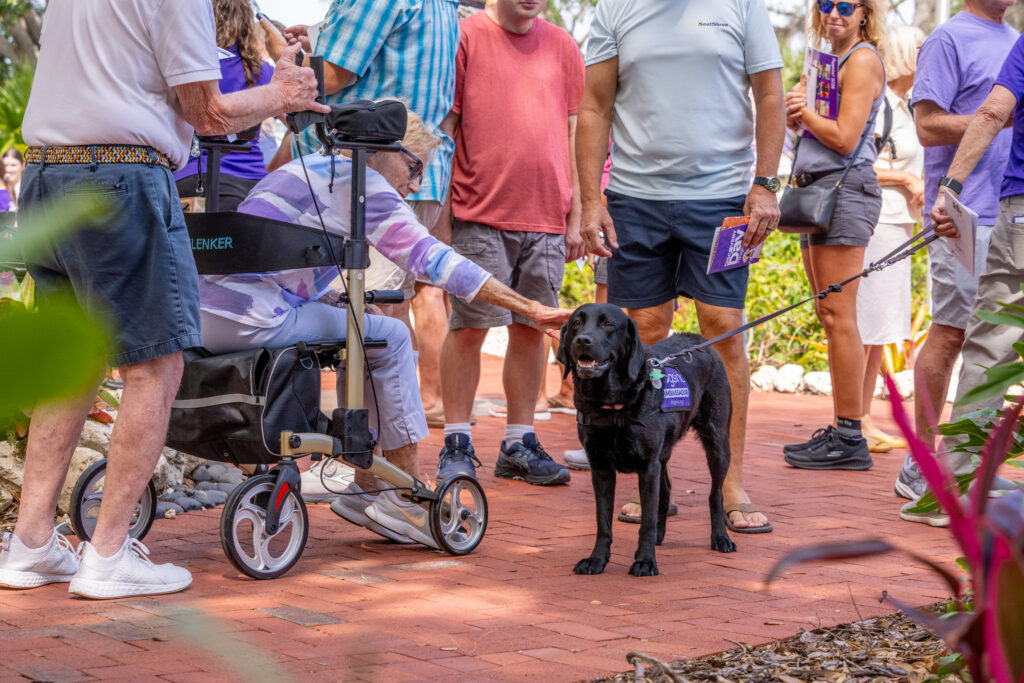
Focus training begins long before a service dog ever learns to perform complex navigation or mobility tasks. During the foundational months, puppy raisers introduce young dogs to a wide variety of novel environments—ranging from quiet residential sidewalks to bustling shopping plazas and public transit hubs.
- Setting Early Expectations: Puppies are taught from day one to offer spontaneous eye contact and hold their attention on their handler despite low-level environmental changes.
- Positive Associations: Every new sight, sound, and texture is paired with calm behavior and immediate rewards. This ensures that the dog approaches unfamiliar stimuli with curiosity and confidence rather than fear or reactivity.
- The Role of the Puppy Raiser: These dedicated volunteers turn mundane everyday routines into critical training moments, establishing the baseline emotional stability required for advanced work.
Phase 2: Adolescent Impulse Control and Distraction Introduction (Months 6–12)
As dogs enter adolescence, their natural instincts—such as the desire to chase wildlife, investigate novel scents, or greet passing strangers—intensify. During this critical window, trainers and raisers focus heavily on impulse control.
- Gradual Exposure: Trainers introduce distractions slowly, starting at a distance where the dog can remain calm. The dog is consistently rewarded for breaking its gaze away from a distraction to "check in" with its handler.
- Proofing Behaviors: Basic obedience cues are tested and reinforced across increasingly complex settings. If a dog can maintain a down-stay while another animal passes at a distance, a foundational milestone of neutrality has been achieved.
Phase 3: Advanced Public Access and Real-World Integration (Months 12–24)
In the final phase of preparation, dogs transition into professional-grade public access training under the supervision of expert instructors at Dogs Inc.
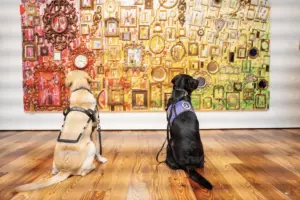
- Complex Environments: Working teams practice extensively in high-stakes environments, including commercial retail spaces, crowded airports, noisy restaurants, and medical facilities.
- Reliable Recall and Emergency Focus: Handlers drill emergency recall protocols, teaching dogs to instantly disengage from high-value distractions (such as dropped food or wildlife) and return their attention to their handler upon cue.
- Final Placement: Once a dog demonstrates absolute neutrality and consistent task execution across all environments, they are matched with a handler, forming a partnership built on mutual trust and absolute operational focus.
Supporting Context & Metrics: The Anatomy of Canine Distraction
To appreciate the complexity of service dog training, one must first understand what constitutes a distraction to a domestic dog. While human perception is heavily visual, a dog’s reality is dominated by olfaction (the sense of smell) and acute hearing.
Categorizing Canine Triggers
| Distraction Category | Examples | Training Objective |
|---|---|---|
| Environmental | Sirens, construction noise, flashing lights, slick floors. | Maintaining steady forward momentum and calm posture without startling. |
| Social | Strangers making eye contact, calling out, or attempting unauthorized leash greetings. | Ignoring social overtures and keeping complete attention fixed on the handler. |
| Olfactory & Gustatory | Dropped food in restaurants, grocery store aisles, intense outdoor scents. | Treating ground-level food as a neutral object rather than an invitation to scavenge. |
| Animal Triggers | Squirrels, birds, free-roaming pets, and other working animals. | Remaining entirely neutral and non-reactive when natural prey or social instincts flare up. |
The Power of Motivation and Reward Mechanics
Dogs are fundamentally utilitarian learners; they repeat behaviors that yield predictable, highly rewarding outcomes. Service dog pedagogy relies heavily on positive reinforcement, utilizing high-value rewards (such as specialized treats, vocal praise, and play) to make focusing on the handler vastly more rewarding than investigating the outside world.
When a dog experiences a lapse in concentration—a natural occurrence during any learning curve—professional instructors do not rely on punishment. Instead, they redirect the behavior, re-establish engagement, and reinforce the desired state of attention. This iterative loop builds deep neurological resilience, turning temporary distractions into valuable lessons in reliability.

Official Perspectives: Insights from Experts at Dogs Inc.
Maintaining focus in high-stress environments requires a delicate balance between structure and empathy. Industry professionals emphasize that a truly successful service dog is not a detached automaton, but rather an engaged, confident partner.
"A service dog is not trained to ignore the world completely, but rather to move through it with absolute control and composure," notes a senior training supervisor at Dogs Inc. "Neutrality means the dog can observe its surroundings without being drawn into them. When a dog develops deep trust in its handler as the primary source of safety and direction, everything else simply fades into the background."
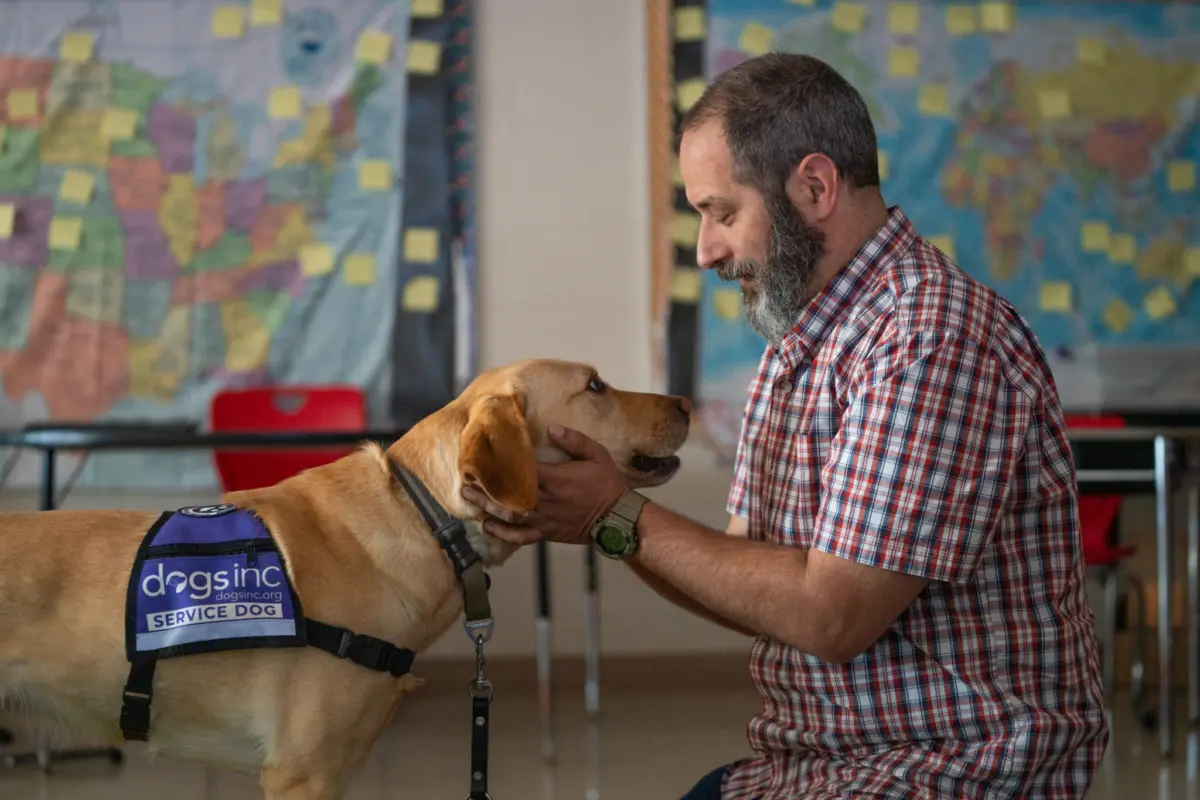
Furthermore, experts highlight the irreplaceable value of the human support network. The transition from an excitable puppy to an elite service animal is a collaborative triumph shared by breeding coordinators, volunteer puppy raisers, professional trainers, and the end-users themselves.
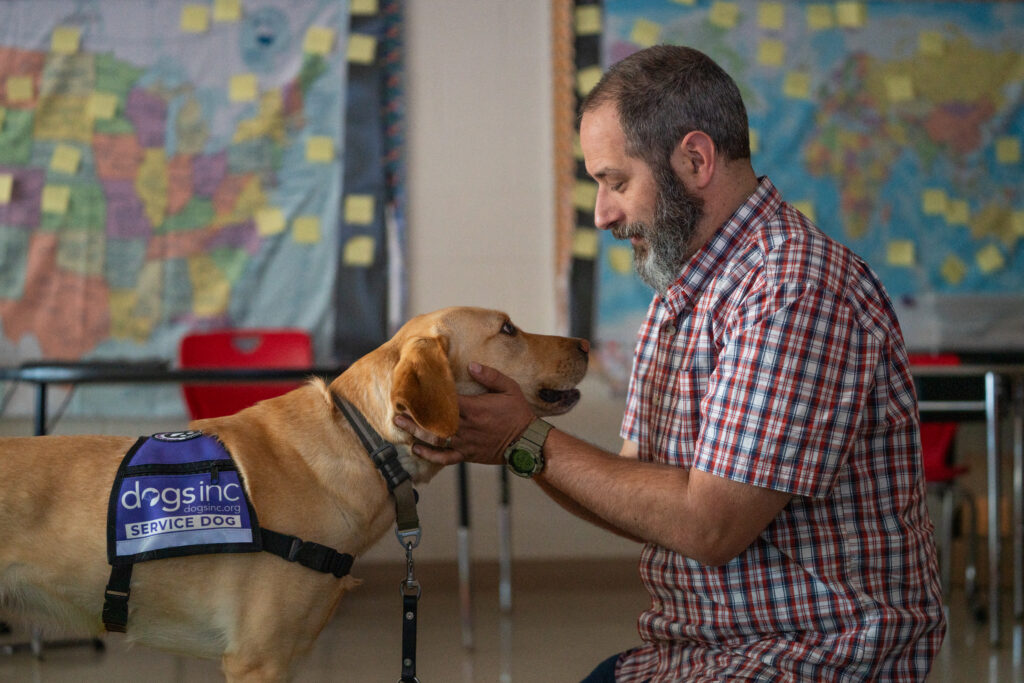
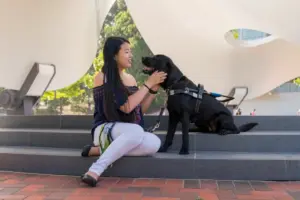
- The Handler’s Confidence: As dogs demonstrate reliable focus in public spaces, their human partners experience a corresponding surge in independence and self-assurance.
- Public Education: Trainers frequently emphasize that community cooperation—such as respecting service dog etiquette and refraining from distracting working animals—plays an equally vital role in maintaining operational safety.
Future Outlook: The Evolution of Service Animal Training Methodologies
As the fields of animal behavior science and cognitive psychology continue to evolve, organizations like Dogs Inc. remain at the vanguard of service animal development. Looking toward the future, several trends are shaping the next generation of focus training:
- Data-Driven Behavioral Tracking: Modern training programs increasingly incorporate standardized developmental metrics to track adolescent focus intervals, stress recovery times, and environmental adaptability more precisely than ever before.
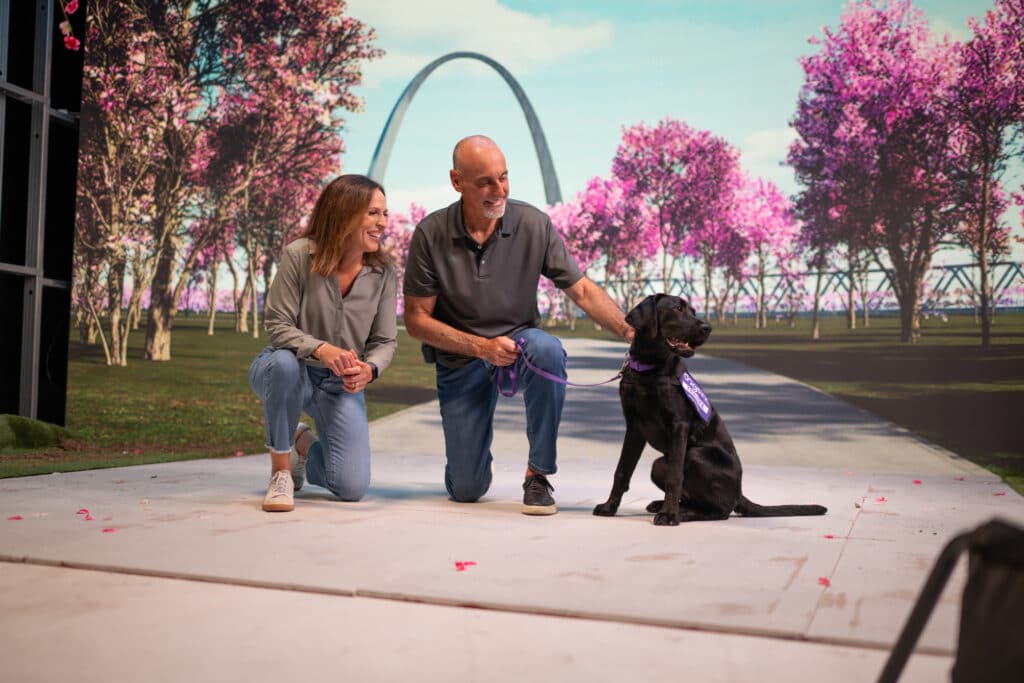
- Customized Environmental Simulations: Trainers are utilizing advanced facility designs and controlled simulation environments to expose puppies to complex sensory inputs safely, accelerating the desensitization process without overwhelming the animal’s developing nervous system.
- Lifelong Partnership Support: Recognizing that focus is a perishable skill, ongoing continuing education resources are being expanded for handlers, ensuring that working partnerships remain sharp and resilient throughout the animal’s active working career.
Ultimately, the rigorous architecture of attention built during these formative training phases pays dividends every single day. By converting an unpredictable world into a manageable, neutral landscape, Dogs Inc. ensures that individuals with disabilities can navigate life with unwavering trust, safety, and profound personal freedom.