
Date: September 17, 2026
Author: Global Investigative Desk
Executive Overview
The landscape of animal advocacy in the United States and its territories is experiencing a profound paradigm shift. Driven by a blend of grassroots mobilization, legislative intervention, and fierce legal defense, animal protection organizations are increasingly challenging systemic cruelty and archaic municipal policies. At the forefront of this movement is Alley Cat Allies, an organization whose recent multi-jurisdictional campaigns highlight both the triumphs and persistent challenges facing community cats and their caregivers.
From the legislative chambers of Puerto Rico and Michigan to the suburban neighborhoods of Florida and California, recent weeks have seen a flurry of critical policy developments. Alley Cat Allies has actively intervened in these arenas—championing progressive Trap-Neuter-Return (TNR) legislation, demanding maximum accountability in horrific animal cruelty cases, and providing vital legal empowerment resources to everyday caregivers. This comprehensive report examines the multifaceted efforts undertaken by animal advocates to secure humane, sustainable futures for community cats nationwide, exploring the legislative battles, legal battles, and community-driven resistances shaping the modern animal welfare movement.
Detailed Chronology of Recent Advocacy and Legislative Actions
1. Puerto Rico: Inspiring a Lifesaving Legislative Wave
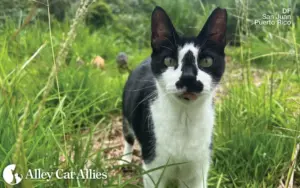
Building upon landmark victories—most notably the hard-fought defense of the community cats of Paseo del Morro against the encroachment of the U.S. National Park Service—Alley Cat Allies has catalyzed a renewed momentum for systemic reform across Puerto Rico.
This momentum culminated in the recent chamber passage of House Bill / Proyecto de la Cámara 1192 (H.B./P.C. 1192). This landmark piece of legislation explicitly recognizes and supports Trap-Neuter-Return (TNR) as a cornerstone of humane population management and interspecies coexistence within local communities. Recognizing the monumental nature of this policy shift, Alley Cat Allies formally reached out to Puerto Rican legislators to offer comprehensive institutional expertise, strategic guidance, and hands-on support. The goal: to guarantee robust, enforceable statutory protections for both community cats and the dedicated volunteers who provide their daily care.

2. Biscayne Park, Florida: Demanding Justice in Cruel Poisoning Case
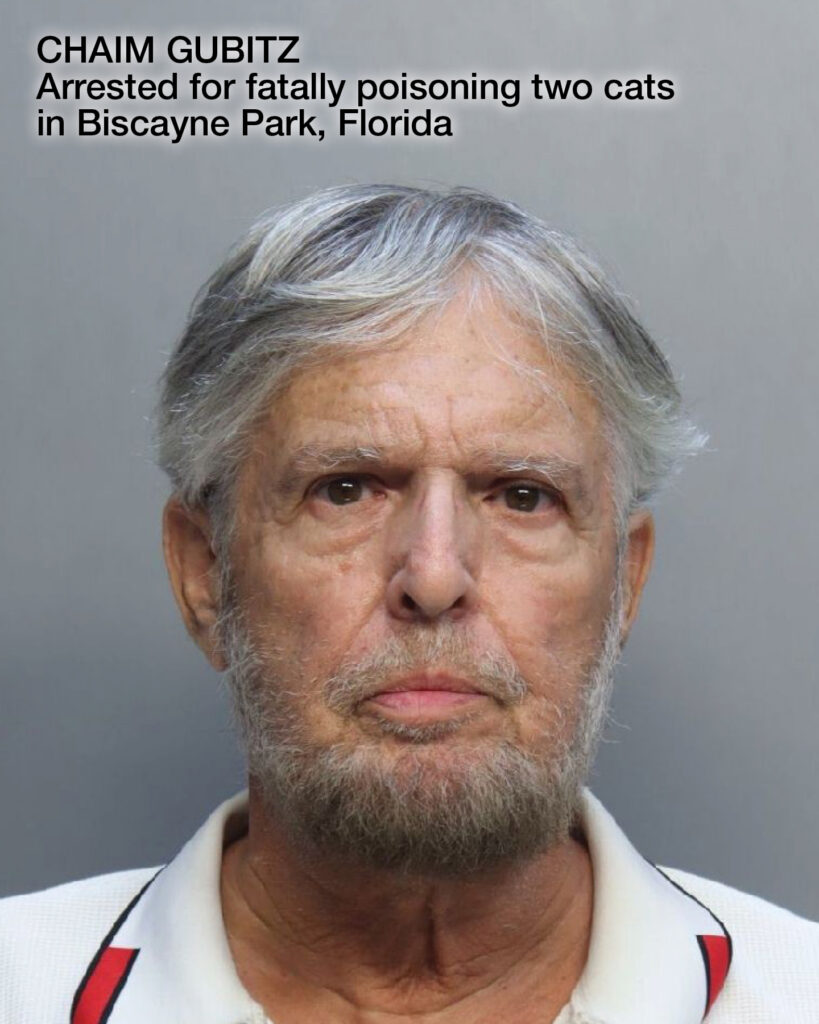
In the legal sphere, Alley Cat Allies has thrown its full organizational weight behind the prosecution of Chaim Gubitz in Biscayne Park, Florida. Gubitz was arrested and formally charged with multiple counts of animal cruelty following an incident in which two neighborhood pet cats, named Little and Stella, were fatally poisoned.
Surveillance footage allegedly captured Gubitz methodically placing trays of poisoned food along a shared property fence, directly accessible to his neighbors’ yards. The resulting deaths were agonizing; toxicological agents of this nature cause severe physiological distress, exemplifying the premeditated malice that defines malicious animal cruelty. Alley Cat Allies swiftly engaged with the presiding prosecutor, urging the court to pursue the maximum statutory sentence and offering specialized resources from its dedicated animal cruelty expert panel to secure a decisive verdict.
3. Ripon, California: Defeating Counterproductive Feeding Bans
In Ripon, California, municipal policy became a battleground for animal welfare in August when the City Council introduced Ordinance 939, a measure designed to outlaw the feeding of cats on public property. Recognizing that feeding bans are not only fundamentally cruel—driving cats to starvation and desperation—but also entirely counterproductive to population stabilization, Alley Cat Allies mobilized immediately.
The organization submitted a formal, rigorous opposition response to the Ripon City Council, detailing the failure rates of feeding bans and advocating instead for institutionalized TNR frameworks. The response resonated locally: on September 8, a coalition of passionate Ripon residents flooded the city council chambers to defend community cats and underscore the efficacy of TNR. Faced with united community pushback, the council voted to table Ordinance 939 for extensive revision. However, advocates remain vigilant, as city officials concurrently evaluate registration mandates that could create a chilling effect on volunteer-driven TNR participation.
4. Lansing, Michigan: Refining Statewide TNR Legislation
During the summer legislative session, Michigan Representative Jason Morgan introduced House Bill 6317 (HB 6317), a state-level initiative aimed at codifying and promoting TNR programs across the state. While Alley Cat Allies commended Representative Morgan’s commitment to progressive animal welfare, organizational analysts identified several administrative bottlenecks and vague statutory provisions within the initial draft.

To ensure the bill achieves maximum efficacy without inadvertently penalizing caregivers, Alley Cat Allies delivered a comprehensive advisory letter to the bill’s sponsors. The recommendations focused on removing bureaucratic barriers to TNR implementation and ensuring clear legal immunities for colony caretakers. Alley Cat Allies continues to monitor the legislative progression of HB 6317 closely.
Supporting Context, Metrics, and the Reality of TNR
To understand the urgency of these legislative interventions, one must examine the fundamental science of community cat management. For decades, traditional municipal approaches relied on catch-and-kill or catch-and-shelter models. These programs proved to be expensive, ineffective, and fundamentally inhumane. Because cats naturally migrate into vacated territories—a phenomenon known in ecology as the "vacuum effect"—removal strategies fail to reduce population numbers sustainably.
Trap-Neuter-Return (TNR), by contrast, is recognized by leading veterinary associations and animal welfare scientists as the single most effective method for stabilizing community cat populations. Under a TNR protocol:
- Trap: Cats are humanely captured using specialized box traps.
- Neuter/Spay: Cats are sterilized by licensed veterinarians, preventing future litters.
- Vaccinate: Animals receive critical vaccinations, including rabies shots, safeguarding both feline and human public health.
- Return: Sterilized and vaccinated cats are returned to their outdoor homes, where caretakers provide ongoing food, water, and monitoring.
The Failure of Feeding Bans
As demonstrated in Ripon, California, municipal attempts to curb cat populations through feeding bans consistently backfire. Starving outdoor cats does not cause them to vanish; instead, it forces them to forage more widely—potentially creating nuisance behaviors as they search uncovered waste—while severely compromising animal welfare. Humane organizations emphasize that legislation must support, rather than criminalize, the compassionate network of caregivers who maintain these managed colonies.
Official Statements and Expert Insights
The intersection of grassroots advocacy and institutional policy requires transparent communication between animal protection experts and legislative decision-makers.
Regarding the legislative victory in Puerto Rico, leadership at Alley Cat Allies emphasized the irreplaceable value of community participation:
"The voices and generosity of our supporters made the difference every step of the way. From the beaches of San Juan to the legislative assembly, it is clear that when communities demand humane coexistence, systemic change follows. We stand ready to ensure that P.C. 1192 sets a gold standard for animal protection in the territories."
Addressing the horrific poisoning incident in Biscayne Park, Florida, the organization reiterated its zero-tolerance stance on deliberate animal abuse:
"Poisoning is an exceptionally insidious and agonizing cause of death that inflicts extreme, prolonged suffering on its victims. To deliberately lace food with toxins for any animal is an undeniable act of depraved cruelty. We are committed to standing with the prosecutors to ensure that the perpetrator faces the maximum penalty permitted under the law, sending a definitive message that cruelty against cats will be met with the full force of the justice system."
On the ongoing battle against municipal restrictions in Ripon, California, advocates noted the power of collective civic action:
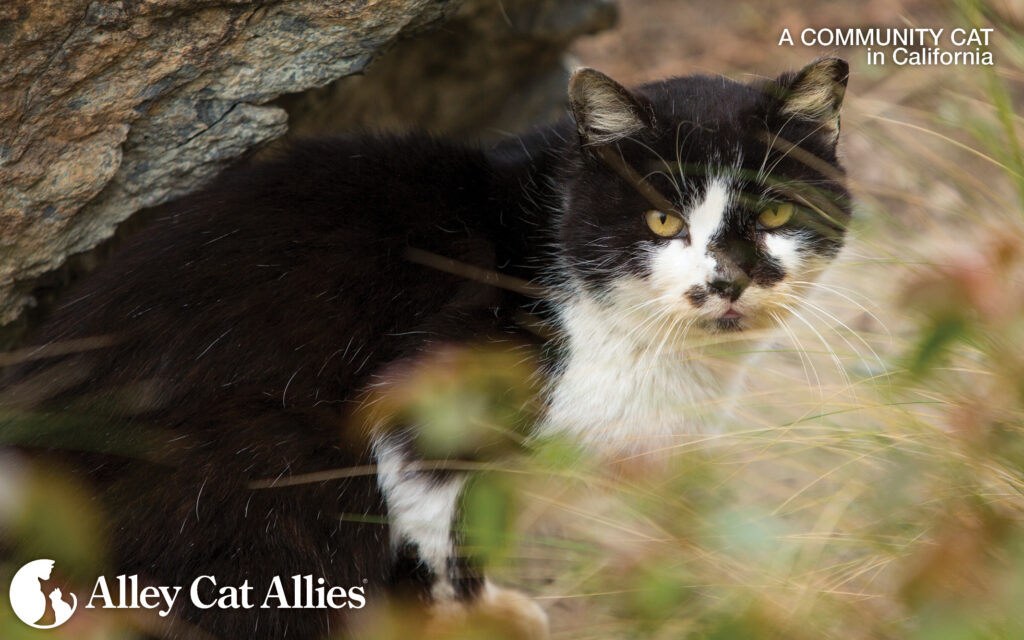
"Ordinance 939 was a step backward into failed, archaic policies. Thanks to the brave residents who spoke truth to power at the September 8 council meeting, this harmful measure has been stalled. However, we remain on high alert. Registration requirements that discourage volunteer caregivers are merely feeding bans in disguise. True progress requires collaboration, not criminalization."
Know Your Rights: Empowering Caregivers and Citizens
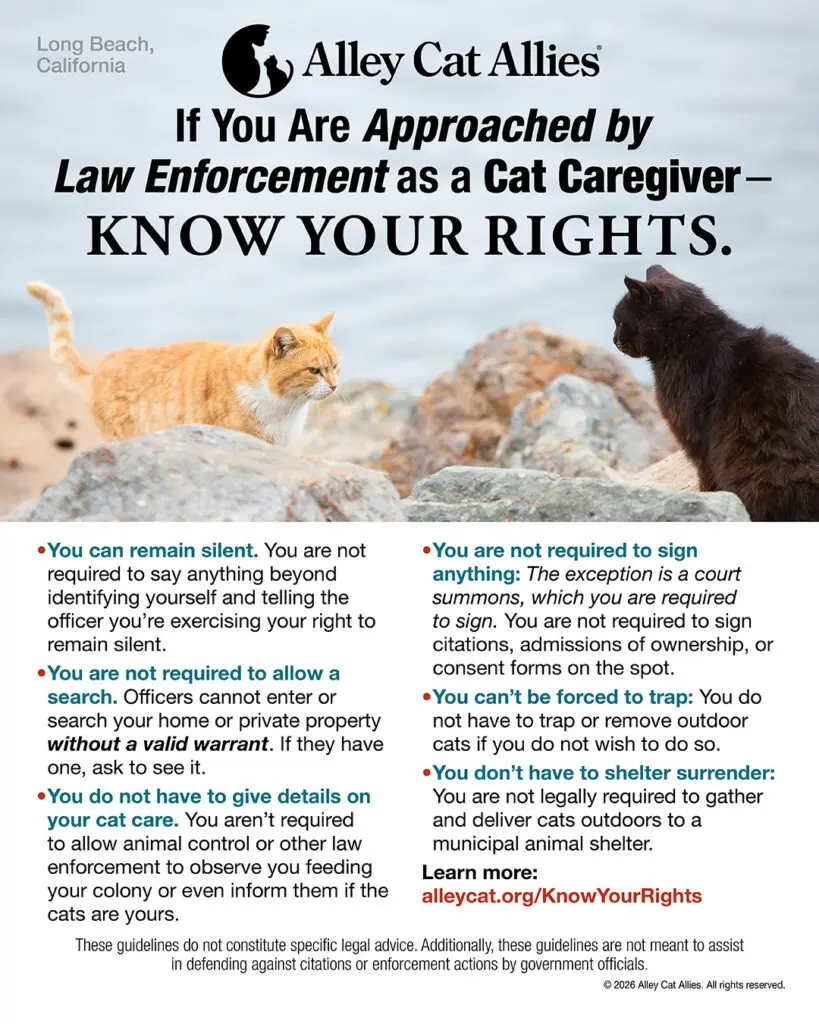
Amidst shifting municipal codes, legal battles, and localized resistance, community cat caregivers often find themselves navigating complex legal landscapes. To safeguard both themselves and the animals under their stewardship, advocates must be thoroughly educated regarding their legal standing.
Alley Cat Allies has continuously emphasized that U.S. citizens and animal caregivers possess foundational rights under local, state, and federal laws. Understanding these protections is vital to preventing unlawful harassment, unwarranted citations, or interference with lawful TNR activities.
Key empowerment resources, legal self-advocacy guides, and comprehensive symptom-recognition toolkits for suspected poisonings are publicly accessible via the official Alley Cat Allies portal at alleycat.org/KnowYourRights and alleycat.org/Poison. (Note: These informational resources are designed for educational empowerment and do not constitute formal legal counsel.)
Future Outlook
As the animal welfare movement advances through the remainder of 2026, the trajectory of community cat advocacy points toward increased legislative codification of TNR and heightened legal penalties for animal abusers.
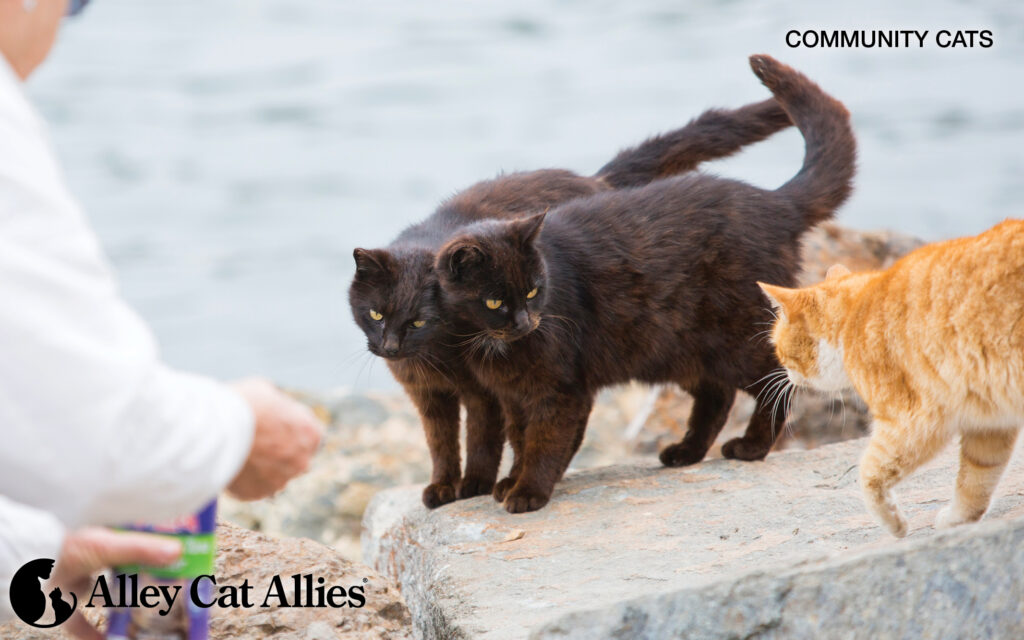
The developments in Puerto Rico, Michigan, California, and Florida serve as a microcosm of a broader national awakening. While regressive policies—such as feeding bans and overly restrictive registration hurdles—continue to surface in isolated municipalities, the organized counter-response from groups like Alley Cat Allies and engaged local citizens demonstrates that the era of inhumane, punitive animal control is drawing to a close.
Future legislative sessions will likely see increased scrutiny on statewide TNR mandates, as well as tighter legal definitions surrounding poisoning and chemical abuse of animals. By maintaining a vigilant watch on municipal agendas, supporting rigorous criminal prosecutions, and educating the public on caregiver rights, the animal advocacy community is steadily constructing a safer, more compassionate world for community cats everywhere.