
Executive Overview
The global crisis of stray and abandoned domesticated animals remains a persistent challenge for municipal authorities, animal welfare organizations, and veterinary professionals worldwide. While systemic solutions—such as trap-neuter-return (TNR) programs, microchipping mandates, and subsidized veterinary clinics—form the bedrock of institutional animal welfare, the immediate survival of individual street animals often hinges on localized, random acts of human intervention.
This investigative feature examines the case of a critically neglected, estimated two-month-old canine rescued from a roadside environment. Suffering from severe dermatological disease, malnutrition, and acute psychological trauma, the animal’s prognosis was highly guarded. Through a coordinated timeline of citizen intervention, aggressive veterinary triage, and structured domestic rehabilitation, the subject underwent a complete physiological and behavioral transformation over a three-month period.
This report serves as a diagnostic case study highlighting the critical windows of intervention for juvenile canines, the pathology of chronic neglect, and the socioeconomic variables that influence the success of animal rehabilitation.
Detailed Chronology
[Day 1: Discovery & Triage] ──> [Days 2-14: Clinical Stabilization] ──> [Month 1: Domestic Integration] ──> [Month 3: Full Recovery]
   - Roadside rescue             - Parasitic treatment                - Socialization with pets       - Lush coat regrowth
   - Severe alopecia/dermatitis  - Therapeutic bathing                - Behavioral therapy            - Complete physical transformation
The Discovery on the Margins
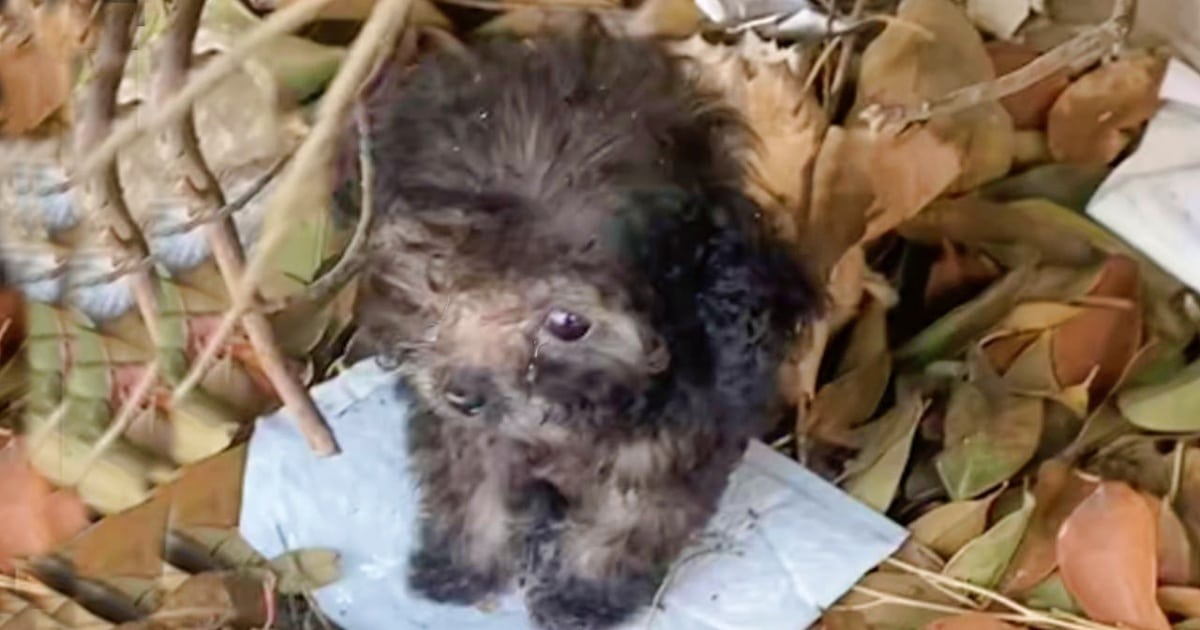
The subject—a mixed-breed male puppy—was discovered crying at the edge of a public roadway, emerging from tall grass. Eyewitness observations and initial assessments indicated the animal was approximately eight weeks old, a developmental stage where maternal antibodies decline, leaving the pup highly susceptible to environmental pathogens.
The rescuer, observing the animal’s severe lethargy, vocalizations of distress, and visible physical trauma, initiated an emergency field rescue. Utilizing an improvised transport container (a cardboard box retrieved from her vehicle) to minimize direct contact with potential zoonotic pathogens, the rescuer secured the animal and transported him to a nearby veterinary facility.
Clinical Evaluation and Diagnostic Breakthroughs
Upon presentation at the veterinary clinic, the subject underwent a comprehensive physical examination. Clinical findings revealed a severe, generalized dermatological pathology characterized by:
- Extensive alopecia (hair loss) covering more than 60% of the body;
- Severe erythema (redness of the skin) and epidermal scaling;
- High parasite load (fleas and mites);
- Acute malnutrition, characterized by a low body condition score (BCS of 2 out of 9).
The veterinary staff diagnosed the puppy with severe parasitic dermatitis, complicated by secondary bacterial skin infections resulting from prolonged exposure to dirt and environmental contaminants.
Initial Clinical Diagnostic Profile:
┌──────────────────────────┬───────────────────────────────────────────┐
│ Diagnostic Parameter     │ Clinical Presentation                     │
├──────────────────────────┼───────────────────────────────────────────┤
│ Estimated Age            │ 7–8 Weeks                                 │
│ Body Condition Score     │ 2 / 9 (Underweight/Malnourished)          │
│ Dermatological Diagnosis │ Parasitic Dermatitis (secondary infection)│
│ Parasitic Load           │ Severe (Sarcoptic/Demodectic suspect)     │
│ Behavioral State         │ Acute fear, hypervigilance                │
└──────────────────────────┴───────────────────────────────────────────┘
The medical team initiated an aggressive treatment protocol:
- Therapeutic Bathing: Medicated baths using keratolytic and antiseptic shampoos to remove debris, crusts, and external parasites.
- Pharmacotherapy: Administration of systemic acaricides to eradicate the mite infestation, alongside broad-spectrum antibiotics to address secondary deep pyoderma.
- Nutritional Rehabilitation: Implementation of a high-calorie, easily digestible diet rich in essential fatty acids (Omega-3 and Omega-6) to support epidermal barrier repair.
The Integration Phase: Rebuilding Trust and Establishing Kinship
Following clinical stabilization, the puppy was discharged to his rescuer, who transitioned from temporary savior to permanent guardian. The domestic rehabilitation phase focused heavily on environmental enrichment and behavioral modification.
To counteract the psychological effects of early-life neglect, the owner introduced specialized toys designed to stimulate cognitive development and satisfy the juvenile urge to chew.
Crucially, the household contained existing domesticated pets, including an older canine. This sibling dynamic provided the rescue puppy with a vital social framework. Through observational learning and play, the puppy began to shed his fear-induced hypervigilance, integrating rapidly into the household’s social hierarchy.
The Three-Month Metamorphosis
By the ninety-day mark, the physiological transformation of the subject was complete. Regular physical exercise, structured nutrition, and daily walks through diverse urban and natural environments—such as lakeside paths and public parks—accelerated his recovery.
The most visible indicator of recovery was the complete regeneration of the animal’s coat. The previously hairless, inflamed skin was replaced by a thick, healthy, and lustrous coat that eventually required professional grooming to manage.
The emaciated, fearful stray had transitioned into a highly socialized, physically robust companion animal.
Supporting Context & Metrics
To understand the significance of this individual rescue, it is necessary to examine the broader epidemiological and statistical trends surrounding stray animal populations and canine dermatological health.
The Pathology of Neglect: Parasitic Dermatitis in Strays
Dermatitis in stray populations is rarely a simple cosmetic issue. Left untreated, conditions like sarcoptic mange (caused by Sarcoptes scabiei) or demodectic mange (Demodex canis) lead to systemic complications.
Pathological Progression of Untreated Canine Dermatitis:
[Mite Infestation] ──> [Intense Pruritus (Itching)] ──> [Self-Trauma/Excoriation] ──> [Epidermal Barrier Breach] ──> [Secondary Bacterial Infection (Sepsis risk)]
The chronic inflammation associated with severe dermatitis suppresses the animal’s immune system, making them susceptible to lethal viral infections such as canine parvovirus or distemper. The cost of treating these conditions increases exponentially as the disease progresses from localized lesions to systemic illness.
Quantitative Analysis of the Stray Animal Crisis
According to data compiled by animal welfare registries, millions of companion animals enter the shelter system annually, with millions more remaining on the streets.
Global Stray and Shelter Statistics (Annual Approximations):
┌─────────────────────────────────────────┬────────────────────────────┐
│ Metric Category                         │ Estimated Annual Volume    │
├─────────────────────────────────────────┼────────────────────────────┐
│ Global Stray Dog Population             │ ~200 Million (WHO estimate)│
│ US Shelter Dog Intake                   │ ~3.1 Million               │
│ Average Cost of Stray Rehab (per dog)   │ $500 – $1,500 USD          │
│ Success Rate of Early-Stage Rehab      │ > 90%                      │
└─────────────────────────────────────────┴────────────────────────────┘
The financial burden of rehabilitating these animals falls disproportionately on private citizens and non-profit rescue groups. Cases that require intensive veterinary intervention, such as the subject of this report, highlight the necessity of public donation programs and community veterinary funds.
Official Statements and Expert Perspectives
Veterinary professionals and animal behaviorists emphasize that the success of this rescue was contingent on the speed of the initial intervention.
Dr. Elena Rostova, a specialist in veterinary dermatology, commented on the clinical aspects of the recovery:

"In cases of juvenile canine dermatitis, time is of the essence. A puppy’s skin barrier is incredibly delicate. When compromised by parasites and dirt, it becomes a gateway for systemic infections. The rapid transition from the street to a sterile clinical environment, followed by structured topical therapy, was the deciding factor in this animal’s survival. Without the immediate medicated baths and parasite control, the prognosis would have degraded to terminal sepsis within weeks."
Behavioral consultant Marcus Vance highlighted the importance of the post-clinical environment:
"Physical healing is only half the battle. A puppy abandoned at two months of age misses a critical socialization window. The introduction of toys, stable canine companions, and diverse environmental stimuli—like lakeside walks—prevented the development of chronic fear-aggression. The owner’s structured approach to socialization successfully rewired the puppy’s stress-response systems."
Future Outlook
The recovery of this single puppy underscores a larger, systemic truth: individual actions, while powerful, must be supported by structural societal frameworks to address the root causes of animal abandonment.
Systemic Solutions for Stray Animal Management:
┌───────────────────────────┐      ┌───────────────────────────┐      ┌───────────────────────────┐
│    Low-Cost Vet Care      │ ───> │     Public Education      │ ───> │    Robust Foster Nets     │
│ Prevents abandonment due  │      │ Promotes microchipping &  │      │ Reduces the burden on     │
│ to medical costs.         │      │ spay/neuter compliance.   │      │ traditional shelters.     │
└───────────────────────────┘      └───────────────────────────┘      └───────────────────────────┘
As digital media continues to play a pivotal role in animal advocacy, sharing documented transformations serves a dual purpose. It educates the public on the treatability of common shelter conditions like dermatitis, which frequently deter prospective adopters, and inspires community-level vigilance.
Ultimately, resolving the stray animal crisis requires a shift from reactive rescue operations to proactive, community-wide veterinary and educational programs. Until those systems are fully realized, the fate of the world’s street dogs will continue to rely on the watchful eyes and compassionate actions of individual citizens.