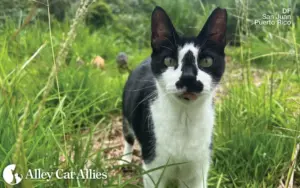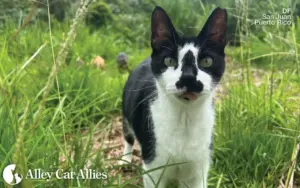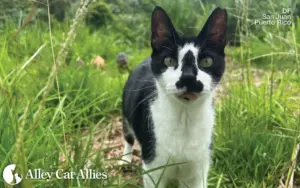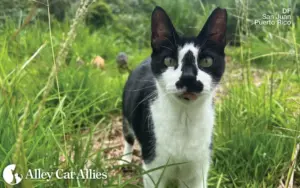

HONOLULU, HAWAIʻI — The ongoing debate over wildlife conservation and animal welfare in the Hawaiian Islands has escalated significantly. Alley Cat Allies, the premier international advocacy organization dedicated to the protection and humane treatment of cats, has formally and vehemently opposed the sweeping proposed amendments to Hawaii Administrative Rule (HAR) Chapter 13-124.
The organization warns that the proposed regulatory changes—put forward by the Hawaii Department of Land and Natural Resources (DLNR)—exceed state statutory authority, violate established animal cruelty laws, and prioritize cruel, ineffective lethal control over evidence-based, compassionate cat management solutions such as Trap-Neuter-Return (TNR).
Executive Overview
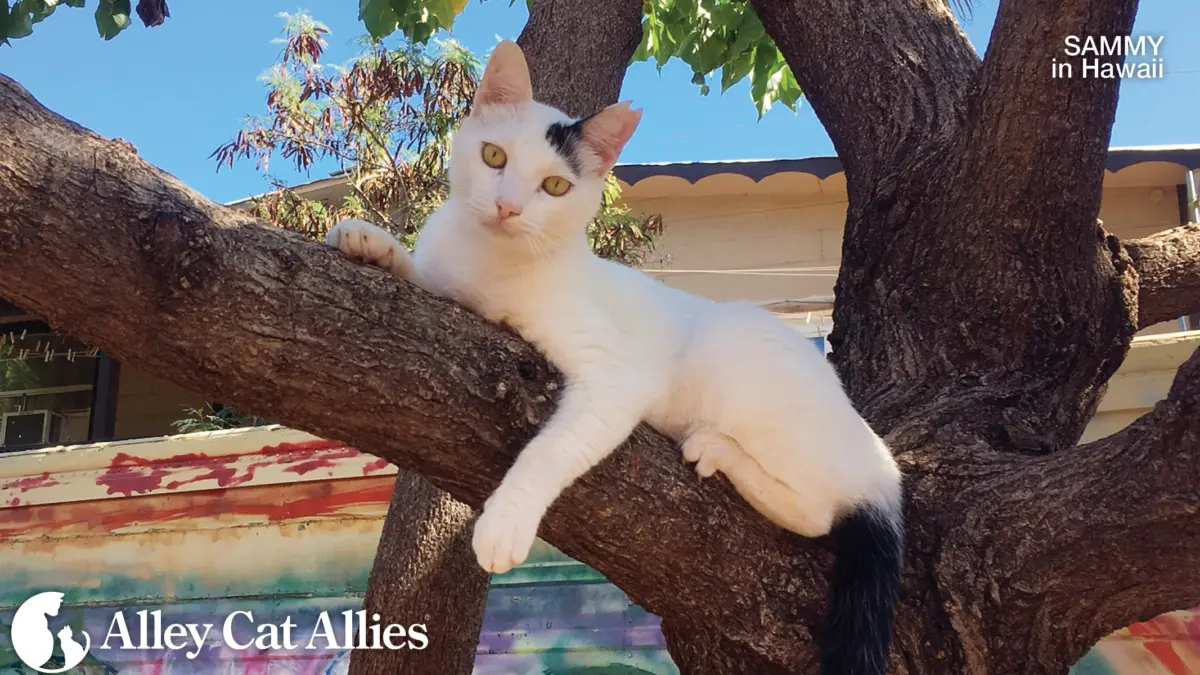
At the heart of the controversy is a fundamental disagreement over how to balance the preservation of Hawaiʻi’s delicate indigenous, threatened, and endangered wildlife with the humane treatment of unhoused and community cats living on the islands. While Alley Cat Allies unequivocally supports the protection of native species, the organization contends that the DLNR’s newly proposed rules rely on a flawed, one-size-fits-all methodology.
Specifically, the amendments would empower the DLNR to impound and destroy domestic animals that are not crated, caged, contained, or leashed—a designation that sweeps up outdoor community cats. Furthermore, the provisions effectively criminalize the core mechanism of TNR by prohibiting the feeding of cats on DLNR-managed lands.
Legal experts and animal welfare advocates argue that these sweeping measures do not merely protect wildlife; they usurp legislative authority, defy state animal cruelty statutes, and rely on vague administrative definitions that threaten to upend decades of collaborative community-based animal care across the Hawaiian archipelago.
Detailed Chronology and Regulatory Background
The friction surrounding Hawaii’s approach to outdoor cat populations is not a sudden development, but rather the latest chapter in a long-standing public policy debate.
The Legislative Precedent of 2022
The complexity of balancing localized wildlife conservation with humane cat management was brought to the forefront of Hawaii’s legislative branch during the 2022 session with the introduction of House Bill 1987 (HB 1987). The bill sought to directly address the intersection of animal welfare and conservation policy across the islands. However, after extensive debate and public scrutiny, the legislature ultimately chose not to enact HB 1987.
By declining to pass the measure, the legislature underscored the highly controversial and legally nuanced nature of the issue. According to legal analysts, an administrative agency cannot unilaterally achieve through rulemaking what the elected legislature explicitly chose not to enact through statutory law. The DLNR’s current attempt to bypass this legislative impasse via administrative amendment raises profound separation-of-powers concerns.
The Recent Public Hearings and Testimony
As the DLNR advanced the draft amendments to HAR Chapter 13-124, remote public hearings were scheduled to gather input from conservationists, animal advocates, and everyday residents. Alley Cat Allies mobilized quickly, attending the hearings and submitting comprehensive, formal testimony demanding the complete withdrawal of the proposed amendments.
The organization’s legal and advocacy teams underscored that rather than engaging in thoughtful, site-specific environmental management, the DLNR was attempting to enforce a blanket prohibition across all agency-managed lands without evidence of localized cat-wildlife conflicts.
Supporting Context & Metrics: The Science of TNR vs. The Fallacy of Lethal Control
To understand the gravity of the DLNR’s proposed rule changes, one must examine the scientific consensus surrounding community cat management and environmental conservation.
Why Lethal Control Fails
The DLNR’s regulatory framework heavily leans on lethal removal—authorizing the destruction of uncontained domestic animals. Decades of wildlife management studies have proven that lethal control is not only archaic and cruel, but also fundamentally ineffective.
When cats are removed from a specific geographic area through trapping and euthanasia, a phenomenon known as the "vacuum effect" occurs. Surviving or neighboring cats quickly migrate into the newly available territory, taking advantage of remaining food sources and rapidly resuming breeding cycles. Consequently, lethal removal offers only a temporary, revolving-door illusion of population reduction while exacting a devastating toll on animal welfare.
The Proven Efficacy of Trap-Neuter-Return (TNR)
Conversely, Trap-Neuter-Return stands as the gold standard for humane community cat population management. Through TNR:
- Cats are humanely trapped.
- They are spayed or neutered by licensed veterinarians, permanently ending the breeding cycle.
- They receive vaccinations against rabies and other diseases, safeguarding both feline and public health.
- They are treated for any underlying medical conditions and receive an eartip for instant visual identification.
- Finally, they are returned to their outdoor homes, where they live out their lives peacefully without contributing to population growth.
Published scientific studies confirm that TNR stabilizes and gradually reduces community cat populations over time. Furthermore, it eliminates nuisance behaviors associated with unsterilized animals, such as yowling, roaming, and territorial fighting. However, TNR relies entirely on the infrastructure of organized, consistent feeding by dedicated community caretakers—an activity that the DLNR’s proposed amendments would effectively outlaw on agency lands.
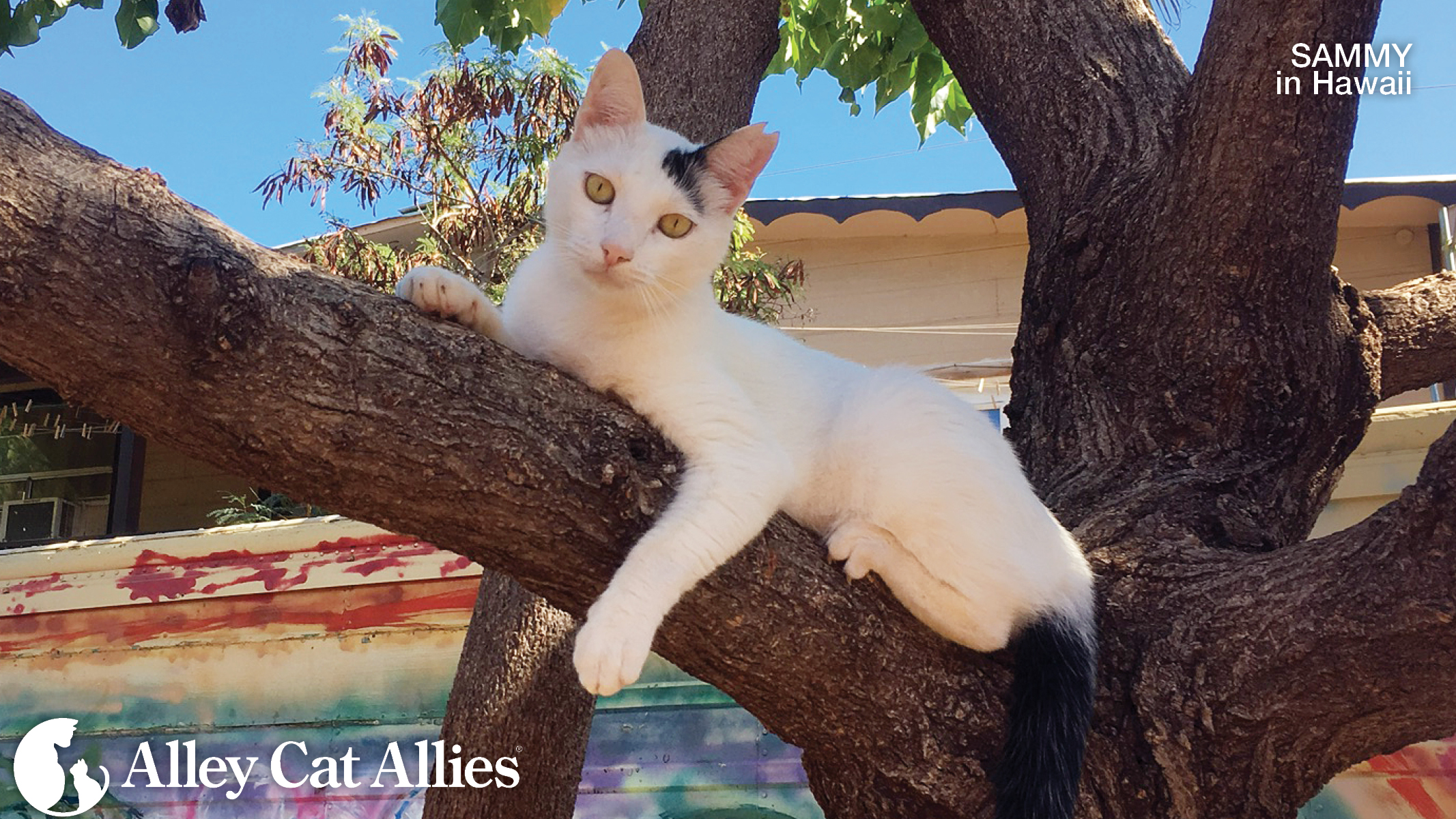
Addressing the Root Cause of Species Loss
A core argument advanced by Alley Cat Allies centers on the true drivers of indigenous wildlife decline in Hawaiʻi. While cats are frequently scapegoated, broader ecological science points to a different primary culprit.
The American Bird Conservancy, among other leading conservation entities, explicitly acknowledges that habitat loss is the single largest threat to birds and other native species. In Hawaiʻi, native wildlife populations are heavily impacted by a complex matrix of factors, including rapid human development, urban expansion, climate change events, diseases, and multiple invasive predators.
Alley Cat Allies argues that the DLNR’s fixation on cats is a misdirection of resources. True conservation success in Hawaiʻi requires confronting the underlying engines of habitat destruction and anthropogenic development, rather than resorting to the morally indefensible destruction of one species to protect another.
Legal Analysis and Official Arguments
The opposition mounted by Alley Cat Allies is built upon a formidable legal foundation, highlighting multiple fatal flaws in the DLNR’s administrative rulemaking process.
1. Exceeding Agency Authority and Statutory Overreach
Under Hawaii Revised Statutes (HRS) § 195D-6, the DLNR is empowered to adopt rules pursuant to Chapter 91 as necessary to carry out the purposes of Chapter 195D. However, the legislature expressly defined the term "take" in HRS § 195D-2 to apply exclusively to endangered and threatened species, specifically excluding indigenous species from that definition.
The proposed amendments to HAR Chapter 13-124 attempt to expand the reach of wildlife protection concepts—including "take," "harm," and "harass"—to cover indigenous wildlife alongside threatened and endangered species. Legal experts note that an administrative rule cannot substantively expand the reach of the enabling statute. By broadening the categories of protected species and altering legal liabilities, the DLNR is engaging in impermissible legislative rulemaking.
2. Direct Conflict with State Animal Cruelty Laws
Administrative rules in Hawaiʻi are legally subordinate to state statutes. Any administrative regulation that directly conflicts with an enacted statute is legally invalid.
HRS § 711-1108.5 explicitly prohibits individuals from intentionally, knowingly, or recklessly causing an animal’s death or physical harm, or subjecting an animal to cruel neglect or treatment. The DLNR’s proposed authorization of lethal removal directly exposes cats to physical harm and death. Furthermore, the blanket prohibition on feeding on agency lands constitutes cruel neglect by intentionally withholding sustenance from dependent animals. Thus, the proposed amendments place the DLNR in direct contravention of Hawaii’s criminal animal cruelty protections.
3. Constitutional Vagueness and Overbreadth
Due process requirements mandate that administrative regulations provide fair notice of prohibited conduct and establish clear standards for enforcement to prevent arbitrary application. The DLNR’s draft amendments are marred by imprecise drafting, leaving crucial terms undefined and enforcement metrics opaque. Rules characterized by vague standards and arbitrary enforcement mechanisms violate fundamental principles of administrative law.
4. Absence of Site-Specific Environmental Analysis
The DLNR’s proposed framework enforces a blanket, statewide prohibition across all agency-managed lands without requiring site-specific analysis. Ecology is inherently localized; all DLNR lands do not support the same native species, nor do they experience identical environmental pressures or human-wildlife conflicts. Implementing a one-size-fits-all ban without assessing local conditions is arbitrary, capricious, and contrary to sound natural resource management.
Future Outlook and Call to Action
The battle over HAR Chapter 13-124 represents a critical crossroads for animal advocacy and environmental policy in the Hawaiian Islands. The outcome will set a monumental precedent for how state agencies handle human-animal coexistence and conservation governance.
Alley Cat Allies remains unwavering in its commitment to protecting the cats of Hawaiʻi and supporting the dedicated grassroots networks, shelter workers, and veterinary professionals who labor tirelessly on their behalf. The organization’s overarching mission since 1990 has been to transform communities through education, compassionate care, and evidence-based policy. With over 1.8 million supporters worldwide, Alley Cat Allies continues to mobilize public pressure to hold regulatory bodies accountable.
The Path Forward
The immediate imperative is clear: The DLNR must withdraw the proposed amendments to HAR Chapter 13-124 in their entirety.
Moving forward, policymakers in Hawaiʻi must reject the false dichotomy that pits animal welfare against environmental conservation. True ecological stewardship requires holistic strategies that address human development and habitat restoration while honoring the ethical treatment of all living creatures.
Citizens, advocates, and animal lovers are urged to join the movement, voice their opposition to the DLNR’s overreach, and demand policies that safeguard Hawaii’s native wildlife while defending the lives and well-being of community cats.