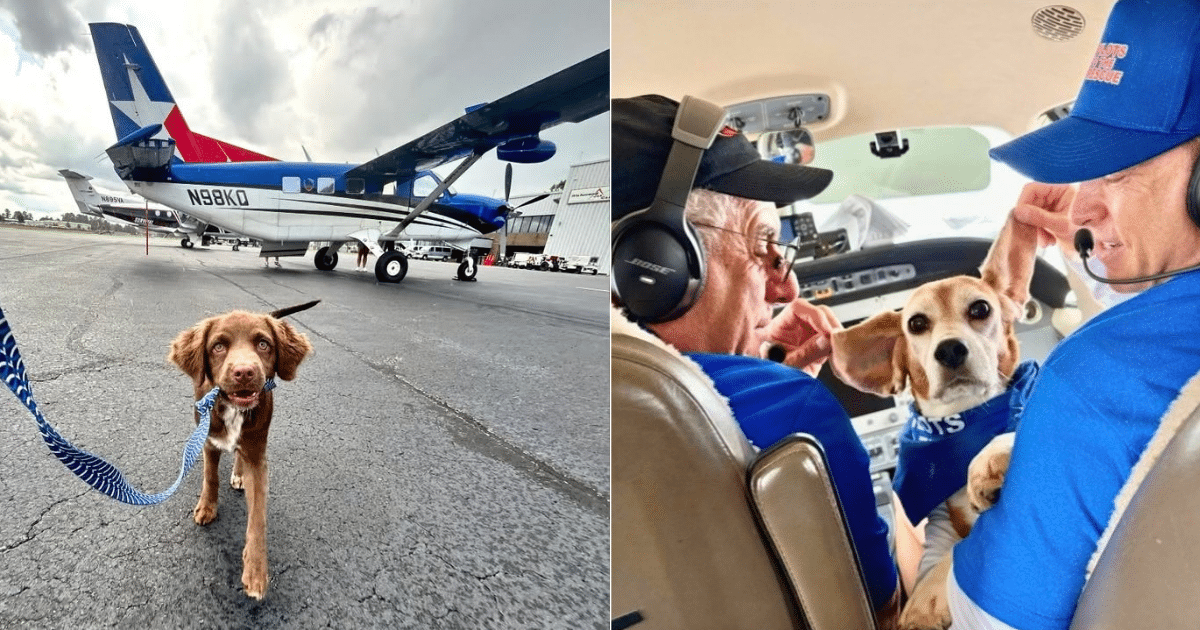
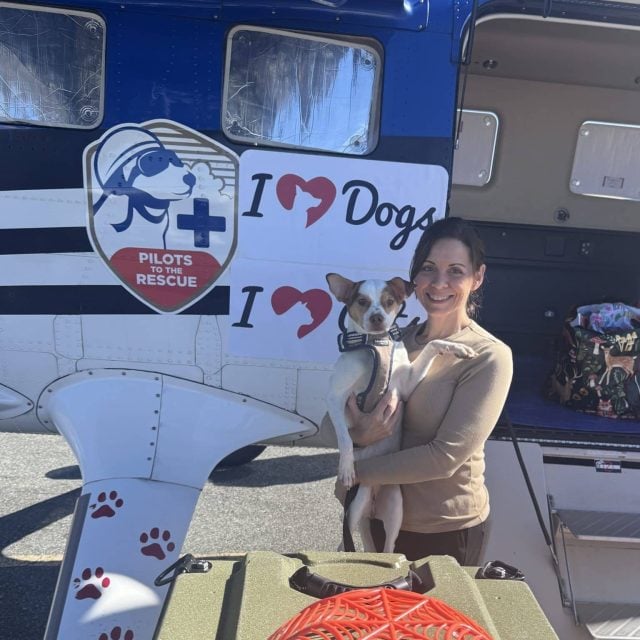
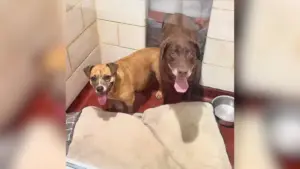
On Sunday, September 27, a specialized aviation transport mission codenamed "The Nightmare Before Halloween Rescue Flight" successfully relocated 18 highly vulnerable dogs from overcrowded municipal shelters in North Carolina to licensed receiving sanctuaries in New Jersey. The operation, executed through a strategic partnership between the canine advocacy organization iHeartDogs and the aviation non-profit Pilots To The Rescue (PTTR), highlights a growing reliance on private aviation to mitigate a severe capacity crisis plaguing animal shelters across the American South.
The transport pipeline represents a critical safety valve for municipal facilities facing unprecedented intake surges. By leveraging a coalition of micro-philanthropists—specifically members of the iHeartDogs Hero VIP Club—and volunteer aviators, the mission bypassed the grueling, multi-day ground transit routes that often exacerbate trauma in rescued animals. The 18 canine passengers, many of whom were hours away from potential euthanasia due to severe space constraints, have been placed into specialized foster and adoption networks throughout the Northeast, marking a pivotal transition from systemic neglect to structured rehabilitation.
Detailed Chronology of the Mission
+-------------------------------------------------------------------------+
|                        MISSION TIMELINE: SEPT 27                        |
+-------------------------------------------------------------------------+
|  05:00 AM EST  --  Intake, Veterinary Clearance & Crating (NC)          |
|  07:30 AM EST  --  Tarmac Boarding & Flight Plan Verification           |
|  08:15 AM EST  --  Takeoff: Heading North to New Jersey                 |
|  11:30 AM EST  --  Touchdown & Triage at Receiving Airfield             |
|  12:30 PM EST  --  Transfer to Jersey Girls Rescue & Peyton's Safe Haven|
+-------------------------------------------------------------------------+
The execution of "The Nightmare Before Halloween Rescue Flight" required weeks of precise logistical planning, veterinary screening, and interstate regulatory compliance.
Phase 1: Pre-Flight Quarantine and Medical Triage
Prior to boarding, all 18 canine candidates underwent rigorous health assessments in North Carolina to comply with both state Department of Agriculture regulations and interstate transport protocols. This included verifying rabies vaccinations, administering broad-spectrum antiparasitics, and securing Interstate Certificates of Veterinary Inspection (ICVIs). Many of the passengers, having originated from neglectful environments, required targeted stabilization to ensure they were fit for flight.
Phase 2: Embarkation and Flight Logistics
Early on the morning of September 27, transport volunteers transferred the dogs to a designated North Carolina airfield. Pilots To The Rescue configured the aircraft’s cabin to maximize crate security, ventilation, and temperature control—critical factors in minimizing stress-induced cortisol spikes in the animals. By mid-morning, the aircraft was airborne, navigating a flight path designed to minimize turbulence and transit time.
Phase 3: Arrival and Distribution in New Jersey
Upon landing at the receiving airfield in New Jersey, the aircraft was met by transport teams from two prominent northeastern rescue organizations:
Jersey Girls Animal Rescue: A specialized group focused on behavioral rehabilitation and foster-to-adopt placements.
Peyton’s Safe Haven: An organization equipped to handle neonatal care and survivors of extreme hoarding situations.
The dogs were systematically unloaded, triaged by on-site veterinary staff, and loaded into climate-controlled transport vans for transfer to their respective transition facilities.
Supporting Context & Metrics: The Crisis of Shelter Overcrowding
To understand the necessity of "The Nightmare Before Halloween Rescue Flight," one must examine the stark systemic disparities defining the modern American animal welfare landscape.
The North-South Rescue Pipeline
Municipal shelters in the American South face a compounding crisis driven by several regional factors:
Climatic Challenges: Longer warm seasons lead to extended breeding cycles, resulting in continuous influxes of stray litters.
Resource Disparities: Many rural Southern municipalities operate under severely restricted budgets, lacking the capital to fund robust low-cost spay/neuter initiatives or public education campaigns.
High Intake vs. Low Adoption Rates: The rate of animal surrenders consistently outpaces local adoption demand, forcing shelters to make difficult decisions regarding euthanasia for space.
Conversely, the Northeast features a highly regulated shelter ecosystem with lower stray populations, stronger spay/neuter compliance, and a high density of households seeking adoptable pets. The interstate transport pipeline bridges this geographical and demographic divide.
+--------------------------------------------------------------------------+
|                  REGIONAL SHELTER DYNAMICS COMPARISON                    |
+--------------------------------------------------------------------------+
| Metric                      | Southern Municipalities | Northeast Rescues|
+-----------------------------+-------------------------+------------------+
| Intake Volume               | Critical / Over Capacity| Managed / Low    |
| Local Adoption Demand       | Low to Moderate         | High             |
| Spay/Neuter Penetration     | Low (Socio-economic)    | High (Regulated) |
| Euthanasia Risk (Space)     | High                    | Negligible       |
+-----------------------------+-------------------------+------------------+
Case Studies in Survival
The 18 passengers aboard the September 27 flight were not merely statistics; they represented some of the most challenging cases of shelter survival.
Case Study 1: Beasley (The Road from Severe Neglect)
Beasley entered the rescue system showing acute signs of long-term physical neglect. In overcrowded municipal environments, dogs with complex medical or psychological needs are often the first slated for euthanasia, as staff lack the hours and isolation space required for individual rehabilitation.
Through a coordinated effort, foster caregivers in North Carolina stabilized Beasley, allowing her physical wounds to heal and her temperament to soften. However, without long-term placement, her progress remained precarious. Her transfer to Jersey Girls Animal Rescue ensures she will receive specialized behavioral support and exposure to a dedicated adoptive demographic capable of managing her continued recovery.
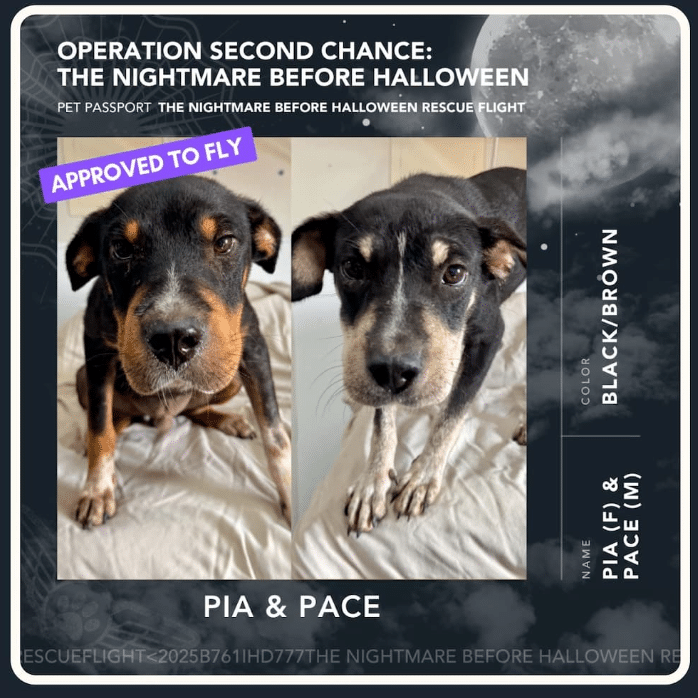
Case Study 2: Pia and Pace (Hoarding Case Survivors)
Puppies Pia and Pace were rescued from a severe hoarding environment—a chaotic setting where dozens of animals competed for basic resources, and many did not survive. Surviving such conditions leaves young animals highly susceptible to infectious diseases (such as parvovirus) and profound psychological trauma.
For Pia and Pace, rapid evacuation from the regional shelter system was a biological necessity. Their immune systems, compromised by early stress, could not withstand the high viral load typical of an overcrowded municipal kennel. Peyton’s Safe Haven accepted custody of the puppies, providing them with the quarantine protocols and socialization models essential for normal development.
Official Statements
Representatives from the participating organizations emphasized the collaborative nature of the mission, highlighting the intersection of private aviation, grassroots funding, and local rescue operations.
A spokesperson for iHeartDogs highlighted the funding model that sustains these operations:
"This flight demonstrates the tangible impact of micro-philanthropy. By pooling resources from our Hero VIP Club members and dedicated shoppers, we can convert transactional retail support into life-saving aviation fuel. When our community purchases a product or donates directly, they are directly funding the physical extraction of animals from high-kill environments. Beasley, Pia, and Pace are living proof that this model works."
The flight crew from Pilots To The Rescue reflected on the operational advantages of airborne transport:
"Time is the single greatest enemy of an endangered shelter animal. A ground transport from North Carolina to New Jersey can take anywhere from ten to fourteen hours, subjecting highly stressed animals to prolonged vibration, noise, and confinement. By utilizing general aviation assets, we compress that timeline to under four hours, delivering the animals to receiving shelters in a stable, highly adoptable state."
A coordinator at Peyton’s Safe Haven discussed the relief this transport brings to southern shelter staff:
"Every time an aircraft lands in New Jersey with 18 dogs, it does more than save those 18 lives—it vacates 18 kennels in North Carolina. This gives the exhausted staff on the ground the breathing room they desperately need to manage local surrenders and prevent immediate euthanasia decisions. This is a systemic relief effort."
Future Outlook
While transport missions like "The Nightmare Before Halloween Rescue Flight" provide immediate, life-saving intervention, industry experts recognize that aviation transport is a critical triage mechanism rather than a permanent solution to the companion animal crisis.
Addressing the Root Causes
To transition away from emergency transport dependency, regional and national animal welfare organizations are focusing on long-term systemic reforms:
Targeted Spay/Neuter Funding: Directing resources to high-intake zip codes in the South to establish mobile, low-cost clinics.
Shelter Diversion Programs: Providing pet food pantries, veterinary subsidies, and behavioral training resources to low-income pet owners to prevent owner surrenders.
Legislative Reform: Advocating for stricter regulations regarding commercial breeding operations and puppy mills, which contribute significantly to the pet overpopulation crisis.
The Role of Private-Public Partnerships
The success of the September 27 flight underscores the power of modern fundraising networks. By gamifying and incentivizing charitable giving through membership structures like the iHeartDogs Hero VIP Club, non-profits can establish reliable, recurring revenue streams to fund expensive aviation logistics.
As municipal budgets face continued pressure, these private-public partnerships will likely remain the primary defense line for at-risk shelter animals, transforming what would have been tragic statistics into stories of survival and recovery.