
Executive Overview
As the crisp autumn air settles over the rolling hills, coastal plains, and soaring peaks of the Tar Heel State, a vital seasonal transition takes place. The autumn window—widely recognized by horticulturists and ecologists alike as the premier time for planting trees, shrubs, and perennials—arrives in tandem with a statewide environmental milestone: North Carolina Native Plants Week, observed annually from October 19 to 25.
Far more than a seasonal gardening event, this designated week serves as an urgent call to action, highlighting the indispensable ecological role that native flora plays in sustaining local biodiversity. From the iconic Flowering Dogwood and majestic Longleaf Pine to delicate backyard favorites like spicebush and beautyberry, North Carolina boasts an astonishing catalog of more than 3,900 native plant species. These plants are the biological foundation of the state’s natural heritage, having evolved over millennia alongside the native wildlife, insects, and avian species that call the region home.
In recent years, the conversation surrounding native plants has shifted from the niche interests of botanical hobbyists to the forefront of mainstream conservation strategy. Recent policy victories and heightened public awareness have reinforced the undeniable value of native landscaping, positioning it as a frontline defense against habitat fragmentation, climate change, and steep declines in bird populations.
Spearheaded by organizations like Audubon North Carolina, conservationists are urging homeowners, urban planners, and agricultural stewards to utilize the fall planting season to establish deep-rooted ecological networks. By swapping out invasive, non-native ornamentals for indigenous powerhouses of biodiversity, North Carolinians can transform their backyards into critical refueling stations for migratory birds, breeding grounds for beneficial insects, and sustainable cornerstones for their local communities.
Detailed Chronology: The Evolution of Native Plant Conservation in North Carolina
To understand the current momentum behind North Carolina Native Plants Week, it is necessary to trace the historical relationship between the state’s landscape and its conservation movements. The timeline of ecological stewardship in the region reveals a gradual awakening to the absolute necessity of preserving indigenous botanical networks.
Pre-Colonial Foundations and Evolutionary Synergy
For thousands of years prior to European settlement, North Carolina’s ecosystems operated as self-sustaining, finely tuned webs of life. The flora that blanketed the coastal estuaries, the Piedmont clay, and the rugged Blue Ridge Mountains evolved hand-in-hand with the local fauna. Birds such as the Carolina Wren, the Brown-headed Nuthatch, and migratory thrushes adapted specific morphological and behavioral traits to exploit the exact nutritional profiles and structural designs of native trees and shrubs.
The Mid-to-Late 20th Century: The Ornamental Wave
As suburban development accelerated following the Second World War, the American landscape underwent a radical aesthetic transformation. Homeowners and developers aggressively imported exotic, non-native plant species—such as Bradford pear, English ivy, and Japanese honeysuckle—prized for their rapid growth, manicured appearance, or resistance to local pests. For decades, the ecological ramifications of this botanical homogenization went largely ignored by the general public, leading to the gradual displacement of native forests and a corresponding drop in native insect and bird populations.
The Turn of the Millennium: Scientific Clarity and the Insect Connection
A pivotal paradigm shift occurred in the early 2000s as groundbreaking entomological and ornithological research began to quantify the exact ecological cost of non-native landscaping. Scientists, most notably entomologist Dr. Doug Tallamy, demonstrated that native insects—the primary food source for 96% of terrestrial bird species—cannot digest foreign plants.
The realization that a manicured yard filled with imported ornamentals is essentially a "food desert" for local wildlife galvanized conservation groups, including the National Audubon Society and its state affiliates. Audubon North Carolina stepped up efforts to educate the public, transforming abstract conservation concepts into actionable, backyard-level strategies.
The Modern Era: Policy Wins and Native Plants Week
Over the past decade, advocacy efforts have transitioned from grassroots education to legislative and municipal policy changes. Local governments across North Carolina began adopting native plant ordinances for public spaces, while state agencies increasingly recognized the economic and environmental value of indigenous landscaping—particularly in stormwater management and climate resilience.
The formal establishment of North Carolina Native Plants Week (October 19–25) marked a major milestone in this ongoing movement. By consolidating public attention during the optimal fall planting window, conservationists successfully bridged the gap between ecological theory and tangible, seasonal action. Today, this annual observance serves as a rallying point for policy advocates, native plant nurseries, and everyday citizens committed to reversing ecological decline.
Supporting Context & Metrics: The Science of Sustenance
The push for native plants is not driven by aesthetic preferences alone; it is anchored in hard ecological data. Understanding the microscopic and macroscopic relationships between flora, fauna, and the environment reveals why native plants are irreplaceable components of a healthy ecosystem.
The Caterpillar Connection: Fueling the Avian Food Web
A common misconception among gardeners is that birds eat seeds and berries year-round. While seeds and fruits are vital winter and migratory resources, the reality of the breeding season is far more demanding. To raise a single clutch of nestlings, parent songbirds—such as chickadees, warblers, and bluebirds—must capture thousands of soft-bodied insects, predominantly caterpillars.
Herein lies the critical importance of native woody plants, particularly oaks and birches. According to ecological studies supported by Audubon:
- Native Oaks (Quercus spp.): Support over 500 species of caterpillars, serving as the ultimate biological engine for breeding birds.
- Non-Native Trees (e.g., Ginkgo biloba or non-native maples): Often support fewer than 10 native caterpillar species, rendering them virtually useless for feeding nestlings.
Without an abundant supply of native insects hosted by native plants, local bird populations face severe reproductive bottlenecks, contributing to the well-documented, sweeping declines in North American bird numbers over the past half-century.
Migration Pitstops and Fall Fuel
As autumn progresses from October into November, the ecological demands shift from breeding to migration. Millions of Neotropical migratory birds—including thrushes, catbirds, warblers, and tanagers—traverse North Carolina’s skies, stopping to refuel along the way.
Native berry-producing shrubs and trees, such as American beautyberry (Callicarpa americana), spicebush (Lindera benzoin), and various native viburnums, provide high-lipid, high-energy fruits that enable these birds to complete grueling long-distance journeys. Furthermore, the dense, multi-layered canopy of native forests offers essential shelter from predators and severe weather during transit.
Biodiversity Metrics in North Carolina
North Carolina’s unique topography—stretching from the maritime forests of the Outer Banks through the rolling red-clay hills of the Piedmont to the ancient, mist-shrouded peaks of the Appalachians—creates a kaleidoscope of microclimates. This geographical diversity yields:
- Over 3,900 native plant species, providing a rich genetic library of flora adapted to specific local soils, moisture levels, and sunlight patterns.
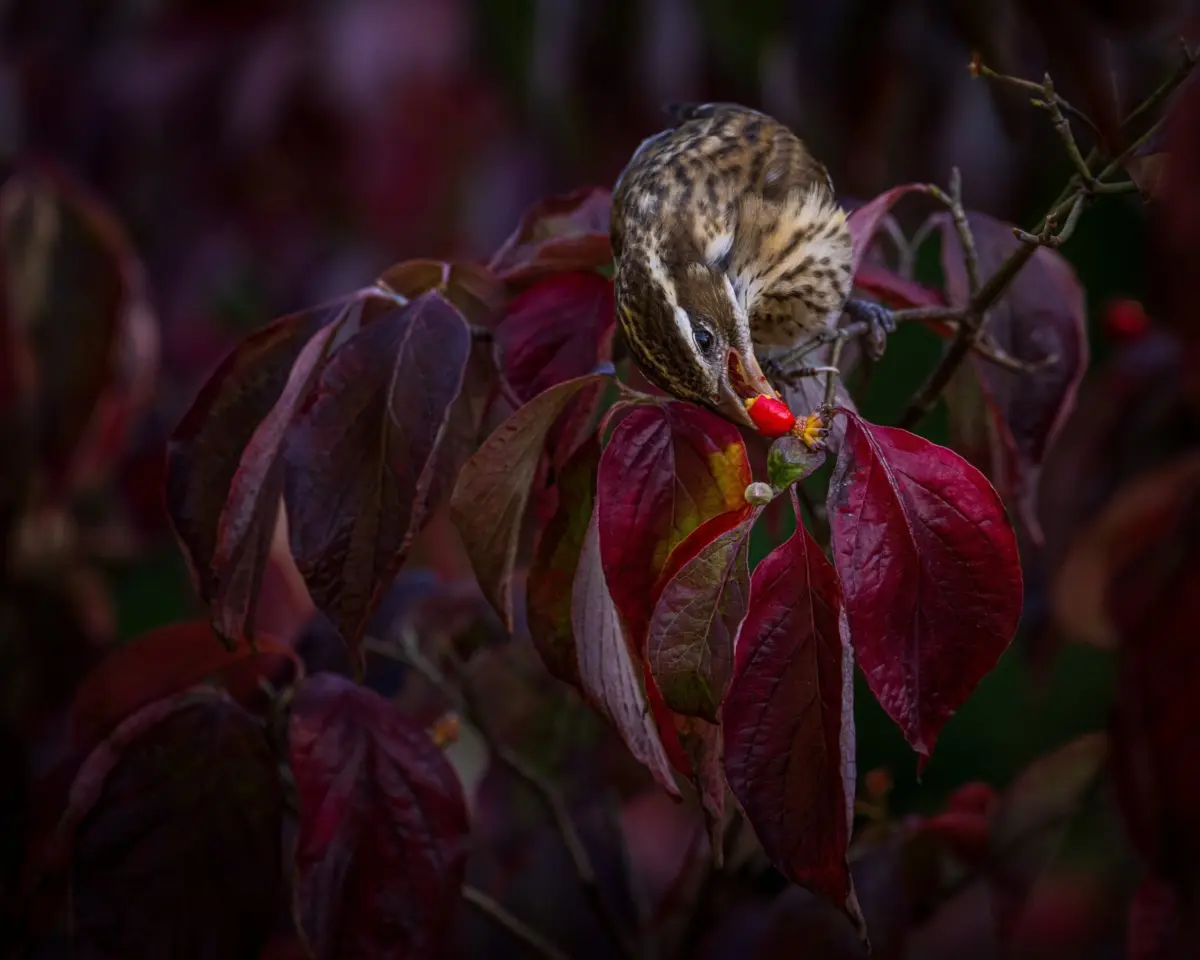
- The State Flower (Flowering Dogwood – Cornus florida): Provides high-fat drupes consumed by dozens of bird species, while its branching structure offers ideal nesting sites.
- The State Tree (Longleaf Pine – Pinus palustris): Once covering millions of acres, this ecosystem supports rare and endangered bird species like the Red-cockaded Woodpecker, proving that native trees are tied directly to species survival.
Official Statements & Expert Insights
As momentum builds around North Carolina Native Plants Week, conservation leaders and wildlife advocates emphasize that the power to heal local ecosystems rests largely in the hands of private property owners.
"Native plants are the bedrock of our natural ecosystems. They have co-evolved over thousands of years with the birds, insects, and other wildlife that call North Carolina home," notes a spokesperson for Audubon North Carolina. "When we plant native species, we aren’t just decorating our yards; we are actively rebuilding the food web that supports our state’s iconic bird species, from the Carolina Wren to the Brown-headed Nuthatch."
Conservationists point out that urban and suburban sprawl has fragmented vast tracts of natural habitat, turning private residential yards into the primary battlegrounds for biodiversity conservation.
"It is no longer enough to protect our state parks and national forests," conservation advocates argue. "We must bring nature back into our suburban neighborhoods, corporate campuses, and city parks. Every native oak, dogwood, or beautyberry planted in a backyard acts as a vital stepping stone, creating safe biological corridors for birds navigating an increasingly urbanized world."
Moreover, experts stress that successful native landscaping requires intentionality. Planting the right tree in the right place, ensuring proper root establishment during the fall, and avoiding the trap of accidental over-maintenance are key tenets of modern conservation horticulture. To assist the public in this endeavor, Audubon has made specialized resources widely accessible, including comprehensive guides on urban tree care and avian habitat management.
Future Outlook: Cultivating a Resilient Tomorrow
Looking ahead, the success of North Carolina Native Plants Week and the broader native plant movement will depend on sustained education, policy integration, and community action. As climate change introduces new pressures—ranging from prolonged droughts to severe storm events—the resilience of North Carolina’s natural environment will be tested.
The Role of Fall Planting
The emphasis on October 19–25 as a focal point for planting is rooted in sound horticultural science. Fall in North Carolina provides an ideal window:
- Soil Temperatures: Still warm from the summer sun, encouraging rapid, robust root growth without the stress of extreme heat.
- Moisture Levels: Autumn and winter rains typically provide consistent hydration, allowing young root systems to establish themselves firmly before the high-energy demands of spring leaf-out.
By shifting planting habits from the traditional spring rush to the autumn window, gardeners give trees and shrubs the best possible start, reducing the need for artificial watering and chemical fertilizers.
Expanding Urban Canopies and Policy Horizons
Municipalities across North Carolina are increasingly recognizing that native trees are natural infrastructure. Urban heat island effects, stormwater runoff, and air pollution can all be mitigated through strategic, native-focused urban forestry programs. Future policy horizons point toward expanded tax incentives for native landscaping, stricter regulations on the sale of invasive exotic plants, and mandatory native vegetation quotas in commercial real estate developments.
A Collective Call to Action
Ultimately, the future of North Carolina’s birds and wildlife depends on a cumulative cultural shift. Whether an individual owns a sprawling multi-acre farm in the coastal plain or a modest townhouse patio in the bustling heart of the Piedmont, every square foot planted with native species makes a measurable difference.
As North Carolina Native Plants Week unfolds this October, the message to residents is clear: step outside, embrace the autumn planting season, and put down roots for the future. The birds—and the generations of North Carolinians yet to come—will thank you.