
Executive Overview
The Goldendoodle has firmly cemented its status as one of the most beloved and sought-after designer companion dogs in the world. Renowned for their affectionate personalities, high intelligence, and trademark teddy-bear appearances, these crosses between Golden Retrievers and Poodles have captured the hearts of families, singles, and allergy sufferers alike. However, behind the universal appeal of this designer breed lies a complex genetic landscape that often confuses prospective pet owners.
Terms like "F1," "F1B," "F2," and "multigenerational" are frequently bandied about by breeders and online forums, yet their profound implications for a puppy’s coat type, grooming needs, hypoallergenic qualities, and overall health are rarely understood at a glance. Far from being arbitrary marketing jargon, these alphanumeric codes denote specific breeding lineages that directly dictate physical traits, temperament nuances, and genetic predictability.
This comprehensive investigative report cuts through the confusion to provide an authoritative breakdown of Goldendoodle generations. Whether you are navigating the adoption process for the first time or looking to understand the intricate science of canine hybridization, this guide explores the fundamental distinctions that every responsible pet owner must know.
Detailed Chronology: Decoding the Generations
To truly understand a Goldendoodle, one must trace its lineage backward to see how different generations are engineered. The letter "F" stands for "filial," denoting a hybrid generation, while the numbers and letters that follow map out the precise genetic blueprint of the dog.
The F1 Goldendoodle: The Pioneer Cross
The F1 generation represents the foundational, first-generation cross between two purebred dogs: a Golden Retriever and a Poodle. This pairing creates a predictable 50-50 genetic split.
- Characteristics and Temperament: F1 Goldendoodles are widely celebrated as the quintessential family pet. They inherit the exceptionally friendly and gentle demeanor of the Golden Retriever alongside the sharp intellect of the Poodle. Highly trainable and deeply affectionate, they thrive on human companionship—though this profound attachment can occasionally manifest as separation anxiety if they are left alone for extended periods.
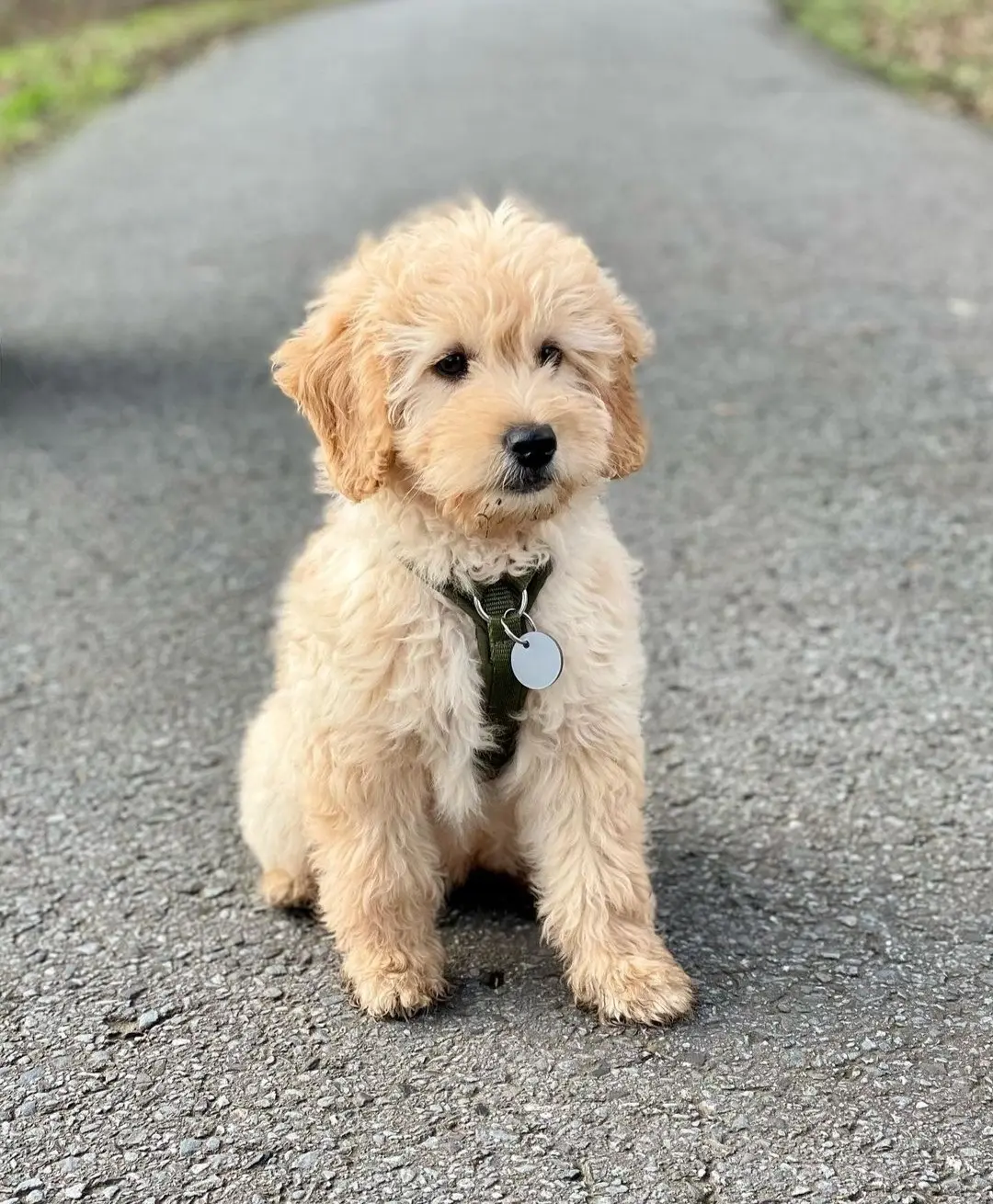
- Coat and Appearance: F1 coats typically feature a wavy or loose-curl texture. They come in a stunning array of colors, including deep red, jet black, cream, and apricot. Full-grown standard F1 Goldendoodles generally weigh between 50 and 90 pounds, while miniature variations range from 15 to 35 pounds.
- Shedding and Allergies: While F1 Goldendoodles shed significantly less than a purebred Golden Retriever, they are not universally hypoallergenic. Their allergy-friendliness depends entirely on the specific dominant traits inherited from the Poodle parent.
The F1B Goldendoodle: The Backcross for Allergy Sufferers
The "B" in F1B stands for "backcross." This designation means an F1 Goldendoodle has been bred back to one of its original purebred parent breeds—most commonly a Poodle.

- Genetic Breakdown: An F1B Goldendoodle is typically composed of 75% Poodle and 25% Golden Retriever genetics. (While reverse backcrosses exist—producing 75% Golden Retriever and 25% Poodle mixes—they are far less common and generally non-hypoallergenic).
- Coat and Hypoallergenic Qualities: Because of the dominant Poodle genetics, F1B Goldendoodles boast significantly reduced shedding and tighter, curlier coats. This makes them the premier choice for households dealing with moderate to severe pet allergies.
- Predictability: The higher percentage of Poodle DNA allows ethical breeders to predict adult sizes, coat types, and shedding levels with much greater accuracy than first-generation litters.
The F1BB Goldendoodle: Maximum Poodle Influence
Taking the backcross concept one step further, the F1BB Goldendoodle is created by breeding an F1B Goldendoodle back to a purebred Poodle.
- Genetic Breakdown: The resulting puppy is approximately 87.5% Poodle and only 12.5% Golden Retriever.
- The Ultimate Allergy Solution: For families seeking a near-zero-shedding companion, the F1BB generation is often considered the gold standard. Their dense, curly coats trap loose hairs effectively, preventing dander and fur from circulating throughout the home. Despite the heavy Poodle influence, they retain much of the relaxed, joyful temperament characteristic of the classic Goldendoodle line.
The F2 Goldendoodle: The Second-Generation Experiment
An F2 Goldendoodle is produced by breeding two F1 Goldendoodles together.
- Genetic Variability: While the genetic makeup remains theoretically 50% Poodle and 50% Golden Retriever, the predictability of physical traits drops sharply. F2 litters exhibit a much wider diversity of coat types—ranging from straight, retriever-like coats to wavy and tightly curled variations.
- Temperament and Vigor: F2 dogs are exceptionally playful, highly social, and bursting with character. However, because traits segregate more widely in this generation, prospective owners must be prepared for a wider variance in grooming requirements and shedding levels.
F3 and Multigenerational Goldendoodles
F3 Goldendoodles represent the third generation of the lineage, born from the union of two F2 Goldendoodles. When breeders continue crossing Goldendoodles across subsequent generations (F3, F4, and beyond), the dogs are categorized as "multigenerational" or "multigens."
- Stability Through Selective Breeding: Multigenerational Goldendoodles are carefully curated to lock in specific traits, such as non-shedding coats, specific sizes, and calm temperaments. Because of this selective refinement, multigen dogs often offer the most consistent coat types and predictability for allergy sufferers, though finding a reputable breeder who health-tests these complex lines is paramount.
Supporting Context & Metrics: Health, Exercise, and Grooming
Navigating the world of Goldendoodles requires a clear understanding of their practical care requirements, physical metrics, and long-term health profiles.
Size Classifications Across Generations
Goldendoodles are bred in three distinct size categories, heavily influenced by the type of Poodle (Toy, Miniature, or Standard) used in the lineage:
- Toy/Teacup: Typically under 15 pounds and standing under 13 inches tall.
- Miniature: Generally weighing between 15 and 35 pounds and standing 13 to 20 inches tall.
- Standard: Ranging anywhere from 45 to over 90 pounds and standing over 21 inches at the shoulder.
Exercise and Mental Stimulation Metrics
- Physical Activity: Goldendoodles are athletic, high-energy dogs. Regardless of generation, they require a minimum of 30 to 60 minutes of daily exercise—such as brisk walks, interactive games of fetch, or visits to a secure dog park—to prevent destructive behaviors driven by boredom.
- Mental Enrichment: High intelligence requires constant engagement. Puzzle toys, obedience training, and learning new tricks are critical for keeping a Goldendoodle’s mind sharp.
Lifespan and Veterinary Health Projections
With proper nutrition, regular veterinary screenings, and an active lifestyle, Goldendoodles boast a healthy lifespan of 10 to 15 years. However, because they inherit genetic traits from both parent breeds, owners must remain vigilant about common predispositions, including:

- Hip and elbow dysplasia
- Progressive retinal atrophy (PRA)
- Ear infections (due to hair growth inside floppy ear canals)
- Skin allergies and food sensitivities
Official Statements & Breeder Insights
Veterinary professionals and ethical breeders emphasize that understanding canine genetics is the key to a harmonious pet ownership experience. According to canine geneticists, no dog breed—including the Goldendoodle—is 100% hypoallergenic, as all dogs shed dander (dead skin cells) and proteins in their saliva and urine.
"When clients ask if a Goldendoodle is hypoallergenic, we always redirect the conversation toward coat generation and individual exposure," notes a leading small-animal veterinarian. "An F1 cross might trigger allergies in a sensitive individual, whereas an F1B or F1BB with a heavy Poodle influence will often be tolerated exceptionally well. Genetics are never a guarantee, but they are our best predictive tool."
Ethical breeders also stress the importance of health-testing parent stock. Because designer breeds have surged in popularity, puppy mills have occasionally exploited the market. Industry experts advise prospective owners to verify that breeders perform genetic screenings for hereditary joint, eye, and cardiac disorders before committing to a puppy of any generation.
Future Outlook: The Evolution of the Goldendoodle Standard
As the pet industry matures, the future of Goldendoodle breeding is moving steadily toward greater standardization, transparency, and ethical oversight. Historically viewed with skepticism by traditional kennel clubs, designer breeds are increasingly benefiting from organized registries and breed-club initiatives aimed at establishing formal health and conformation standards.
Moving forward, the shift toward multigenerational breeding is expected to stabilize coat types and minimize the unpredictability historically associated with F1 and F2 crosses. As genetic testing becomes more accessible and affordable for everyday breeders, consumers can look forward to unprecedented transparency regarding a puppy’s shedding coefficient, health trajectory, and adult temperament.
For families seeking an intelligent, loving, and adaptable companion, understanding the nuances of these generations transforms the adoption journey from a guessing game into an informed, rewarding decision. By aligning your lifestyle, allergy needs, and home environment with the correct Goldendoodle generation, you pave the way for a lifetime of harmonious companionship.