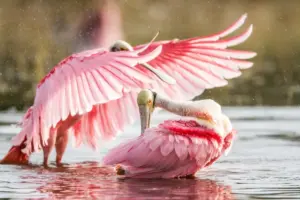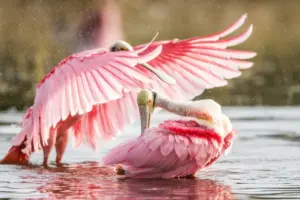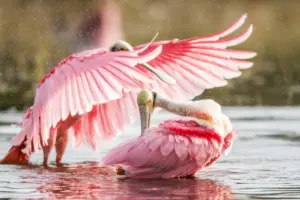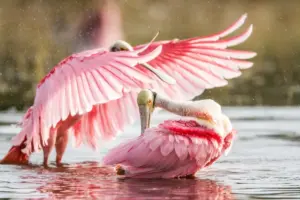

Across the vibrant cityscape of Hopkins, Minnesota, a silent migration has touched down on brick walls, local businesses, and public buildings. From a Yellow-bellied Sapsucker greeting patrons outside a neighborhood brewery to a Field Sparrow perched quietly on the exterior of a local diner, a striking flock of avian murals has transformed the urban landscape. These vibrant additions form the heart of Hopkins’ local implementation of the national Audubon Mural Project—a public-art initiative commissioning artists across the country to spotlight bird species facing existential threats from climate change.
Positioned strategically along the Mississippi Flyway—a globally significant migratory superhighway utilized by hundreds of species—Hopkins provides a uniquely fitting backdrop for this ecological art movement. Yet, the project is much more than a cosmetic upgrade to the city’s walls. It represents a powerful convergence of grassroots civic engagement, science communication, and public art. Spearheaded by local resident Francoise Shirley and brought to life through a coalition of city departments, arts organizations, and conservation chapters, the initiative has rippled outward. From elementary school gymnasiums to massive public works complexes, the Hopkins mural wave has successfully galvanized a community to reckon with its environmental responsibilities, foster deep ecological stewardship, and envision a resilient future for local biodiversity.
Detailed Chronology of the Hopkins Mural Project
The journey of the Hopkins Audubon Mural Project reads as a masterclass in grassroots community organizing, evolving from a moment of personal grief into a citywide cultural and ecological phenomenon.
Genesis and Mobilization (2024–Early 2025)
The initiative began taking shape when Hopkins resident Francoise Shirley encountered an article detailing the national Audubon Mural Project in Audubon magazine. Shirley’s connection to birds was personal; following the passing of her mother, she had turned to backyard birdwatching for solace and a restored sense of connection to the natural world. As her familiarity with local avifauna deepened, so did her awareness of a sobering reality: the alarming, widespread decline of common North American bird species. Searching for a way to channel her concern into tangible action, Shirley envisioned bringing the mural concept to her own hometown.
Shirley initiated dialogues with key local stakeholders, including the City of Hopkins, the Hopkins Center for the Arts, and the Land of Lakes Bird Alliance (a local chapter of the National Audubon Society). The reception was overwhelmingly positive. Funding was secured through a hybrid model combining partial financial backing from the city and the Hopkins Center for the Arts, alongside a successful community-led crowdfunding campaign. This financial structure ensured broad civic participation, fostering an authentic sense of collective ownership over the initiative.
The Autumn 2025 Debut
In September 2025, the first wave of murals materialized along Mainstreet, turning local businesses into open-air galleries for climate-threatened species:
- Hoagie’s Family Restaurant (824 Mainstreet): Artist Audrey Carver painted delicate, two-foot-by-two-foot panels featuring a Clay-colored Sparrow and a Field Sparrow. Framed by native prairie grasses and soft yellow backgrounds, the intimate portraits honored birds often overlooked in urban settings.
- Dragonland Tattoo (923 Mainstreet): Artist Kada Goalen conceptualized "the spaces between," painting six distinct panels that showcased everyday micro-environments where Hopkins residents encounter local birds, including an Indigo Bunting, Scarlet Tanager, Golden-winged Warbler, Pine Grosbeak, Wood Thrush, and Brown Thrasher.
- LTD Brewing (723 Mainstreet): Artist Adam Turman capitalized on the striking red plumage of the Yellow-bellied Sapsucker and the Red-headed Woodpecker, depicting a sapsucker actively drilling birch bark to harvest sap.
The completion of these initial works catalyzed a cascading wave of community programming. October 2025 marked Hopkins’ inaugural Migratory Bird Day celebration, featuring educational events anchored by local farmers markets, toy stores, and coffee shops. Simultaneously, the Land of Lakes Bird Alliance launched an educational course at the Hopkins Activity Center, pairing guided mural tours with actionable lessons on retrofitting residential homes to be bird-friendly.
Student-Led Expansion (Spring 2026)
Building on the momentum of the Mainstreet installations, the project expanded into local schools. In the spring of 2026, approximately 450 students spanning kindergarten through fifth grade at Alice Smith Elementary School took up brushes to paint four native Minnesota bird species: the Henslow’s Sparrow, Cerulean Warbler, American Goshawk, and Boreal Owl. Under the guidance of art teacher Nikki Frueh, the student body executed the murals collaboratively, unveiling the final works at the school’s spring art show to widespread acclaim.
The Public Works Masterpiece (Summer 2026)
The project reached a monumental scale in the summer of 2026 with the completion of an 80-foot-by-20-foot mural on the City of Hopkins Public Works Department building. Crafted by Colorado-based artist and former avian field researcher Catie Michel, the sprawling composition—titled "After Dark"—interwove nocturnal species like the Eastern Whip-poor-will and Wood Thrush with the native insects and host plants that sustain them.
Supporting Context & Metrics: Climate Threats to Local Avifauna
The scientific urgency underpinning the Hopkins mural initiative is drawn directly from comprehensive ecological frameworks, most notably the National Audubon Society’s Survival by Degrees report. Audubon climate models project that if global greenhouse gas emissions and warming continue at their current pace, North America stands to lose significant portions of its breeding bird ranges.
The species highlighted across Hopkins’ murals face staggering habitat loss metrics:
| Species Highlighted | Mural Location | Projected Summer Range Loss (Audubon Models) | Primary Ecological Vulnerabilities |
|---|---|---|---|
| Field Sparrow | Hoagie’s Family Restaurant | 72% loss | Reliance on brushy pastures and overgrown meadows; vulnerable to increased wildfires and extreme heat waves. |
| Clay-colored Sparrow | Hoagie’s Family Restaurant | 70% loss | Projected potential complete extirpation from breeding ranges within Minnesota. |
| Scarlet Tanager | Dragonland Tattoo | 68% loss | Dependence on large, contiguous blocks of mature forest; highly sensitive to forest fragmentation and urbanization. |
| Golden-winged Warbler | Dragonland Tattoo | Up to 100% loss | Severe baseline population declines across the U.S.; complete projected contraction out of the continental United States. |
| Yellow-bellied Sapsucker | LTD Brewing | 88% loss | Potential geographic shift entirely into the far northern boreal regions of Canada. |
| Red-headed Woodpecker | LTD Brewing | 94% loss | Dramatic contraction out of extensive historic breeding strongholds across the American South and Midwest. |
| Boreal Owl | Alice Smith Elementary | 84% loss | Contraction out of Minnesota into the extreme northern extensions of Canada due to warming boreal taiga zones. |
These ecological pressures are compounded at the local level. Marian Weidner, president of the Land of Lakes Bird Alliance, notes that urban birds frequently encounter acute hazards such as artificial light pollution, building glass collisions, and the displacement of native flora by invasive species. By highlighting these interconnected vulnerabilities, the mural projects bridge the gap between global climate modeling and hyper-local conservation action.
Official Statements & Artist Perspectives
The success of the Hopkins initiative rests upon the collaborative ethos shared by its founders, civic leaders, and contributing artists.
- Francoise Shirley, Project Spearhead: Reflecting on the evolution of the initiative from backyard birdwatching to municipal art, Shirley emphasizes the importance of localized awareness. "We wanted to bring awareness to the fact that birds in our very own backyards in Hopkins are vulnerable, not just those in other parts of the country or world," she explains. Commenting on the crowdfunding model, she adds, "We really got a huge segment of the population to be involved and feel ownership in this initiative."
- Audrey Carver, Artist (Hoagie’s Family Restaurant): Bridging a background in environmental science with fine art, Carver views public murals as a vital educational conduit. "When I’m able to incorporate my passion for environmental education and art to help people engage with their local ecosystem," Carver notes, "it’s really an amazing opportunity."
- Kada Goalen, Artist (Dragonland Tattoo): Focusing her design on micro-narratives, Goalen sought to ground her work in the daily experiences of Hopkins residents. "I wanted it to be very approachable and really make sense to the environment around Hopkins," she says. Reflecting on the community’s deep-rooted artistic culture, she adds, "Hopkins has a special place in my heart. I love the community, and I love how much they support art, too."
- Adam Turman, Artist (LTD Brewing): Highlighting the joy of public art creation in his neighboring municipality, Turman remarks, "To have an opportunity to go for a call right next door, in a city that’s wonderful and beautiful and loving and caring, that was really special. My whole goal when I do murals is to make people happy."
- Nikki Frueh, Art Teacher (Alice Smith Elementary): Describing the profound impact of student participation, Frueh observed, "It was really awesome to see this project come together as a student body, to hear students talking about it, and for the kids to be so impressed and amazed at their own work… There was this ‘aha’ moment for many when they saw how it all came together."
- Catie Michel, Artist (Public Works Building): Connecting her past career in avian field research with her muralism, Michel poetically summarized the deeper aspirations behind her massive public installation: "Perhaps this title [‘After Dark’] can also refer to a still-possible time in the future when these birds are no longer designated as especially vulnerable… When all bird—and all beings—populations reach a balanced state, and when our societal systems reflect an ethos of collective care."
Future Outlook
As the Hopkins Audubon Mural Project continues to mature, its legacy extends far beyond the physical coats of paint adorning local masonry. The initiative has successfully established a blueprint for how municipalities along vital migratory flyways can leverage public art to advance ecological literacy and climate resilience.
Looking ahead, project partners intend to expand educational initiatives, integrating mural-based field studies into broader school curricula and deepening community participation in bird-safe building retrofits and native habitat restoration. By transforming urban walls into vibrant reminders of the natural world, Hopkins has demonstrated that art can serve as both a mirror reflecting ecological vulnerability and a catalyst for collective environmental stewardship.