
Executive Overview
In the quiet, predawn hours of a Friday near a bustling Tennessee highway, an extraordinary rescue unfolded that highlights the profound dedication of animal welfare volunteers and the remarkable resilience of a newborn feline. Rocky, a vibrant, ginger-coated kitten barely a month old, survived a harrowing ordeal after becoming trapped deep inside a dark, labyrinthine drainage pipe near the Hixson YMCA. Pinned beneath a heavy barricade of rocks that shifted during the initial search efforts, the tiny cat’s survival hung by a thread.
Thanks to the tireless persistence of Holly—a volunteer with the Chattanooga-based rescue organization SCRATCH, Inc.—and her husband, Rocky was located just in time. What began as a desperate late-night search driven by faint, plaintive meows transformed into a story of miraculous survival, heartwarming recovery, and astonishing early development. Today, having transitioned from the damp, claustrophobic confines of a highway culvert to the warmth and safety of a foster home, Rocky is thriving. This comprehensive report details the chronology of his rescue, the physiological and psychological recovery of trauma-surviving neonates, the vital role played by grassroots rescue networks in Tennessee, and the roadmap for his eventual adoption into a permanent home.
Detailed Chronology of the Rescue
The Midnight Alert
The operation began late on a Friday evening when local reports reached SCRATCH, Inc. regarding persistent, distressed cat cries echoing near the Hixson YMCA, a high-traffic area bordered by steep embankments and busy roadways. Recognizing the immediate danger posed by speeding vehicles and nocturnal predators, Holly and her husband mobilized without hesitation.
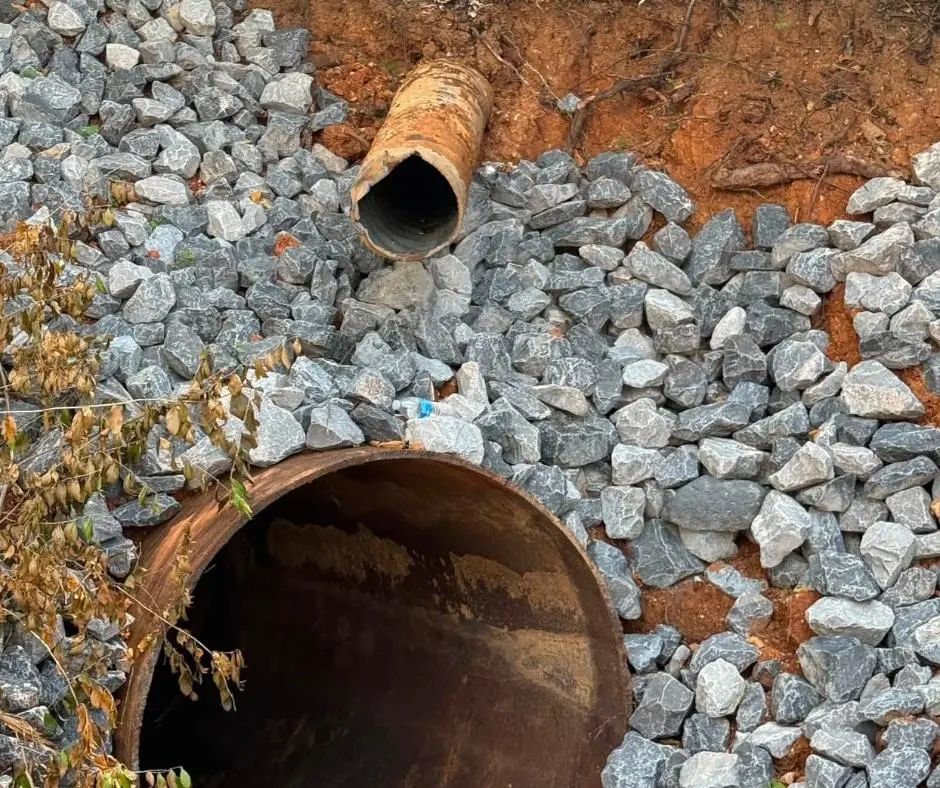
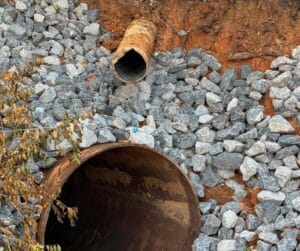
Upon arriving at the scene, the couple conducted an initial auditory sweep. The cries were emanating from the upper entrance of a massive concrete drainage system situated at the base of a hill near the freeway. Believing the kitten might inadvertently wander out of the safety of the pipe and directly into oncoming traffic, the rescuers took immediate preventative measures, temporarily securing the upper opening before descending the hillside to locate the culvert’s lower terminus.
Navigating the Labyrinth
Locating a distressed animal inside an expansive municipal drainage system in total darkness presents monumental challenges. Sound echoes unpredictably within concrete cylinders, making triangulation nearly impossible through human hearing alone. To circumvent this, the rescuers employed an innovative acoustic strategy: playing digital recordings of kitten distress calls via a smartphone speaker down the length of the pipe.
The strategy worked. In response to the audio stimuli, faint answering cries cut through the ambient noise, guiding the couple deeper into the shadowed perimeter of the infrastructure. However, their progress was abruptly complicated by an unforeseen hazard. As they neared the source of the sound, a shifting pile of heavy landscaping stones—presumably dislodged by environmental erosion or human interference—had collapsed over the lower drainage opening, effectively sealing the kitten inside a dark, stony prison.
The Breakthrough: Spotting the Tail
Operating under the illumination of a single flashlight beam, Holly’s husband meticulously combed the debris field. Amidst the jagged edges of the heavy stones, a minute detail caught the light: the minuscule, unmistakable tip of a ginger kitten’s tail.
Realizing the severity of the situation, the rescuer began the painstaking, delicate process of removing the heavy rocks one by one. Each stone lifted represented a calculated risk; a misstep could cause further collapse upon the fragile creature hidden beneath. With extreme care, the debris was cleared away, revealing the tiny orange body pinned underneath.
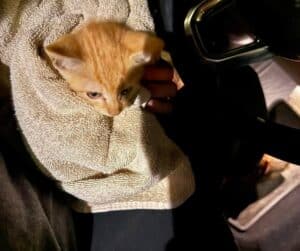
To the absolute astonishment of his rescuers, when Rocky was lifted from the rubble, he bore no visible physical trauma. Even more remarkable than his physical soundness was his immediate behavioral response. The moment Holly gathered the trembling kitten to her chest, the weeks-old neonate ceased crying and instantly began to purr—a visceral display of relief and instinctive comfort.
Supporting Context & Metrics: Neonatal Rescue and Rehabilitation
The Physics and Risks of Drainpipe Entrapment
Drainage systems represent a double-edged sword for urban wildlife and stray domestic animals. While they offer temporary shelter from inclement weather and predators, they are fraught with lethal hazards. For a kitten weighing barely one pound (approx. 450 grams), the risks include:
- Hypothermia: Concrete culverts maintain low temperatures, and neonates lack the physiological capability to regulate their core body temperature.
- Flash Flooding: Even light rainfall miles away can turn a dry culvert into a raging torrent within minutes.
- Dehydration and Starvation: Without a nursing mother, a one-month-old kitten can succumb to metabolic collapse within 24 to 48 hours.
Growth and Nutritional Metrics
Upon entering the care of SCRATCH, Inc., Rocky underwent a comprehensive veterinary intake assessment. The metrics recorded during his initial weeks in foster care underscore the remarkable effectiveness of targeted neonatal rehabilitation:
| Metric Category | Initial Intake Assessment | Two-Week Follow-Up | Percentage / Growth Change |
|---|---|---|---|
| Body Weight | ~1.0 lb (453 g) | ~2.0 lb (907 g) | +100% increase |
| Hydration Status | Mildly dehydrated | Optimal / Normal | Stabilized via electrolyte support |
| Parasite Load | Moderate flea infestation | Resolved | Treated via topical flea bath protocols |
| Behavioral Metrics | Fearful, vocalizing | Playful, purring, highly affectionate | Transitioned to secure attachment |
This rapid doubling of body weight over a fourteen-day period indicates a robust metabolism and an absence of underlying systemic infections, validating the efficacy of the specialized feeding and warmth protocols implemented by his foster caregiver.
Official Statements and Behavioral Observations
Voices from the Front Lines
Reflecting on the miraculous moment of extraction, Holly shared the emotional weight of the encounter with animal welfare journalists.
"The minute I pulled him to me, he immediately began to purr," Holly recalled.
This profound display of trust despite severe trauma highlights the unique emotional capacity of felines. Animal behaviorists note that purring in neonates is not merely an expression of contentment, but an evolutionary self-soothing mechanism activated during periods of extreme stress or pain.
Cognitive Development and Socialization
As Rocky transitioned into a standard foster care routine, his developmental milestones astonished his caregivers. Far from showing behavioral deficits associated with early maternal separation and trauma, Rocky demonstrated advanced cognitive abilities:
- High-Five Mastery: Despite being under two months of age, Rocky rapidly learned to execute a conditioned response, offering a paw for a "high-five" on command during training and play sessions.
- Toy Preference: He exhibits an intense affinity for interactive play, showing particular enthusiasm for feather wand toys that stimulate his predatory instincts in a controlled, safe environment.
- Appetite Drive: Exhibiting a voracious appetite, Rocky eagerly consumes high-calorie kitten formulations and wet food critical for his rapid skeletal and muscular development.
The Heartbeat-Stuffed Toy Intervention
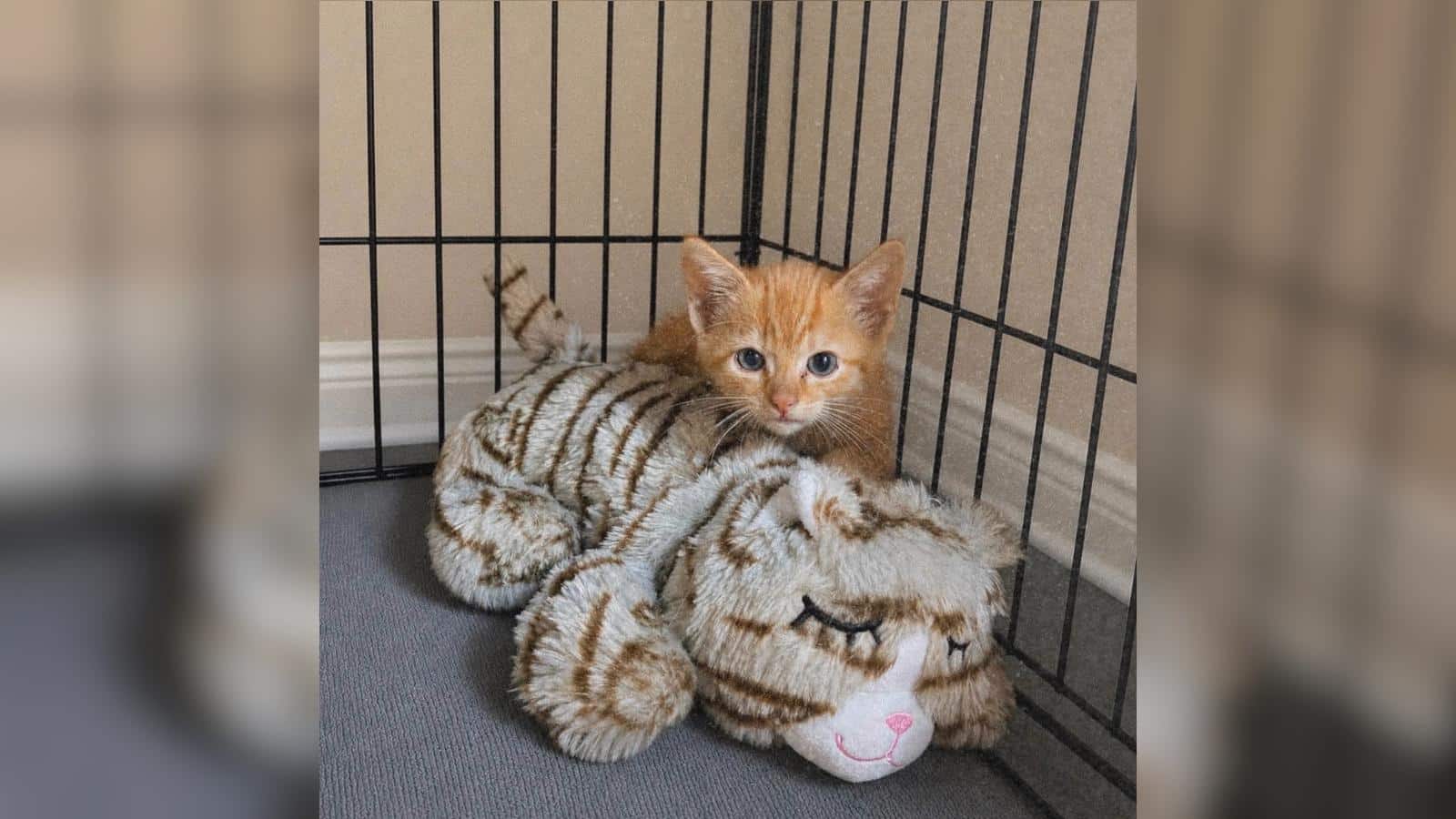
To mitigate the psychological impact of maternal deprivation, Rocky’s foster home utilized specialized therapeutic tools, most notably a heartbeat-stuffed toy placed on his bedding. The device emits a rhythmic, low-frequency pulsing sensation designed to mimic a mother cat’s heartbeat.
For neonatal kittens, this tactile and auditory simulation is crucial. It regulates heart rate, reduces cortisol spikes, and provides a secure anchor for sleep cycles. Rocky’s intense attachment to this companion—frequently curling directly against it during rest periods—has provided a vital psychological bridge, ensuring his transition from a terrifying highway culvert to domestic life was smooth and psychologically stabilizing.
Future Outlook and Adoption Roadmap
Current Status and Medical Milestones
At present, Rocky continues to reside in his foster home under the direct supervision of Holly and the network of volunteers at SCRATCH, Inc. He is undergoing standard vaccinations, deworming schedules, and developmental check-ups.
The immediate future holds one major medical milestone:
- Surgical Sterilization: Once Rocky reaches the optimal weight and age threshold required for pediatric alter surgeries (typically around 3 pounds or 12 weeks of age), he will be scheduled for neutering.
- Adoption Readiness: Immediately following post-operative recovery, Rocky will officially be cleared for adoption.
The Path to a Permanent Home
Given his vibrant personality, striking ginger coat, and viral rescue narrative, SCRATCH, Inc. anticipates significant interest from prospective adopters. However, the organization maintains stringent screening protocols to ensure that the tiny survivor—who fought his way out from beneath a mountain of rocks—is placed in a forever home equipped to meet his high-energy, highly social needs.
Conclusion
The story of Rocky the drainpipe kitten transcends a simple local animal rescue; it serves as a testament to the tenacity of life and the unwavering compassion of animal rescue volunteers. From the freezing depths of a Tennessee highway culvert to the comforting pulse of a heartbeat toy and the playful swipe of a high-five, Rocky’s journey stands as a beacon of hope. As he prepares for his next chapter in a permanent adoptive home, the legacy of his midnight rescue will endure as a reminder of how quickly despair can be transformed into unconditional love.