
Executive Overview
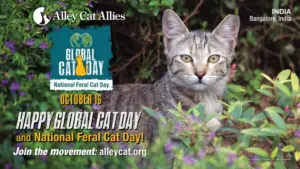
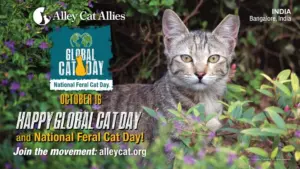
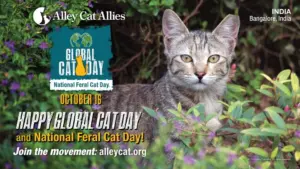
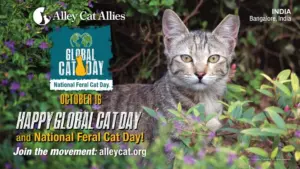
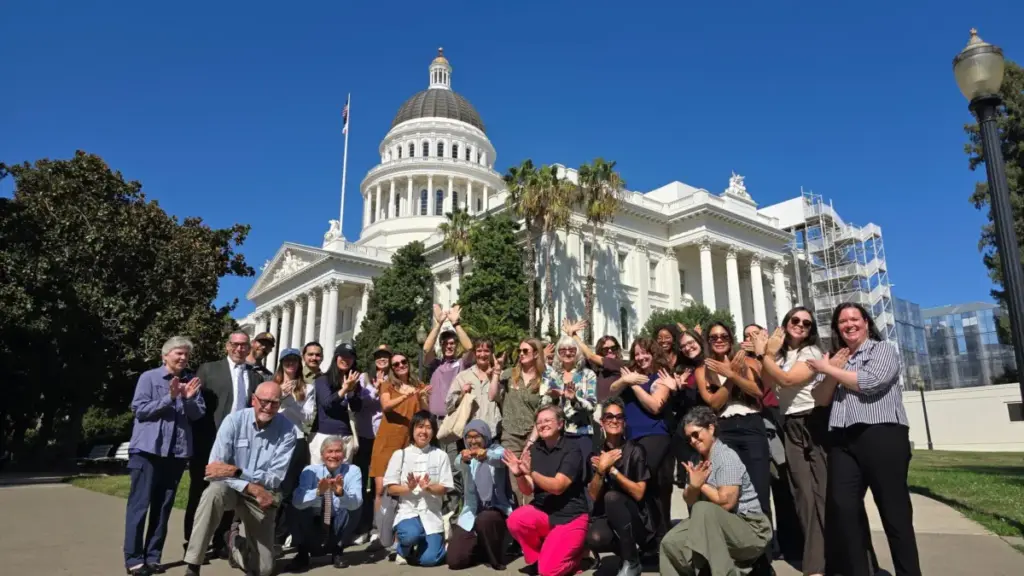
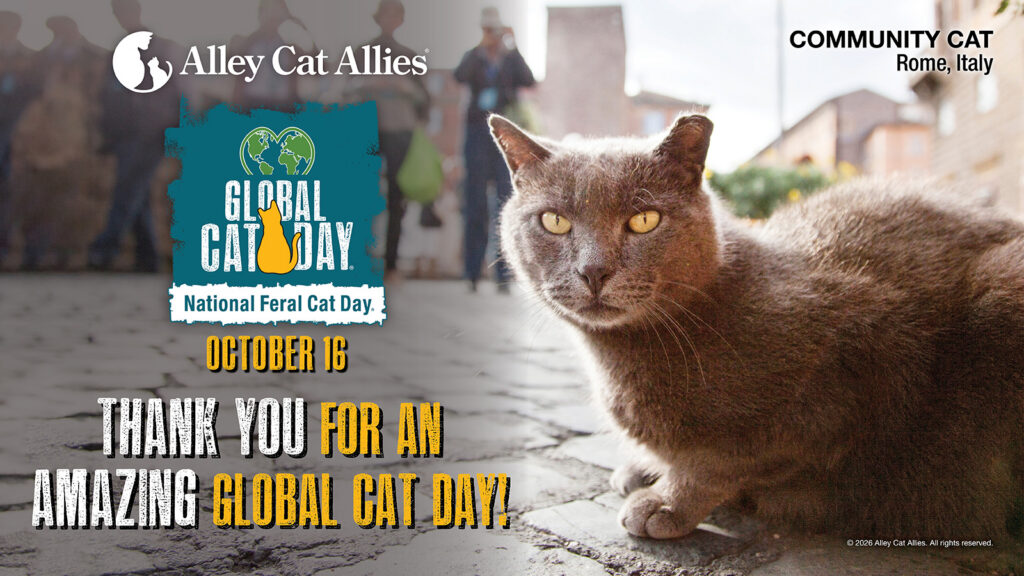
On October 19, 2026, animal welfare advocates, organizations, and compassionate citizens around the globe reflected on the monumental success of the annual Global Cat Day and National Feral Cat Day campaign. Spanning continents from the United States to Syria, Puerto Rico, and Thailand, participants united under a singular, powerful declaration: Cats Are Community™.
Spearheaded by Alley Cat Allies—the global engine of the humane cat advocacy movement since 1990—this year’s mobilization demonstrated the tangible impact of grassroots action combined with institutional partnerships. Across multiple U.S. states and international territories, teams deployed directly into the field to execute Trap-Neuter-Return (TNR) initiatives, deliver emergency veterinary care, stock community food pantries, and advocate for progressive municipal policy reforms.
While the official day of action highlights a concentrated 24-hour window of heightened awareness, the underlying mission remains a year-round commitment. With a growing coalition of over 1.8 million supporters worldwide, Alley Cat Allies continues to dismantle archaic, lethal animal control policies in favor of compassionate, science-driven strategies that protect community cats and enrich the human-animal bond.
Detailed Chronology of Field Operations and Regional Impact
The 2026 Global Cat Day campaign saw intensive, boots-on-the-ground deployments led by Alley Cat Allies and its extensive network of regional partners. Each participating region faced unique challenges, requiring tailored interventions ranging from emergency medical response to legislative advocacy and veterinary outreach.
Texas: Expanding Granite Shoals’ Lifesaving Infrastructure
In Granite Shoals, Texas, October 16 marked a pivotal day of direct protection and medical intervention. Collaborating closely with the Hill Country Humane Society, Alley Cat Allies hosted a specialized Global Cat Day TNR clinic. The organization fully covered the costs associated with surgeries, rabies and core vaccinations, microchipping, and critical post-operative care. Additionally, teams distributed substantial supplies of nutritious wet cat food to sustain local caregivers who shoulder the daily responsibilities of colony management.
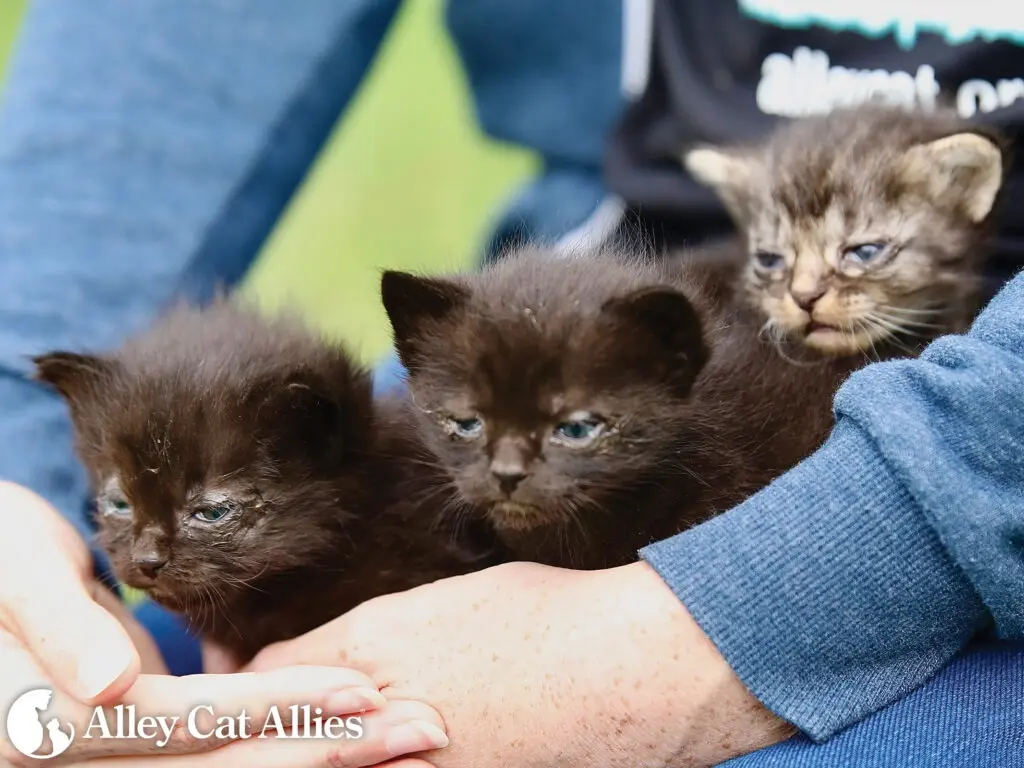
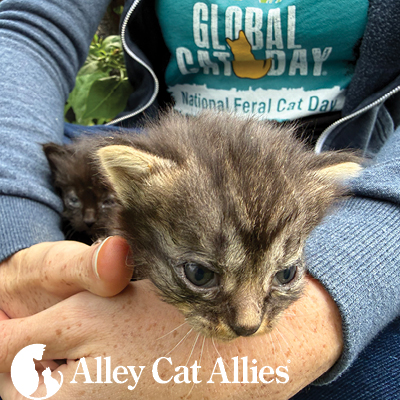
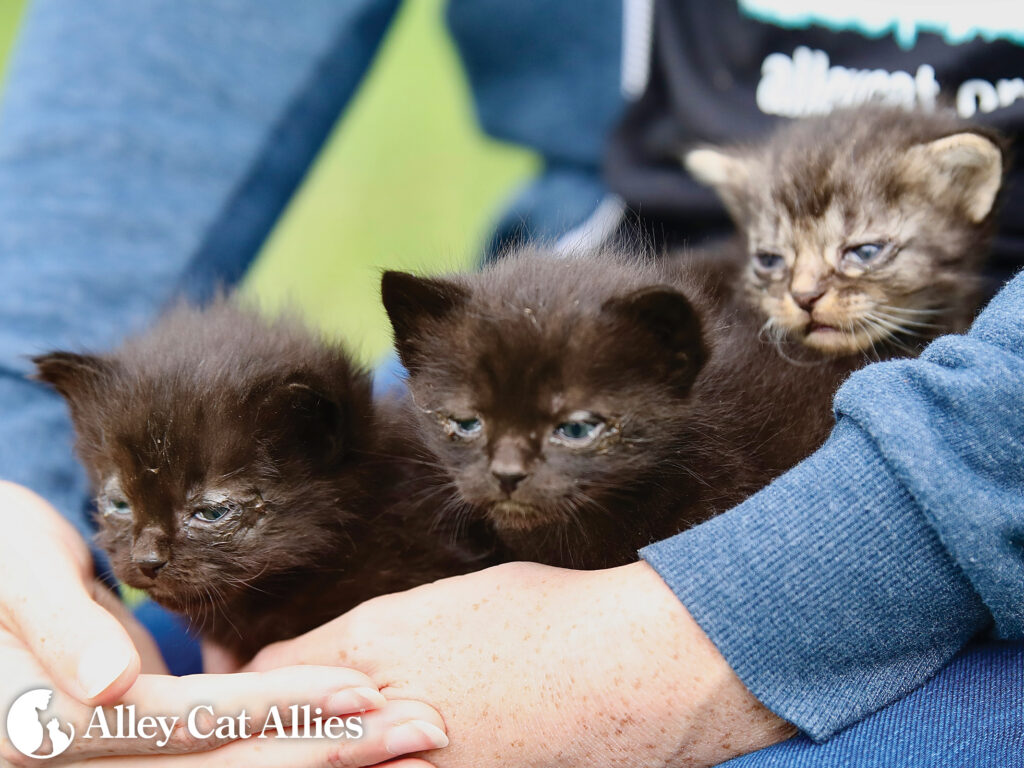
Amidst the clinic operations, field teams encountered an unexpected emergency: three tiny kittens discovered in unseasonably cold October weather. Exhibiting severe upper respiratory infections that demanded immediate medical triage, the kittens were seamlessly integrated into the mobile clinic’s workflow. They received targeted antibiotic therapy, warming support, eye treatments, and specialized nutrition.

This operation underscores a long-standing commitment to Granite Shoals. In 2023, Alley Cat Allies stepped up to oppose proposed lethal control measures targeting local community cats, amplifying the voices of the Hill Country Humane Society, the Granite Shoals Police Department, and dedicated local caregivers. Through sustained advocacy and education, this coalition successfully guided the city toward the adoption of a progressive, positive TNR ordinance in March 2024. The 2026 clinic stands as a testament to the enduring fruit of that legislative victory, generating a sustainable ripple effect of lifesaving change.
Maryland: Empowering Local Rescuers
In Maryland, the focus shifted to resource distribution and accessible veterinary care. Alley Cat Allies partnered with A Cat’s Life Rescue throughout Global Cat Day week to absorb all financial burdens related to spay and neuter surgeries, microchipping, and comprehensive vaccinations.
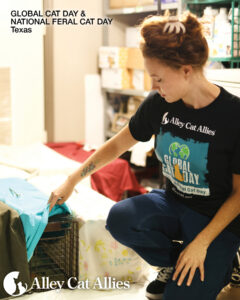
Recognizing that many dedicated caregivers face severe financial strain, the initiative went beyond clinical interventions. Alley Cat Allies heavily stocked the rescue group’s community food bank with high-quality wet cat food. By ensuring that local volunteers have reliable access to nutritional supplies, the initiative reinforced the backbone of Maryland’s community cat safety net.
Puerto Rico: Defending Vulnerable Populations
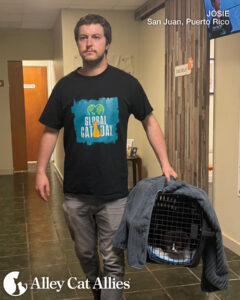
The campaign in San Juan and surrounding Puerto Rican communities highlighted the intersection of daily care and complex wildlife-feline politics. Alley Cat Allies field personnel provided direct oversight and nourishment for community cats, including notable feline residents such as Llorin, Gizmo, and Josie.
When Josie required advanced diagnostic screening and targeted medical treatment for underlying health concerns, teams transported her to a partnered veterinary clinic to guarantee she received comprehensive, dignity-affirming care.
This localized care occurs against the backdrop of a historic macro-level victory. Alley Cat Allies has maintained a continuous presence in Puerto Rico for years, locked in advocacy battles to defend outdoor cats against hostile policies. Most recently, the organization secured a major legal and administrative triumph, successfully halting a controversial U.S. National Park Service plan that threatened lethal eradication of regional cat populations.

Virginia: Bolstering Richmond’s Caregiver Network
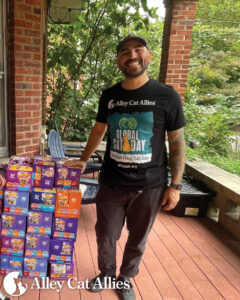
On October 16, Alley Cat Allies deployed to Richmond, Virginia, joining forces with the Richmond SPCA to execute a massive no-cost food distribution event. Richmond has long been a focal point for the organization’s regional strategy, which consistently emphasizes the integration of accessible TNR programs and material support for human caregivers. By scaling up resources during Global Cat Day, the initiative provided immediate relief to families and independent rescuers navigating economic pressures while feeding outdoor colonies.
New Jersey: Celebrating Model Programs in Atlantic County
In Atlantic County, New Jersey, Global Cat Day celebrations were integrated into ongoing, high-level municipal programs. Alley Cat Allies maintained its daily routine of food delivery, emergency medical intervention, and systematic TNR, utilizing the backdrop of the famous Boardwalk Cats program.

The Boardwalk Cats initiative serves as an internationally recognized model for municipal-supported TNR. By demonstrating how a major tourist-heavy municipality can successfully manage, sterilize, and care for community cat colonies in harmony with public spaces, Atlantic County continues to provide a blueprint for cities worldwide seeking humane, cost-effective population management.
Arizona: Educating the Veterinary Community in Tempe
In the Phoenix metropolitan area, outreach extended deep into the educational and professional sectors. Alongside funding local TNR efforts, Alley Cat Allies targeted Tempe, Arizona, with intensive educational campaigns aimed at key municipal and professional stakeholders.
Because veterinarians are the literal and figurative heartbeat of effective TNR programs—executing the surgical sterilizations and medical treatments that ensure program success—their active participation is non-negotiable. Alley Cat Allies reached out directly to local veterinary practices, distributing expert educational materials, clinical guidelines, and resource packages designed to encourage practitioners to welcome community cats into their standard operating procedures and offer affordable pricing structures.
Supporting Context and Metrics
The success of Global Cat Day 2026 reflects a broader cultural and institutional shift in how society views outdoor and unowned felines. For decades, municipal animal control models relied heavily on catch-and-kill approaches—a method proven by decades of data to be ineffective, expensive, and fundamentally inhumane.

- The Vacuum Effect: Lethal control creates a vacuum effect; when cats are removed from a specific territory, unsterilized survivors or cats from surrounding areas move in to exploit available food sources, causing populations to rapidly rebound or increase.
- TNR Efficacy: Trap-Neuter-Return halts reproduction permanently, stabilizes population sizes naturally, eliminates nuisance behaviors associated with mating (such as yowling and spraying), and improves the overall health and body condition of the animals.
- Economic Sustainability: Studies consistently demonstrate that municipal adoption of TNR drastically reduces taxpayer expenditures on municipal animal shelter intake and euthanasia overhead, reallocating funds toward proactive public health initiatives.
Alley Cat Allies’ achievement of uniting over 1.8 million active supporters since its inception in 1990 highlights the explosive growth of evidence-based animal welfare. By shifting the paradigm from eradication to coexistence, the organization has catalyzed policy changes in thousands of municipalities globally.
Official Statements and Perspectives
Leadership within the animal welfare community emphasized that Global Cat Day is designed to challenge systemic misconceptions while celebrating grassroots heroism.
"From the streets of Texas and Puerto Rico to international communities across the globe, the message of Global Cat Day is unmistakable: Cats Are Community," representatives from Alley Cat Allies noted during the week’s events. "When we provide resources like TNR, veterinary care, and food distribution, we are not just helping individual cats—we are strengthening the very fabric of our neighborhoods. Humane policy is effective policy."
Local partners echoed this sentiment. Directors at the Hill Country Humane Society and the Richmond SPCA praised the collaborative framework, noting that corporate and national nonprofit partnerships bridge the gap between underfunded local shelters and the overwhelming day-to-day demands of community animal care. Furthermore, veterinary professionals in Tempe highlighted the transformative impact of educational outreach, acknowledging that demystifying community cat care within veterinary schools and private practices is essential for cultivating the next generation of animal advocates.

Future Outlook: Sustaining the Momentum
While the formal celebrations of October 16 have drawn to a close, organizers stress that the fight for feline protection is a 365-day commitment. The initiatives launched in Texas, Maryland, Puerto Rico, Virginia, New Jersey, and Arizona serve as stepping stones toward broader legislative and cultural milestones.
Key Strategic Objectives for the Coming Year:
- Legislative Reform: Continuing to lobby local, state, and federal governments to repeal outdated ordinances that criminalize cat feeding or permit lethal control, replacing them with codified TNR protections.
- Veterinary Inclusion: Expanding educational pipelines into veterinary colleges and private clinics to normalize community cat medicine and increase the availability of low-cost sterilization services.
- Emergency Disaster Preparedness: Bolstering infrastructure in vulnerable regions—such as coastal territories and island communities prone to severe weather—to ensure rapid-response feeding and medical networks are permanently in place.
- Community Empowerment: Supplying grassroots caregivers with the education, trapping equipment, and nutritional resources required to maintain healthy, managed colonies independently.
As planning begins for the 2027 Global Cat Day campaigns, the overarching mandate remains clear. Through continued education, legislative advocacy, and unyielding compassion, the international animal welfare community is steadily building a world where every cat is valued, protected, and recognized as an integral part of the community fabric.