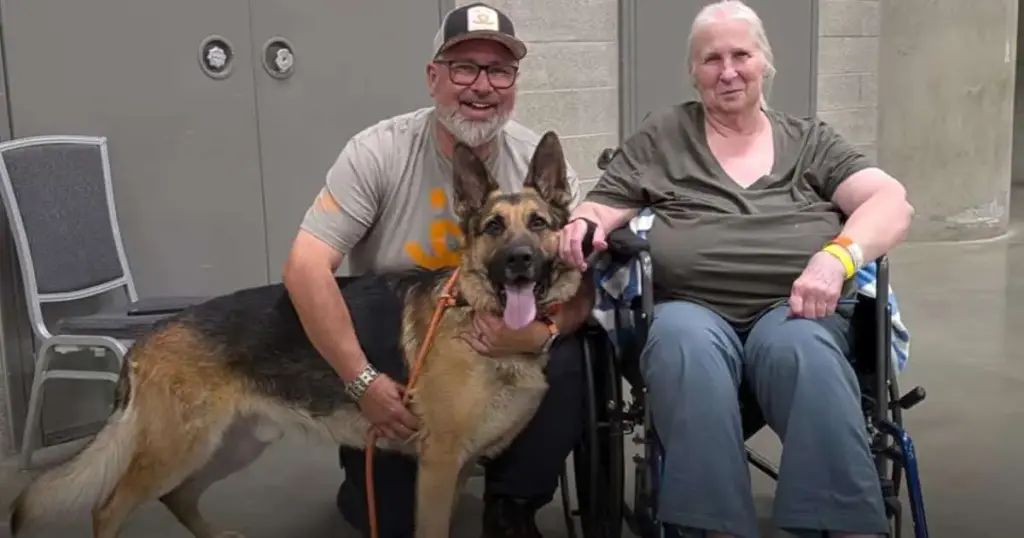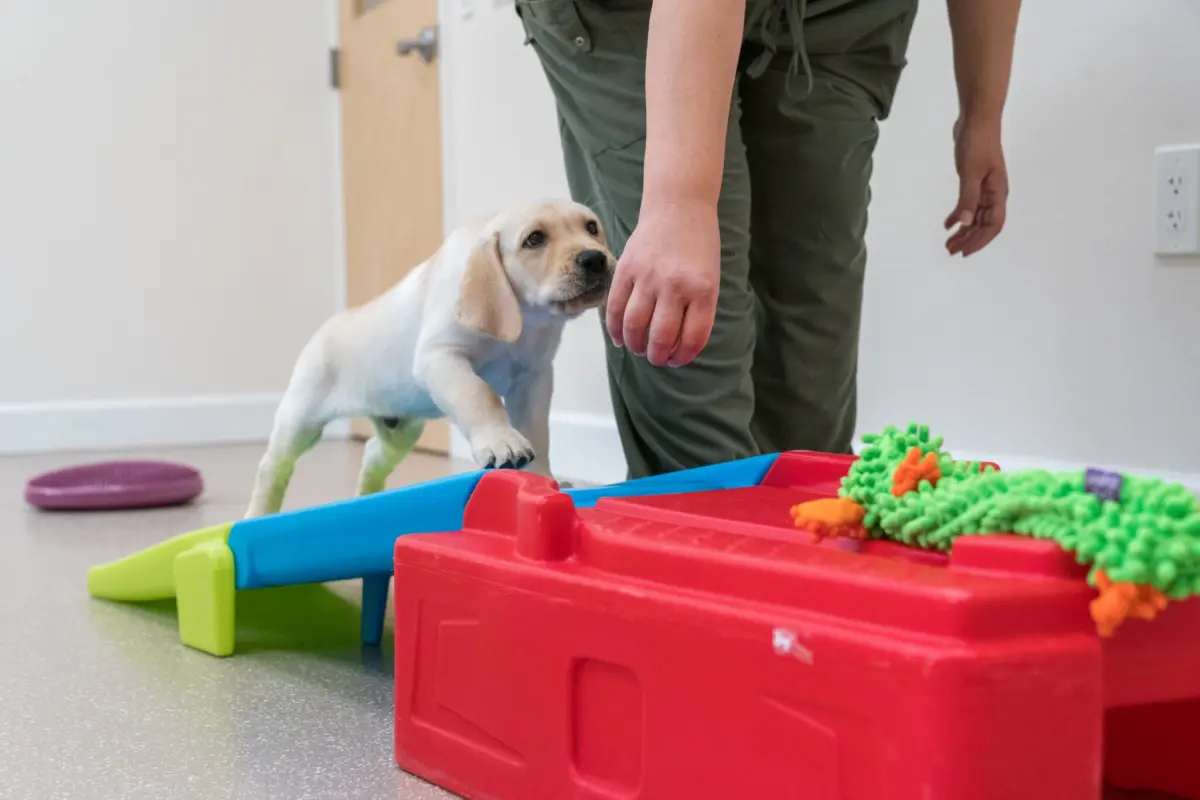

Long before a puppy takes its first confident steps on a leash, learns the fundamentals of sitting, or steps out into the world to guide a handler with visual impairments, an intricate and invisible process is already underway. Behind the scenes at specialized breeding and training facilities like Dogs Inc, the foundation for a lifetime of service is laid during the earliest, most delicate days of life.
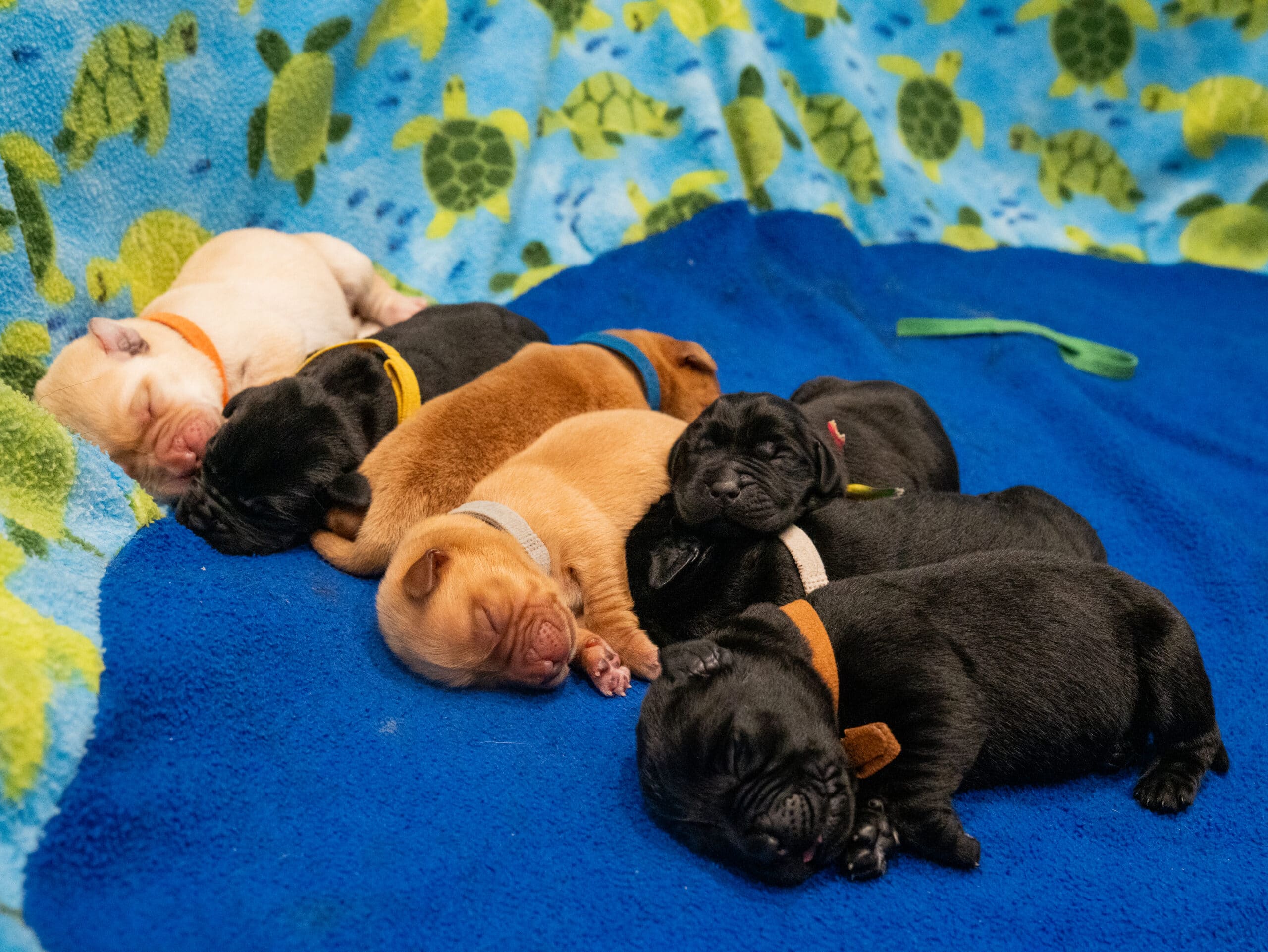
While newborns spend their initial weeks seemingly inactive—blind, deaf, and entirely dependent on their mother—their brains and nervous systems are developing at a staggering pace. To optimize this critical window, organizations utilize a science-based protocol known as Early Neurological Stimulation (ENS). Though ENS represents just one piece of a vast, multi-year developmental puzzle, it exemplifies the rigorous, intentional approach required to prepare future guide and service dogs for the profound responsibilities they will carry.
Executive Overview
The journey of a service dog does not begin in the training yard; it starts in the whelping box. Modern canine development science emphasizes that a puppy’s ultimate temperament, stress resilience, and working aptitude are heavily influenced by environmental and physiological interventions applied during specific developmental windows.
Early Neurological Stimulation consists of a series of brief, highly controlled tactile exercises administered during the neonatal stage—spanning from birth through approximately two weeks of age. Originating from canine research programs originally developed for military and working dog applications, ENS is designed to introduce mild, age-appropriate physical stressors in a safe environment. The goal is not to train or overwhelm the puppy, but to stimulate neurological pathways and improve cardiovascular performance, stress tolerance, and disease resistance.
Organizations such as Dogs Inc incorporate these protocols as part of a holistic, lifelong continuum of care. This continuum bridges the gap between raw genetics and advanced task training, ensuring that when a puppy eventually transitions to formal service work, it possesses the emotional fortitude and neurological resilience needed to navigate unpredictable environments.
Detailed Chronology: From Neonatal Development to Adolescent Milestones
Understanding the necessity of early interventions requires tracking a puppy’s chronological development through distinct, scientifically recognized life stages. Each phase presents unique neurological developments, behavioral shifts, and training opportunities.
1. The Neonatal Stage (Birth to 2 Weeks)
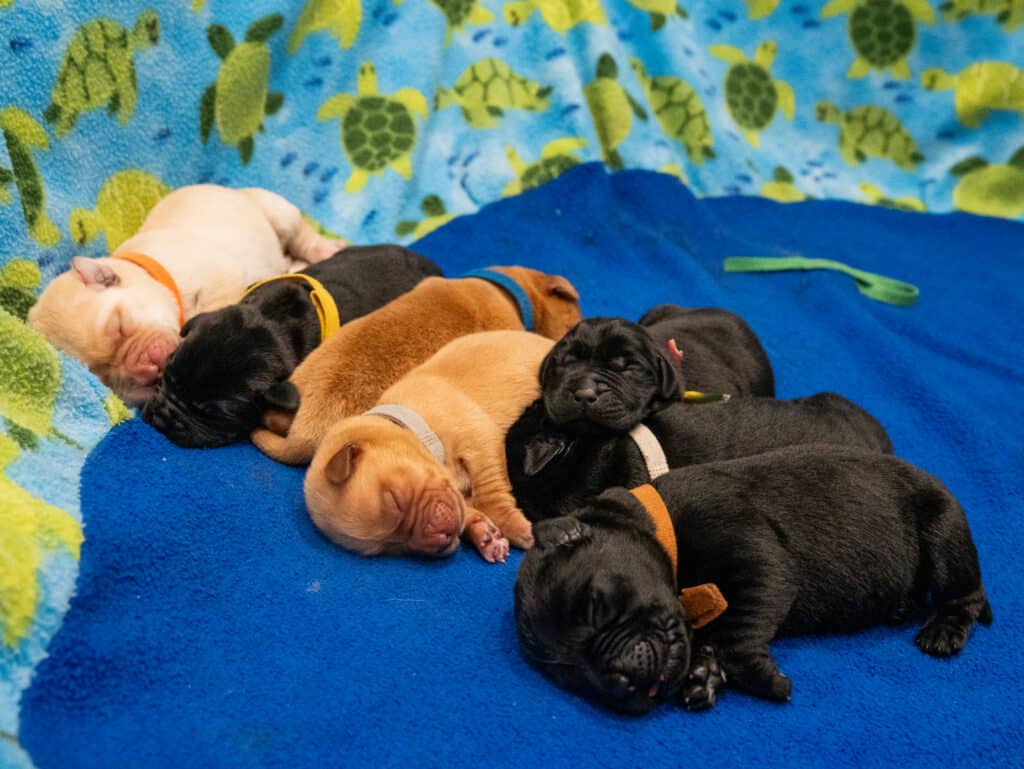
During the first fortnight of life, puppies exist in a sensory-limited world. Their eyes and ears remain sealed, and they are incapable of regulating their own body temperature, relying entirely on their mother and littermates for warmth and nutrition. Despite this outward vulnerability, the brain is experiencing explosive growth.
It is precisely during this neonatal window that ENS is deployed. Because the nervous system is malleable and rapidly forming synaptic connections, brief, measured tactile and thermal stimulations elicit beneficial physiological responses. These exercises stimulate the adrenal system, laying the groundwork for improved stress regulation later in life.

2. The Transitional Stage (2 to 4 Weeks)
As puppies cross into the transitional phase, the landscape of their sensory perception changes dramatically. Their eyes and ears open, allowing them to experience sights and sounds for the first time. By four weeks of age, puppies begin to walk, vocalize with barks, and transition away from exclusive nursing toward soft, and eventually solid, food. Their primary teeth begin to erupt, marking the dawn of active interaction with littermates. This phase is characterized by the rapid expansion of environmental awareness.
3. The Socialization Period (3 to 12 Weeks)
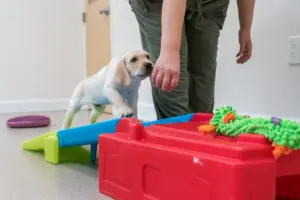
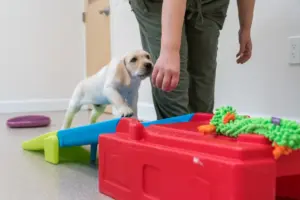
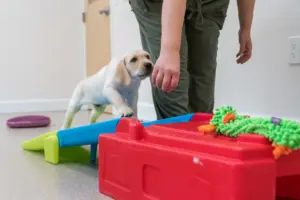
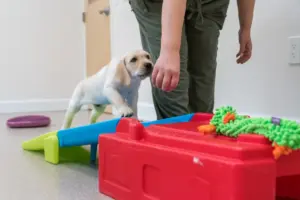
Widely recognized as the most critical behavioral window in a dog’s life, the socialization period is when puppies build associations that will dictate their worldview. Starting around three weeks and extending through three months, puppies actively interact with people, novel sounds, varied surfaces, and other dogs.
- By 8 Weeks: Fundamental lessons in social etiquette, bite inhibition, and canine communication are firmly established through interactions with the mother and littermates. Foundations are set for a friendly, adaptable temperament.
- By 12 Weeks: Puppies should be systematically exposed to a diverse array of stimuli. Meeting unfamiliar people, exploring new environments, and processing varied sensory inputs build confidence and insulate the animal against adult anxiety, fearfulness, and aggression. Short, positive learning sessions and basic cue training also commence during this window, often supported by crate training to foster early independence.
4. The Juvenile and Adolescent Stage (6 Months to 1 Year)
As dogs mature past puppyhood, they enter adolescence—a phase that can begin as early as six months of age. Much like human teenagers, adolescent dogs frequently test boundaries and display independent streaks.
Simultaneously, hormonal shifts occur. Most dogs reach reproductive maturity between six and 12 months. In females, this includes the onset of the first heat cycle and broader hormonal fluctuations; in males, it brings hormone-driven behavioral adjustments. Crucially, research indicates that puppies experience an average of four distinct "fear periods" as they grow. Navigating these temporary developmental phases requires patience, positive reinforcement, and thoughtful environmental exposure to prevent long-term behavioral aversions.
Supporting Context & Metrics: ENS vs. Socialization
A common point of confusion among puppy raisers and prospective owners is conflating Early Neurological Stimulation with general socialization. While both are indispensable components of canine development, they occur at different times, target different biological systems, and serve distinct purposes.
The Mechanics of ENS Exercises
ENS protocols are strictly regulated and must be performed exclusively by trained handlers who understand neonatal fragility. The protocol involves holding a puppy in five specific positions for three to five seconds each:
- Tactile Stimulation: Holding the puppy between the fingers and gently tickling a foot using a Q-tip.
- Head Up: Holding the puppy perpendicular to the ground, with its head pointing upward.
- Head Down: Holding the puppy so its head is pointed downward toward the ground.
- Supine Position: Holding the puppy flat on its back with its muzzle facing the ceiling.
- Thermal Stimulation: Placing the puppy feet-down on a damp, cool towel for a few seconds.
Each exercise is brief, non-harmful, and designed to elicit a mild autonomic nervous system response.
Comparative Breakdown: ENS vs. Socialization
| Metric | Early Neurological Stimulation (ENS) | Socialization Period |
|---|---|---|
| Timeframe | Birth to 2 weeks (Neonatal Stage) | 3 weeks to 12+ weeks |
| Primary Focus | Neurological and physiological resilience, stress hormone regulation | Behavioral adaptation, social skills, confidence building |
| Mechanism | Brief tactile/thermal physical stressors | Exposure to novel sights, sounds, humans, and environments |
| Executor | Trained breeders and neonatal specialists | Puppy raisers, trainers, and handlers |
| Goal | Improve cardiovascular performance, glandular health, and stress tolerance | Prevent fear, aggression, and anxiety in adult dogs |
Research and decades of field experience across working dog organizations suggest that puppies subjected to ENS protocols often exhibit improved cardiovascular performance, stronger heartbeats, greater tolerance to stress, and enhanced disease resistance. However, experts emphasize that ENS is not a substitute for socialization; rather, it is the biological precursor that equips the puppy’s nervous system to successfully process the rich social experiences that follow.
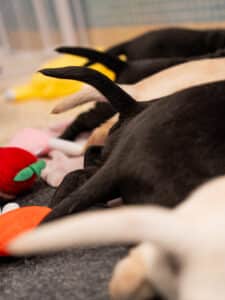
Official Perspectives: The Philosophy of Dogs Inc
Preparing a dog to navigate chaotic urban environments, assist individuals with physical disabilities, or safely guide a handler through traffic requires an unwavering commitment to quality from day one. Organizations at the forefront of this field view every developmental stage as a building block for the future.
"Strong service dog puppy development begins with a solid foundation. Early experiences help prepare puppies for later socialization, puppy raising, and formal training. Each stage builds on the last, helping puppies develop the skills they’ll need for the important work they may one day do." — Canine Development Specialists at Dogs Inc.
Industry leaders stress that early interventions are not about manufacturing a "perfect" or robotic dog. Canine behavior is multifactorial, shaped by a complex interplay of genetics, prenatal health, early neurological stimulation, environmental enrichment, socialization, and lifelong training methodologies. By implementing thoughtful, science-backed protocols early on, organizations aim to unlock each puppy’s innate potential, fostering emotional maturity and a resilient disposition.
Future Outlook: Beyond Puppyhood into Advanced Training
The culmination of early neurological stimulation, structured neonatal care, targeted socialization, and adolescent guidance is a dog uniquely qualified to change a human life.
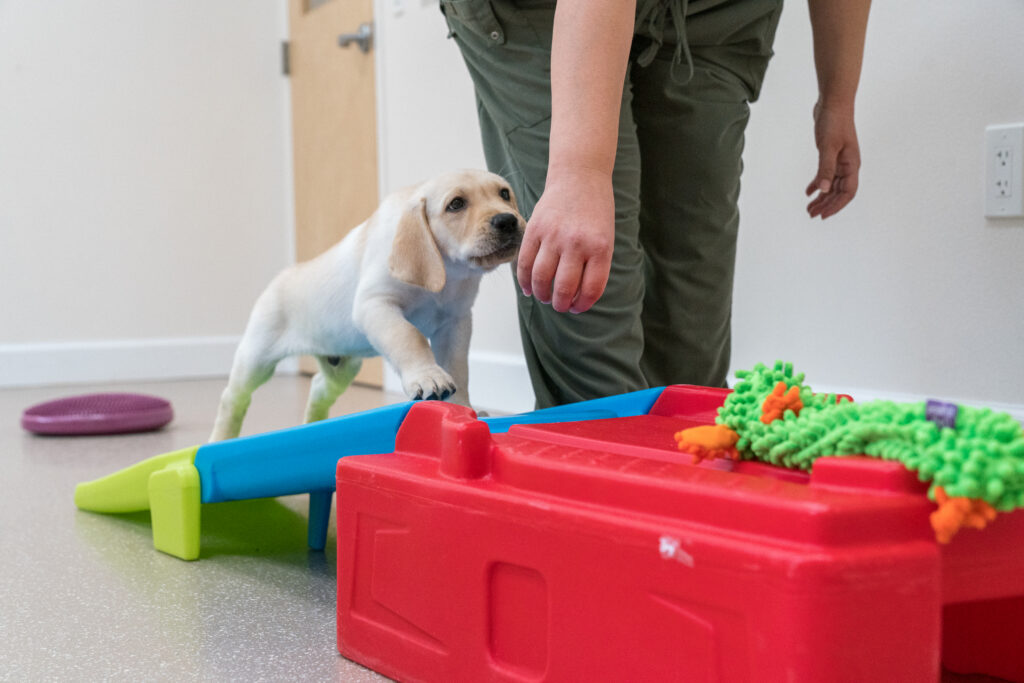
As puppies graduate from foundational puppy-raising environments into formal training programs—often integrating structured puppy classes around 16 weeks of age and progressing into specialized task training—the benefits of early intervention become undeniably clear. Dogs that have been systematically supported through every developmental window demonstrate superior adaptability, a quicker recovery rate from unexpected startle events, and an unwavering focus under pressure.
Looking forward, the integration of canine science and practical breeding programs continues to evolve. By maintaining rigorous standards of care from the whelping box to adulthood, organizations like Dogs Inc ensure that future guide and service dogs step into their roles not just as working animals, but as confident, capable, and life-changing partners for individuals in need.